

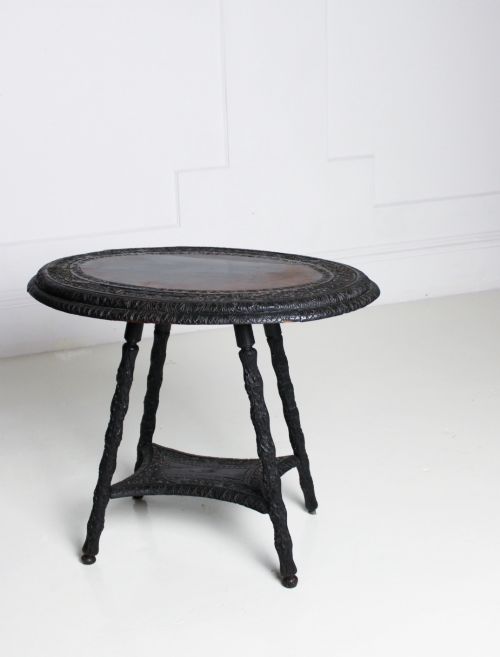
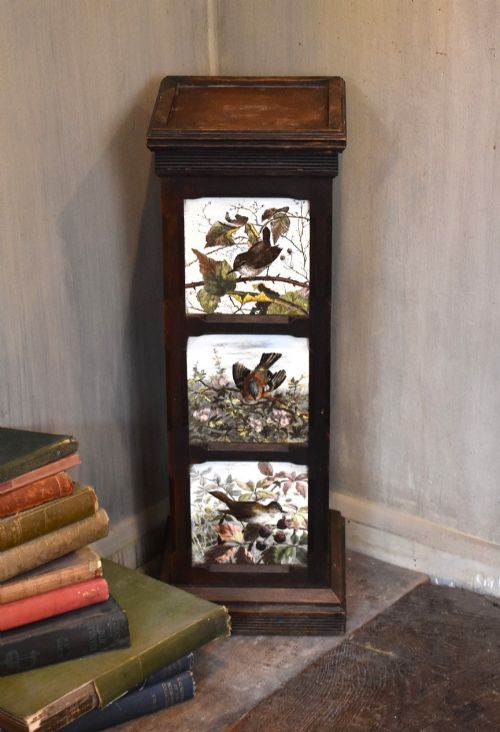


Ebonised Wood Plant Stand
An ebonised wood plant stand brings dark, dramatic form to a room, offering a sturdy stage for ferns or ceramic pots.
Ebonised Wood Plant Stand
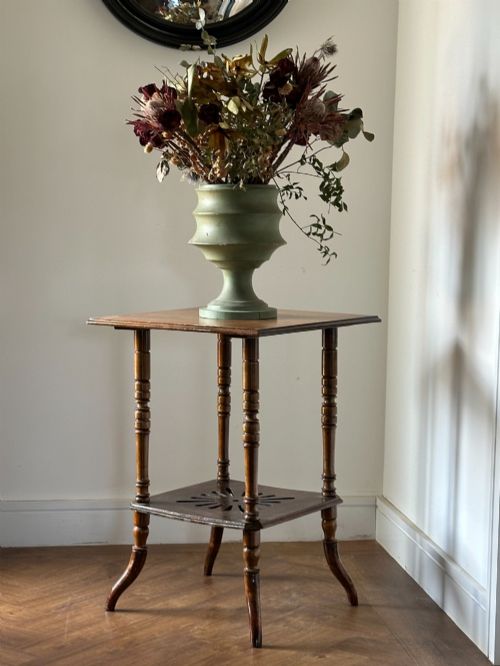
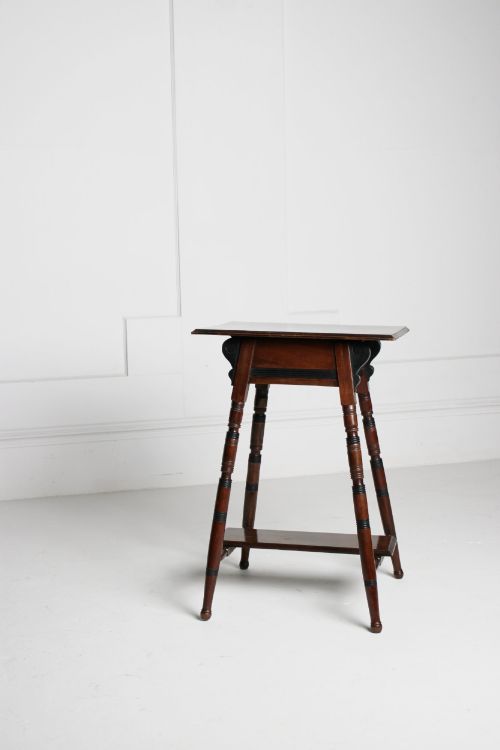
An ebonised wood plant stand is a specialised piece of furniture designed to elevate jardiniere pots, urns, and decorative vases within a domestic interior. These items emerge frequently in nineteenth-century designs, spanning Victorian, Arts and Crafts, and Aesthetic Movement periods.
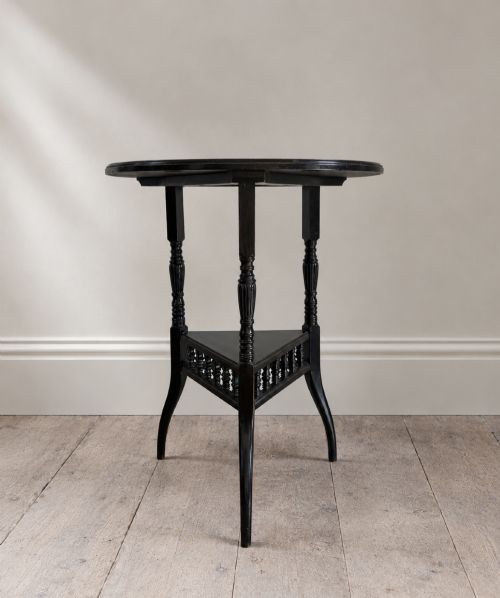
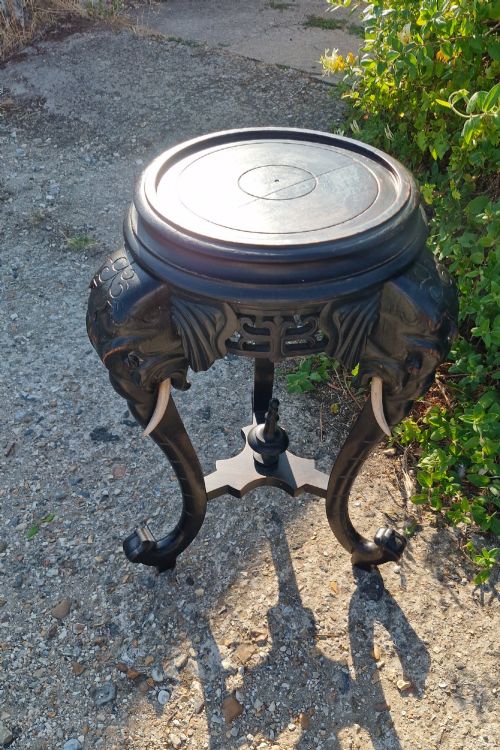
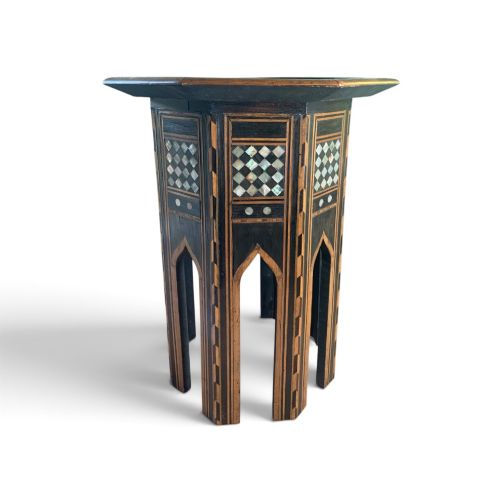
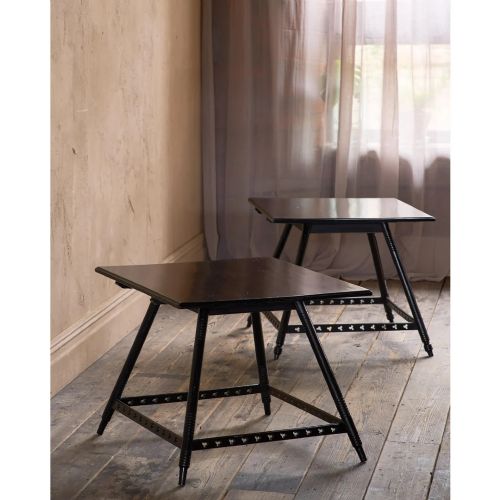
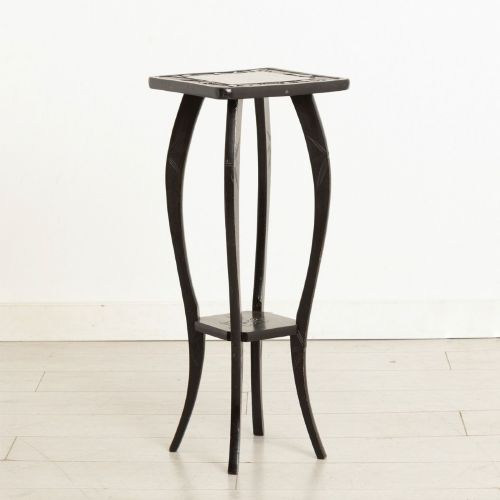
The selections on this page encompass various forms, including tall torchere columns, multi-tiered occasional tables, and octagonal Moorish stands. Makers combined domestic hardwoods with exotic imports to create dramatic silhouettes suited for formal reception rooms and parlours.
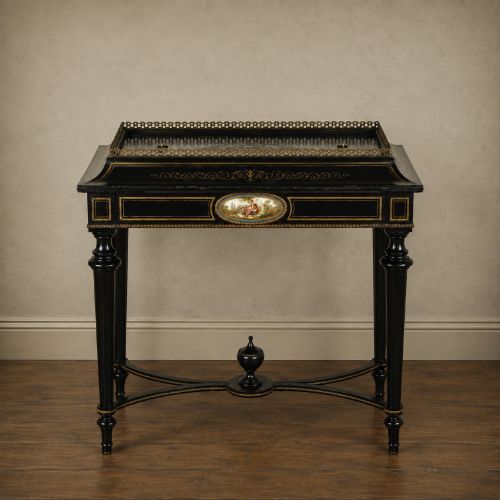
Buyers encounter pieces ranging from simple ebonised pedestals to elaborate examples featuring inlaid bone, porcelain plaques, or marquetry. The predominant styles reflect nineteenth-century enthusiasm for Japanese, Anglo-Indian, and Continental design influences.
Materials and construction
Cabinetmakers utilised indigenous hardwoods such as beech or fruitwood, treating the surfaces with dark finishes to imitate costly ebony. This ebonising process involved staining and polishing the wood to achieve a dense, uniform black appearance.
Construction frequently incorporated contrasting materials to enhance the visual impact of the dark timber. Workshops applied brass mounts, mother-of-pearl, bone inlay, and painted porcelain plaques into the ebonised surfaces.
Joinery techniques ranged from traditional mortise and tenon frames for multi-tiered occasional tables to turned wooden columns for torchere stands. Structural stability remained paramount to support heavy marble tops and large ceramic planters.
Listings feature nineteenth-century walnut, mahogany, and ebonised hardwood alongside brass and bone inlay.
Quality and craftsmanship
The distinction between ordinary production and superior work lies in the depth of the ebonising finish and the precision of the underlying woodwork. High-tier pieces reveal careful timber selection underneath the dark stain, whereas lesser examples use heavy paint to mask inferior grain.
Detailing differentiates workshop output, particularly in inlaid elements such as bone or marquetry. Finely rendered carving, secure ormolu mounts, and intact porcelain inserts separate standard utility stands from bespoke commissions.
Liberty & Co·Gillow and Co·Druce and Co
The Ebonised Wood Plant Stand Glossary
- Ebonised
- Wood treated with stain, dye, or polish to simulate solid ebony. This dark finish gained popularity during the Victorian era for furniture inspired by Asian aesthetics.
- Torchere
- A tall, slender stand or pedestal designed to support a lamp or a floral arrangement. These elevated pieces originated in the seventeenth century and remained popular through the Victorian period.
- Jardiniere
- A decorative container or stand intended to hold plants or flowers. Examples often incorporate waterproof liners or ceramic tiles to protect the wooden structure.
- Marquetry
- Decorative veneer applied to furniture in geometrical patterns or pictorial scenes. Craftsmen used contrasting woods, bone, and metal to create intricate surface designs.
- Aesthetic Movement
- A late nineteenth-century design ethos prioritising visual beauty over narrative or moral function. Pieces from this period frequently display Japanese influences and ebonised finishes.
Ebonised Wood Plant Stand: Frequently Asked Questions
What is an ebonised plant stand?
An ebonised plant stand is a piece of furniture made from wood treated with a dark stain to resemble solid ebony. These stands were designed to elevate heavy ceramic pots and floral arrangements within Victorian interiors.
They appear in various forms, including tall columns, multi-tiered occasional tables, and tripod bases. The dark finish provided a neutral background that allowed brightly glazed ceramics and green foliage to stand out.
How do I identify an Aesthetic Movement stand?
Aesthetic Movement stands typically feature ebonised wood surfaces combined with minimalist geometric lines or Japanese-inspired motifs. They often incorporate contrasting details like brass hardware, painted tiles, or bamboo-turned legs.
These pieces date from the late nineteenth century and reflect a shift toward art for art's sake in domestic interior design.
Where should I place a torchere stand?
A torchere stand functions well in corners, empty wall spaces, or flanking doorways where height can balance room proportions. Their slender vertical profile makes them suitable for displaying trailing plants, sculptures, or table lamps without occupying excessive floor space.
Positioning them away from direct heat sources helps preserve the nineteenth-century timber and ebonised finish.