
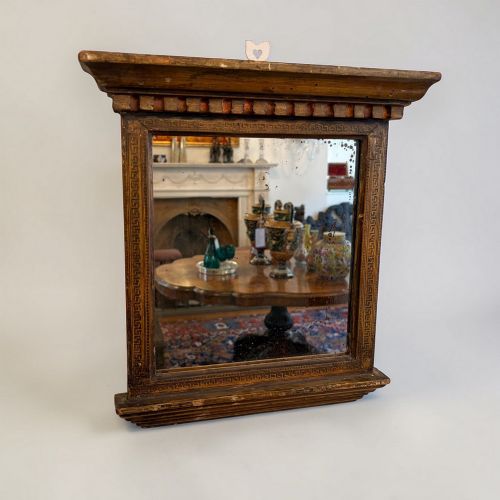
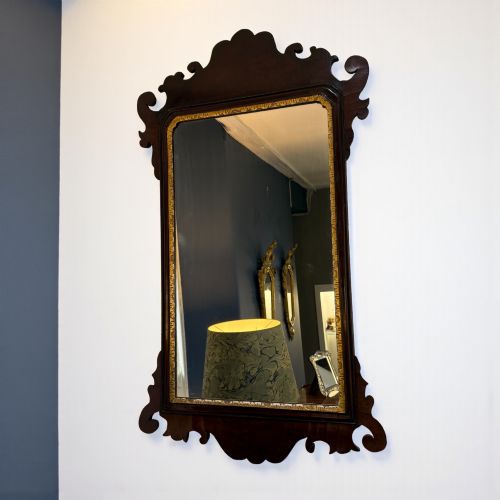
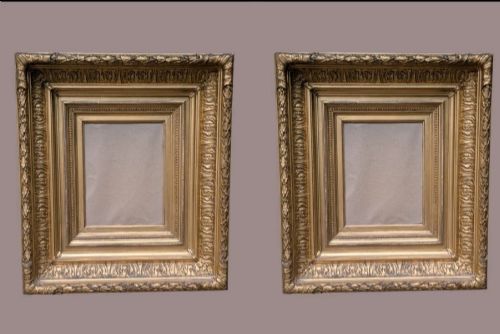
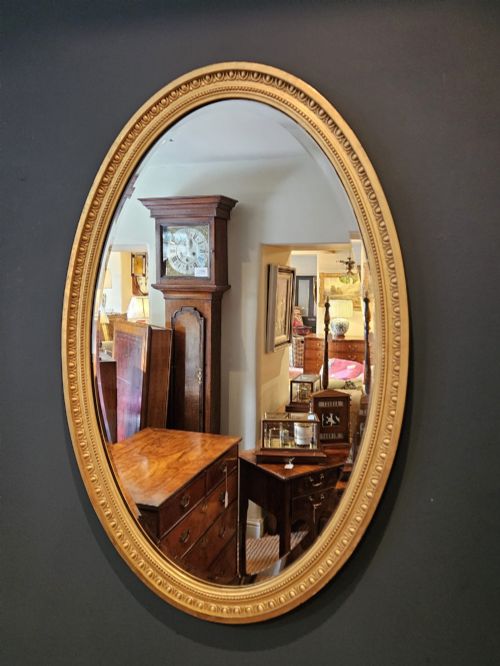





Moulded Gilt Mirror
A moulded gilt mirror brings warmth and reflective depth to a room, catching the light through gilded surfaces and carved relief work.
Moulded Gilt Mirror
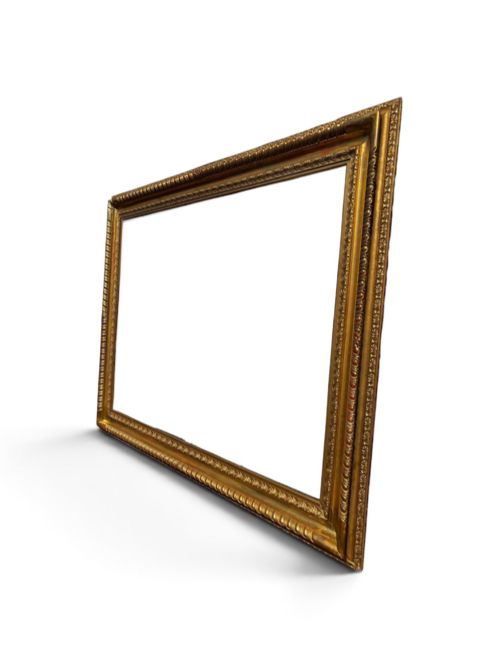
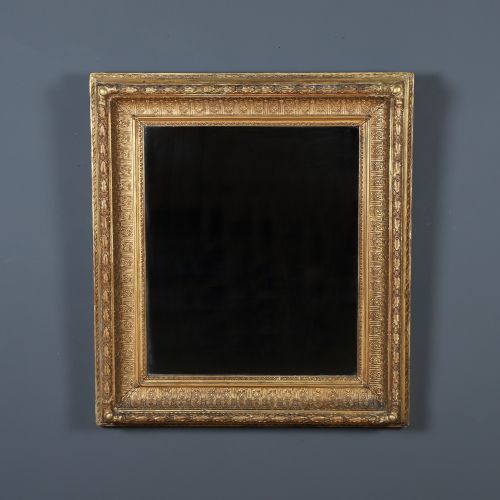
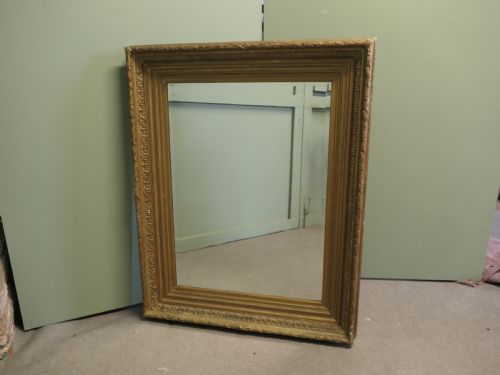
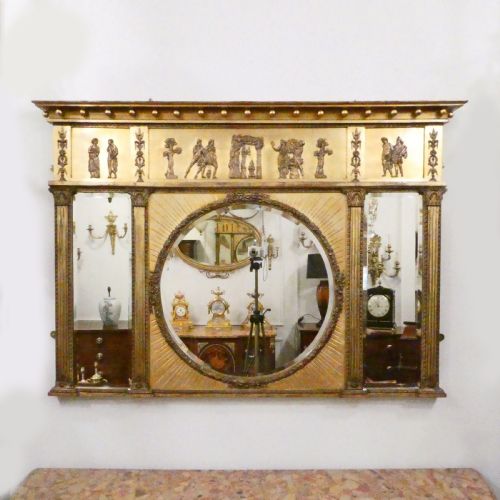
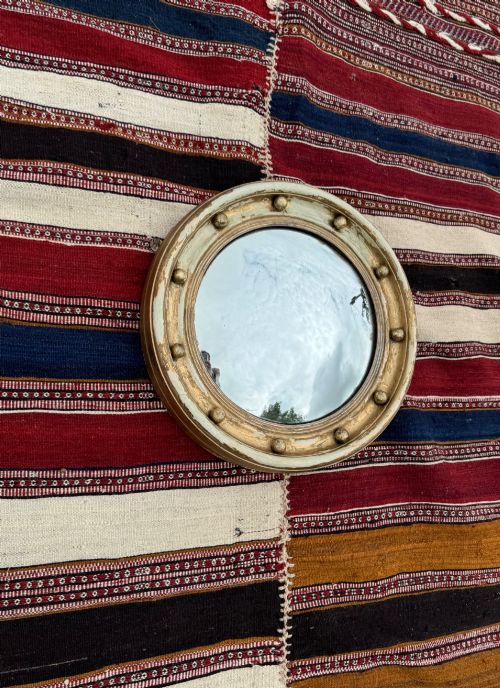
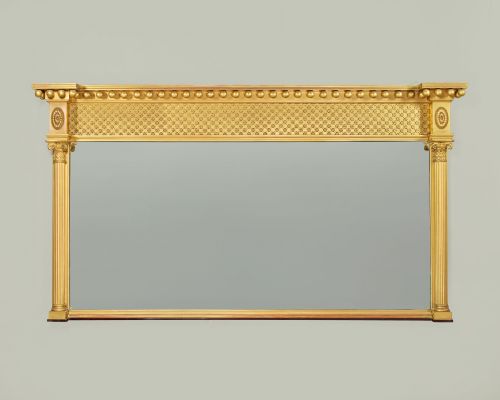
When you search for a moulded gilt mirror, you encounter wall-hung pieces, large overmantels, and convex circular frames designed to expand perceived space and illuminate domestic interiors. The examples met most frequently on this page originate from the nineteenth century, taking the form of overmantel mirrors, rectangular wall glasses, and round convex variants.
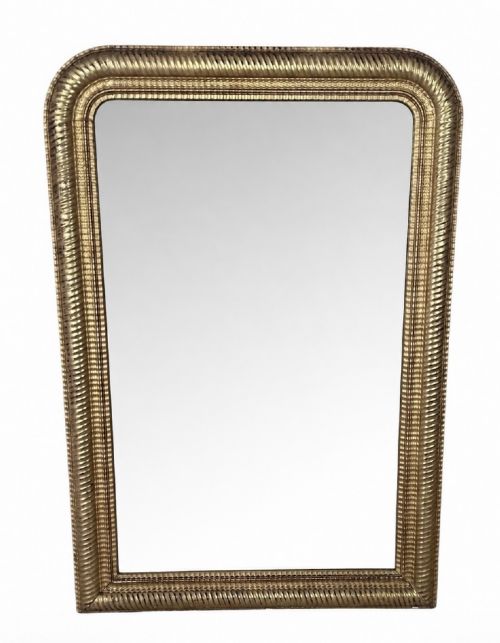
Makers and framemakers of the Regency, Victorian, and Edwardian periods produced these pieces using traditional timber frames enriched with plaster ornament. Styles range from classical Regency lines and French Louis Philippe designs to elaborate Victorian acanthus leaf decoration and ebonised ripple moulding.
Overmantel mirrors dominate the architectural forms, shaped to sit above a fireplace and anchor a principal room. Meanwhile, smaller wall mirrors and picture frames serve complementary decorative roles in hallways and drawing rooms.
How they were made
Makers constructed the structural carcasses of these pieces from timber, often utilising carved wood or layered construction to build up the heavy profiles. Upon this wooden base, artisans applied layers of gesso, a fine plaster mixture that accepted sharp incisions and moulded ornamental relief.
Gold leaf or liquid gold surface treatments were then laid over the prepared gesso and wood, sometimes complemented by ebonised sections or verre eglomise panels. The mirror glass itself was set within the rebate, secured at the rear, and occasionally finished with bevelled edges or aged patination.
Listings feature eighteenth-century pieces alongside nineteenth-century Regency, Victorian, and Edwardian examples, spanning wall mirrors, overmantels, and picture frames.
What varies in quality
The distinction between ordinary and superior examples lies in the crispness of the moulding and the depth of the carved gesso relief. Finer pieces display sharply defined acanthus leaves, crisp ripple patterns, and balanced proportions that retain their structural integrity over centuries.
The application of the gilt surface also dictates the tier of the piece, with genuine gold leaf ageing with a softer, warmer lustre than coarser metallic paints. Furthermore, the retention of original mirror glass and untouched backing boards elevates the standing of any frame.
The Moulded Gilt Mirror Glossary
- Gesso
- A plaster mixture applied to wooden frames as a base for gilding. Artisans could mould or carve this material while damp to create raised decorative motifs.
- Giltwood
- Timber that has been coated with gold leaf or metallic powder. It forms the primary visible structure of classical and nineteenth-century frames.
- Convex mirror
- A round looking glass with an outward-curving surface that reflects a wide, distorted field of view. These pieces were popular during the Regency era.
- Overmantel mirror
- A wide looking glass specifically proportioned to hang above a fireplace mantelpiece. They often feature arched tops or classical architectural framing.
- Verre eglomise
- A cold decoration technique where design is applied to the reverse of glass using gold or silver leaf. It appears in select Regency mirrors to add decorative borders.
Moulded Gilt Mirror: Frequently Asked Questions
How do I hang a heavy overmantel mirror?
These large frames require secure fixings anchored directly into the wall studs or masonry rather than standard plasterboard hooks. Due to the substantial weight of the timber and gesso construction, professional installation ensures the piece remains safely supported.
Distributing the weight across multiple strong fixing points protects both the wall and the antique frame from accidental strain or sudden shifts.
Are convex mirrors from the Regency period?
Many convex mirrors date from the Regency era, often characterised by circular giltwood frames and sometimes surmounted by carved eagles. However, revival pieces from later in the nineteenth century also adopted this distinctive spherical format.
Examining the construction of the backboards and the composition of the gesso helps clarify whether a convex glass belongs to the early nineteenth century or a later revival.
How should I clean a gilded frame?
Gilt surfaces require very gentle dusting with a soft, dry brush to remove settled particles without disturbing the delicate gold leaf. Moisture and modern chemical cleaners strip away the thin metallic layers and dissolve the underlying gesso.
Keeping these mirrors away from direct sunlight and damp environments preserves the stability of both the timber carcass and the historic finish.