
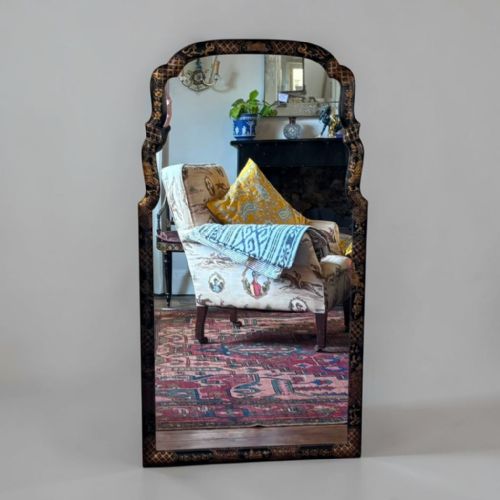
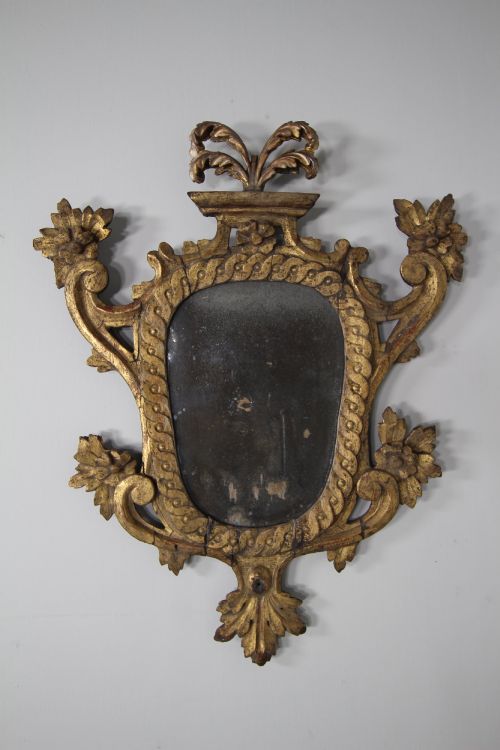
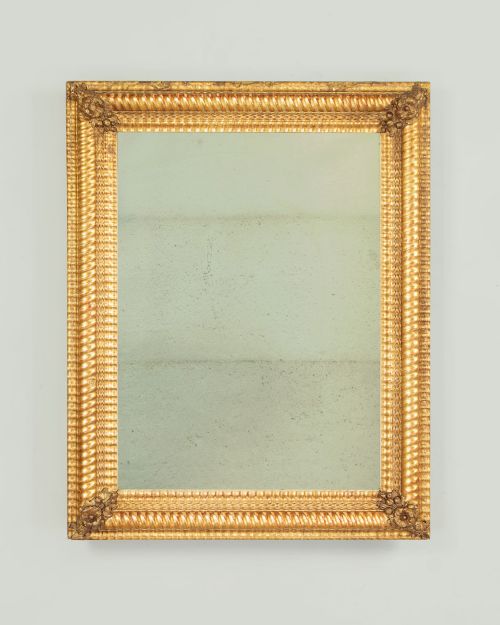
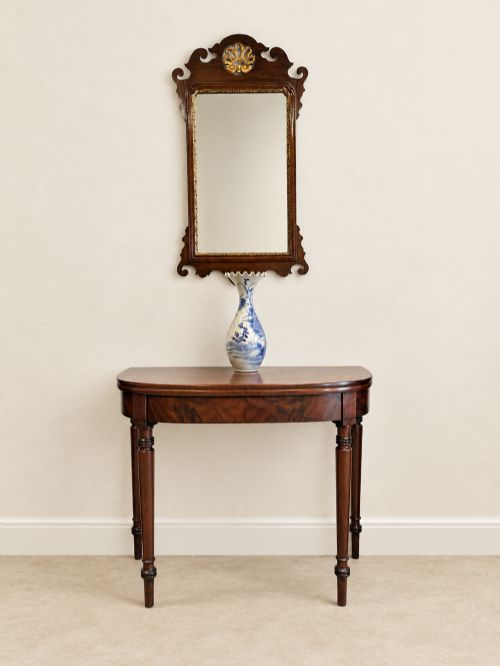

Vintage Gilt Glass Mirror
A vintage gilt glass mirror brings warmth and reflective depth to a room through centuries-old craftsmanship.
Vintage Gilt Glass Mirror
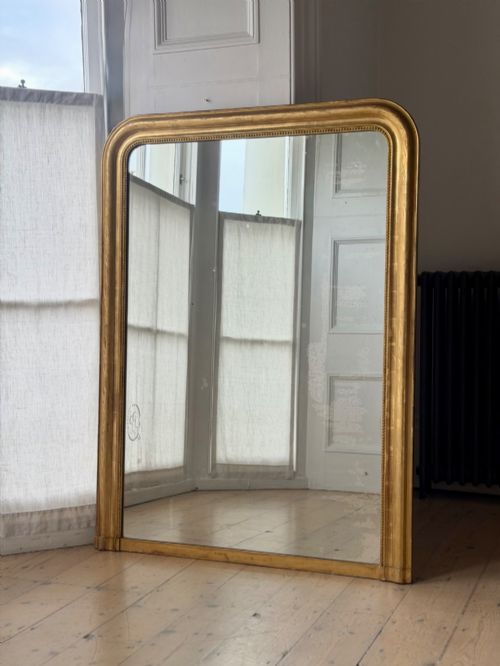
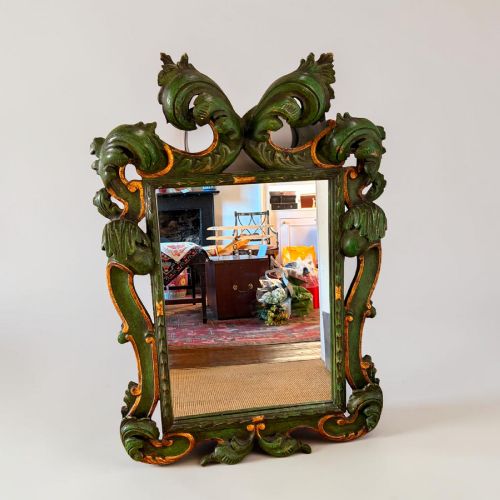
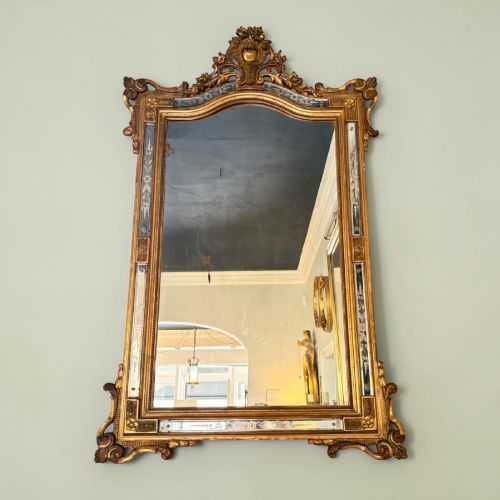
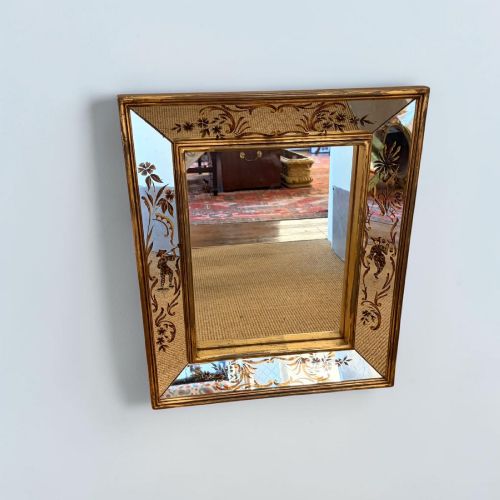
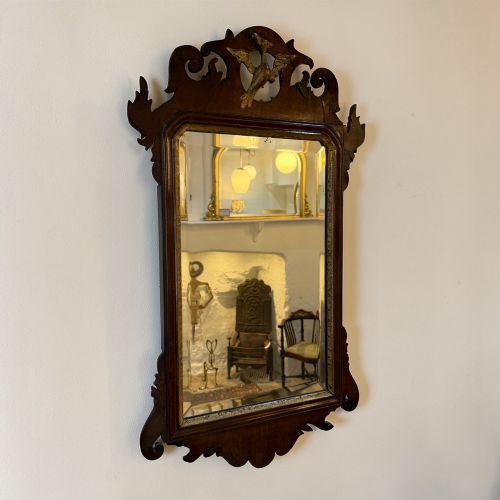
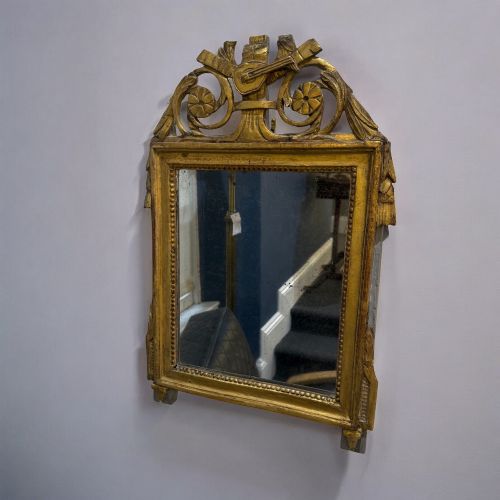
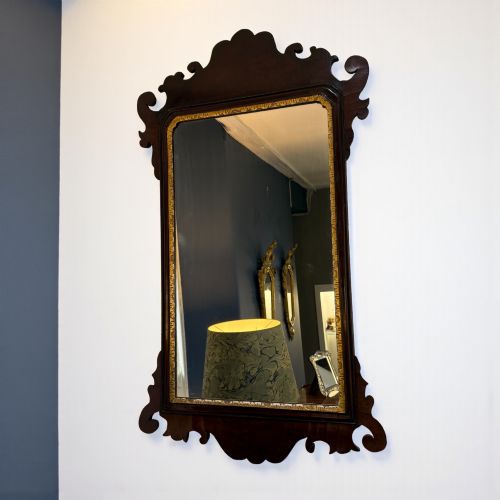
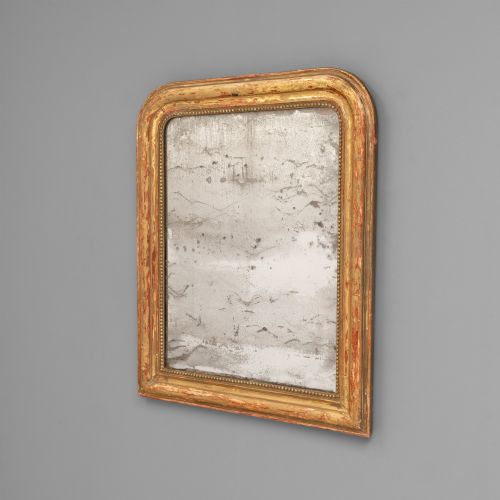
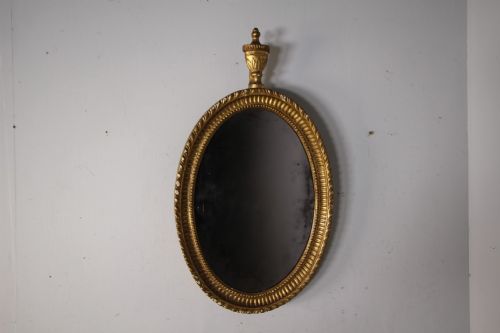
A vintage gilt glass mirror functions as both a decorative wall piece and a functional looking glass, originating from periods spanning the eighteenth century through to the early twentieth century. When searching for a vintage gilt glass mirror, buyers encounter a variety of forms including overmantel mirrors, pier mirrors, oval wall mirrors, and dressing mirrors. English and French examples dominate the selection, often carrying stylistic influences from the Georgian, Regency, and Rococo Revival periods.
The most common examples on this page date from the nineteenth century, encompassing Victorian and French Louis XV revival pieces. These items range from small fretwork frames to large, monumental wall mirrors designed to hang above mantelpieces or serve as primary room focal points. Materials span traditional woods finished with gold leaf, gesso, and giltwood, alongside occasional walnut and mahogany frames with parcel gilt details.
How they were made
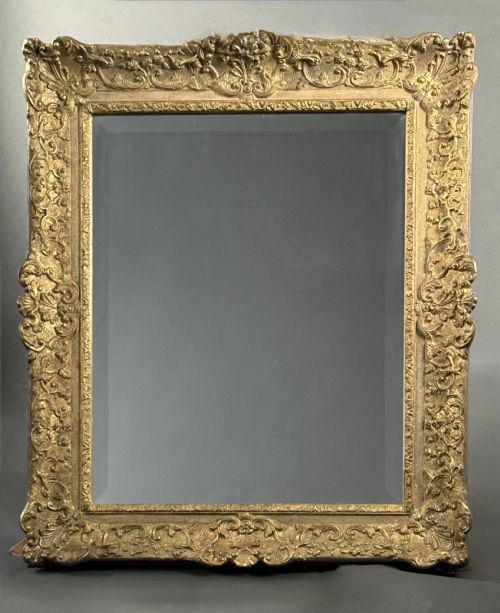
Makers constructed the foundational frames of these mirrors using carved woods such as oak, sycamore, walnut, and mahogany, or shaped softwoods built to support intricate ornamentation. Artisans applied layers of gesso to wooden substrates to build up detailed reliefs, scrolls, and floral motifs before finishing the surfaces with gold leaf or metallic gilt.
Reflecting plates utilised early mirror glass methods, including mercury glass featuring characteristic foxing, alongside bevelled plates and newer replacement glass. Frames often incorporated applied gilt bronze mounts, brass elements, or painted details to achieve distinct regional aesthetics such as French Neoclassical or Italian Rococo styles.
Listings feature items spanning the 18th century to the 1930s, incorporating Georgian, Regency, Victorian, and Art Deco design periods.
What varies in quality
The depth and crispness of the hand-carved wood and gesso ornamentation separate standard decorative frames from exceptional examples. Finer pieces retain their original gilding and retain complex, well-proportioned decorative schemes without heavy restoration to the structural wooden frame.
The character and originality of the mirror plate itself influence desirability, with untouched foxed mercury glass plates offering historic authenticity compared to replaced modern glass. The integration of the frame joints, the precision of parcel gilt highlights, and the presence of genuine period backboards complete the assessment of overall standard.
The Vintage Gilt Glass Mirror Glossary
- Giltwood
- Wood that has been coated with gold leaf, metal leaf, or gilt paste to give the appearance of solid gold. This finish catches candlelight and natural illumination effectively.
- Gesso
- A plaster-like mixture applied to wooden frame bases and carved into elaborate relief patterns before gilding. It provides a smooth ground for gold leaf adherence.
- Foxing
- Age-related spots, speckles, and discoloration within the silver backing of older mirror glass. It creates a distinctive cloudy patina valued by collectors.
- Parcel Gilt
- A decorative treatment where only specific carved portions or highlights of a wooden frame are gilded while the underlying wood grain remains visible.
- Overmantel Mirror
- A large horizontal mirror designed specifically to be hung on the wall immediately above a fireplace mantel. These pieces frequently feature shaped tops and grand proportions.
- Trumeau Mirror
- An antique wall mirror paired with an upper decorative panel containing a painting or carved motif. Originating in France, they often integrated into wall panelling.
Vintage Gilt Glass Mirror: Frequently Asked Questions
How do I clean an antique gilt mirror frame?
Dust the carved surface gently using a soft, dry brush to prevent dislodging delicate gesso or gold leaf flakes. Avoid using liquid cleaners, water, or commercial polishes, as moisture damages traditional water-gilding.
For the glass plate, apply a small amount of glass cleaner to a cloth rather than spraying directly onto the glass. This ensures the liquid does not seep behind the frame edges and compromise the historic backing or wood.
Can these mirrors be hung safely on plaster walls?
Heavy antique mirrors require secure fixing directly into wall studs or masonry using heavy-duty picture hooks and appropriate wall anchors. Due to the substantial weight of dense timber frames and thick glass plates, standard picture wire alone is rarely sufficient for larger overmantel pieces.
Consult a professional installer to assess the weight of the specific mirror and evaluate the wall construction before hanging. Ensuring proper load distribution protects both the frame structure and the surrounding wall.
What does foxed mercury glass mean?
Mercury glass refers to older mirror plates manufactured using a tin and mercury amalgam technique common before the mid-nineteenth century. Over decades, chemical reactions cause the reflective backing to develop dark spots, cloudiness, and mottled patches known as foxing.
Collectors prize foxed glass because it proves the age and authenticity of the mirror plate. Rather than a defect, this natural ageing process adds distinct historic charm and character to the piece.
How do I tell an 18th century mirror from a 19th century revival piece?
Eighteenth-century mirrors typically exhibit hand-carved joinery, lighter pine or fruitwood foundations, and subtle asymmetrical Rococo or restrained Georgian proportions. The carving shows slight irregularities characteristic of hand tools, and the glass often displays heavier foxing.
Nineteenth-century revival pieces, such as those from the Victorian or Napoleon III eras, often feature denser gesso ornamentation over heavier wood substrates. They frequently replicate earlier Louis XV or Chippendale styles with machine-assisted precision while adopting standardised plate dimensions.