








Classical Gilded Frame
When you search for a classical gilded frame, you are looking at centuries of craftsmanship designed to elevate fine art and mirrors.
Classical Gilded Frame
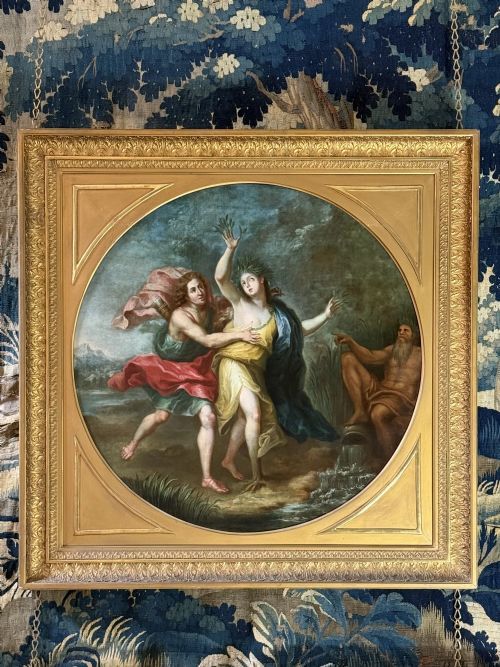
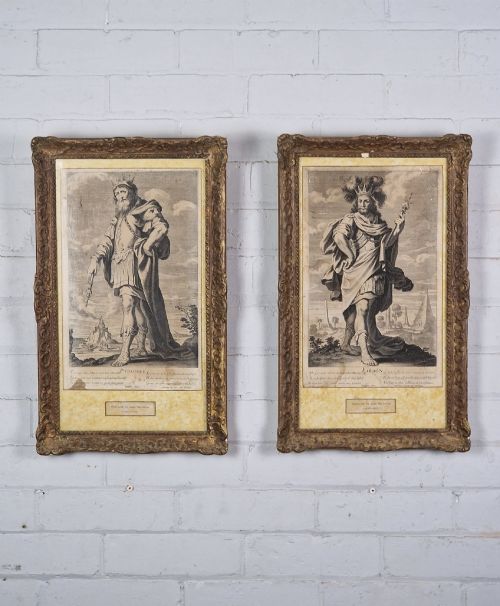
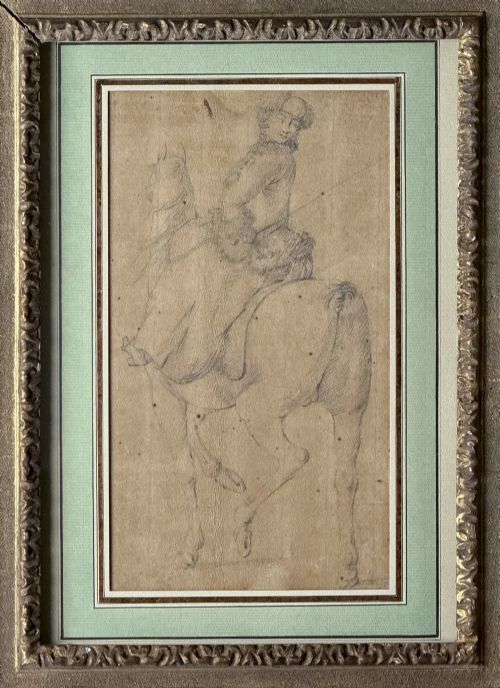
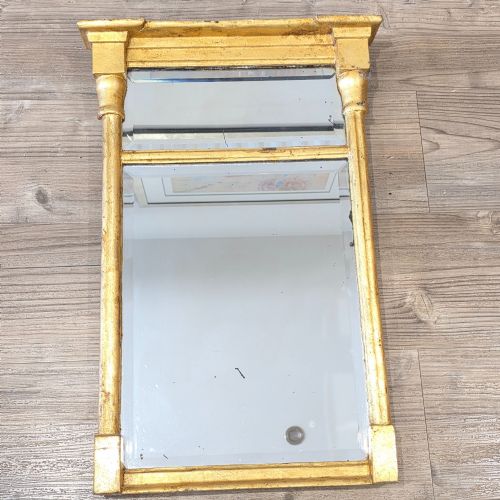
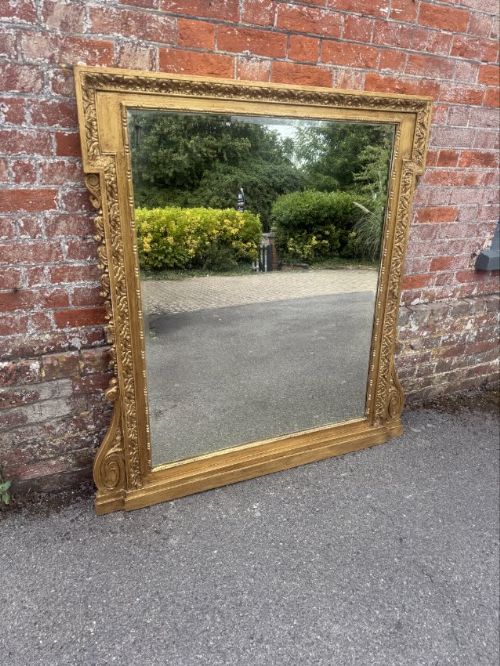
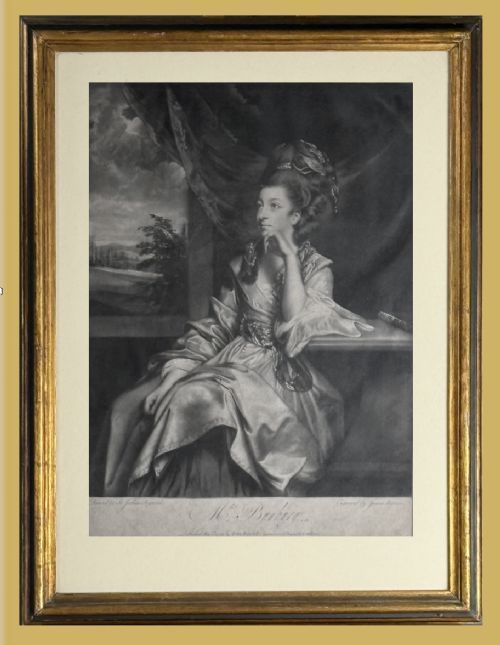
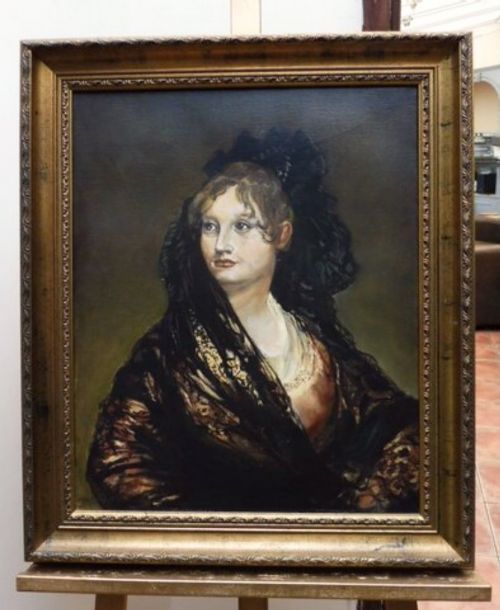
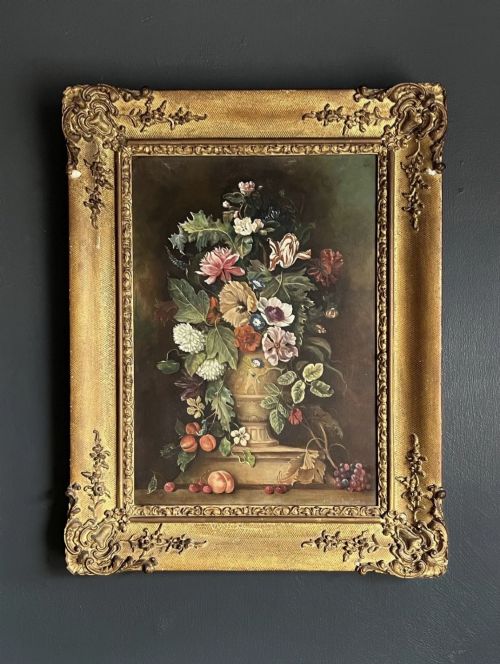
A classical gilded frame houses oil paintings, drawings, prints, and wall mirrors, bringing structure and rich decoration to interior spaces.
The selection ranges from seventeenth-century works to mid-twentieth-century pieces, spanning Georgian, Victorian, Regency, and French Rococo aesthetics.
You will encounter grand overmantel mirrors alongside detailed portraiture and mythological scenes, all set within ornate metallic borders.
How they were made
Makers shaped wooden foundations, applying layers of gesso to create a smooth, responsive surface for intricate carving and moulding.
Artisans then applied delicate sheets of gold leaf to the prepared surface, burnishing the metal to achieve a brilliant, reflective sheen.
Canvases and glass plates were fitted securely within these structures, often accompanied by oil paint, paper, and ink for the artworks held inside.
Listings feature works from the seventeenth, eighteenth, and nineteenth centuries, alongside mid-twentieth-century interpretations using traditional wood and gesso techniques.
What varies in quality
The depth and sharpness of the hand-carved wood and gesso ornamentation dictate the visual impact of the piece.
The handling of the gold leaf application, from smooth burnished planes to finely textured matte areas, determines how the light plays across the surface.
The integrity of the underlying timber and the preservation of the original gilt finish distinguish exceptional examples from simpler iterations.
Miles and Edwards·James Watson·Sir Joshua Reynolds·Charles Antoine Coypel·Pieter Borsseler
The Classical Gilded Frame Glossary
- Giltwood
- Timber that has been coated with a thin layer of gold leaf or powder. This finish provides a durable and luminous metallic appearance.
- Gesso
- A plaster-like mixture applied to wood frames to create a smooth surface for carving. It allows for intricate relief details before gilding.
- Pier mirror
- A tall wall mirror designed to hang on the wall space between windows. These pieces often feature elaborate neoclassical or Regency frames.
- Overmantel mirror
- A large mirror intended for placement above a fireplace mantelpiece. They frequently incorporate classical architectural columns and floral carvings.
- Mezzotint
- A printmaking process of the intaglio family where tones are created by roughening the plate. It produces rich gradations of dark and light.
Classical Gilded Frame: Frequently Asked Questions
What periods do these frames come from?
The pieces span from the seventeenth century through the eighteenth and nineteenth centuries, extending into twentieth-century revivals.
Craftsmen across these eras drew on Baroque, Renaissance Revival, and Georgian styles to shape the wooden structures.
How do I choose the right mirror size?
Consider the scale of your wall space and the furniture positioned beneath the glass, such as a fireplace mantel or a pier table.
Larger overmantel mirrors require substantial clearance, while compact Regency frames suit narrower wall divisions.
What mediums are housed within these frames?
The surrounds hold oil paintings on canvas, detailed ink or chalk drawings, historical engravings, and mirrored glass plates.
Many pieces feature classical portraits, mythological narratives, or floral still lifes set behind the gilded border.
Are the gilt finishes original?
Many items retain their historic gold leaf and gesso surfaces, showing the natural patination accumulated over centuries of display.
Examining the wood and preparation layers helps reveal the age and authenticity of the decorative scheme.