


Monochrome Mezzotint Print
A monochrome mezzotint print captures tonal depth through inked copper plates, offering rich portraits from past centuries.
What monochrome mezzotint print pieces are
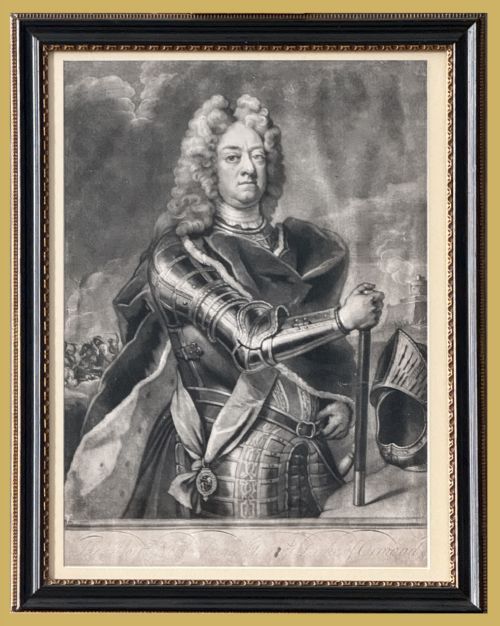
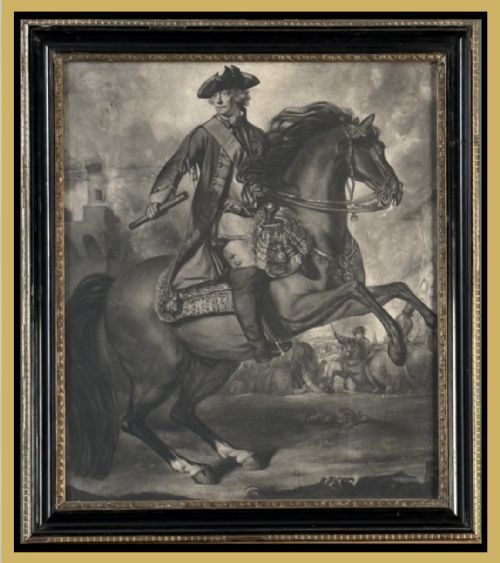
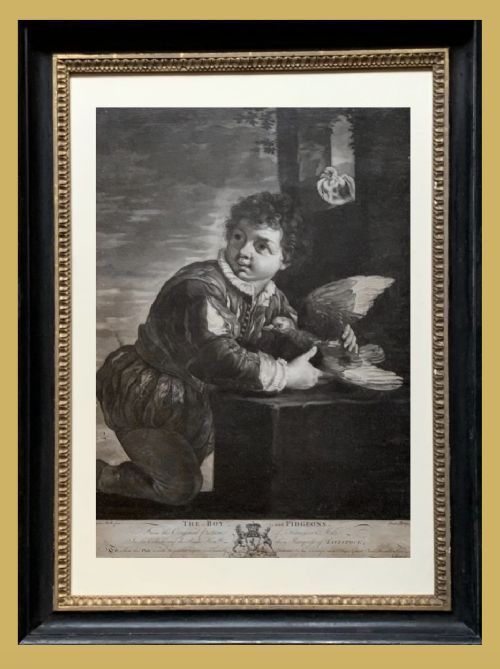
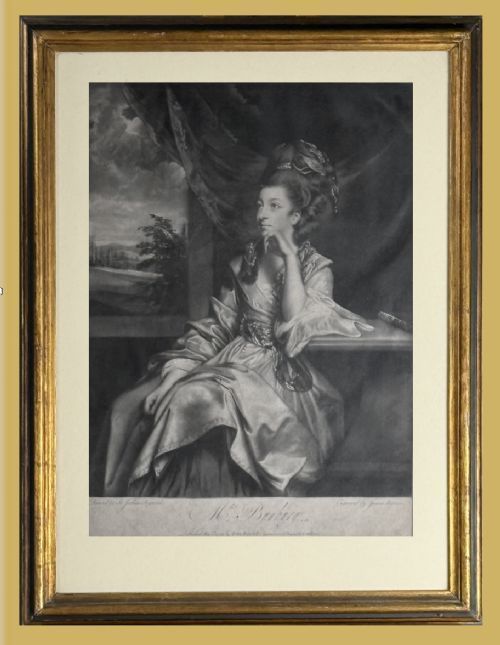
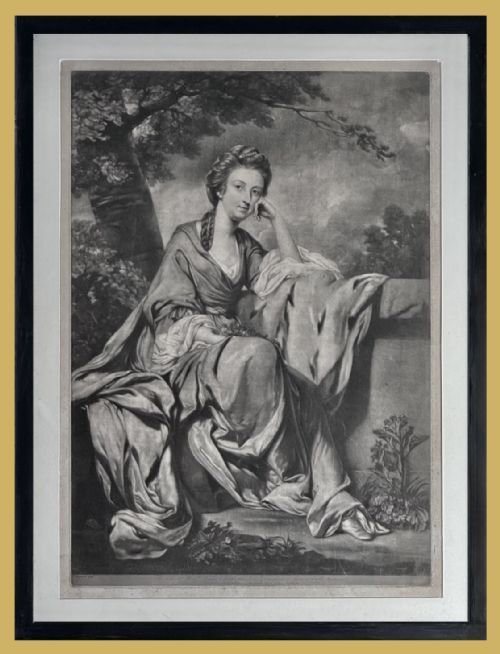
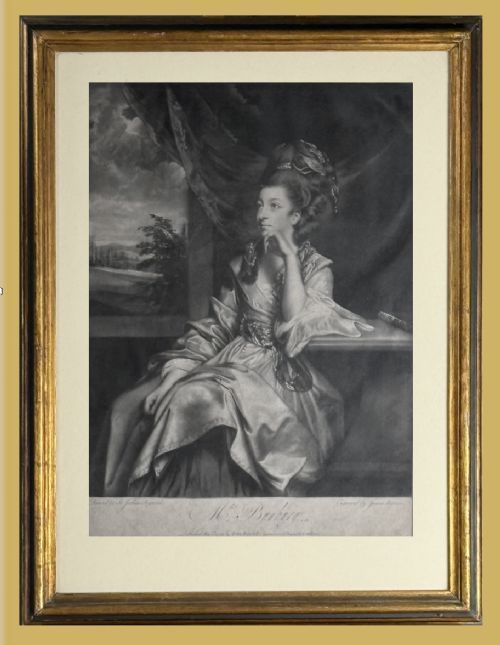
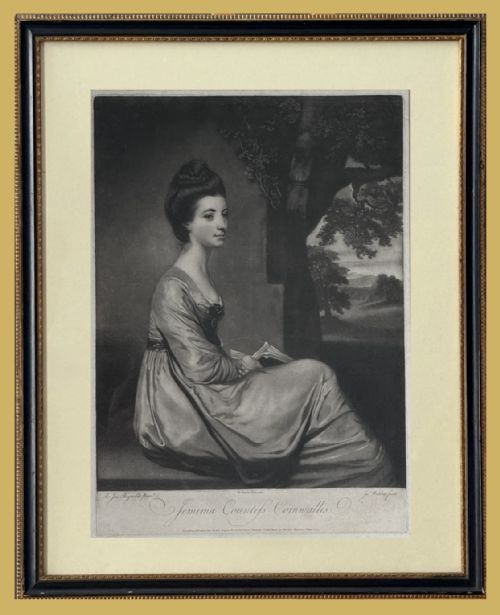
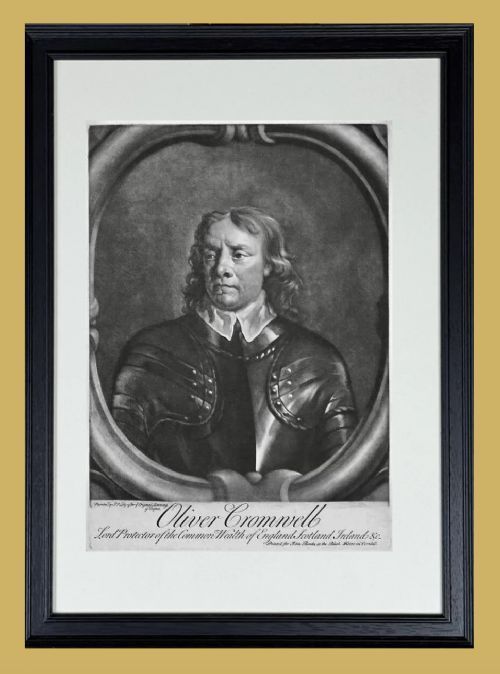
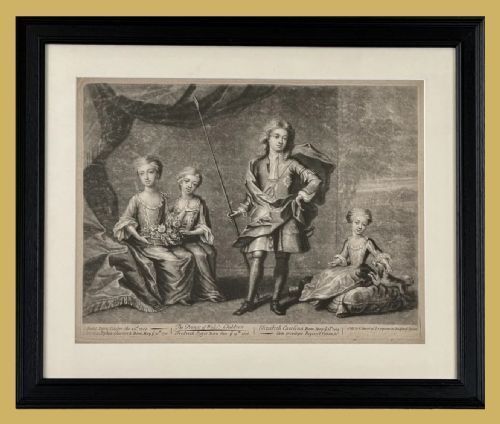
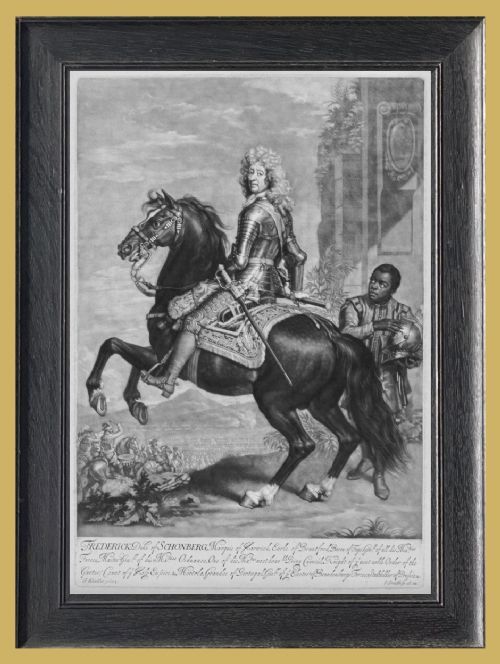
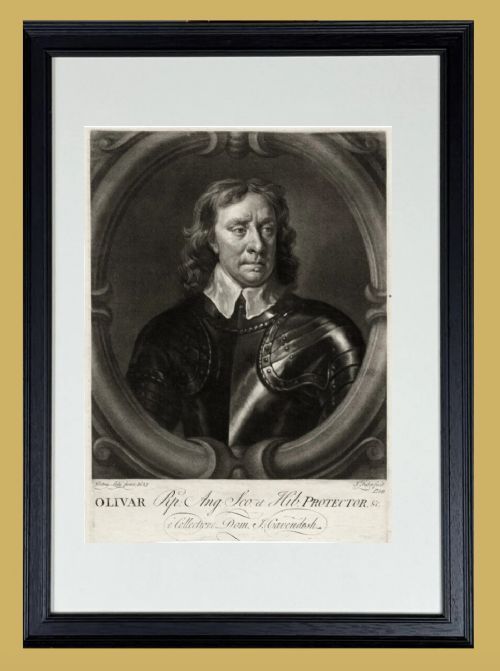
When you search for a monochrome mezzotint print, you find framed wall art depicting historical portraits from the eighteenth and nineteenth centuries. These works stem from Georgian and Baroque traditions, capturing notable figures and classical scenes.
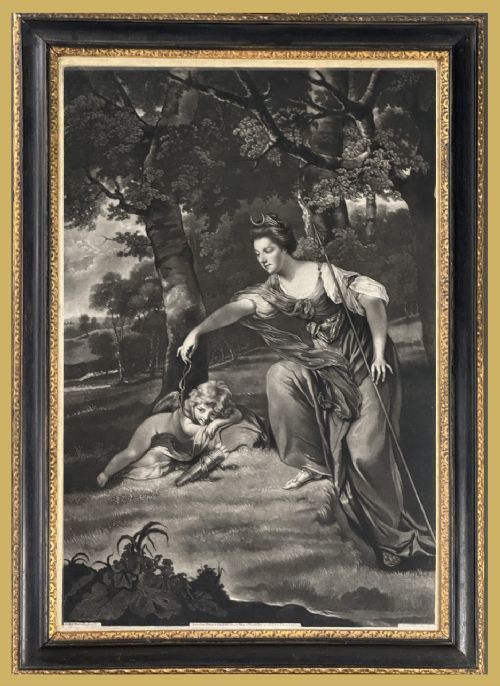
The pieces on this page are predominantly eighteenth century portrait prints framed in wood and glass, often enhanced with gold leaf and gilt details. They translate oil paintings into ink on paper using the tonal mezzotint technique.
How they were made
Maker marks and titles reveal that artists engraved images onto copper plates and printed them onto paper using dark ink. The resulting works are mounted in wooden frames behind glass.
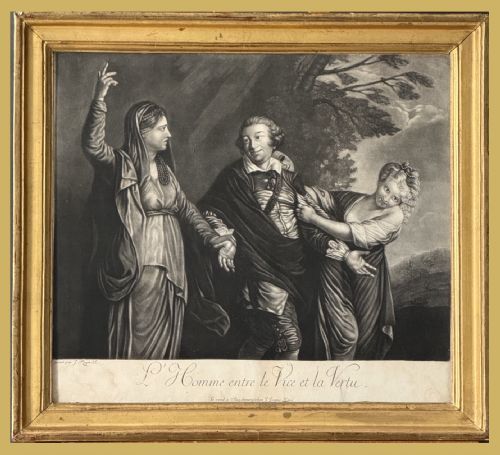
Framing often incorporates gold leaf and gilt finishes to complement the dark, velvety tones of the inked paper surface.
Retail Price Guide 2026
Typical UK retail prices for monochrome mezzotint print, calculated from the Sellingantiques database of over a million retail prices indexed since 2003. This retail price guide relies exclusively on Sellingantiques data; no external sources or auction records are used, so the figures do not describe the wider market.
Even Cupid needs disarming sometimes, as Elizabeth Dashwood and her son discovered on the copper plate.
What varies in quality
Distinctions in quality rest upon the skill of the original painter and the precision of the engraver who translated the oil painting into ink on paper. Finer prints capture subtle gradations of shadow and light.
The choice of framing materials, such as genuine gold leaf versus simple gilt, distinguishes finer presentations from standard ones.
The Monochrome Mezzotint Print Glossary
- Mezzotint
- A printmaking process where the copper plate is roughened to hold ink, producing rich tones and subtle gradations of light and dark. It allows for deep shadows without harsh lines.
- Baroque
- An artistic style from the seventeenth and eighteenth centuries characterised by drama, rich detail and grand scale. It influences the theatrical composition of these portraits.
- Georgian
- The period covering the reigns of the Hanoverian kings, noted for elegance in portraiture and framing. Pieces from this era reflect classical aesthetic standards.
- Gilt
- A thin layer of gold applied to wood or other surfaces to give a decorative metallic finish. It enhances the visual weight of the frame.
Frequently Asked Questions
What is a mezzotint print?
A mezzotint print is a form of engraving created by roughening a copper plate to produce deep shadows and soft tonal gradations.
This method allows artists to replicate the rich, painterly qualities of oil paintings on paper.
How should I hang these prints?
These framed paper works require placement away from direct sunlight to protect the ink and paper from fading over time.
Keeping them in stable indoor humidity preserves the wooden frames and the glass seal.
What periods do these pieces date from?
The available selection spans the eighteenth and nineteenth centuries, encompassing Georgian and Baroque styles.
Most items originate in the 18th Century, reflecting the height of British portrait engraving.
What materials make up the frames?
The frames combine wood construction with glass protection over the paper print.
Many examples feature gold leaf or gilt details to highlight the decorative border.