


Monochrome Framed Artwork
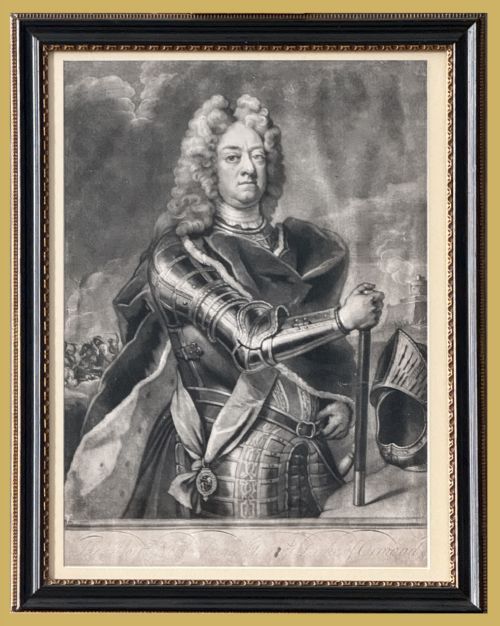
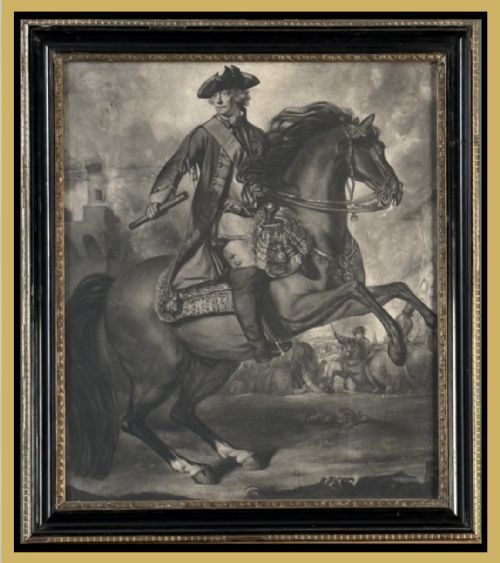
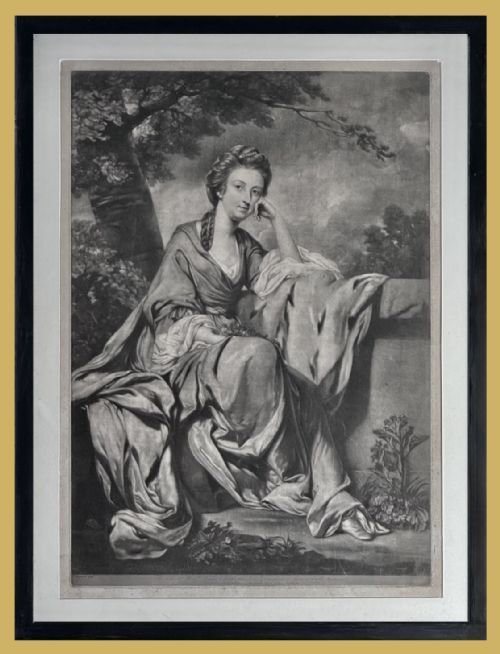
Monochrome framed artwork brings together historic prints, mezzotints and drawings enclosed in wood and glass, offering a direct window into past portraiture and scenes.
Monochrome Framed Artwork
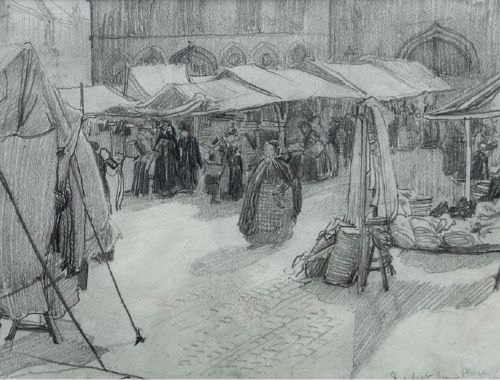
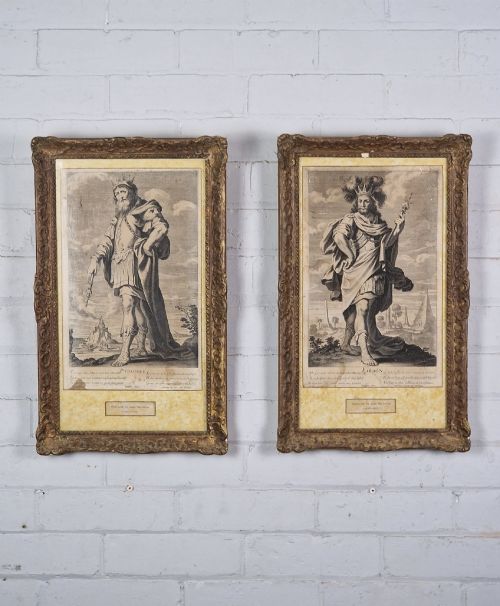
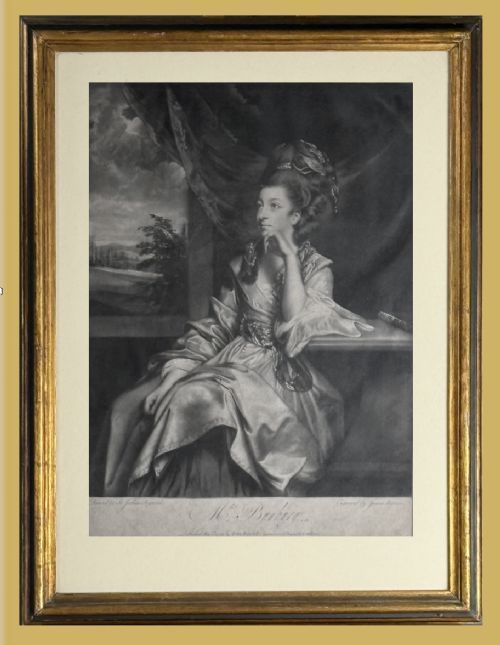
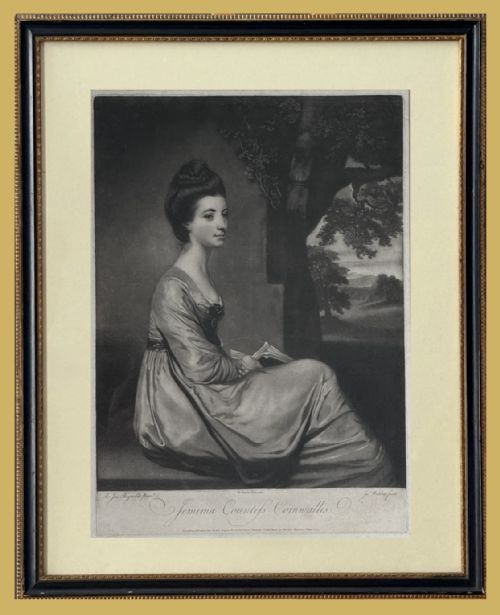
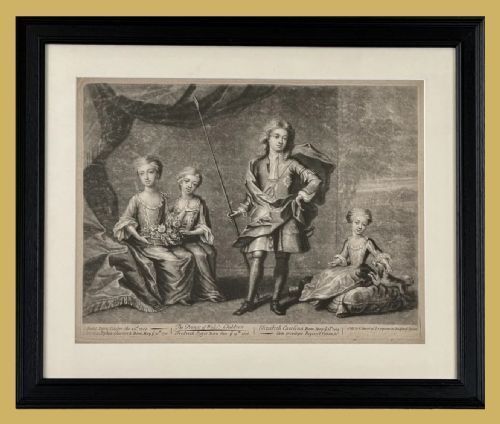
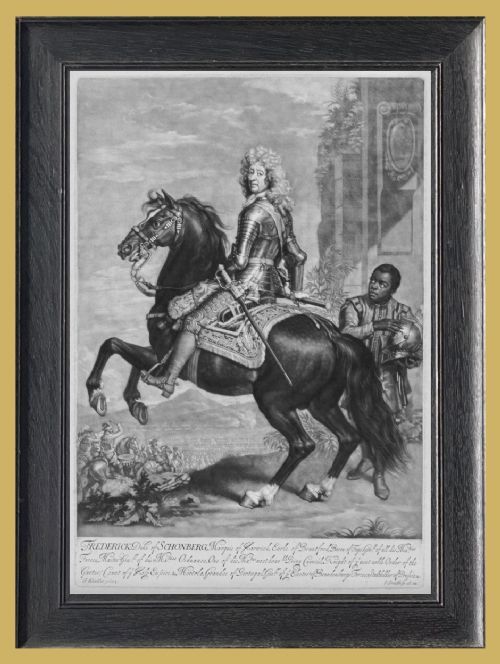
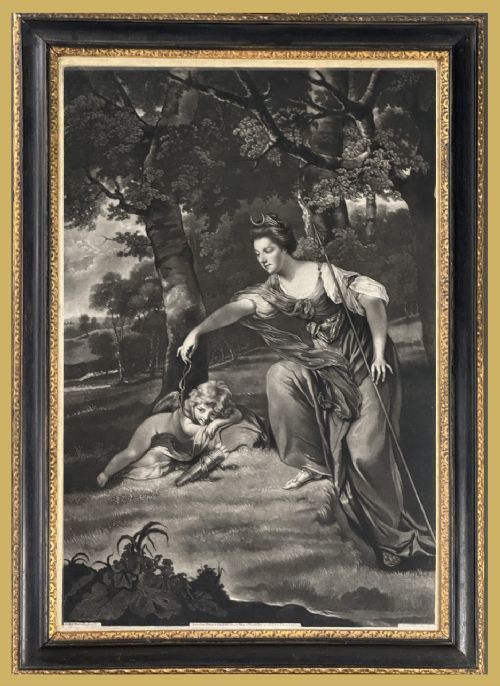
Monochrome framed artwork comprises prints, engravings, etchings and drawings executed in single-colour inks, graphite, charcoal or wash. Buyers seeking monochrome framed artwork will encounter a strong representation of eighteenth-century portrait mezzotints alongside nineteenth-century engravings and early twentieth-century pencil and ink drawings.
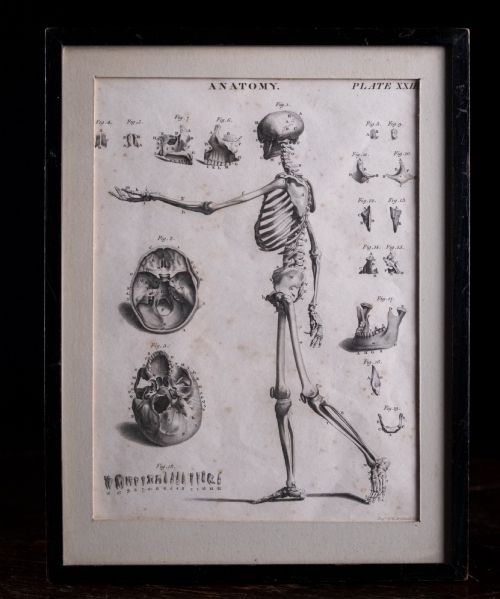
The format spans diverse subjects ranging from aristocratic portraits and allegorical scenes to topographical landscapes, architectural studies and anatomical illustrations. Pieces frequently arrive protected behind glass within period wood frames, including oak and gilt wood moulding.
How they were made
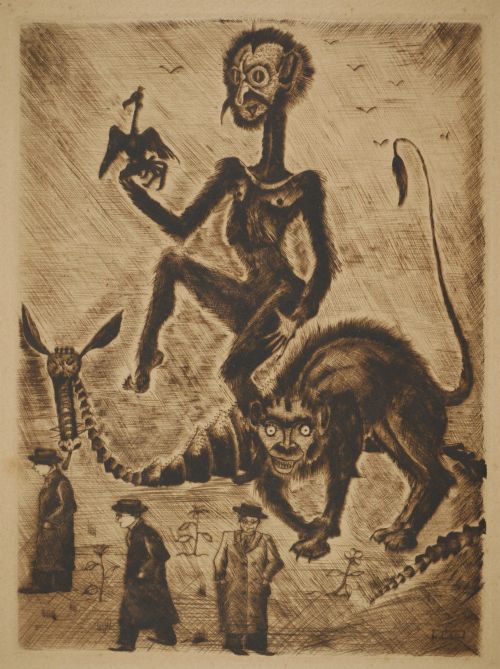
Makers utilised traditional graphic techniques such as mezzotint, copperplate engraving, etching and drypoint on paper support. Ink, graphite, charcoal and gouache provided the tonal range, while gold leaf and gilt appeared on select framing.
Framing employed timber joinery, notably oak and gilt wood, designed to protect the delicate paper works beneath glass covers.
Cats, leopards and weeping angels share wall space with stern Georgian governors and composers.
What varies in quality
Quality rests upon the crispness of the impression pulled from the plate and the subtlety of the ink or tonal gradation across the paper. Finer prints exhibit deep contrasts and clear details in hair, fabric and expression without muddy shadows.
The integrity and period compatibility of the wood frame and glass housing further separate standard decorative items from superior collectible examples.
John Simon·Edward Fisher·Kurt Lorein Victor Peiser·Jean Mariette·John Smith·James Watson·Thomas Watson·Kurt Meyer-Eberhardt·Herbert Dicksee·Fred Lawson·John Faber Jr·Robert Williams·Valentine Green·James Macardell·Jacobus Howbraken·James Ward·Henri Charles Angéniol
The Monochrome Framed Artwork Glossary
- Mezzotint
- A printmaking process where the copper plate is roughened to produce dark tones, then scraped and burnished to create highlights. It was widely used in the eighteenth century for velvety portraiture.
- Engraving
- A technique of cutting lines directly into a metal plate with a burin to hold ink for printing. It produces sharp, precise linear details.
- Etching
- A method where acid bites lines into a metal plate prepared with an acid-resistant ground. Artists draw freely through the ground to create fluid marks.
- Drypoint
- A printmaking method where a sharp needle is scratched directly into the metal plate, raising a burr that catches ink to give a soft, velvety line.
- Gilt Wood
- Wood that has been coated with a thin layer of gold leaf or metallic powder. It frequently enhances period frames.
Monochrome Framed Artwork: Frequently Asked Questions
What is a mezzotint?
A mezzotint is an intaglio printmaking process that achieves rich tonal variations and smooth gradients without relying on traditional line work. Master printmakers scraped and burnished copper plates to produce subtle shadows and highlights.
This technique gained immense popularity in the eighteenth century for translating oil paintings into monochrome prints. Collectors prize them for their atmospheric depth and tonal richness.
How should I hang these pieces?
These works on paper require careful placement away from direct sunlight to prevent the ink, graphite and charcoal from fading over time. Stable indoor humidity levels protect both the paper support and the wooden frames.
Secure wall fixings suited to the weight of the timber and glass ensure the frame hangs safely. Grouping pieces by period or subject creates a coherent display.
How do I date an engraving?
Dating relies on stylistic clues within the imagery, sitter costume, typography of the margins and publisher inscriptions. Paper characteristics and watermark analysis provide additional chronological markers.
Many prints record specific publication dates or birth and death years of the subjects portrayed. Comparing these details with known working periods of the engraver narrows the timeline.
Are original frames important?
Original or period-appropriate wood and gilt frames add historical context and aesthetic harmony to the artwork. They reflect the framing fashions of the century in which the piece was produced.
While frames may be replaced over centuries due to damage, surviving early frames enhance the overall integrity of the object. Inspecting the timber construction helps determine its age.