



19th Century Steel Engraving
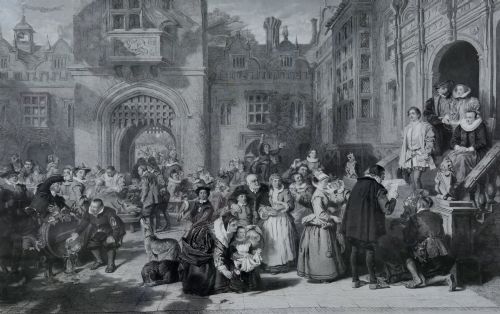
These 19th century steel engraving pieces comprise framed prints and portrait plates produced during the Victorian era.
19th Century Steel Engraving
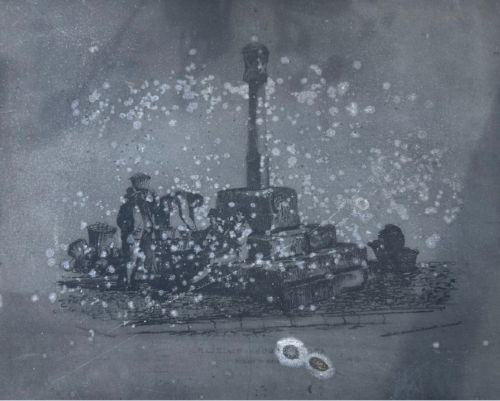
When you examine 19th century steel engraving items on this page, you encounter printed works on paper alongside related metal printing plates from the Victorian period. These objects capture the detailed illustrative techniques popular during the nineteenth century.
The selection leans toward framed art and portrait prints depicting historical figures, actors, and landscapes. Such pieces reflect the visual culture of the nineteenth century, utilising durable steel plates to produce sharp impressions.
How they were made
The production of these works relied on hard steel plates that allowed artisans to cut finer and more numerous lines than traditional copper plates. Paper sheets received the inked impressions under pressure, sometimes receiving subsequent hand colouring.
Metal printing plates themselves also appear among the objects, showing the physical substrate used in the printing process. Wood, brass, and glass frequently support the presentation of these framed paper works.
Materials appearing alongside paper include steel, brass, glass, and wood within frames.
What varies in quality
Quality in 19th century steel engraving items rests on the crispness of the lines and the preservation of the paper sheet. Impressions taken early in the life of a steel plate exhibit sharp detail, whereas later strikes can appear softened.
The skill of the individual engraver and the presence of original hand colouring further distinguish finer examples. Framing materials and overall condition determine the visual impact of each surviving piece.
T.A Prior·W. Roffe·F R Roffe·J. Brown·J.R. Thompson
The 19th Century Steel Engraving Glossary
- Steel engraving
- A printmaking technique utilising a steel plate that permits exceptionally fine detail and high volume production. This method superseded copper engraving in the nineteenth century.
- Plate mark
- The indentation left on the paper by the edges of the printing plate during the press run. This feature confirms the use of a traditional intaglio printing process.
- Hand coloured
- The application of watercolour or tint by hand to a printed image after the initial impression. This technique adds specific hues to monochrome engravings.
- Impression
- A single picture produced on paper from an inked printing plate. Early impressions display greater clarity than those made after extensive plate wear.
19th Century Steel Engraving: Frequently Asked Questions
What is a 19th century steel engraving?
A 19th century steel engraving is a printed image produced from a carved steel plate during the Victorian era. These prints are known for their fine detail and durability.
Printers used them extensively for book illustrations, portraits, and landscape art. Surviving examples are typically found mounted and framed behind glass.
How do I care for framed engravings?
Care for these paper items by keeping them away from direct sunlight and high humidity. Proper placement prevents the paper from yellowing and protects the ink.
Ensure that framing materials are acid-free to maintain the longevity of the print. Regular dusting of the glass frame is all that is typically required for maintenance.
Are these prints hand coloured?
Some 19th century steel engraving pieces feature hand applied watercolour tints over the printed lines. Artisans added these colours by hand to enhance the visual appeal of the monochrome image.
Close inspection under magnification reveals the delicate brushstrokes typical of contemporary hand colouring. Many other examples remain in their original black and white state.
How can I identify the subject?
Identification is usually possible through printed text beneath the image that names the sitter, scene, or artist. Titles often record the original painter, the engraver, and the publisher.
Researching the named individuals or locations helps date the print accurately within the nineteenth century. Reference works on Victorian printmakers provide further context for specific plates.