


Vintage Sporting Print
A vintage sporting print brings the movement and atmosphere of historic fields, tracks and rings straight to the wall.
Vintage Sporting Print
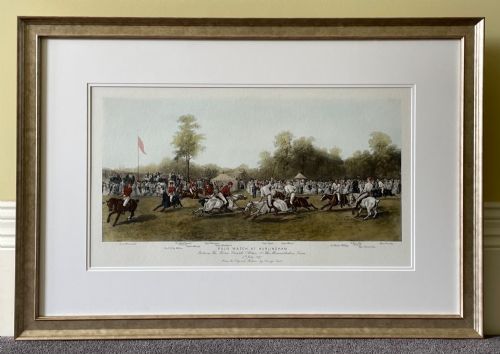
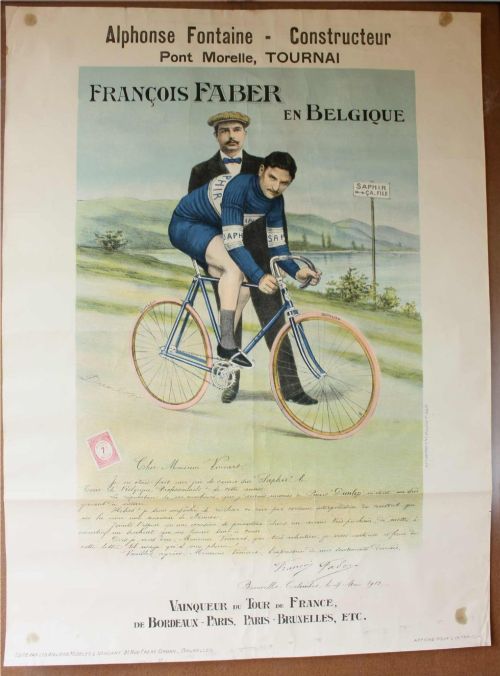
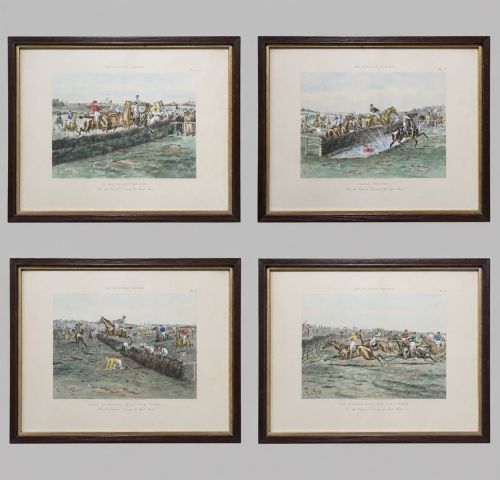
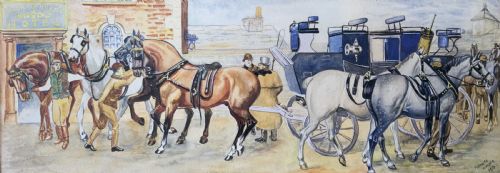
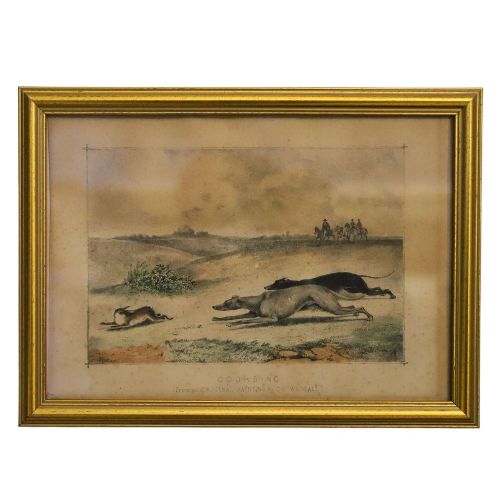
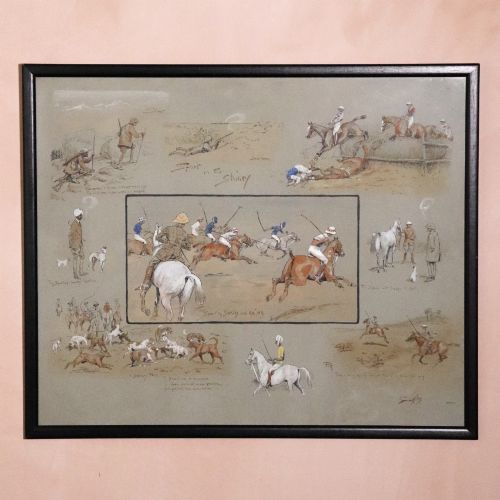
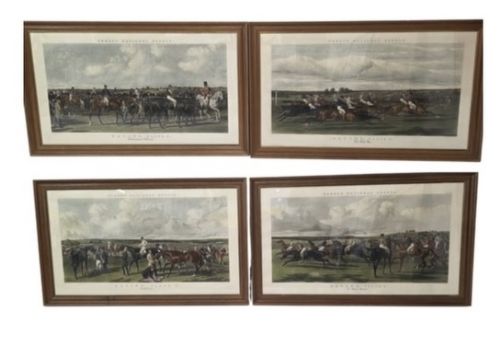
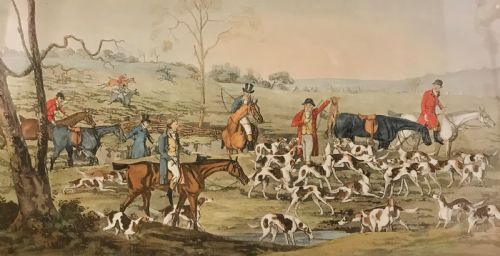
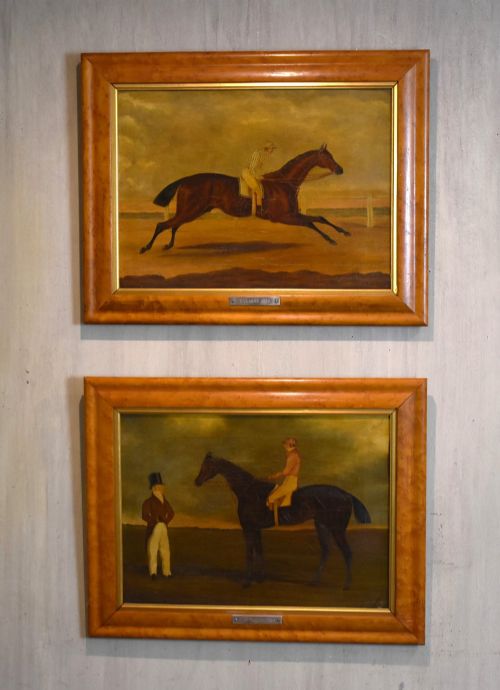
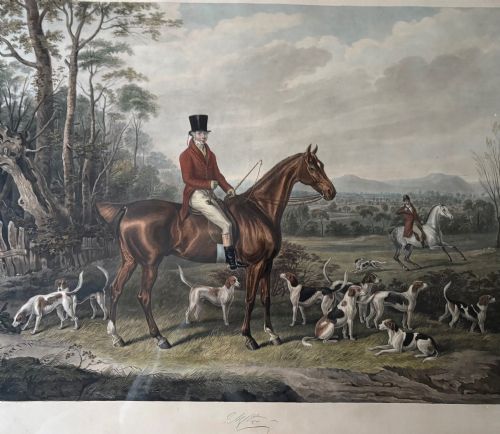
A vintage sporting print captures historic pursuits from horse racing and fox hunting to polo and cycling, reflecting British field sports and pastimes. Collectors encounter various forms here, ranging from 19th-century lithographs and aquatints to Edwardian etchings and mid-century posters.
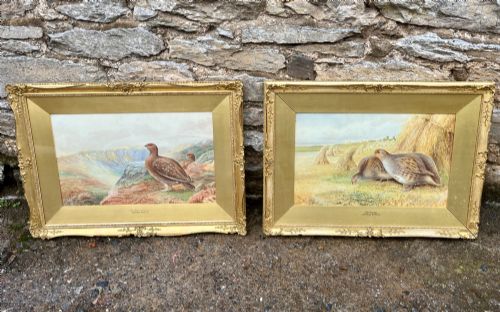
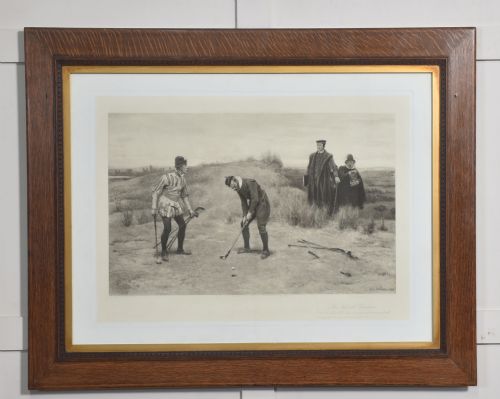
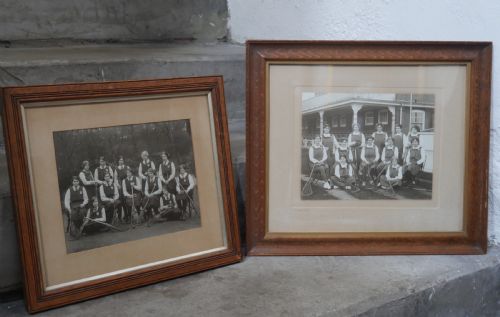
The selection spans Victorian depictions of hounds and horses alongside cycling and football subjects from the early 20th century. These works appear in original frames of oak, gilt wood or glass, preserving the character of period domestic interiors.
Materials and methods
Makers produced these works using traditional paper supports combined with ink, watercolour and hand-colouring techniques. Printmakers utilised engraving, lithography, chromolithography and aquatint processes to transfer detailed illustrations.
Framing materials such as oak, giltwood and glass protected the paper and pigment from environmental exposure. Many surviving examples retain their period mounts and wooden frames.
Listings feature paper, ink, watercolour, oak, and gilt wood across Victorian, Edwardian, and mid-20th century periods.
Assessing quality
Quality rests upon the crispness of the impression and the fidelity of the plate or stone. Early strikes or hand-coloured plates exhibit sharper detail and richer tonality than later impressions.
The distinction also lies in the hand of the artist or publisher, where recognised names and contemporary hand-colouring elevate the visual impact and historical significance of the piece.
George Finch Mason·Samuel Rabin·C. H. Weigall·George Rankin·J. C. Dollman·Snaffles·Aiken·John Frederick Herring Snr·Anne Goldthwaite·Herbert Dicksee·Abraham Cooper·Alfred Wheeler·James Dobie·W. Dendy Sadler
The Vintage Sporting Print Glossary
- Aquatint
- An intaglio printmaking technique that produces tonal areas resembling watercolour washes. Artists used this method extensively to render atmospheric sporting scenes.
- Chromolithography
- A planographic colour printing process using multiple stones or plates, one for each colour. This technique created vibrant multi-coloured posters and prints.
- Lithography
- A printing method based on the mutual repulsion of oil and water, executed on limestone or metal plates. It allowed artists to draw directly onto the surface.
- Engraving
- A method of cutting design lines into a metal plate with a burin to hold ink for printing. Impressions made this way display precise, clean lines.
- Eglomise
- A technique where artists apply gilding and painting to the rear face of glass. This process yields a reflective and lustrous decorative border or panel.
Vintage Sporting Print: Frequently Asked Questions
What periods do these prints cover?
The pieces span from the Georgian era through the Victorian period, Edwardian years, and into the mid-20th century. Each era brought distinct printing technologies and aesthetic styles to sporting art.
Nineteenth-century works lean towards hand-coloured aquatints and lithographs of hunting and racing, while later decades introduce posters and etchings.
How should I frame and display them?
Many examples arrive in period oak or giltwood frames that suit their age and character. Protecting them from direct sunlight prevents the paper and pigments from fading.
Keeping them behind glass safeguards the delicate ink and watercolour surfaces from atmospheric moisture and dust.
Are these works original period pieces?
The selection includes original prints, etchings, lithographs and watercolours created during the periods stated in the listings. Artists and publishers produced these items to record contemporary sports and pastimes.
Publishers released many as series or individual plates intended for framing and domestic display.
How do I identify different print techniques?
Aquatints and engravings show indented plate marks around the image where the printing press applied heavy pressure to the paper. Lithographs and modern posters present flat surfaces without plate impressions.
Examining the surface with a magnifying glass reveals the fine dot patterns of later printing or the continuous ink lines of hand-pulled impressions.