



Georgian Equestrian Artwork
Georgian equestrian artwork captures the enduring bond between humans and horses through oil paintings, engravings and drawings from the eighteenth and nineteenth centuries.
Georgian Equestrian Artwork
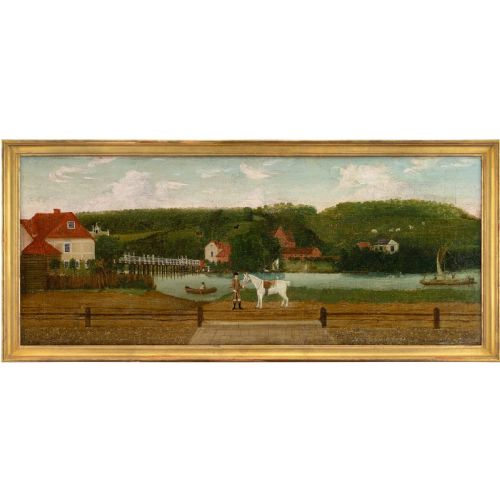
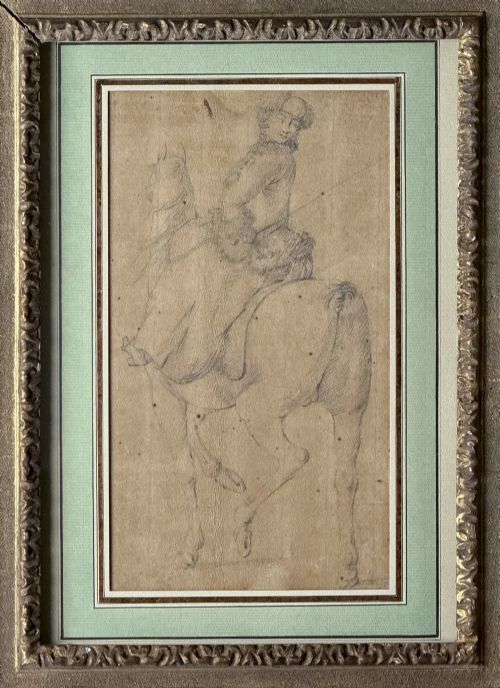
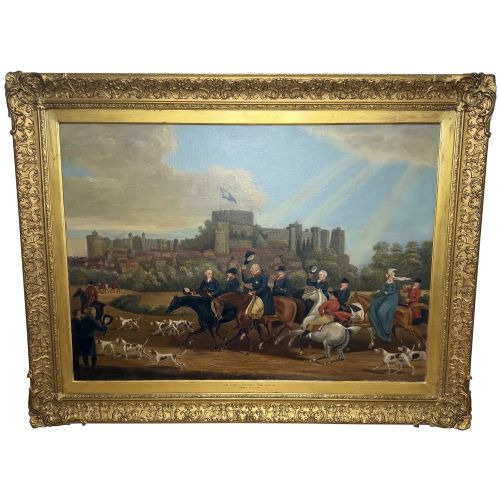
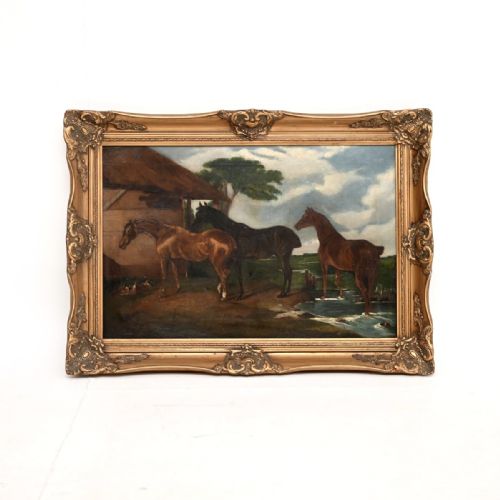
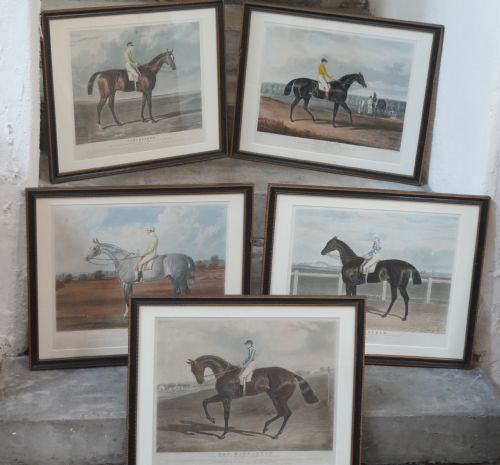
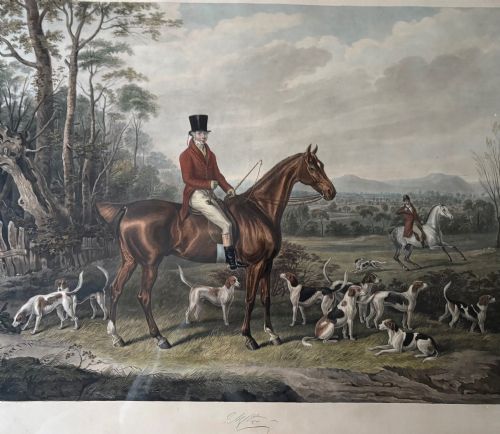
Georgian equestrian artwork encompasses paintings, drawings and prints produced during the Georgian and Regency eras, recording the central role of horses in rural and social life. A buyer exploring this genre will encounter oil paintings on canvas and wood panel, alongside hand-coloured engravings depicting hunts, coaching scenes and individual portraits of horses.
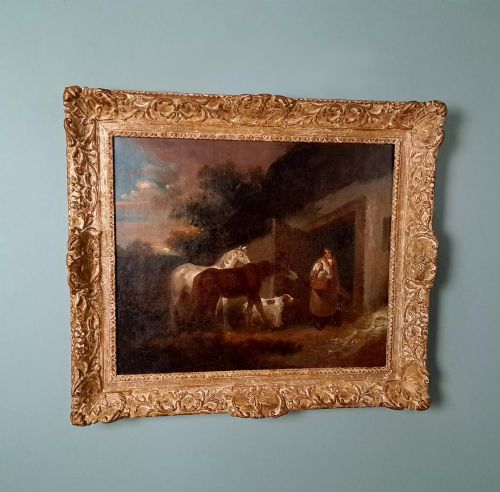
The material on this page leans heavily towards oil paintings and works on paper, ranging from detailed depictions of thoroughbreds in landscapes to lively coaching scenes outside inns. These pieces reflect the tastes of landowners and sportsmen who commissioned portraits of prized hunters, racehorses and working animals.
How they were made
Artists utilised oil paint on canvas, wood panel and pine panel, building up rich layers of pigment to capture the musculature of horses and the textures of rural landscapes. Drawings and prints on paper employed ink and watercolour, often enhanced with hand-colouring to bring vibrancy to sporting prints and engravings.
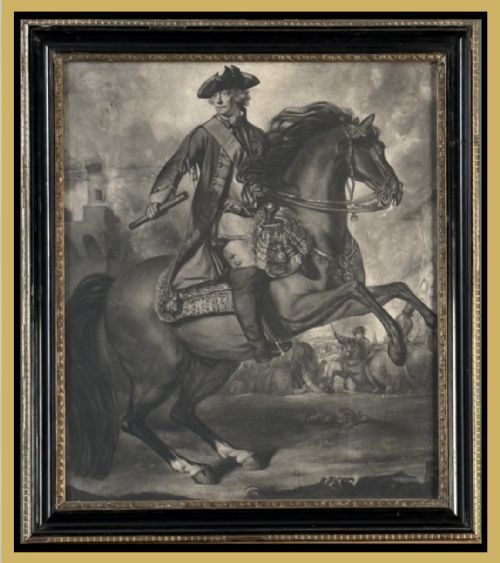
Framed prints and mezzotints utilised engraved metal plates to reproduce original compositions for a wider audience, sometimes finished with gold leaf on the accompanying frames.
One coaching scene records a mail coach quite literally stuck in a snow drift.
What varies in quality
Quality in these works rests primarily upon the artist's anatomical accuracy and understanding of equine movement, which separates competent records from masterly portraits. The handling of the surrounding landscape and the integration of the horse into its environment further distinguish exceptional pieces from routine studio output.
The preservation of the original surface, whether oil on canvas or delicate ink and watercolour on paper, dictates the visual impact of the piece today. Finer works retain their original clarity of line and depth of pigment without heavy overpainting.
William Joseph Shayer Senior·George Morland·William Williams·John Augustus Atkinson·Clifton Tomson·Abraham Cooper·Samuel Henry Alken·Johan Noah Bemmel·John Vine·Sam Howitt·John Charles Maggs·James Pollard
The Georgian Equestrian Artwork Glossary
- Mezzotint
- A printmaking process of the drypoint method, allowing smooth gradations of tone and rich dark areas. This technique was frequently utilised for reproducing portraits of notable figures and horses.
- Aquatint
- A intaglio print watercolour-like effect print technique, often used in sporting prints to produce tonal areas resembling washes of ink or paint. It appears widely in published sets of hunting and coaching scenes.
- Pinxit
- Latin for he or she painted it, traditionally inscribed on canvas margins or frames alongside the artist's name. It denotes the primary hand behind an oil painting.
- Signet ring
- A finger ring bearing a carved or raised seal, historically used for stamping wax to authenticate documents. They occasionally appear alongside paper ephemera in collections related to historical figures.
Georgian Equestrian Artwork: Frequently Asked Questions
What subjects appear in Georgian equestrian artwork?
These works primarily feature portraits of individual racehorses, hunters and stable interiors, alongside dynamic hunting parties and coaching scenes on rural roads. Artists recorded both the working animals of mail coaches and the prized possessions of the landed gentry.
Landscapes with sportsmen and their dogs also frequently accompany the central equine subjects, placing the animals within the context of contemporary country pursuits.
How do I distinguish an original oil painting from a print?
Original oil paintings display visible brushwork and texture upon canvas or wood panel, where the pigment sits proud of the surface. Prints and engravings present a flat, uniform surface under magnification, often showing the indented plate mark around the printed image.
Examining the work under a strong glass will readily reveal the distinct dot patterns or ink lines of engravings compared to the intermingled brushstrokes of paint.
Where were these artworks displayed historically?
Owners typically hung these paintings in country house dining rooms, libraries and halls to celebrate their sporting achievements, prize livestock and estate landscapes. Smaller engravings and drawings were often kept in portfolios or framed for intimate studies in private studies.
Public houses and coaching inns also displayed coaching scenes and sporting prints to entertain travellers and patrons gathered around the hearth.
How should I care for antique works on paper?
Works on paper require protection from direct sunlight and high humidity to prevent fading of the delicate watercolours and hand-colouring. Framing should utilise acid-free mounts and UV-filtering glass to safeguard the paper from chemical degradation over time.
Keeping the pieces in stable indoor environments away from direct heat sources ensures the ink and paper remain stable for decades to come.