


Vintage Needlework Art
Vintage needlework art brings together centuries of hand-stitched silk, wool, and cotton pictures that transform plain walls into records of domestic skill.
Vintage Needlework Art
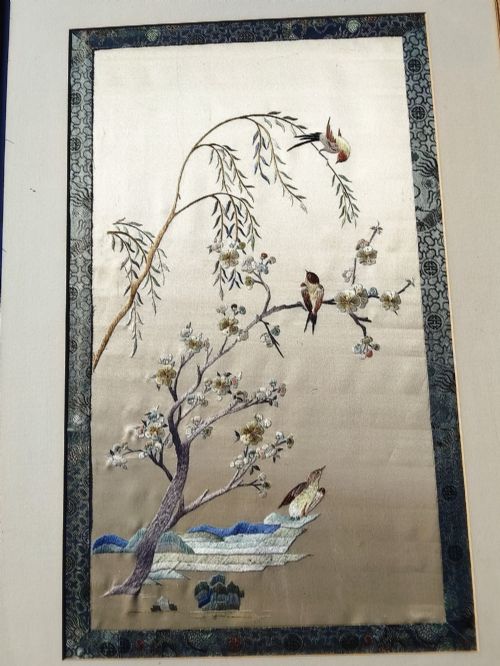
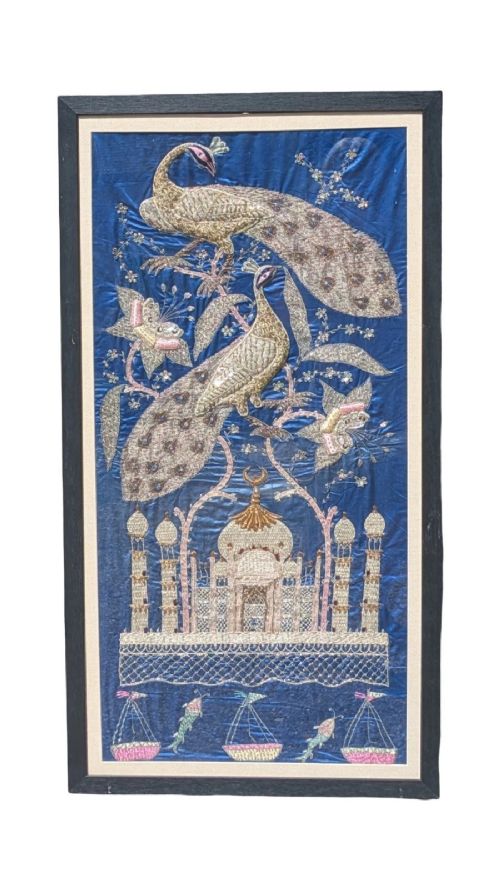
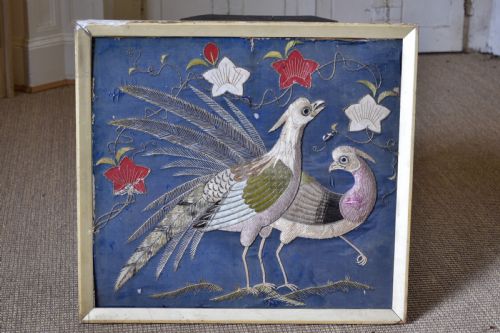
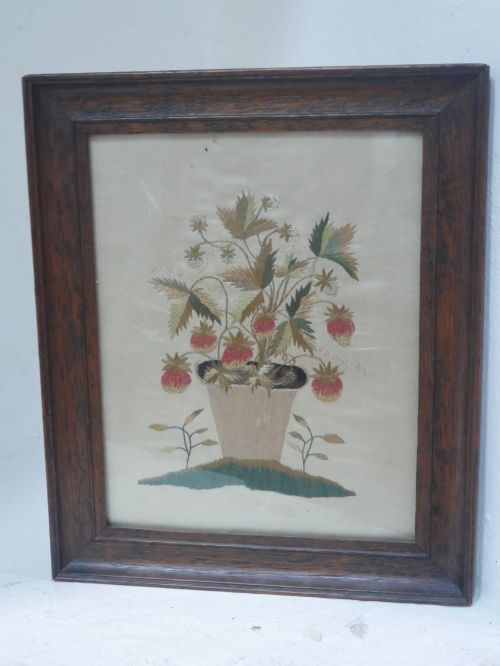
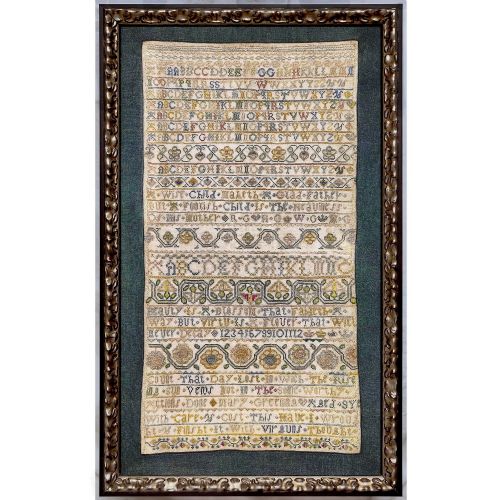
Makers ranged from young girls recording alphabet alphabets and numerals on linen samplers to skilled artisans crafting intricate silk depictions of birds, landscapes, and tribal motifs. Common formats include domestic needlework pictures, crewelwork panels, map samplers, and woolies worked by sailors.
Geographic origins stretch from English country houses to Greek islands, Persian workshops, and Uzbek nomadic communities. Buyers encounter everything from small framed botanical studies to large wall hangings employing diverse regional stitches.
How they were made
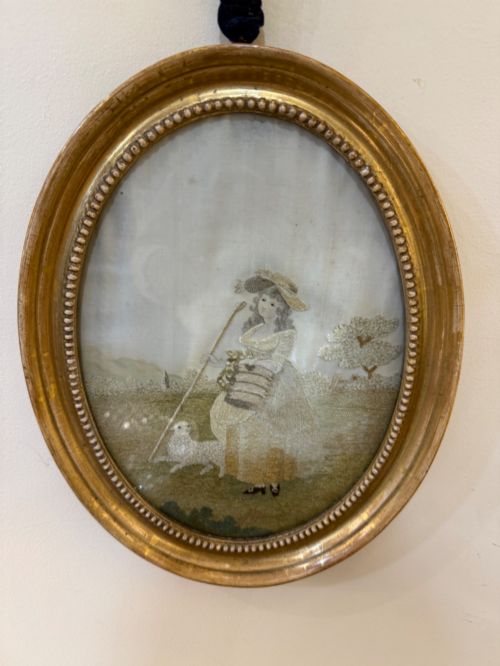
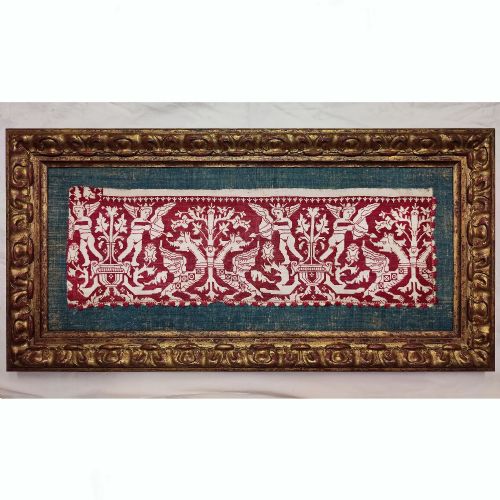
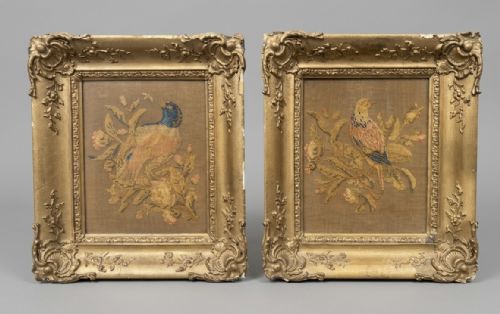
Makers utilised natural grounds such as linen, canvas, cotton, and silk, stitching designs with dyed wool, silk thread, and occasionally felt appliqué or glass beads. Many panels incorporate gilt frames that complement the textile work inside.
Techniques range from counted-thread embroidery on samplers to freehand crewelwork, gros-point tapestries, and reverse glass painting integrated with textile elements. Stitchers worked by hand using specialised needles to build texture and tonal shading.
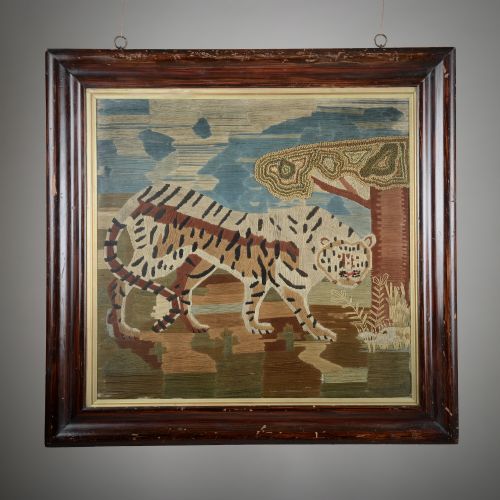
Needlework dogs and tigers stare out from nineteenth-century frames with expressions of absolute bewilderment.
What varies in quality
Execution and precision of the stitchwork distinguish finer examples, where complex shading, tight tension, and balanced composition elevate a piece beyond a simple exercise. The clarity of the original design, whether depicting a tiger, a landscape, or a tribal motif, relies entirely on the maker's mastery of the needle.
The survival of the textile ground determines much of the overall standard, as fragile silk and linen can suffer from light exposure or fibre degradation over centuries. Retaining original mounting, matching gilt frames, and vibrant un-faded thread colours elevates the desirability of any piece.
The Vintage Needlework Art Glossary
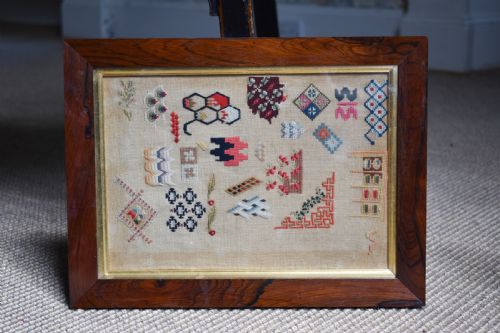
- Sampler
- A piece of needlework produced as a demonstration or test of skill in various stitches, frequently featuring alphabets, numbers, and pious verses.
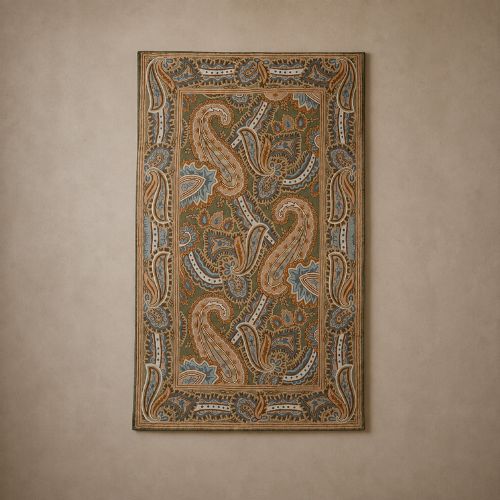
- Crewelwork
- Embroidery executed with wool yarn on a heavy linen or cotton twill fabric, commonly seen in swirling floral and fauna designs.
- Gros-point
- A type of needlepoint embroidery worked in a coarse cross stitch over canvas, often utilised for robust pictorial tapestries.
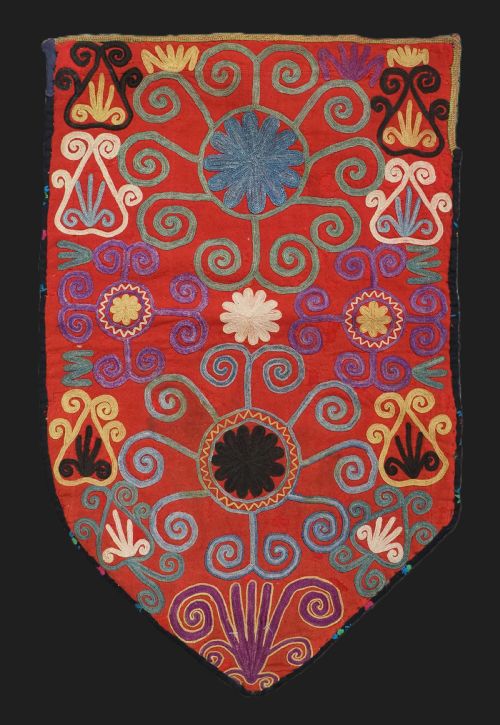
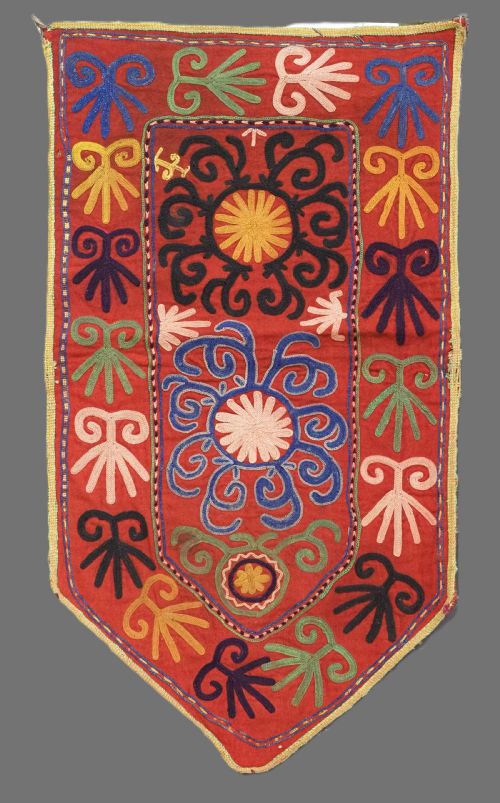
- Suzani
- A type of embroidered tribal textile made in Tajikistan, Uzbekistan, and other Central Asian nations, usually featuring large floral discs in silk.
- Woolie
- A pictorial embroidery created by nineteenth-century sailors, typically depicting naval ships using stranded wool yarns.
Vintage Needlework Art: Frequently Asked Questions
How do I date an old sampler?
Samplers frequently include embroidered dates, signatures, and the age of the maker, which provides a direct indicator of origin. Lettering styles, framing methods, and the type of linen ground also help determine whether a piece belongs to the seventeenth, eighteenth, or nineteenth century.
Material analysis of the threads and backing fabric offers further clues. Silk threads and specific natural dyes correspond closely to particular stylistic periods.
Where should I hang textile art?
Needlework pictures and samplers require placement away from direct sunlight to prevent the silk and wool threads from fading. Interior walls with stable humidity protect the fragile fabric grounds from environmental stress.
Glazed frames help shield antique textiles from dust and household pollutants. Ensuring proper clearance from heat sources preserves the structural integrity of the canvas and wood.
How are antique textiles cleaned?
Surface dust should be removed very gently with a soft brush, avoiding any aggressive rubbing or washing. Professional textile conservators should handle major cleaning or stabilization to prevent permanent damage to aged fibres.
Water can ruin certain historic dyes and warp wooden backing boards. Specialist advice ensures that fragile stitches remain secure within their frames.
What is the difference between a sampler and a picture?
Samplers primarily record alphabets, numerals, and decorative motifs as exercises in stitch proficiency, often signed by young makers. Needlework pictures depict complete pictorial scenes, such as landscapes, portraits, or animals, intended solely for decorative display.
While samplers focus on formal arrangement and typography, pictures aim for artistic representation using wool or silk threads.