
Vintage Fairy Tale Art
Vintage fairy tale art brings narrative charm to walls through Edwardian prints and illustrations rendered on paper and card.
Vintage Fairy Tale Art
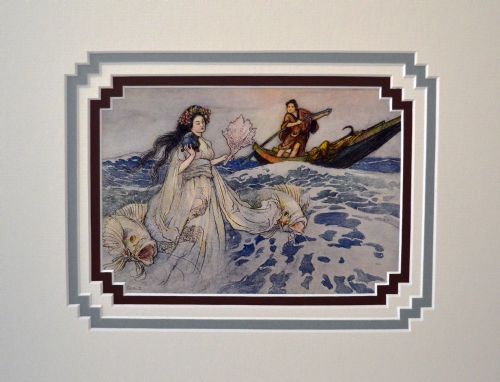
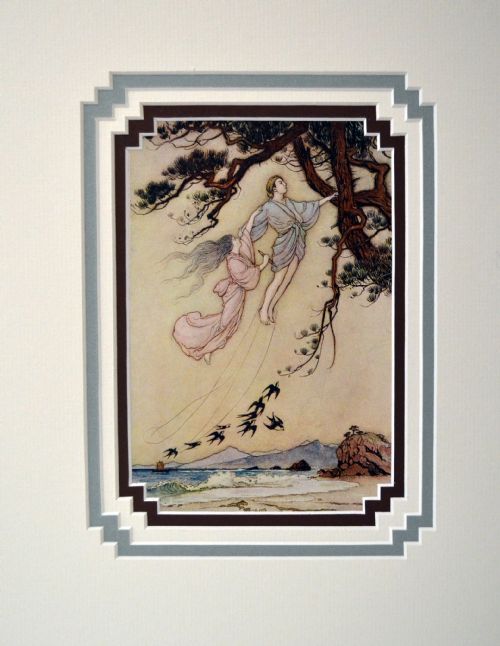
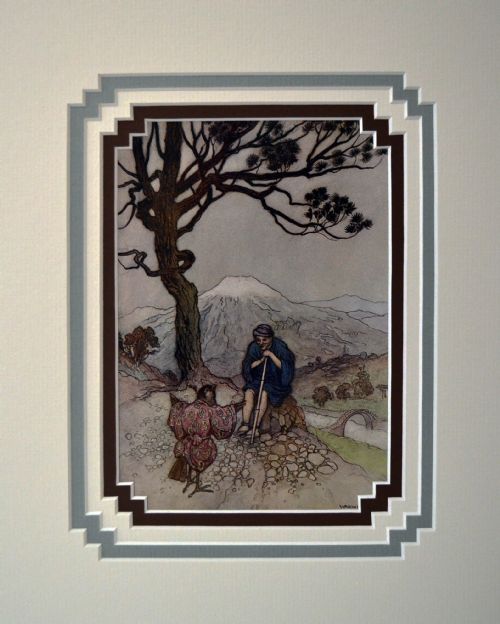
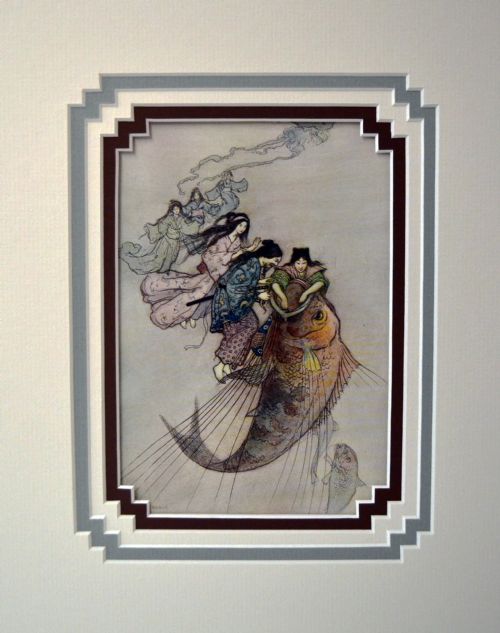
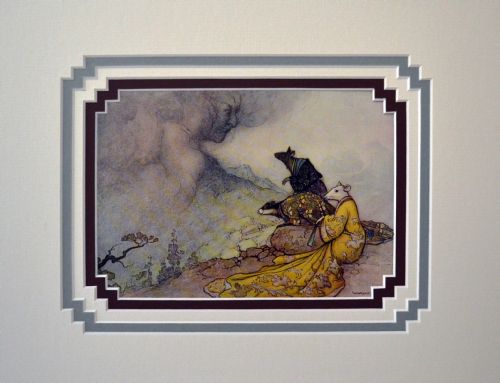
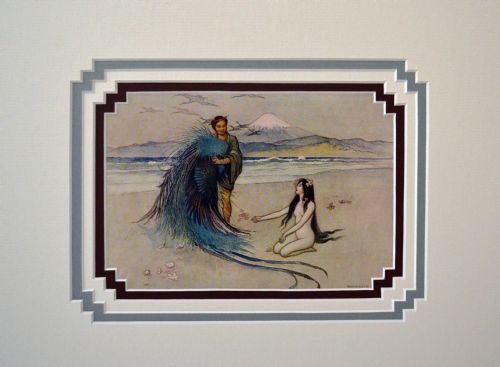
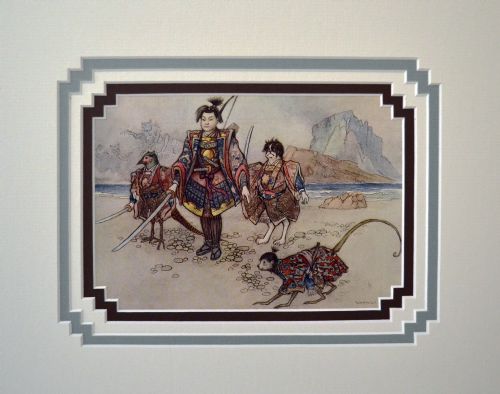
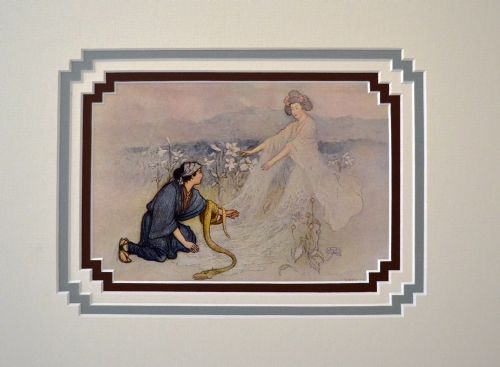
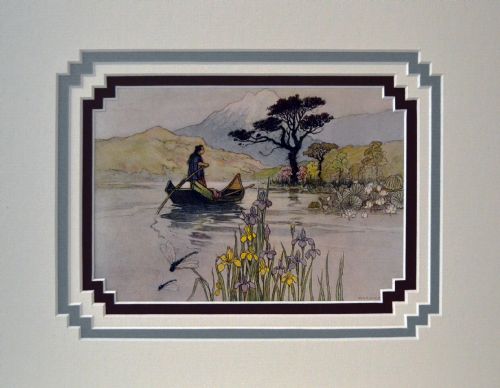
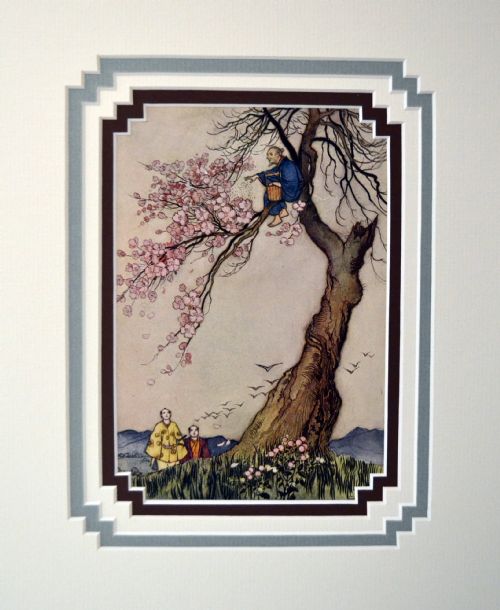
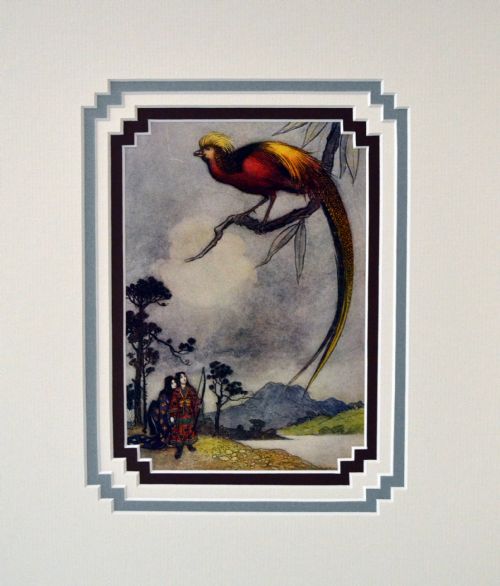
Vintage fairy tale art captures illustrated stories from the Edwardian era, spanning the decades around nineteen ten and nineteen twenty. These pieces take the form of antique prints, framed prints, and graphic art framed behind glass with mountboard.
The version most commonly met on this page is the first edition print, notably works depicting Japanese fairy tales alongside gothic silhouettes. They combine folk art traditions with the distinctive aesthetic of the Golden Age illustration movement.
Collectors encounter works associated with Edwardian Art Nouveau and Japonisme styles. Each piece offers a window into early twentieth-century publishing and narrative illustration.
How vintage fairy tale art was produced
These works rely on ink applied to paper and card, often presented within wood frames and secured with mount board. The printing techniques of the period produced sharp details suitable for framing.
Mountboard and cardboard provide structural support for the delicate paper sheets. Protective glass layers complete the framing, preserving the ink illustrations from environmental damage.
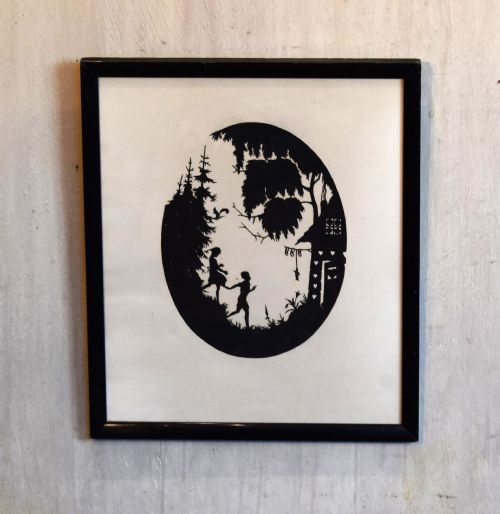
Gothic silhouettes from nineteen twenty bring dramatic shadow play to fairy tales, proving that Hansel and Gretel need very little colour to cast a long spell.
Distinctions in quality
Quality depends upon the preservation of the paper and the clarity of the ink lines. First edition impressions retain sharper contrasts than later copies.
The standard of the original framing, including the quality of the wood and the condition of the mount board, influences the overall integrity of the piece.
Warwick Goble
The Vintage Fairy Tale Art Glossary
- First edition
- The earliest published appearance of a printed work. These prints carry greater significance for collectors seeking original publication context.
- Golden Age illustration
- A period of unparalleled excellence in book illustration lasting from the late nineteenth century until the mid-twentieth century. Works from this movement emphasise narrative detail and intricate decorative framing.
- Japonisme
- The influence of Japanese art on Western aesthetics during the late nineteenth and early twentieth centuries. This style appears in compositional layouts and subject matter.
- Mountboard
- Heavy cardboard used in framing to provide a border between the artwork and the glass. It prevents the paper from touching the glazing directly.
- Silhouette
- An outline of a subject filled in with a solid colour, typically black. This technique creates high-contrast narrative imagery such as gothic fairy tale scenes.
Vintage Fairy Tale Art: Frequently Asked Questions
What is vintage fairy tale art?
Vintage fairy tale art comprises illustrated narrative prints produced during the early twentieth century. These works capture traditional stories through Edwardian and folk art aesthetics.
They appear as framed prints utilising paper, ink, and card materials. The selections reflect the illustration styles popular around nineteen ten and nineteen twenty.
How were these prints originally published?
Publishers issued these illustrations as plates within special editions of fairy tale books. Artists created detailed watercolours or ink drawings that were then reproduced for readers.
Many of these surviving plates were later removed from their original volumes and framed independently for display on walls.
How do I care for framed paper prints?
Protect paper and ink illustrations by keeping them away from direct sunlight and high moisture. Framing behind glass helps shield the delicate card and paper from dust and atmospheric pollutants.
Maintaining stable indoor temperatures prevents the mountboard and wood frames from warping over time.
What defines Edwardian illustration style?
Edwardian illustration combines detailed narrative draughtsmanship with influences from Art Nouveau and Japonisme. Artists of this era focused on decorative borders and expressive character work.
The style bridges Victorian ornate traditions with early modern graphic design approaches.