
Antique Book Illustration Mounted
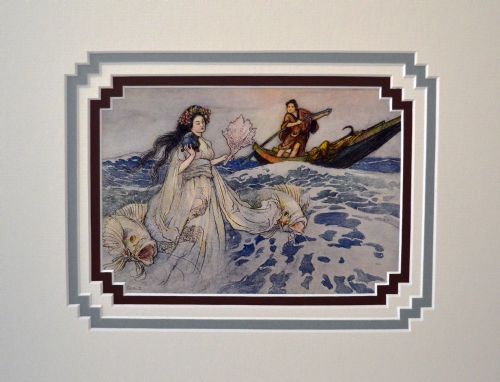
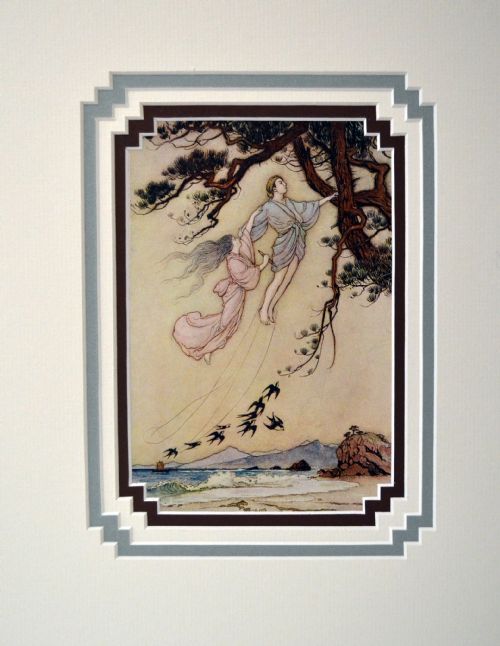
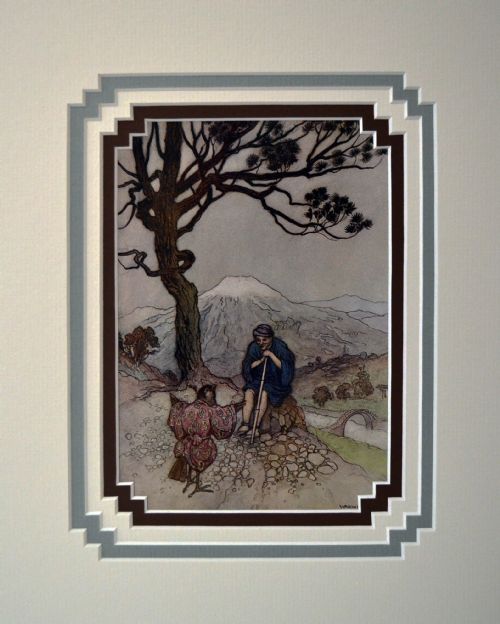
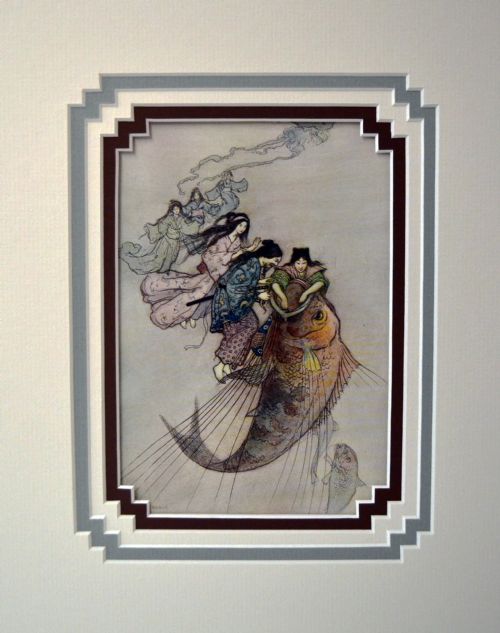
Antique book illustration mounted pieces offer charm for any room, bringing Edwardian artistry straight from the pages of first editions onto the wall.
Antique Book Illustration Mounted
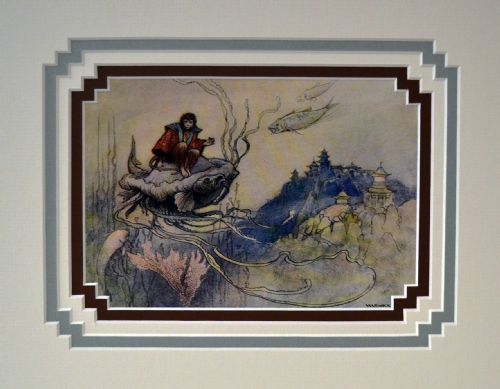
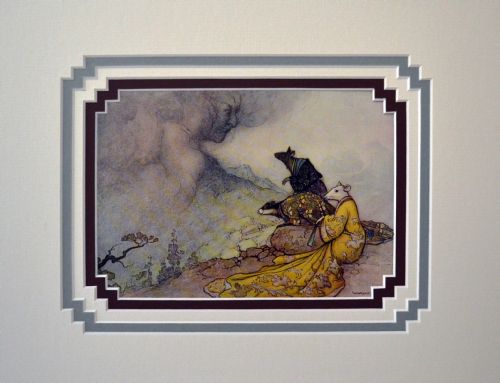
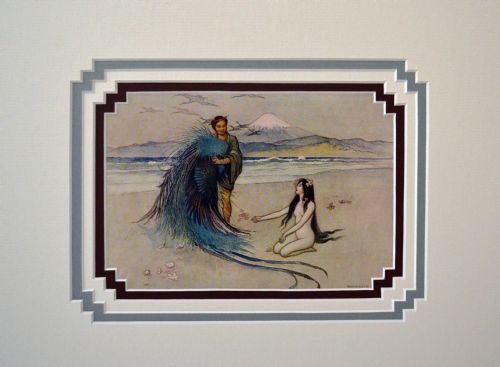
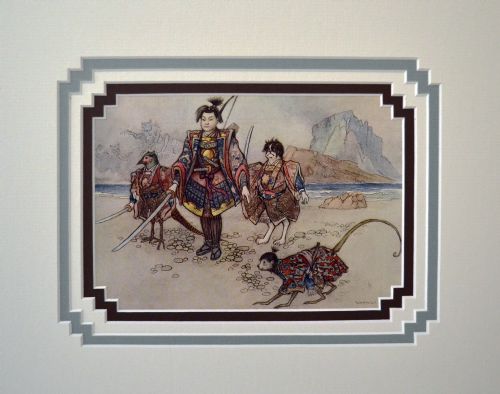
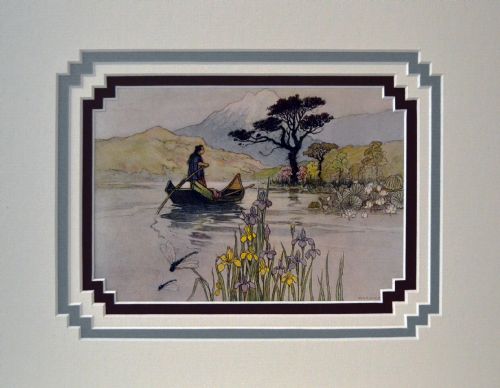
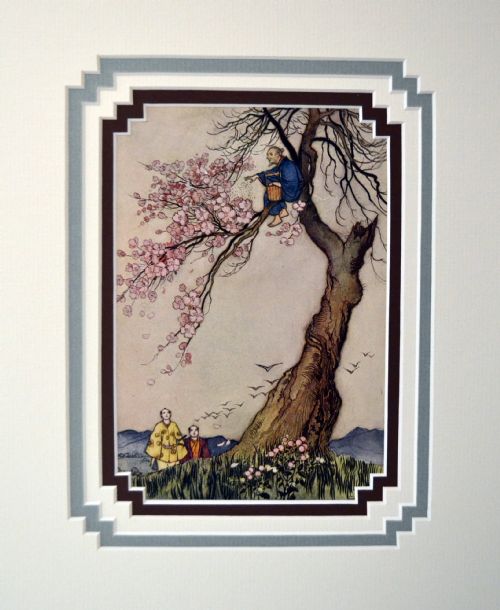
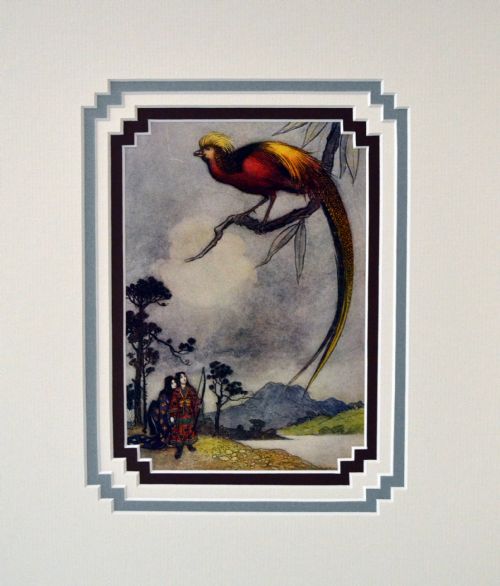
When you search for antique book illustration mounted, you are looking at framed prints and graphic art drawn from early twentieth-century volumes. These works belong firmly to the Edwardian period, capturing the distinct aesthetic of Golden Age illustration and Edwardian Art Nouveau. The specific examples you will most commonly encounter here originate from first edition prints published around nineteen-ten.
These items present stories and fairy tales through delicate imagery, bridging the gap between traditional book production and wall decor. The prints are carefully extracted from bound volumes and prepared for display using modern or period framing techniques. Each piece reflects the whimsical or folkloric themes popular during the reign of King Edward the Seventh, making them distinct additions to a domestic interior.
How they were made
The physical objects rely on a combination of traditional print processes and framing materials such as paper, ink, card, and cardboard. Printers used ink upon paper to capture fine line work and tonal washes, ensuring the original illustrations retained their characteristic depth. These printed sheets were subsequently set against mountboard or mount board to protect the edges and provide structural rigidity for display.
Framed examples integrate glass and wood to complete the presentation and safeguard the delicate paper surfaces from atmospheric moisture. The framing process turns a loose book plate into a durable wall hanging while preserving the integrity of the original Edwardian artefact. Every material involved serves to support the longevity of the vintage paper without altering the underlying artwork.
What varies in quality
The standard of an antique book illustration mounted piece depends heavily upon the preservation of the ink and paper. Crisp definition in the lines and vibrant retention of the original tones separate superior examples from faded or discoloured specimens. Handling over the decades leaves distinct traces, so the cleanliness of the unprinted margins plays a significant part in the overall visual appeal.
The quality of the surrounding mount board and framing materials also dictates the execution of the final piece. A well-chosen card mount complements the proportions of the illustration, whereas poor alignment or acidic backing materials can compromise the paper over time. Collectors look for harmony between the Edwardian print and its presentation.
Warwick Goble
The Antique Book Illustration Mounted Glossary
- Edwardian
- Pertaining to the period from nineteen hundred to nineteen hundred and ten, characterised by a distinct shift in artistic styles following the Victorian era. This era produced lighter, more illustrative designs for books and periodicals.
- Mountboard
- A heavy paper-based board used to frame and support works on paper, creating a protective border between the artwork and the glass. It prevents the print surface from sticking to the glazing.
- First edition
- The initial commercial production of a book, representing the earliest impressions taken from the original printing plates. Prints sourced from these runs typically display the sharpest detail.
- Golden Age illustration
- A period of unparalleled excellence in book illustration lasting from the late nineteenth century until the start of the First World War. Artists during this time utilised advanced reproduction techniques to showcase intricate colour and pen work.
Antique Book Illustration Mounted: Frequently Asked Questions
What is an antique book illustration mounted?
An antique book illustration mounted is a vintage print removed from an early twentieth-century volume and set into a protective card border for display. These pieces transform narrative artwork from bound books into standalone wall decorations.
Most examples date from the Edwardian era and reflect the illustrative styles of that period. They allow collectors to enjoy scarce artistic works without keeping them hidden inside closed bindings.
How should I hang these framed prints?
These framed works require placement away from direct sunlight to prevent the ink and paper from fading over time. Maintaining a stable indoor environment protects both the wooden frames and the internal mountboard.
Standard picture hooks suited to the weight of the wood and glass combination provide secure support. Grouping several pieces together creates a cohesive gallery wall celebrating early twentieth-century illustration.
How do I identify Edwardian book illustrations?
Edwardian book illustrations are typically dated around nineteen ten and display distinct aesthetic traits of the period, including Art Nouveau influences. The typography, printing techniques, and paper stocks characteristic of this decade help confirm their age.
Familiarity with prominent illustrators of the era provides further context for specific imagery and themes. Examining the paper texture and ink application reveals the methods used in early twentieth-century publishing.
Were these prints made for framing originally?
These illustrations were originally bound within published books rather than produced as independent wall art. Publishers included them to accompany stories and fairy tales within the volume.
Extracting and mounting them became a popular way to preserve and exhibit individual plates. This practice repurposes book pages into decorative objects suitable for domestic display.