
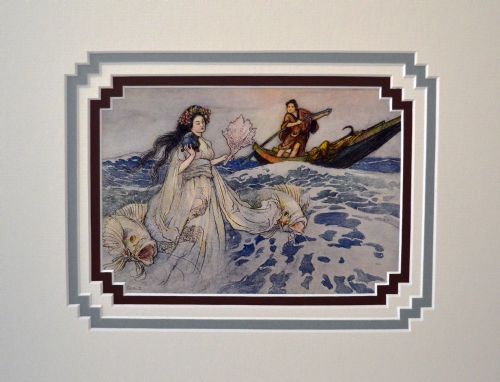
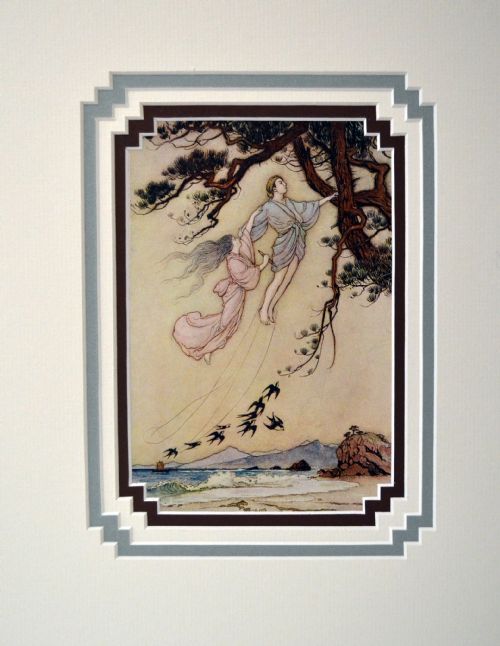
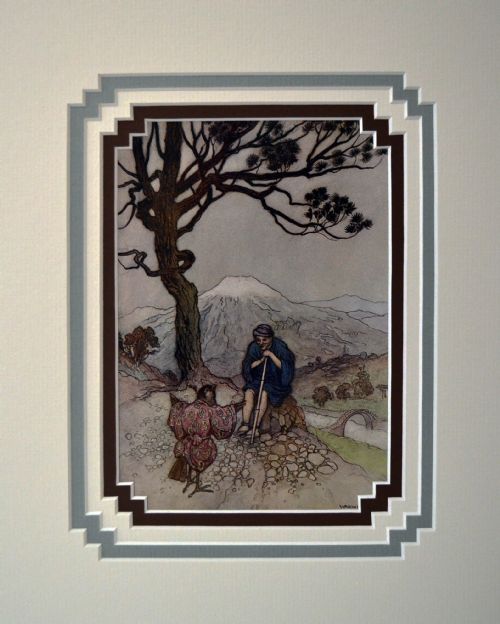
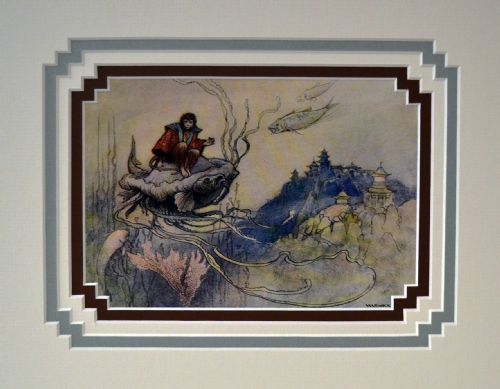
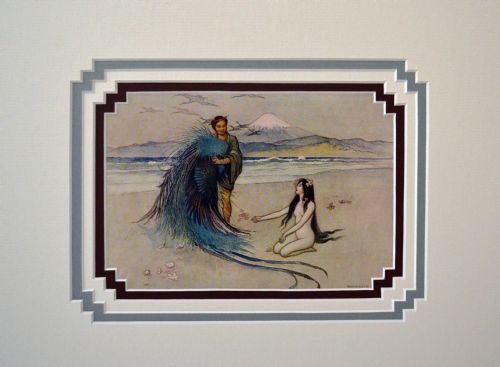
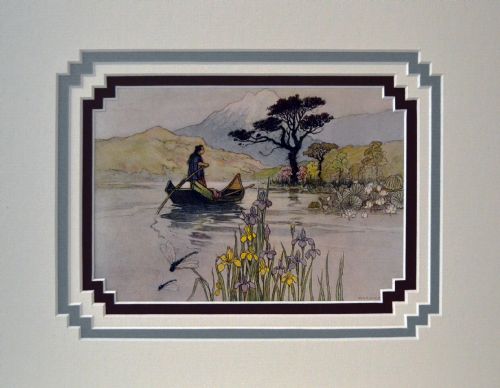


Blue Mounted Art Print
A blue mounted art print brings historical illustration and natural history into a room through carefully bordered paper works.
Blue Mounted Art Print
A blue mounted art print encompasses framed works on paper, ranging from nineteenth-century natural history plates to early twentieth-century illustrations. These pieces typically feature historical imagery set within card or cardboard mounts.
The selections span the Victorian and Edwardian eras, capturing subjects like ornithology, entomology, and fairy tales. Buyers frequently encounter French industrial lithographs alongside English bird and butterfly engravings.
Framed formats dominate the selection, utilising glass and wood frames to protect the paper and ink within. Each piece reflects the aesthetic preferences of its period, from natural history studies to illustrative fairy tales.
Materials and production methods
The physical objects rely on paper, ink, and cardboard mounts, frequently framed behind glass in wooden or giltwood surrounds. Some examples incorporate hand colouring applied over engraved lines or lithographic bases.
Production techniques include nineteenth-century lithography and engraving, alongside early twentieth-century book illustration printing processes. Velvet appears in framing contexts, while card and cardboard form the underlying mounts for the printed sheets.
Nineteenth-century ducks demand orderly rows on your wall, proving that even waterfowl appreciate strict company.
Assessing quality in historical prints
Quality rests upon the crispness of the ink impression and the preservation of the paper support over time. Hand-coloured plates benefit from careful application that respects the engraved or lithographic boundaries.
The integrity of the mount and the appropriateness of the framing materials contribute significantly to the presentation. Original framing components and clean, stable card mounts elevate the overall character of the piece.
Warwick Goble·William Powell Frith·William Swainson·Edward Lear·Rev B. Morris
The Blue Mounted Art Print Glossary
- Lithograph
- A print produced by drawing on limestone or a metal plate with a greasy substance so that ink adheres only to the drawn areas. This technique allowed for detailed tonal reproduction in nineteenth-century illustration.
- Engraving
- A printmaking method where an image is incised into a metal plate using a sharp tool. The resulting lines hold the ink under pressure to transfer the design onto paper.
- Mount
- A border of card or paper placed around a picture inside a frame. It separates the artwork from the glass and provides a visual transition.
- Giltwood
- Wood that has been coated with a thin layer of gold leaf or gilt paint. This finish frequently appears on nineteenth-century picture frames.
- Hand coloured
- A print that has received additional pigment by hand after the initial printing process. This treatment adds specific hues to engravings or lithographs.
Blue Mounted Art Print: Frequently Asked Questions
How do I hang a framed print safely?
Ensure the wall fixings match the weight of the wood and glass frame. Hang the piece away from direct sunlight to protect the paper and ink from fading.
Check the security of the hanging wire or brackets on the back of the frame before mounting it on the wall.
What periods do these prints come from?
The available pieces originate primarily from the nineteenth and early twentieth centuries. This spans the Victorian era through the Edwardian period.
Specific dates within the listings range from the early nineteenth century up to nineteen-ten.
Are the prints hand coloured?
Certain examples feature hand-applied watercolours over printed lines, particularly in natural history subjects like birds and water fowl. Other works rely purely on lithographic ink or engraving techniques.
Examining the surface under magnification reveals whether pigment was brushed on after printing.
How should I clean the glass?
Apply a mild glass cleaner to a soft cloth rather than spraying the liquid directly onto the frame. This prevents moisture from seeping under the edge and damaging the paper or mount.
Wipe the glass gently and avoid pressing hard against the surface.
What subjects are most common?
Natural history subjects dominate the selection, including birds, ducks, and butterflies from the nineteenth century. Illustrated fairy tales and architectural plans also appear among the offerings.
These subjects reflect the scientific and decorative interests of the Victorian and Edwardian eras.