
Edwardian Fairy Tale Art
Edwardian fairy tale art captures magical narratives through delicate illustration, offering collectors a glimpse into early twentieth-century fantasy.
Edwardian Fairy Tale Art
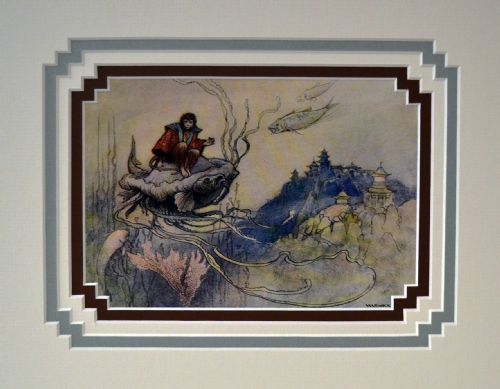
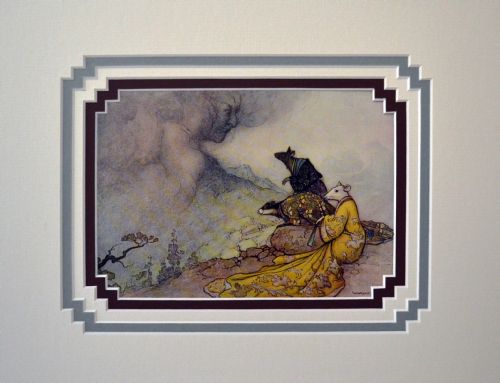
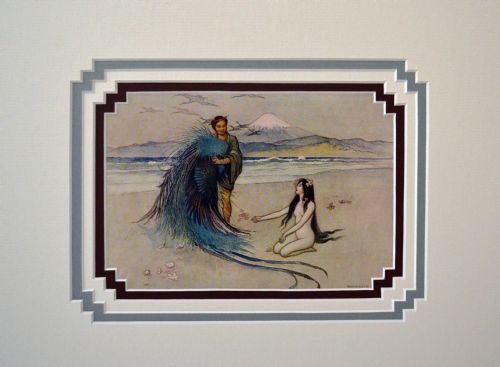
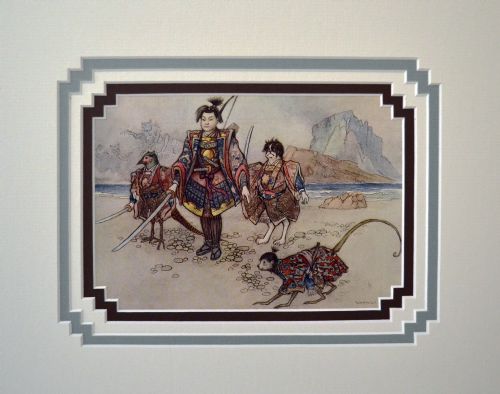
Edwardian fairy tale art brings imaginative narratives to life through period illustration. These works reflect the aesthetic sensibilities of the nineteen-tens, blending traditional storytelling with contemporary design.
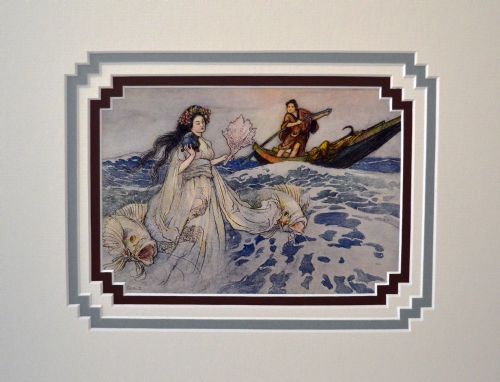
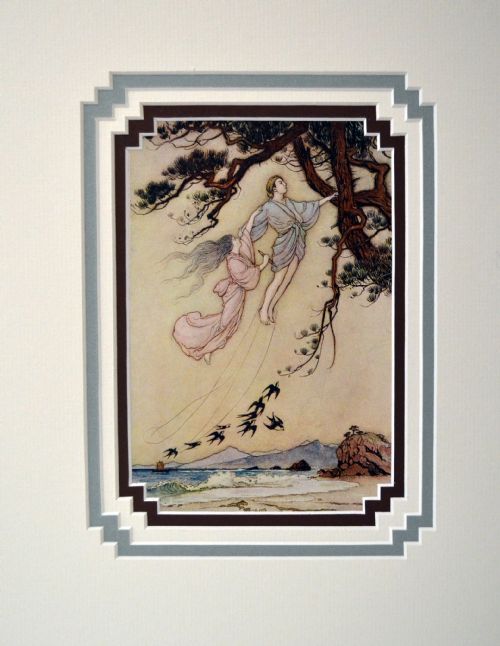
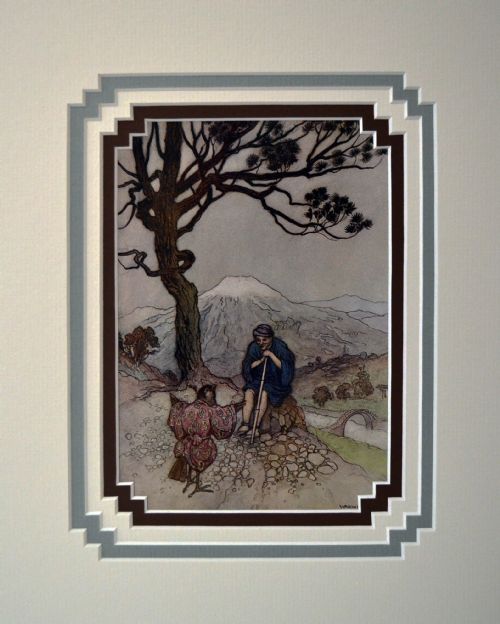
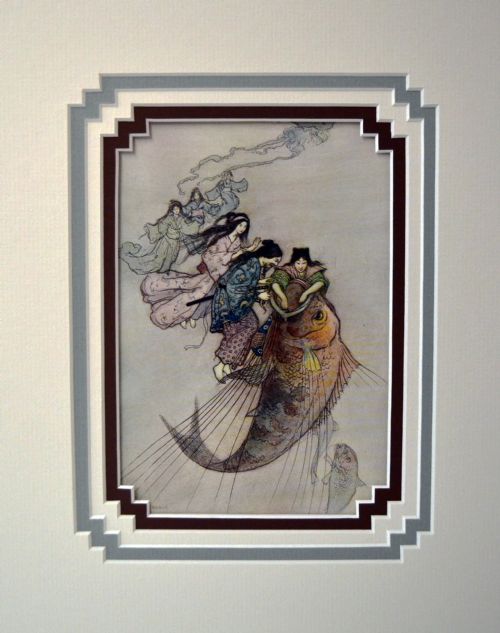
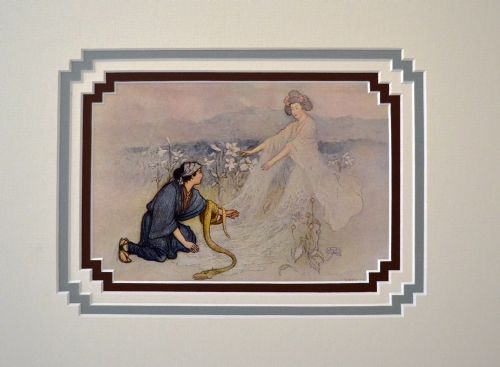
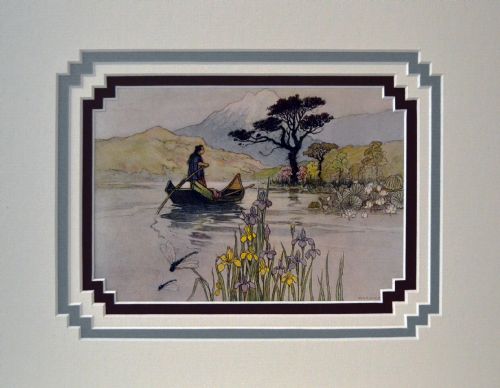
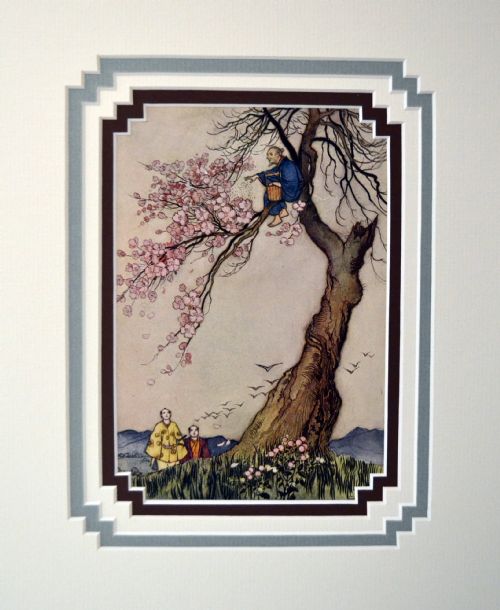
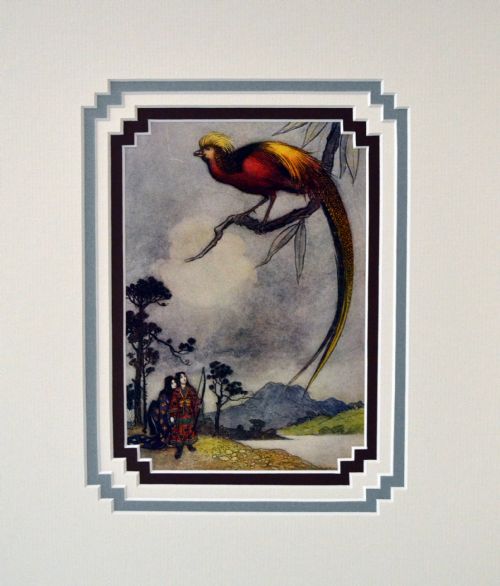
Buyers encountering edwardian fairy tale art on this page will most frequently meet first edition prints. These framed prints and wall art pieces showcase the distinct graphic style of the era.
The objects combine Edwardian illustration with influences from Art Nouveau and Japonisme. Such pieces served to illustrate classic tales for contemporary audiences.
Materials and construction methods
The construction of these works relies on paper and ink fixed upon card or cardboard. Mountboard and mount board provide structural support beneath the primary image.
Framed examples utilise glass to protect the delicate paper surface. Wooden frames enclose the assembly, completing the traditional presentation of the artwork.
All currently listed examples of edwardian fairy tale art date specifically to nineteen ten and utilise paper, ink, and card.
Distinctions in quality
Quality in these works rests upon the crispness of the ink application and the preservation of the paper. Strong contrast and clean lines distinguish the finer examples from those showing wear.
The integrity of the framing materials also plays a role in the overall standard. Original mountboard and well-preserved wood contribute to a more complete historical survival.
Warwick Goble
The Edwardian Fairy Tale Art Glossary
- First edition
- The earliest commercial printing of a publication, highly sought after by collectors for its direct connection to the initial release. These prints represent the definitive early state of the illustrated work.
- Japonisme
- The influence of Japanese art on Western styles, prominent during the late nineteenth and early twentieth centuries. This aesthetic emphasises flat areas of colour and asymmetrical composition.
- Mountboard
- Heavy cardboard used for backing or matting artwork within a frame. It provides a rigid support that keeps the paper flat over time.
- Edwardian illustration
- The distinct visual style of the reign of Edward VII, characterised by refined draughtsmanship and narrative detail. It often bridged the gap between Victorian sentiment and modern graphic design.
Edwardian Fairy Tale Art: Frequently Asked Questions
What is edwardian fairy tale art?
Edwardian fairy tale art consists of published illustrations produced during the early twentieth century. These works depict fantastical scenes from traditional stories using contemporary graphic techniques.
They capture the imaginative spirit of the period through detailed ink work on paper. Collectors prize them for their distinct stylistic crossover between traditional tales and modern illustration.
How were these prints used?
These pieces originally served as illustrations within published books of fairy tales. They were designed to accompany the narrative and engage readers visually.
Over time, many of these plates have been separated from their original volumes to be mounted and framed. They now function primarily as decorative wall art for domestic interiors.
How do I care for framed prints?
Protecting these works involves keeping them away from direct sunlight to prevent the ink and paper from fading. Stable indoor humidity levels will also preserve the card and mountboard.
Glass fronts protect the delicate paper surfaces from dust and handling. Avoid hanging them in damp environments such as kitchens or bathrooms.
How do I identify the period?
Dating these items relies on the characteristic printing techniques and paper stocks of the nineteen-tens. The aesthetic blend of Edwardian illustration and Japonisme provides strong chronological markers.
First edition prints often bear specific publication details from their original context. Examining the framing materials and underlying card can also confirm the age of the piece.