


Black Profile Artwork
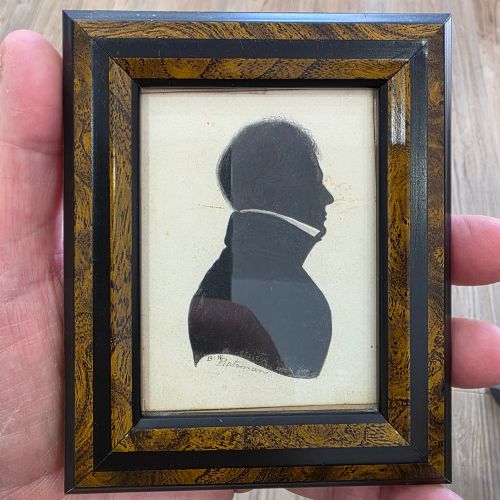
Black profile artwork captures likenesses in stark contrast, offering intimate glimpses of past sitters through cut paper, painted silhouettes, and ink.
Black Profile Artwork
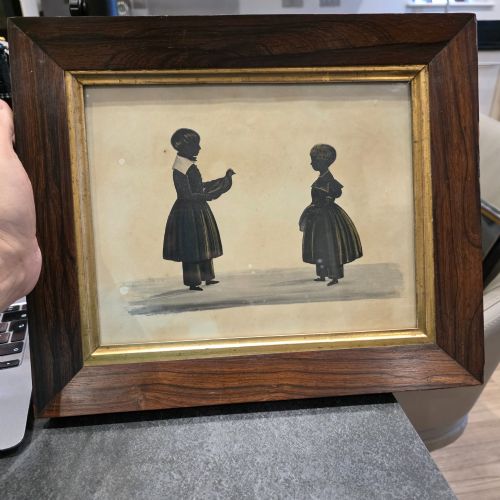
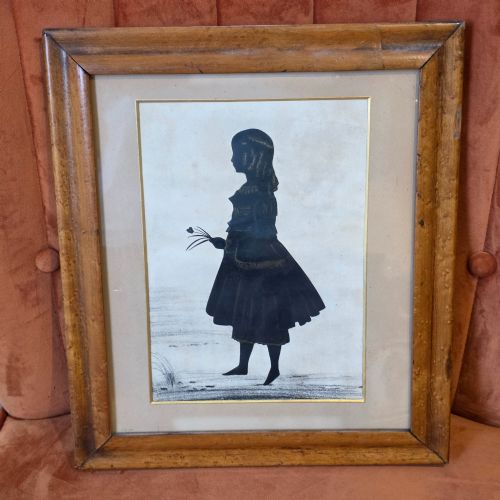
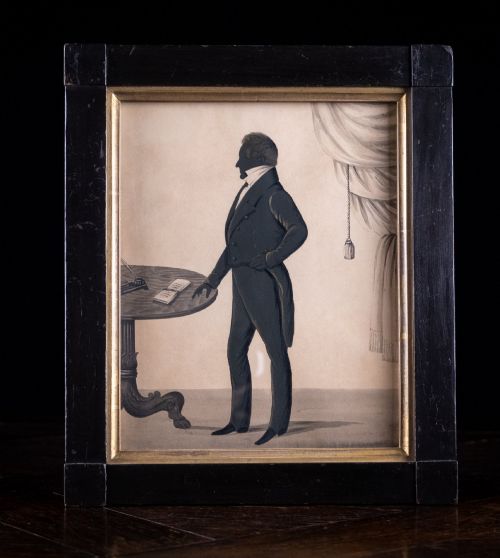
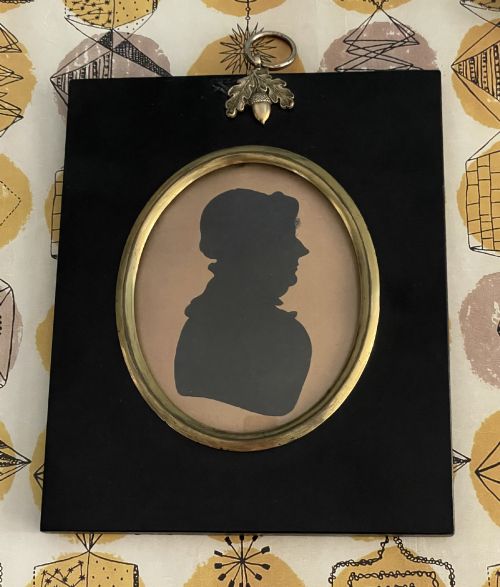
The versions most commonly met on this page date from the Georgian, Regency, and Victorian periods, often framed in wood or ebonised wood with brass accents. Makers utilised cut paper, ink, and watercolour on card to delineate sitters, sometimes adding subtle gold leaf highlights to collars and buttons.
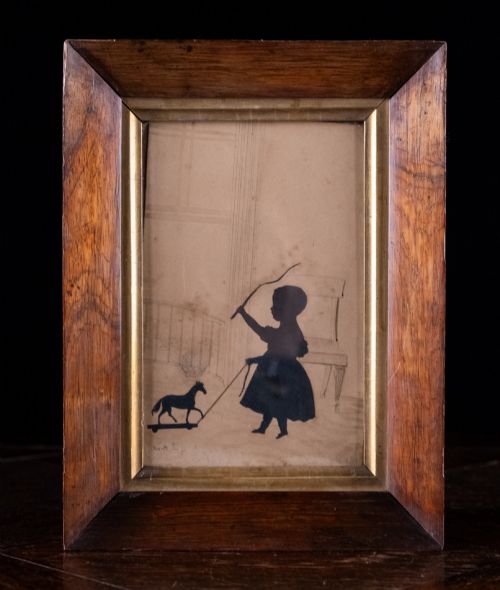
Beyond single portraits, the form extends to conversation pieces, equestrian scenes, and narrative groupings involving multiple figures and animals. These works demonstrate how households recorded their likenesses before photography became widespread.
Materials and techniques
Makers constructed these works using paper, card, and ivory as supports for ink, watercolour, and cut silhouettes. Artisans snipped black paper freehand or painted directly onto glass and card, applying gold leaf to accentuate garments and jewellery.
Frames play an integral part in the construction, typically fashioned from ebonised wood or timber fitted with brass hangers and protective glass. These surrounds preserved the delicate paper and watercolour components from light and moisture over the centuries.
Listings feature paper, glass, wood, ink, brass, gold leaf, watercolour, and ebonised wood across eighteenth and nineteenth-century items.
Judging quality in profiles
Quality separates through the precision of the cutting or brushwork, where master practitioners captured the exact slope of a nose, the curl of hair, or the set of a cravat in a single fluid pass. Lesser examples rely on clumsy outlines that lose the individual character of the sitter.
The nuance of auxiliary detail elevates certain pieces, such as delicate hand-painted watercolours, touches of gold leaf, or well-preserved signatures from recognised artists. Condition and original framing also distinguish works that retain their full visual impact from those with fading or water damage.
Bateman·James McArdel·James Gillespie·Augustin Edouart·William Blake Richmond·Frederick Frith·Thomas London·J. Deacon·John Smith of Edinburgh·Alfred Darbyshire·Francis Frank O. A. Haviland·Leo Klin
The Black Profile Artwork Glossary
- Silhouette
- A portrait represented as a solid shape of a single colour, usually black, showing the profile of the sitter. The style gained immense popularity during the eighteenth and nineteenth centuries.
- Ebonised wood
- Timber treated to resemble ebony, providing a dark, polished finish. This material is frequently used for framing nineteenth-century profile artwork.
- Cut-paper
- A technique where the artist uses scissors or a knife to snip the portrait directly from black paper. This method requires steady hands and precise observation.
- Conversation piece
- An informal group portrait, often showing family members or associates interacting in a setting. In silhouette work, these depict multiple figures engaged in domestic or outdoor activities.
- Gilded silhouette
- A profile artwork enhanced with gold leaf highlights applied to the surface. These additions pick out details like buttons, lace, and hair ribbons.
Black Profile Artwork: Frequently Asked Questions
What is black profile artwork?
Black profile artwork consists of historical portraits and scenes focusing on silhouettes, ink outlines, and dark-toned profiles of sitters. These pieces capture the exact shape of a person's face from the side.
Created primarily during the eighteenth and nineteenth centuries, they served as accessible and intimate records of family members and notable figures before photography.
How do I date an antique silhouette?
Dating relies heavily on the style of dress, hair, and bonnets worn by the sitter, alongside the materials used in the backing and frame. Georgian and Regency pieces often feature high-waisted dresses or specific cravat styles.
Signatures, written notes on the reverse, and framing construction also provide reliable clues for establishing the decade of creation.
Are these works hand-cut or printed?
The majority of traditional pieces on this page are individually hand-cut from paper or hand-painted using ink and watercolour on card and ivory. Artisans worked directly from life or used shadow projection machines.
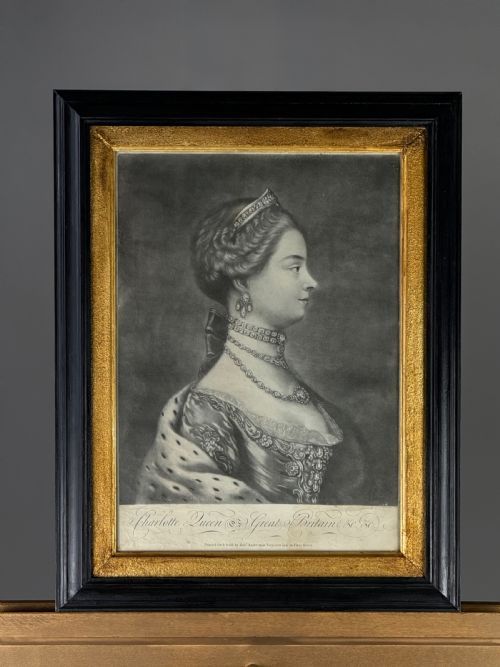
Printed examples also exist, such as historical mezzotints, which reproduce tonal artwork through copperplate engraving techniques.