



French Architectural Drawing
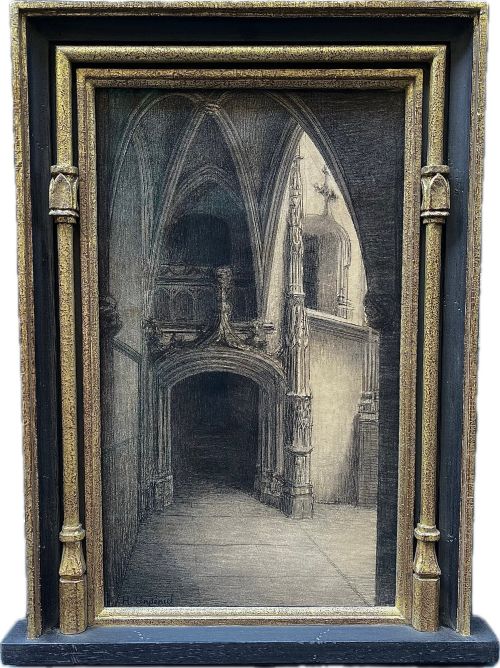
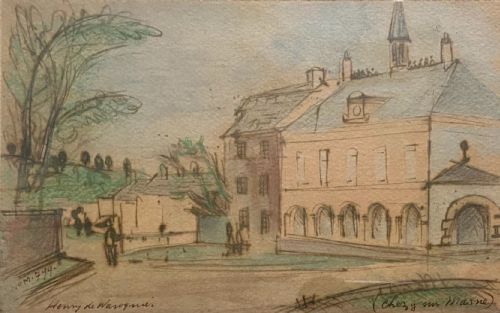
These french architectural drawing pieces bring the structured elegance of historic design into a room through ink, watercolour, and graphite.
French Architectural Drawing
When you search for french architectural drawing, you encounter works on paper ranging from eighteenth-century engravings to mid-twentieth-century mixed media compositions. These items capture building designs, town halls, pavilions, and urban streetscapes through detailed draughtsmanship.
The selections available here span multiple eras, including Victorian framed lithographs, nineteenth-century studies, and neoclassical renderings. Such pieces function primarily as wall art, bringing historical depth and technical precision to interior spaces.
How they were made
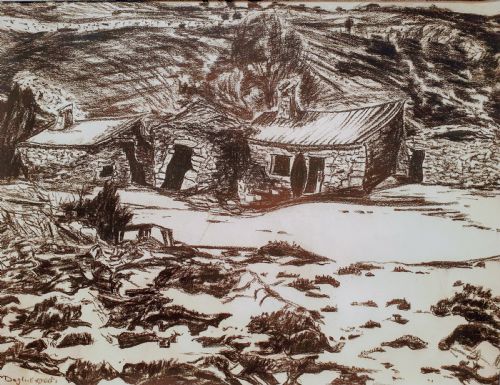
The works rely primarily on paper supports marked with ink, graphite, charcoal, and watercolour to establish fine lines and tonal depth. Many examples incorporate coloured pigments or gold leaf to highlight specific decorative elements within the composition.
Framing materials such as wood and glass protect these delicate works on paper while providing a finished presentation for display. Lithographs and engravings utilise mechanical and hand-printed techniques to reproduce detailed architectural plans and elevations.
The listings on this site feature paper supports combined with media such as ink, watercolour, graphite, and charcoal across multiple centuries.
What varies in quality
Quality rests in the precision of the draughtsmanship and the clarity of the underlying lines, whether executed in ink, pencil, or watercolour. Stronger examples display confident handling of perspective, scale, and architectural detail.
The condition of the paper surface and the integrity of any applied pigments dictate the visual impact of the piece. Superior items retain their original tonal contrast without excessive fading or discoloration of the paper support.
Henri Charles Angéniol·Henry de Waroquier·Maison Krieger·Fred Lawson
The French Architectural Drawing Glossary
- Lithograph
- A print made by drawing on limestone or a metal plate with a greasy substance so that ink sticks to the design for printing. This method allowed for the detailed reproduction of architectural plans in the nineteenth century.
- Graphite
- A form of carbon used as a drawing medium to produce fine, grey-to-black lines. It appears frequently in preliminary sketches and technical drawings.
- Engraving
- A printmaking process where an image is incised into a metal plate with a cutting tool called a burin. The resulting lines hold ink to create sharp, precise architectural prints.
- Neoclassical
- A style of art and architecture inspired by the classical art and culture of ancient Greece and Rome. It emphasises symmetry, proportion, and classical orders.
- Mixed media
- An artwork utilising more than one medium or material on the same support. These pieces often combine ink, watercolour, and graphite to build rich surface textures.
French Architectural Drawing: Frequently Asked Questions
How should I hang framed architectural drawings?
Hang these pieces away from direct sunlight to protect delicate watercolours and inks from fading over time. Ensure the wall fixings are secure, as framed glass and wood assemblies can carry substantial weight.
Pairing multiple drawings together creates a cohesive gallery display that echoes the academic presentation of historic design studios. Keep the centre of the artwork at eye level for optimal viewing.
What periods do these drawings represent?
The works span from the eighteenth century through to the mid-twentieth century, capturing shifting aesthetic movements over several hundred years. You will find neoclassical and Victorian examples alongside later mid-century compositions.
Each period reflects the prevailing architectural training and drafting techniques of its time. Earlier pieces often prioritise hand-drawn precision, while later examples embrace lithographic reproduction and mixed media.
Are these pieces original works or prints?
The inventory includes both unique hand-drawn works on paper and period printed reproductions. Original drawings feature direct applications of ink, watercolour, graphite, or charcoal by the artist's hand.
Printed items, such as lithographs and engravings, were produced in multiples to distribute architectural designs and plans. Both categories offer historical insight into past building practices and draughtsmanship.
How do I care for antique paper art?
Protect the paper by maintaining stable humidity levels in the room where the artwork hangs. Avoid placing pieces near heat sources or in damp environments that might attract moisture damage.
Professional framing with acid-free backing materials helps preserve the paper support over decades of display. Consult a conservator if the paper shows signs of foxing or staining.