





Monochrome Graphite Artwork
Monochrome graphite artwork comprises original drawings on paper spanning the eighteenth to the twentieth centuries, prized for their direct draftsmanship.
Monochrome Graphite Artwork
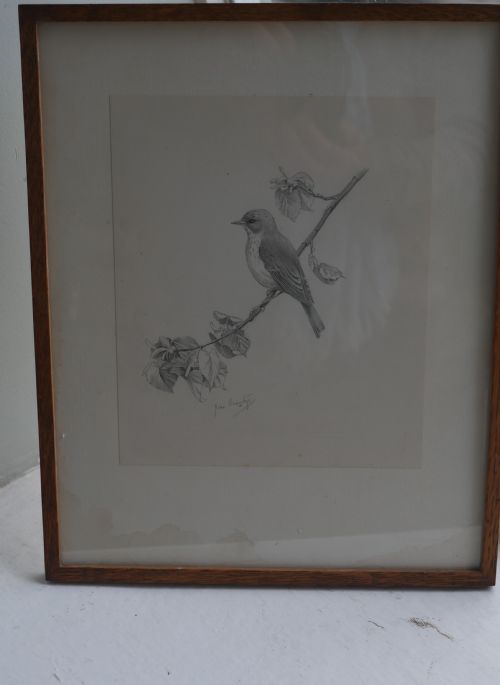
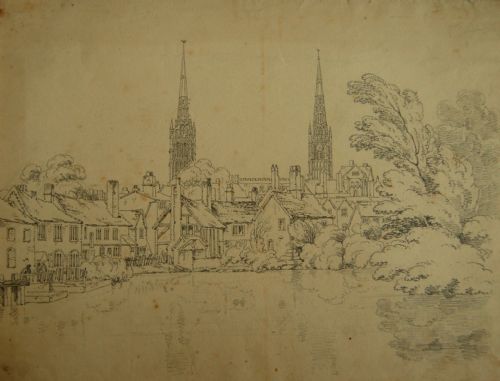
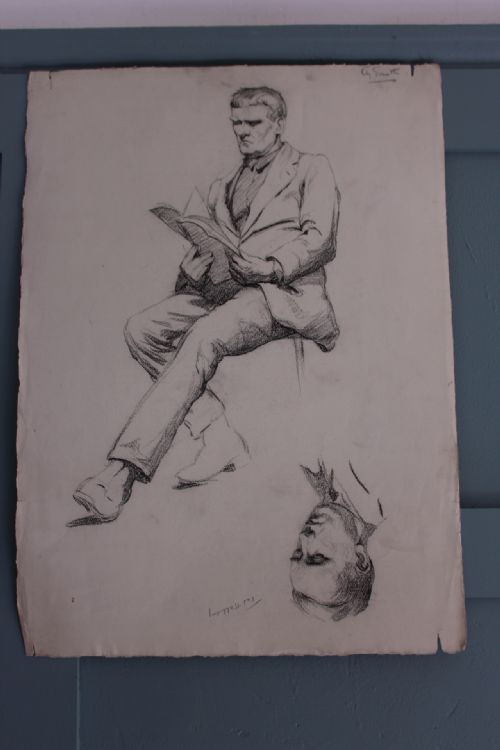
Monochrome graphite artwork encompasses original drawings, sketches, and studies rendered on paper across multiple historical periods, notably the Georgian, Victorian, and early twentieth century. These pieces take various forms, including framed wall art, natural history illustration, portraits, architectural studies, and landscapes.
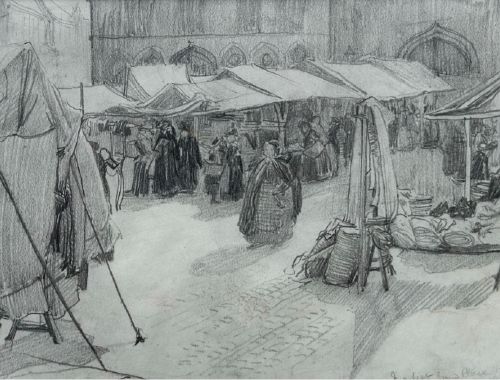
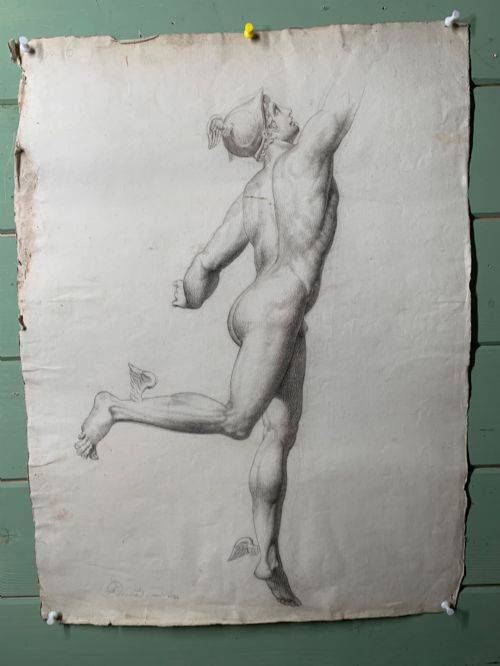
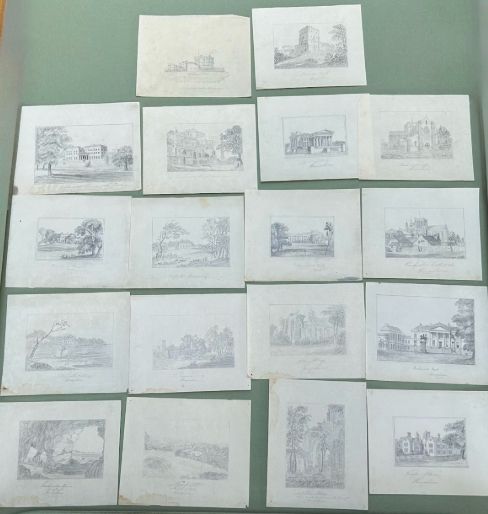
Buyers most frequently encounter nineteenth-century and early twentieth-century examples on this page, often framed and preserved behind glass. The subjects range widely from academic studies of the God Hermes and architectural views of Dublin to intimate portraits and surrealist compositions.
Materials and Technique
These works are executed primarily using graphite, pencil, charcoal, ink, and chalk applied directly to paper supports. Artists utilised these dry and liquid media to achieve tonal variation, from delicate lines to deep, atmospheric shading.
Many items are framed in wood and glass to protect the delicate paper surface. The application demonstrates techniques ranging from strict academic realism and natural history observation to symbolist and surrealist expression.
Monochrome Graphite Artwork Retail Price Guide 2026
Typical asking prices for monochrome graphite artwork among the pieces listed under this phrase on Sellingantiques today, from the lower quarter to the upper quarter. They describe what is for sale here now, not the wider market.
Listings feature works executed in graphite, pencil, charcoal, ink, and chalk on paper, dating from the eighteenth century through the 1960s.
Evaluation of Quality
Quality in monochrome graphite artwork rests upon the precision of the draftsmanship and the expressiveness of the hand. Stronger pieces display confident line work, deliberate tonal control, and a clear compositional grasp, whether capturing a portrait subject or an architectural ruin.
The degree of finish also distinguishes the selection, separating spontaneous preliminary sketches from highly detailed academic studies and finished exhibition pieces. Preserved condition of the paper and the clarity of artist signatures or period stamps further shape the standing of an individual work.
The Monochrome Graphite Artwork Glossary
- Graphite
- A form of crystalline carbon used as a drawing medium, capable of producing fine lines and varied grey tones. It forms the primary medium for the majority of these monochrome works.
- Grisaille
- A painting or drawing executed entirely in shades of grey or neutral monochrome. This technique emphasises form and shadow over colour.
- Symbolist
- Relating to a late nineteenth-century art movement focused on expressing mystical ideas, emotions, and symbolic imagery. Works in this style prioritize internal visions over literal realism.
- Academic Realism
- A style of painting and drawing produced under the influence of European academies of art, emphasising rigorous skill, anatomical accuracy, and traditional subjects.
Monochrome Graphite Artwork: Frequently Asked Questions
What subjects appear in these drawings?
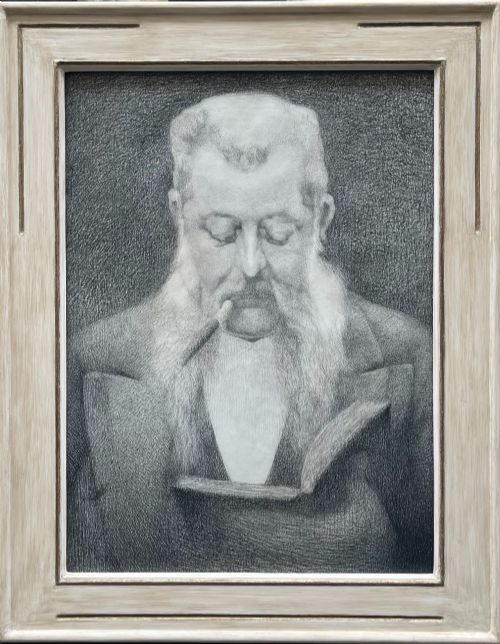
The subjects include portraits of individuals, architectural studies of buildings and towns, natural history illustrations of animals, and landscapes. Allegorical scenes and surrealist compositions also feature.
These varied themes reflect the diverse observational and imaginative interests of artists from the eighteenth century onwards.
How should these paper artworks be housed?
These pieces require framing behind glass to protect the paper and the delicate graphite, charcoal, or chalk mediums from airborne moisture and touch. Proper framing preserves the integrity of the drawing.
Displaying them away from direct sunlight prevents fading of both the paper support and the dark media.
How are periods identified?
Periods are identified through artist dates, handwritten signatures, period stamps, and stylistic markers such as Georgian neoclassical traits or early twentieth-century surrealist elements. Inscriptions on the reverse or mount often provide further context.
Paper characteristics and framing styles can also offer clues to the approximate date of execution.
Are these works signed?
Many of the pieces feature artist signatures, monograms, or studio stamps, while others remain attributed to specific schools or manners of working. Signed examples often connect to recognised practitioners of the nineteenth and twentieth centuries.
Unsigned works are judged purely on their stylistic execution, technique, and period materials.