
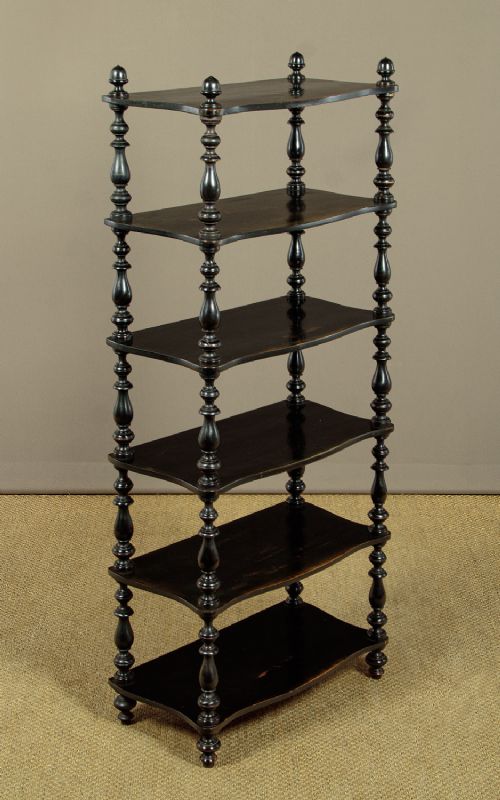


Mid Victorian Buffet
A mid victorian buffet brings serious nineteenth-century utility and presence to a room, offering generous tiered shelving or enclosed serving space.
Mid Victorian Buffet
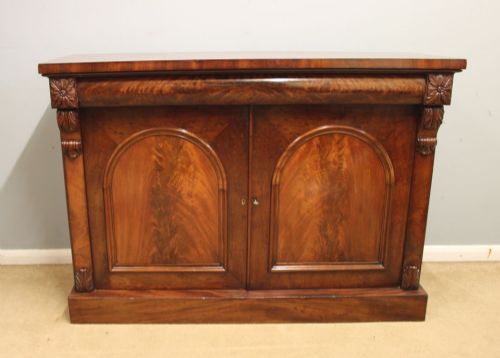
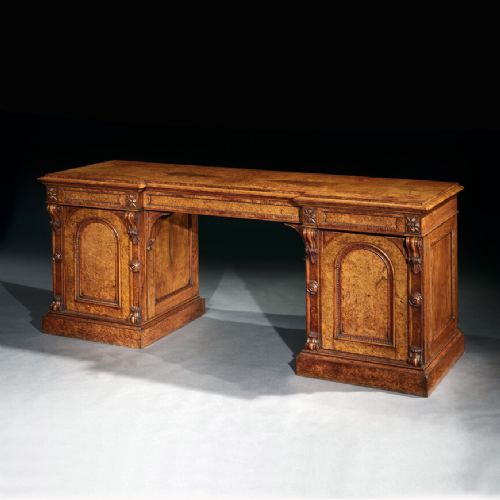
When you search for a mid victorian buffet, you encounter a range of nineteenth-century serving furniture that includes tiered etageres, chiffoniers, credenzas, and substantial pedestal sideboards. These pieces originate from the Victorian era, specifically spanning the decades around eighteen-fifty and eighteen-sixty.
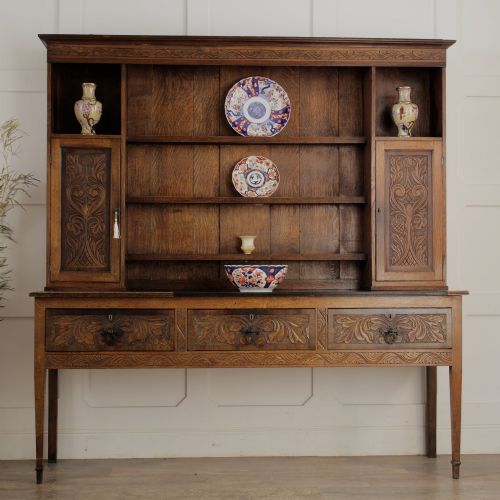
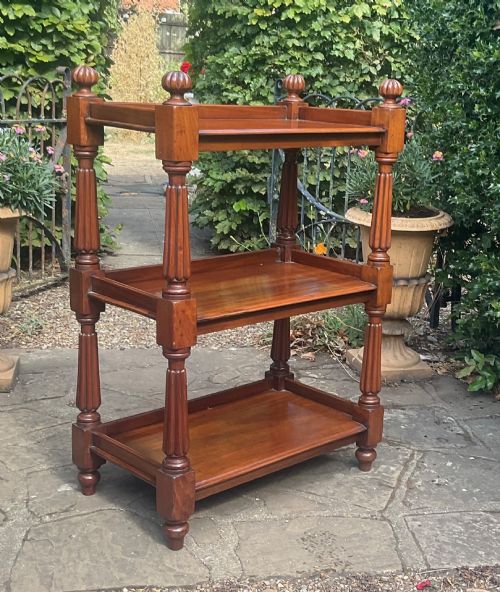
The items listed on this page cover both open serving trolleys with multiple tiers and enclosed cupboard designs featuring mirror backs or carved details. Oak, mahogany, and walnut dominate the forms, reflecting the robust dining room requirements of the period.
You will find regional variations among the selection, such as Scottish grand sideboards alongside slender three-tier mahogany serving tables. Each piece serves the practical function of displaying or storing dining ware while anchoring the room with period weight.
Materials and construction
Cabinet makers of the mid-nineteenth century relied heavily on solid timber frames paired with decorative veneers. Mahogany and oak provide structural integrity, while burr walnut and rosewood offer highly figured surfaces on display doors and panels.
Detailing often incorporates turned columns, brass hardware, glass doors, and carved serpentine fronts. Certain pieces integrate ormolu mounts and mirror glass to enhance light reflection in formal dining spaces.
Judging the work
Quality in a mid-nineteenth-century serving piece rests on the selection of timber figures and the crispness of carved elements. Finer examples display symmetrical burr walnut or carefully matched mahogany veneer across wide surfaces without warping.
Construction methods distinguish standard utility pieces from high-status commissions. Robust secondary timbers, tight joinery in the tiered shelves, and substantial original brass or glass components separate superior workshops from routine production.
The Mid Victorian Buffet Glossary
- Etagere
- A piece of furniture consisting of a set of open shelves for displaying small objects or serving items. These tiered stands appear frequently in mid-nineteenth-century dining and reception rooms.
- Credenza
- A fashionable Victorian cabinet used for storage and display, often featuring glazed doors and elaborate wood veneers. They typically sit lower than traditional sideboards.
- Chiffonier
- A compact sideboard featuring enclosed lower cupboards, sometimes surmounted by a shelf or mirror back. This form gained popularity for smaller Victorian dining spaces.
- Ormolu
- Gilded bronze ornamentation applied to furniture and decorative objects. It provides metallic contrast against dark woods like rosewood and walnut.
- Palisander
- A dense, richly coloured exotic timber akin to rosewood, utilised for high-end Victorian cabinet work. Its dark grain patterns add visual depth to credenzas and chiffoniers.
Mid Victorian Buffet: Frequently Asked Questions
What is a mid victorian buffet used for?
These pieces function primarily as serving stations, display units, or storage cabinets in dining rooms and living spaces.
They accommodate tableware, bottles, and decorative objects while adding distinct nineteenth-century character to an interior.
How do I date a mid victorian buffet?
Dating relies on identifying period characteristics such as nineteenth-century timber choices, serpentine front contours, and mirror-back configurations.
Most surviving examples date from the central decades around eighteen-fifty to eighteen-sixty, aligning with Victorian stylistic shifts.
Where should I place a buffet in my home?
A buffet suits dining rooms, large hallways, or spacious living areas where it can rest flat against a wall.
Open tiered versions work well for display, whereas enclosed cupboard models conceal dinnerware and linens effectively.
Are these buffets solid wood?
Construction typically combines solid timber frames with decorative veneers applied to stable base woods.
Woods like mahogany and oak form the primary structures, while burr walnut and rosewood appear as decorative surface veneers.