
Antique Tier Buffet
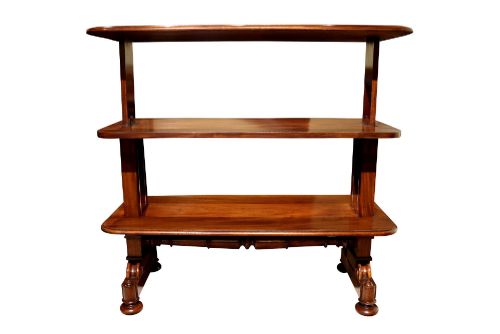
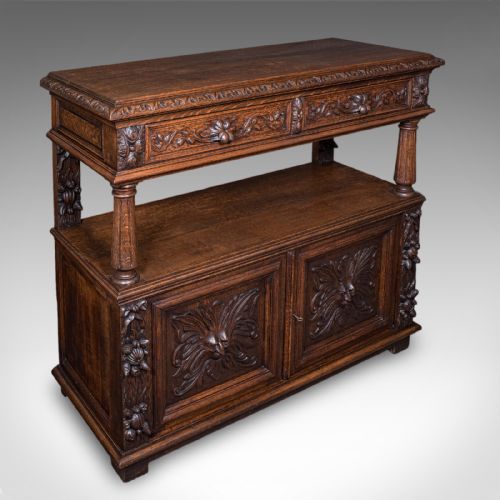
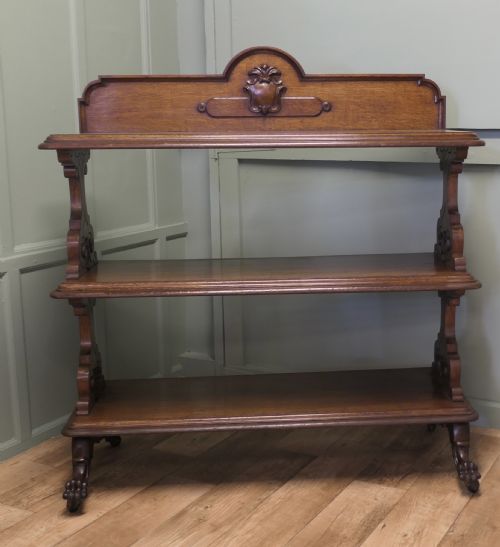
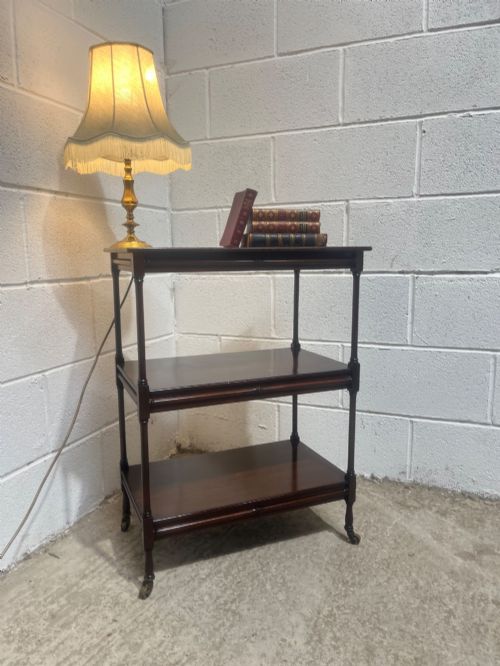
An antique tier buffet brings multi-level serving utility and robust period timber to a dining room or hallway.
Antique Tier Buffet
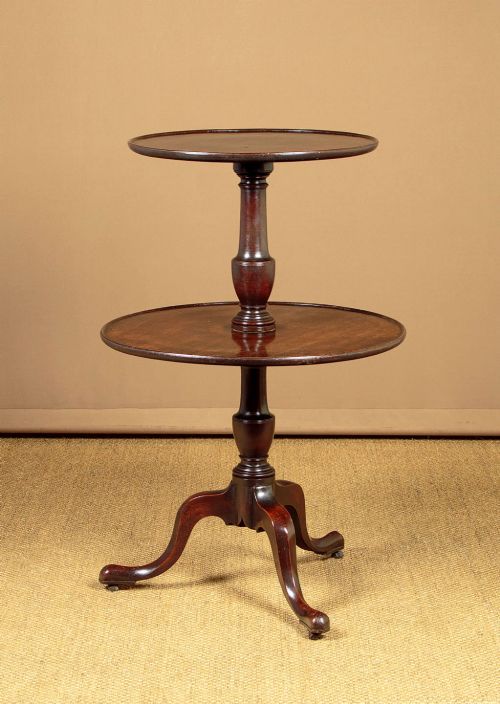
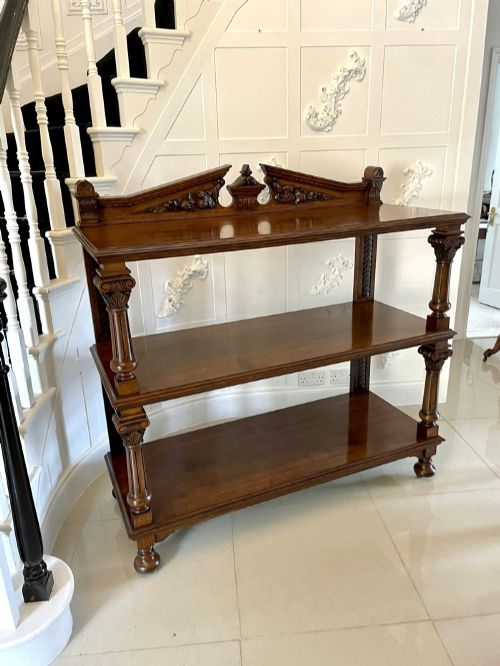
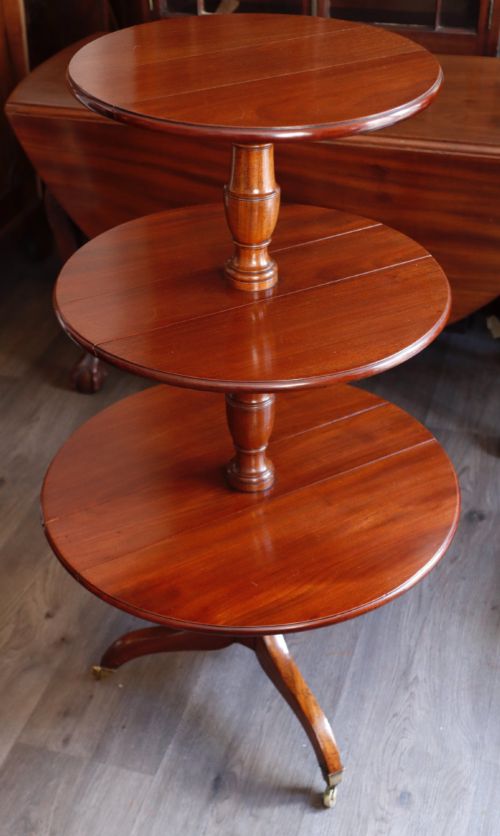
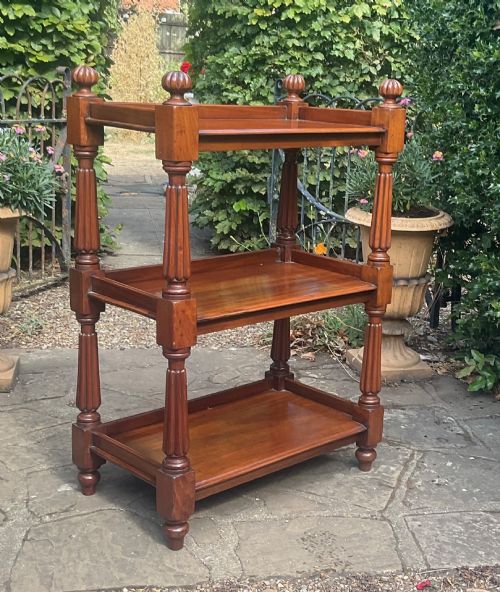
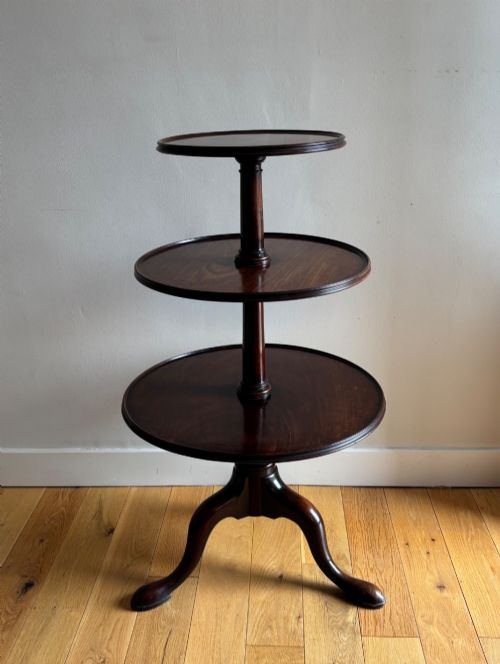
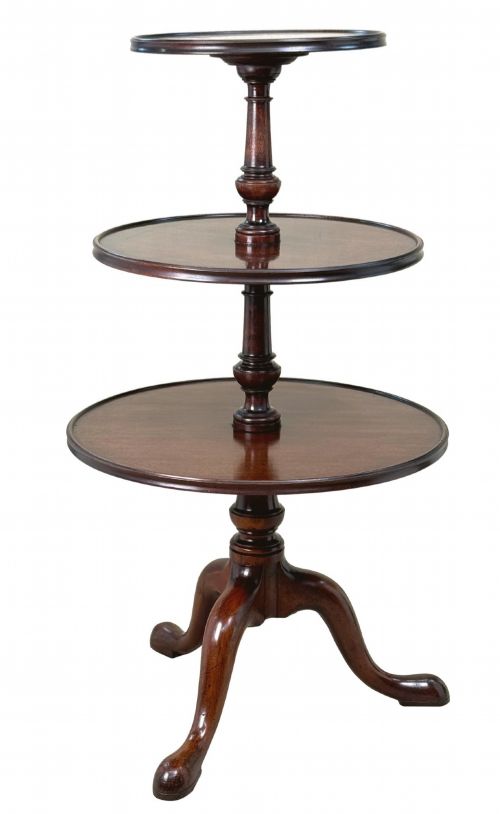
An antique tier buffet spans multiple surfaces for display and service, encompassing forms such as dumb waiters, tiered sideboards, etagere buffets, and two or three-tier serving stands. You encounter these pieces across the eighteenth and nineteenth centuries, including Georgian, Regency, William IV, and Victorian periods.
The practical heritage of these pieces lies in dining service, where stacked circular trays or rectangular tiers held dishes, glassware, and silver. Today, they serve equally well as prominent display furniture in reception rooms.
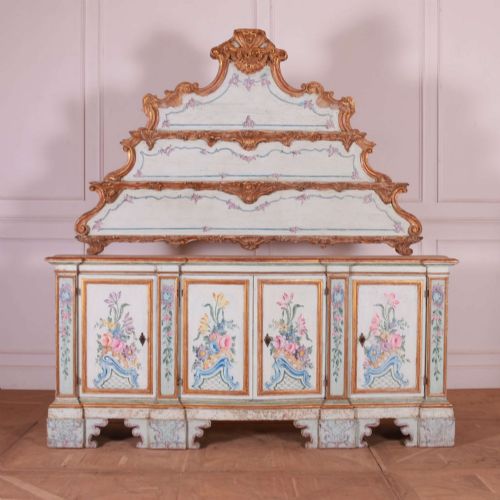
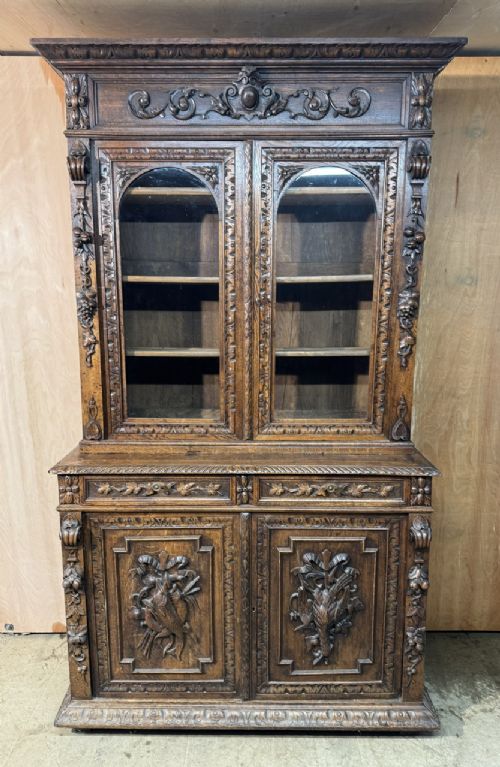
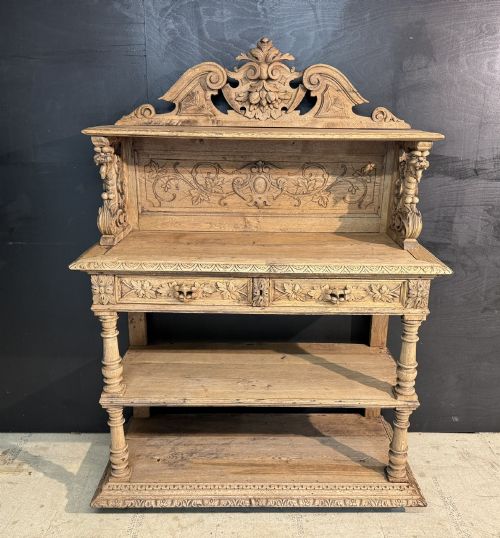
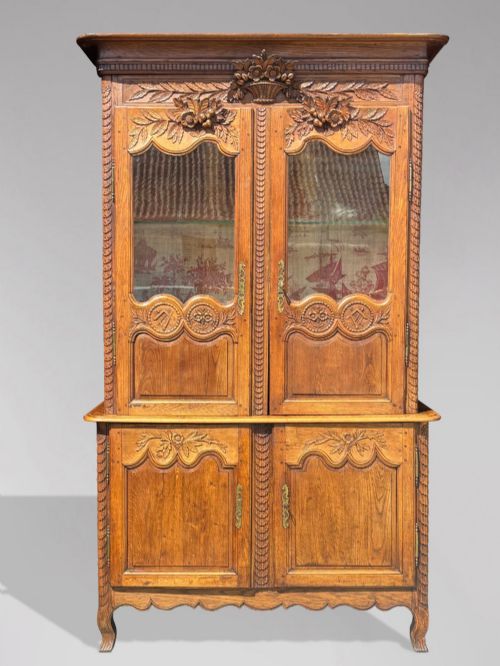
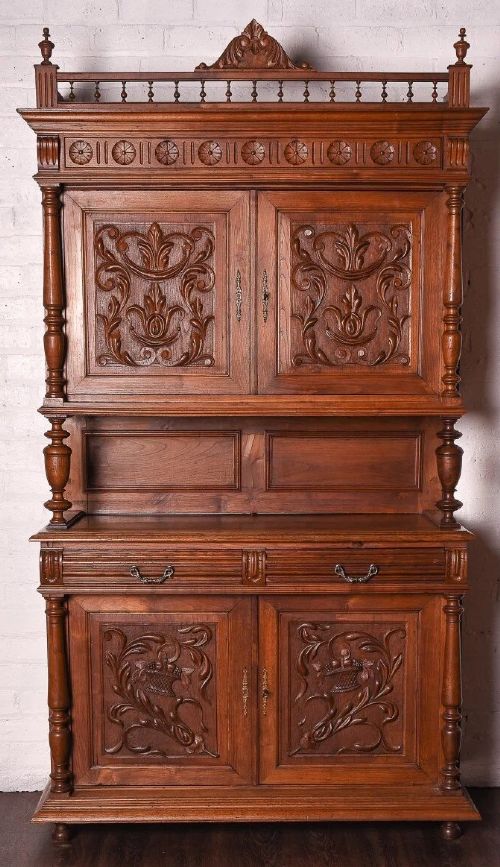
Mahogany and oak dominate the offerings, alongside walnut, burr walnut, ebonised wood, and pollard oak. Regional variations include French provincial cabinets and Scottish or English serving tables.
How they were made
Cabinetmakers constructed these pieces primarily from solid hardwoods like mahogany, oak, and walnut, frequently applying rich veneers such as burr walnut or pollard oak to display dramatic timber grain.
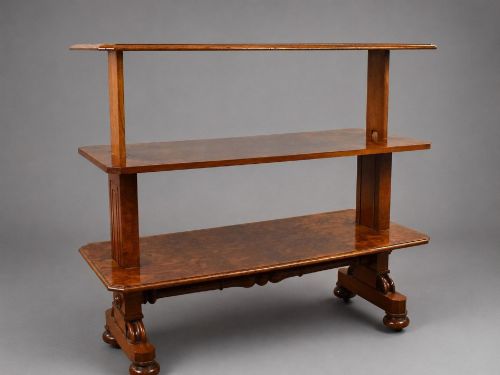
Mechanical ingenuity defined the sophisticated examples, incorporating rise and fall mechanisms, revolving tiers on tripod bases, or telescopic adjustment columns operated by brass fittings and iron fixings.
Some robust Victorian examples stack up to six ebonised tiers, creating towering wooden pagodas for the dining room.
What varies in quality
The refinement of the carving and the selection of timber figure set the baseline, where dense, highly figured mahogany or burr walnut elevates a piece far above plain utility versions.
The precision of the mechanisms marks the upper echelon of production, particularly in adjustable or revolving stands where brass ratchets, screw posts, and castors operate smoothly without play.
The Antique Tier Buffet Glossary
- Dumb waiter
- A tiered serving stand designed to hold food or drink without the need for attending servants. These feature stacked circular trays on a central column or graduating rectangular shelves.
- Etagere
- A set of open shelves for displaying small objects or serving items. They provide multiple tiers supported by slender columns.
- Rise and fall
- A mechanical mechanism allowing individual tiers to be adjusted in height. This is commonly operated via a central screw or ratchet post.
- Buffet deux corps
- A tall, two-part cabinet featuring a lower cupboard section surmounted by an upper tier or smaller cupboard. These French regional pieces utilise heavy oak or walnut.
- Castor
- A small wheel attached to the base of furniture legs for mobility. Original brass and ceramic castors are integral to period pieces.
Antique Tier Buffet: Frequently Asked Questions
What is a tier buffet used for?
These pieces served originally as auxiliary dining room furniture for holding dishes, cutlery, and wine bottles during meals without servants present.
In modern rooms, they function as display stands for collections, decorative ceramics, or bedside and occasional surfaces.
How do I tell a Georgian tier buffet from a Victorian one?
Georgian examples generally emphasise restrained classical proportions, elegant tapered columns, and fine mahogany grain without heavy ornamentation.
Victorian pieces often introduce bolder carved details, darker ebonised finishes, walnut veneers, or complex mechanical adjustments.
What woods were used in these buffets?
Mahogany and oak are the most prevalent timbers found across both eighteenth and nineteenth-century examples.
Walnut, burr walnut, pollard oak, rosewood, and painted wood appear frequently in later Victorian and continental pieces.
Are the shelves adjustable on these buffets?
Some specialised examples feature revolving tiers, telescopic columns, or rise and fall mechanisms controlled by brass fixtures.
Many standard three-tier serving stands and dumb waiters feature fixed tiers supported by turned wooden columns.