
Carved Walnut Console
When you search for a carved walnut console, you are looking at tables built for display, often featuring rich timber surfaces and ornate timber work.
Carved Walnut Console
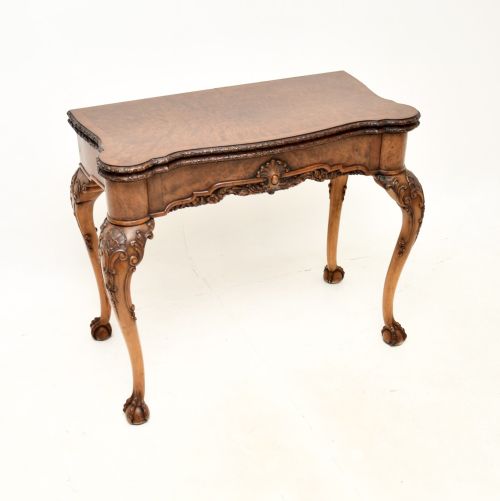
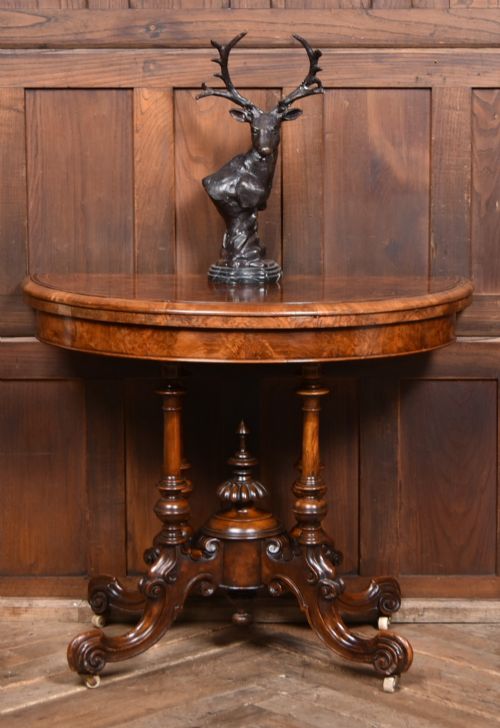
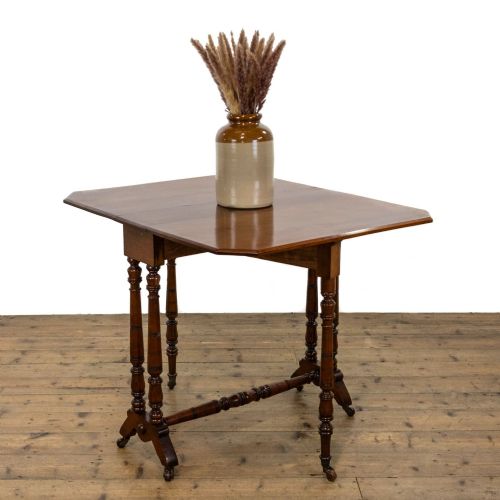
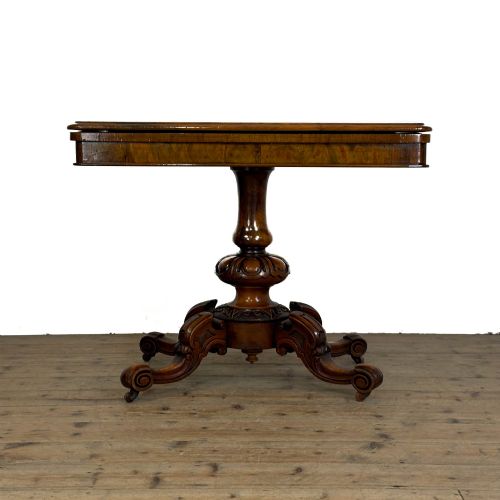
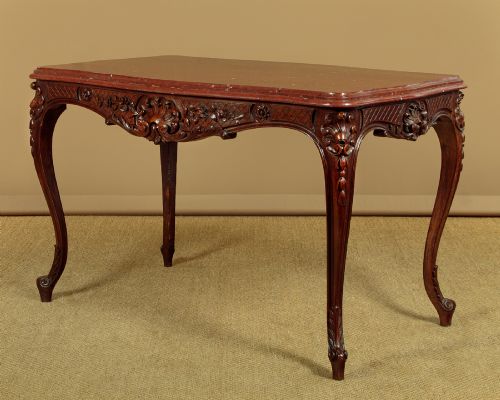
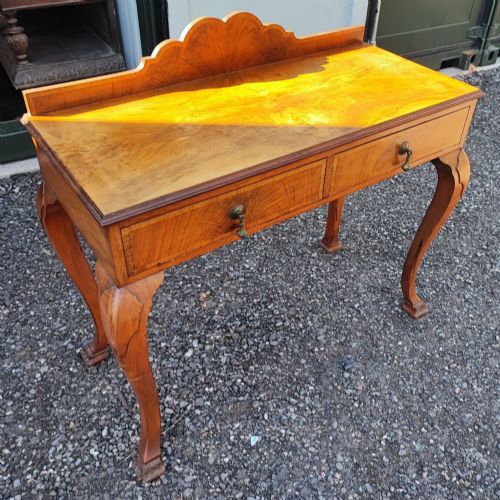
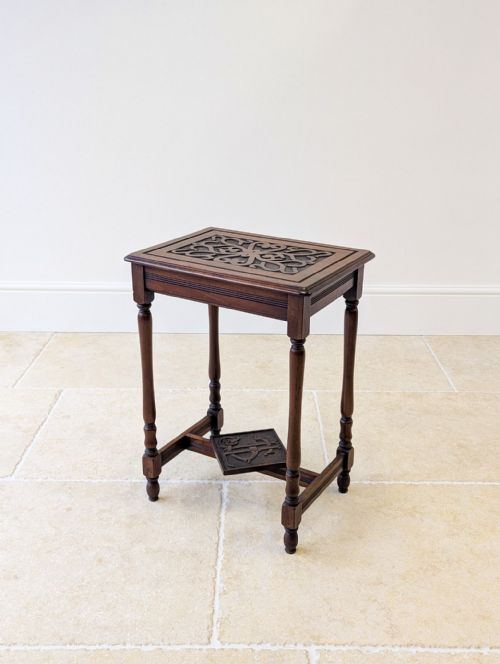
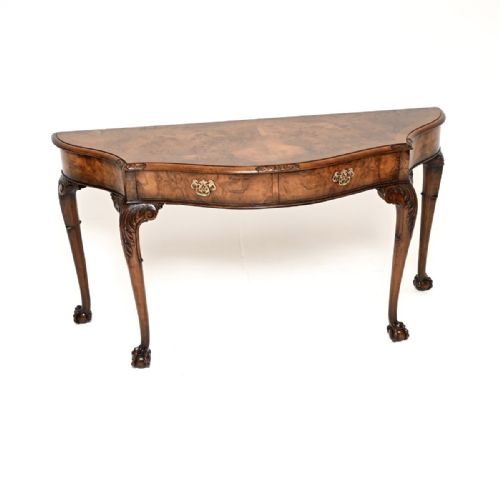
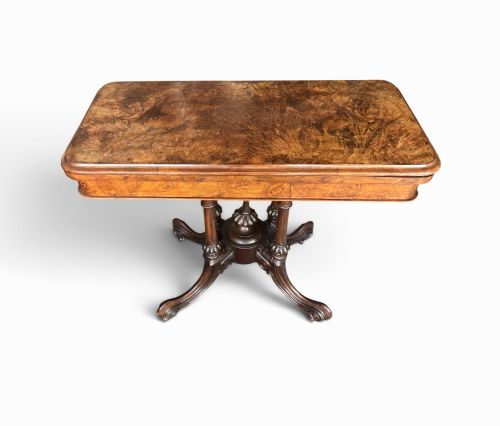
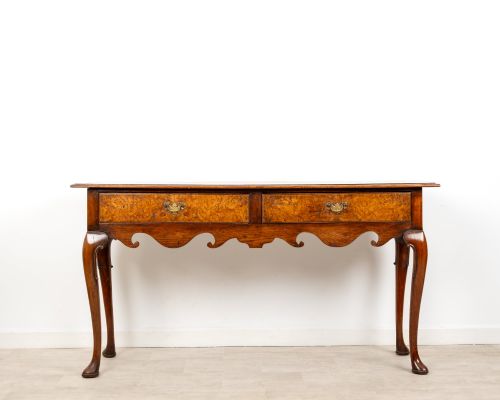
A carved walnut console table is a substantial piece of furniture designed to stand against a wall, frequently topped with marble or fitted with a fold-over top for games. The versions most commonly met on this page date from the Victorian era up to the 1930s, alongside earlier examples from the seventeenth and eighteenth centuries.
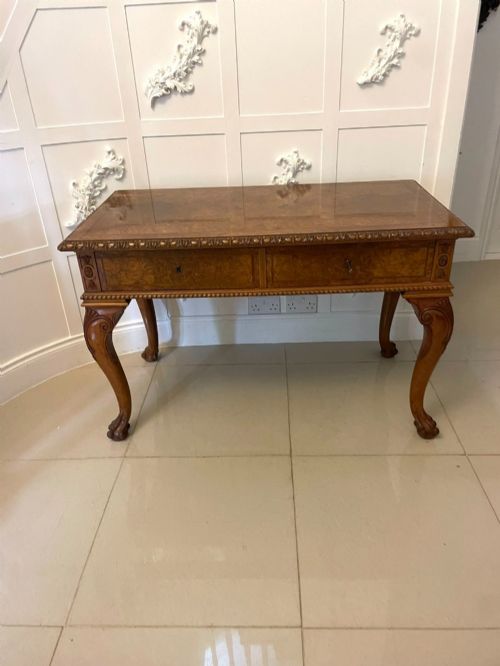
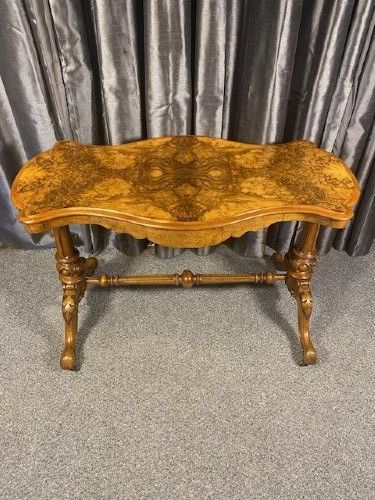
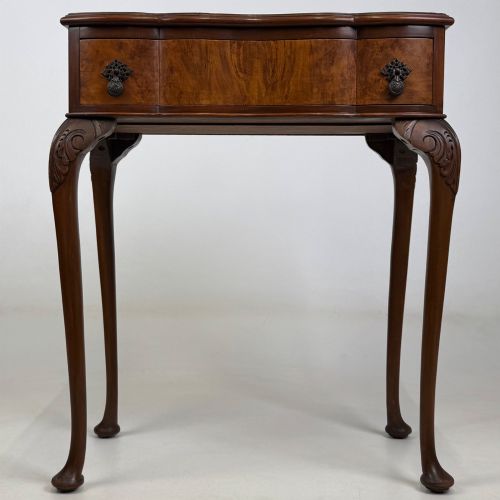
Makers often shaped these tables as side tables, card tables, or serving tables, utilising dense timbers like burr walnut and figured walnut veneer. Forms span from simple rectangular side pieces to elaborate Italian and French designs featuring carved basket bases and marble inserts.
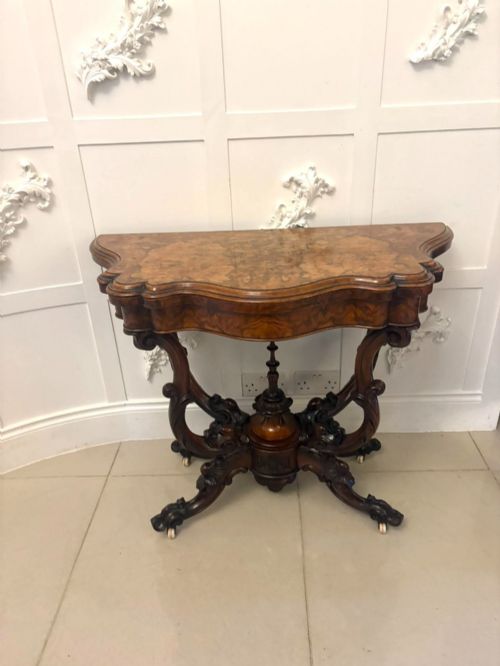
The style ranges from Spanish Baroque and Queen Anne Revival to Rococo Revival and Art Deco, reflecting how different periods reinterpreted the classic console form. Many pieces show regional variations, including Dutch marquetry inlay, Kashmiri craftsmanship, and Anglo-Indian detailing.
How they were made
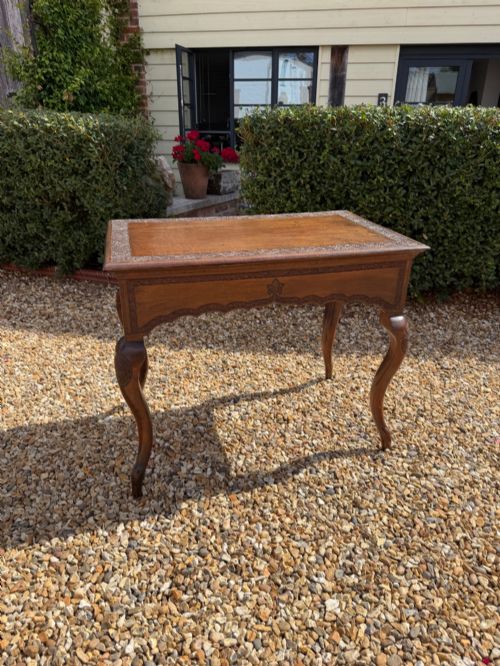
Cabinet makers constructed these consoles using solid walnut or applied figured walnut and burr walnut veneers over secondary timbers like mahogany, creating rich patterns across the table tops. Carving was executed by hand on supports, aprons, and bases, frequently incorporating scrollwork, floral motifs, or figural elements.
Surface details often included brass fittings, ceramic accents, and inset rouge or white marble slabs that provided a durable and decorative top surface. Joinery techniques varied from traditional drawer construction to complex folding mechanisms for card and games tables.
Several tables on this site hide clever folding mechanisms and secret wells designed specifically for holding Victorian playing cards.
What varies in quality
The standard of a carved walnut console is determined by the depth and sharpness of the hand carving on the supports and base, as well as the selection of the walnut timber. Exceptional pieces display highly figured burr veneers with symmetrical grain matching across the top and aprons.
Construction solidity also separates standard production from exhibition pieces, particularly in the weight of the marble inserts, the crispness of applied mouldings, and the integration of secondary woods like mahogany. Maker attribution, such as work originating from established firms, further distinguishes the top tier of survivors.
Maple and Co.·Gillows·Epstein
The Carved Walnut Console Glossary
- Burr walnut
- A veneer sliced from the knotty growth of a walnut tree, prized for its swirling and highly decorative grain pattern. Cabinet makers used it on the primary surfaces of high-status tables.
- Console table
- A table designed to be fixed or placed against a wall, frequently supported by ornate carved legs or brackets at the front. These pieces traditionally held decorative objects or served as side serving surfaces.
- Marquetry
- The art of applying small pieces of veneer to a structure to form decorative patterns and pictures. Dutch examples on this page often utilise floral and pictorial inlay.
- Sutherland table
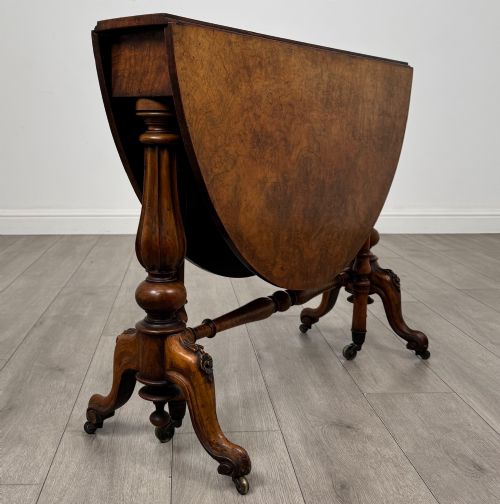
- A narrow drop-leaf table with exceptionally slim legs and deep flaps that fold down almost vertically. They appeared frequently in Victorian drawing rooms for tea and writing.
- Demi-lune
- Half-moon shaped furniture, such as card tables and consoles designed to fit flush against a wall. This form was especially popular during the eighteenth century and the subsequent Queen Anne revivals.
Carved Walnut Console: Frequently Asked Questions
Where did people place console tables?
Console tables were traditionally positioned against walls in entrance halls, formal dining rooms, and drawing rooms where floor space was limited. They served both a decorative purpose for displaying ornaments and a practical function for serving food or playing cards.
Because they were designed to be viewed primarily from the front and sides, many featured flat backs to sit flush against the wall. Grander examples with finished backs, known as freestanding or centre consoles, could also stand away from the wall in large spaces.
How do I identify burr walnut?
Burr walnut is recognisable by its dense, swirling grain patterns filled with small circular clusters and knot formations. This distinctive figure comes from irregular growths on the walnut tree, which produce highly decorative veneers when sliced.
Cabinet makers applied these thin sheets of burr timber to the tops and drawer fronts of tables to create striking visual contrast against plainer solid walnut frames. The grain naturally catches the light differently across the swirls, giving the surface significant depth.
How do I care for walnut furniture?
Walnut furniture requires protection from direct sunlight and extreme humidity fluctuations to prevent the timber and veneers from drying out or splitting. Gentle dusting with a soft, dry cloth is usually sufficient for regular maintenance.
Avoid placing hot items or liquids directly onto the wood or marble surfaces, as walnut and its polished finishes can mark easily. Periodic application of appropriate wax polish helps nourish the timber and maintain its natural lustre.