

Victorian Buffet Table
These Victorian buffet table pieces offer generous tiered storage and serving surfaces, bringing practical elegance to any dining room.
Victorian buffet table forms and variations
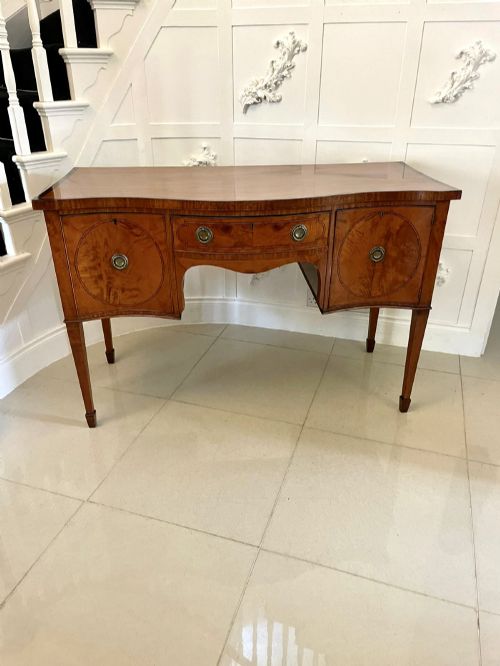
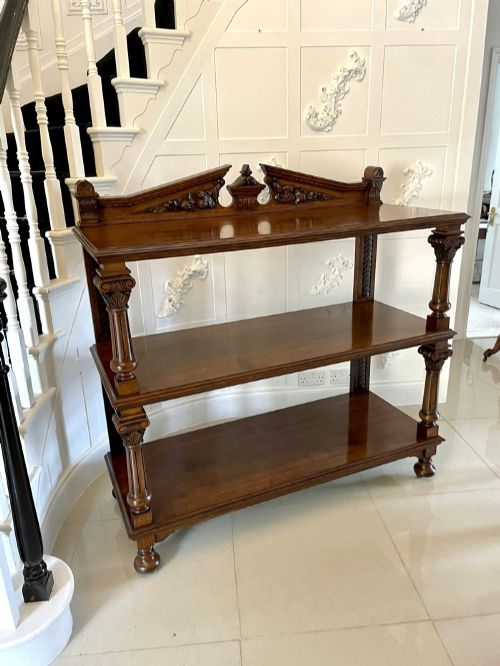
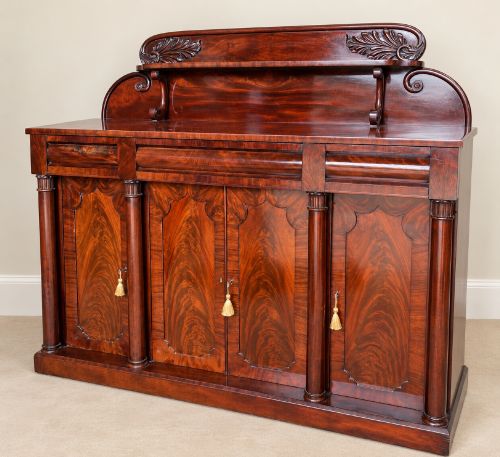
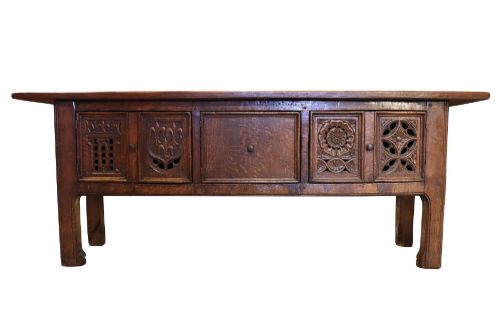
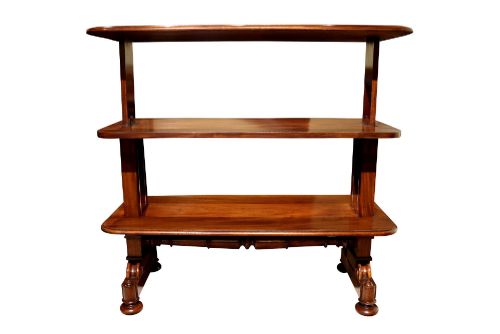
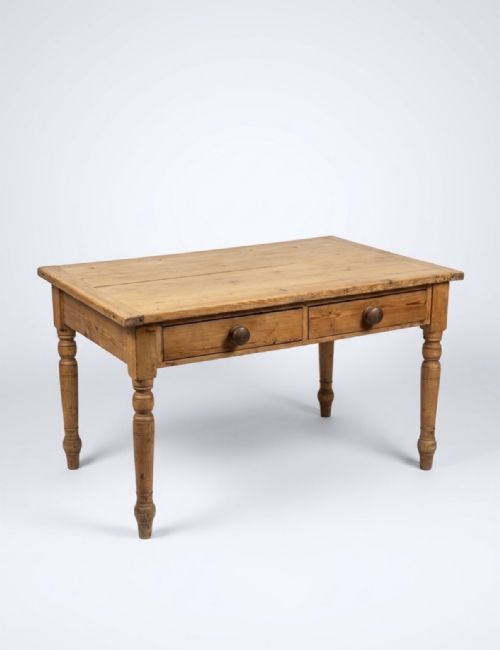
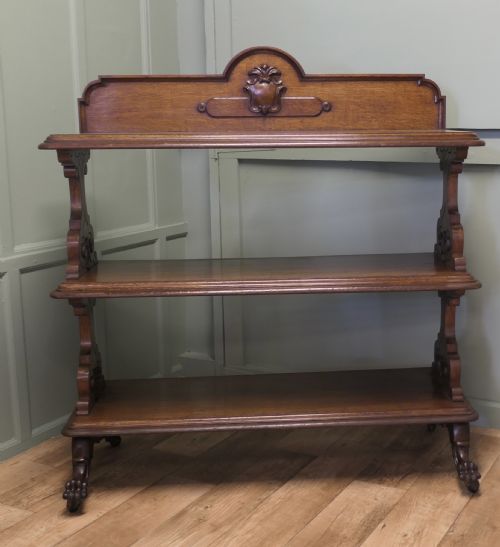
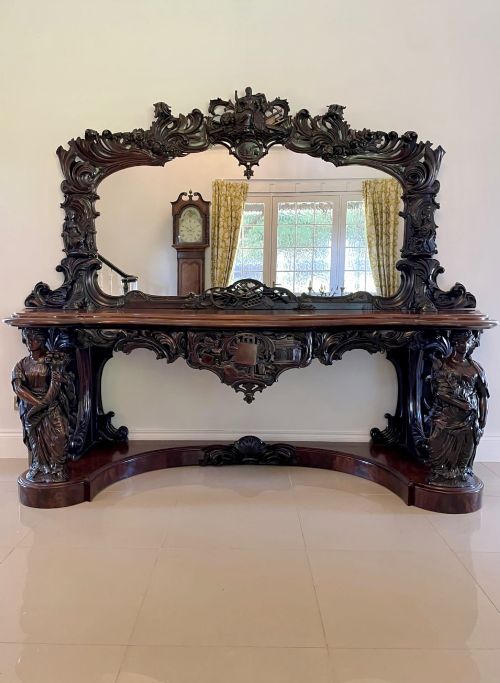
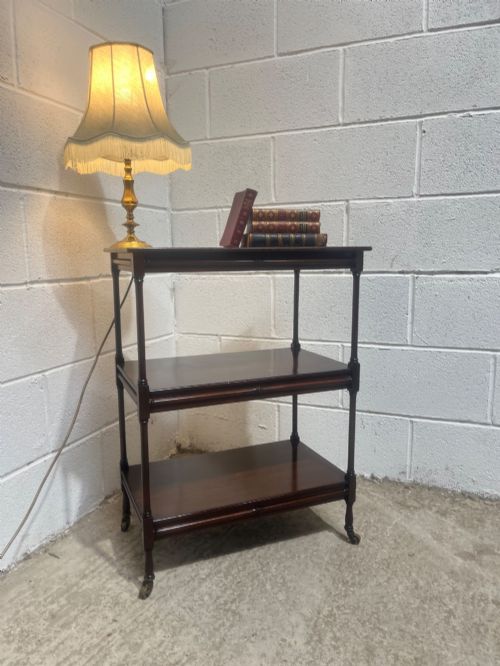
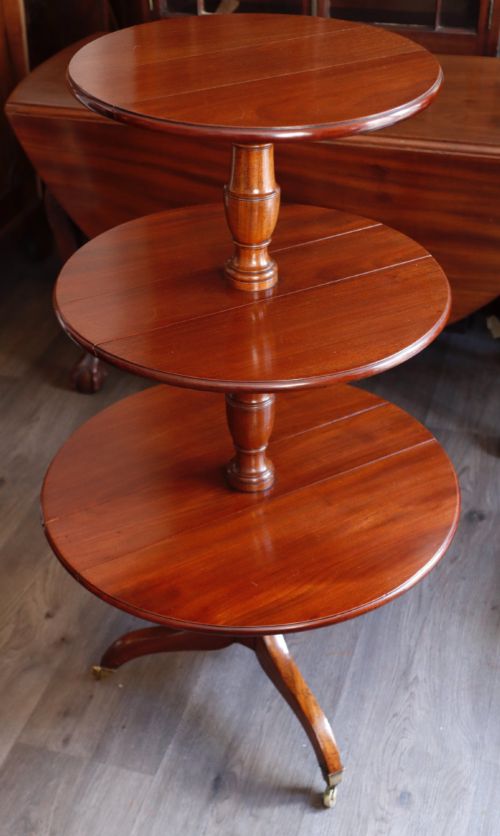
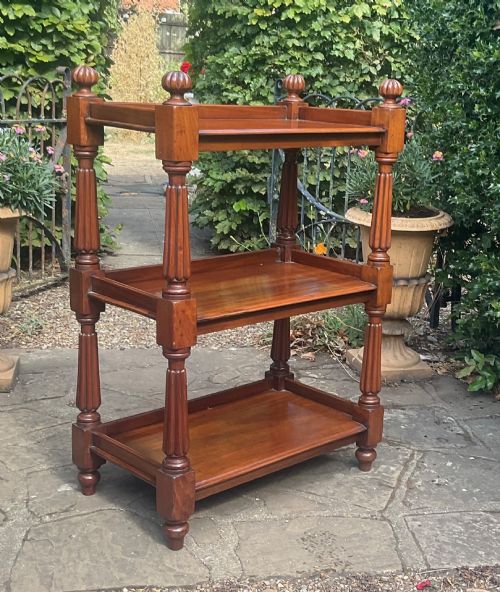
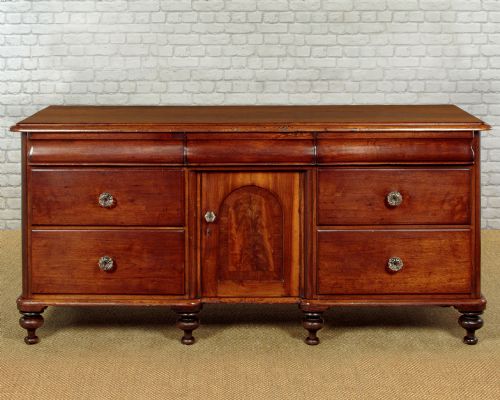
A victorian buffet table serves as a functional dining room piece, encompassing multi-tiered dumbwaiters, serving tables, and sideboards designed for displaying and holding food or tableware. These items range from simple kitchen prep tables to elaborate carved units.
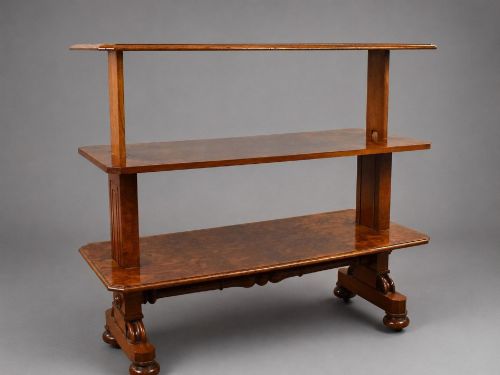
The selections span distinct configurations, including telescopic dumbwaiters, three-tier stands, and pedestal serving tables. Oak and mahogany appear most frequently, alongside decorative burr walnut veneers.
Examples often incorporate rising mechanisms, mirrors, or drop leaves to adapt the surface area during meals. The common thread is domestic utility combined with the heavy aesthetic of the period.
Construction and materials
Cabinetmakers utilised solid timbers like oak, mahogany, and pine for structural integrity, applying decorative veneers such as burr walnut and amboyna to primary display surfaces. Parcel gilt and ebonised wood details provide contrast on select items.
Mechanical elements such as brass fittings facilitate the telescopic, pull-out, or rise-and-fall functions seen on adjustable dumbwaiters. Hand carving decorates the upright supports and structural panels on many oak and mahogany pieces.
Retail Price Guide 2026
Typical UK retail prices for victorian buffet table, calculated from the Sellingantiques database of over a million retail prices indexed since 2003. This retail price guide relies exclusively on Sellingantiques data; no external sources or auction records are used, so the figures do not describe the wider market.
Listings feature oak, mahogany, and burr walnut timbers, with several examples incorporating brass hardware and carved geometric motifs.
Judging construction standards
Superior execution shows in the selection of timber, particularly the grain matching in burr walnut and amboyna veneers across wide surfaces. Solid oak and mahogany frameworks demonstrate tight joinery and stable tiered platforms.
The complexity of the mechanism distinguishes standard side tables from telescopic dumbwaiters or rise-and-fall servers. Smooth operation of brass adjustments and depth of hand carving separate workshop standards.
Maple & Co
The Victorian Buffet Table Glossary
- Dumbwaiter
- A multi-tiered serving stand utilised for holding dishes without requiring extra servants at the table. These often feature revolving or fixed shelves.
- Telescopic
- A descriptor for a mechanism allowing sections of a stand to raise or lower. This permits adjustable height for serving or storage.
- Burr Walnut
- A figured wood veneer harvested from walnut tree growths, prized for its swirling grain patterns. It decorates the top surfaces of formal Victorian servers.
- Gothic Revival
- A nineteenth-century architectural style influencing furniture design through pointed arches and heavy geometric carving. Oak pieces frequently display these motifs.
- Parcel Gilt
- A technique where selective areas of woodwork receive a thin application of gold leaf. This highlights specific carved details against a dark wood ground.
Frequently Asked Questions
What is a Victorian buffet table used for?
These pieces served as auxiliary serving surfaces in dining rooms during the nineteenth century, holding extra dishes, silver, and glassware during large meals.
Today, they function as sideboards, console tables, or display stands in hallways and living spaces.
What woods were used?
Cabinetmakers relied on sturdy timbers like oak, mahogany, and pine for the main structure and everyday utility tables. Exotic and decorative veneers such as burr walnut and amboyna covered formal reception pieces.
Ebonised wood and parcel gilt accents provided additional visual contrast on specific stylistic examples.
Are these tables adjustable?
Certain forms, particularly telescopic dumbwaiters and rise-and-fall servers, incorporate brass mechanisms that alter the height of the tiers. This engineering allowed servants to adjust surfaces according to the room's needs.
Most standard serving tables and tiered stands remain fixed in their construction.