




Meiji Porcelain Charger
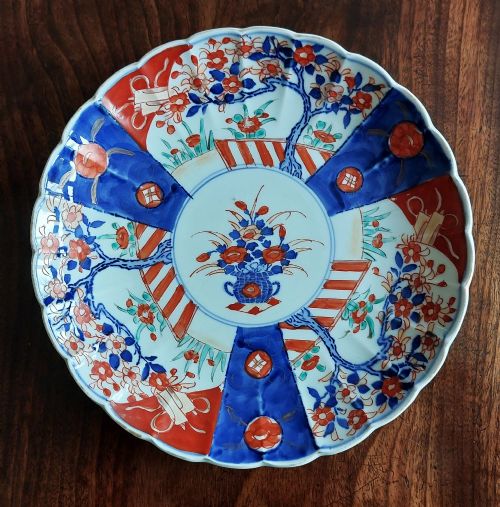
When you search for a meiji porcelain charger, you uncover large decorative plates shaped by Japanese kilns during the late nineteenth and early twentieth centuries.
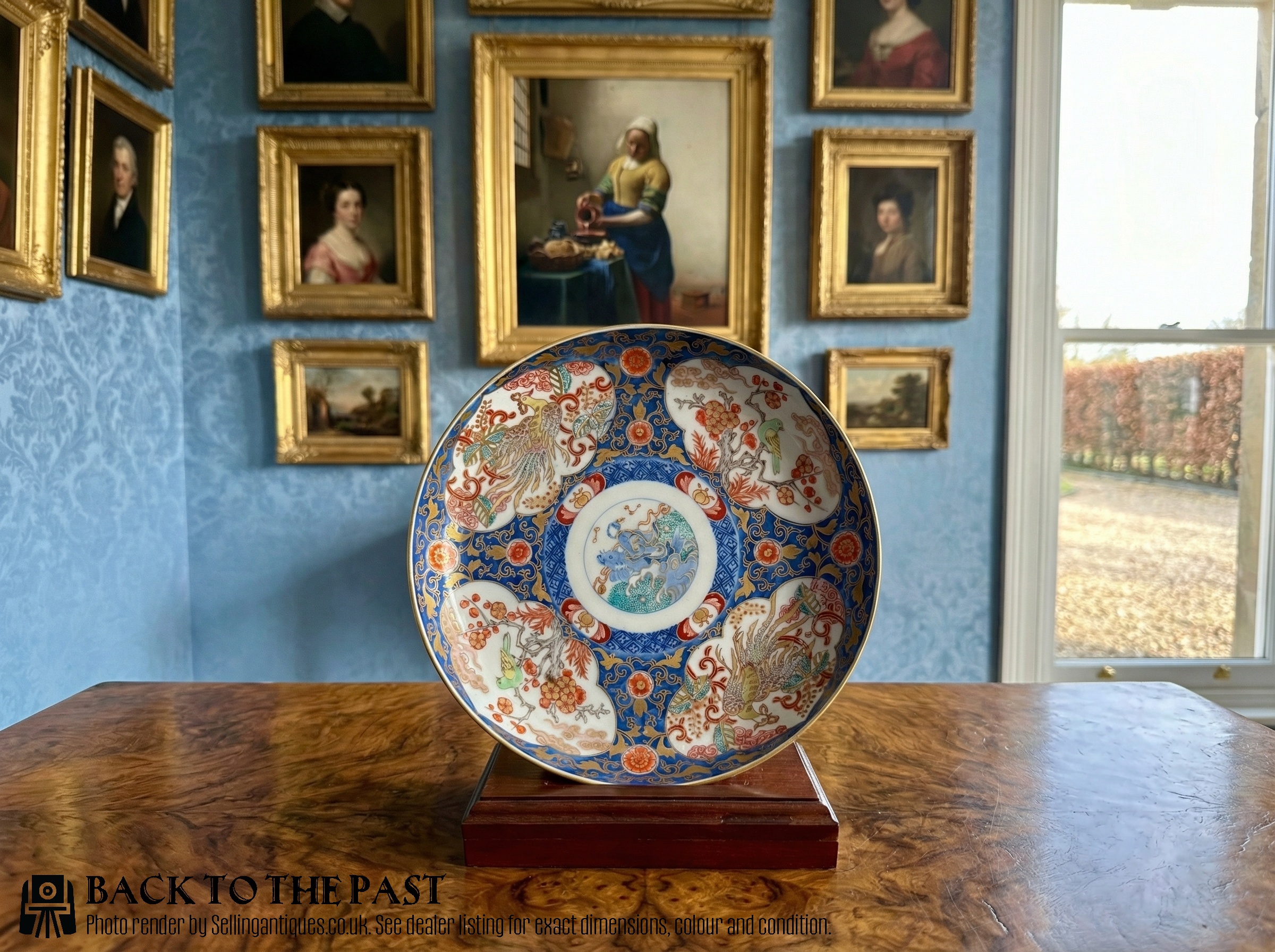
Meiji Porcelain Charger
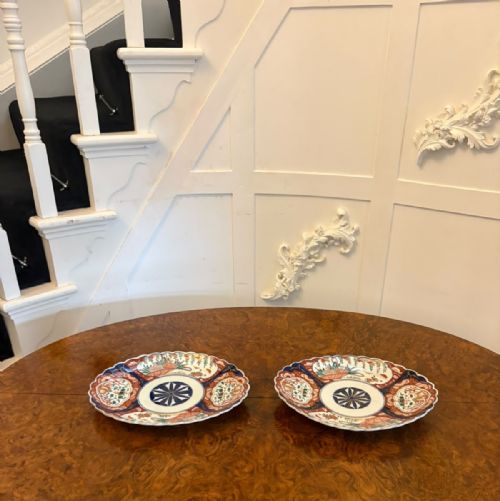
A meiji porcelain charger is a broad decorative dish created in Japan during the Meiji period and subsequent transitional years. These large ceramic pieces were designed primarily for display rather than dining.
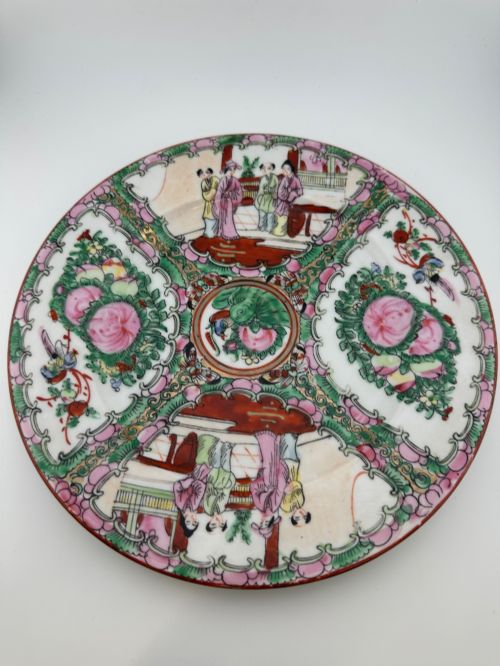
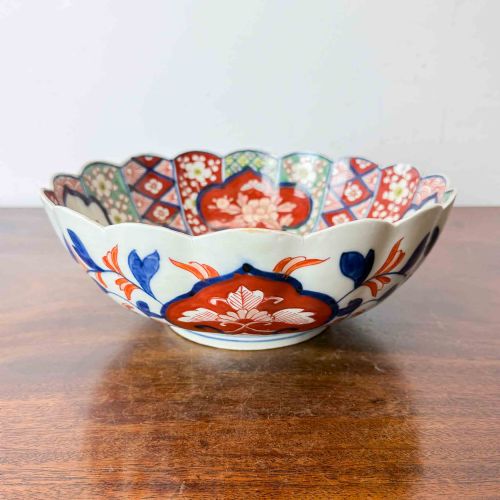
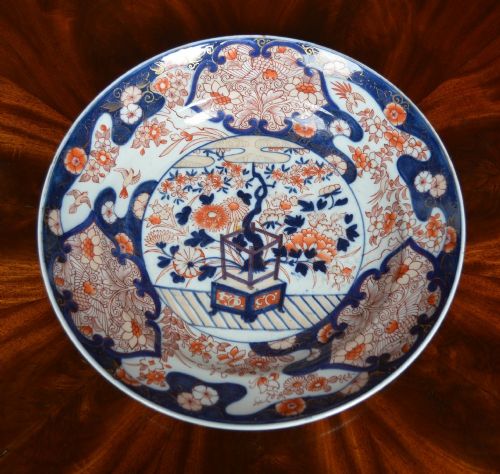
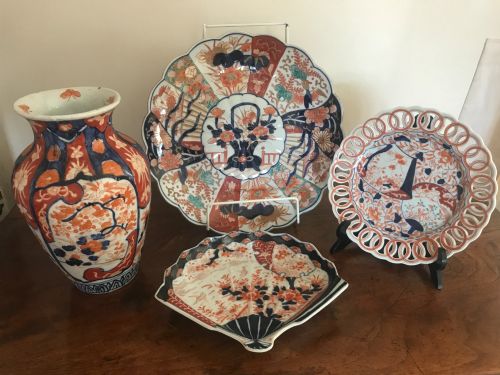
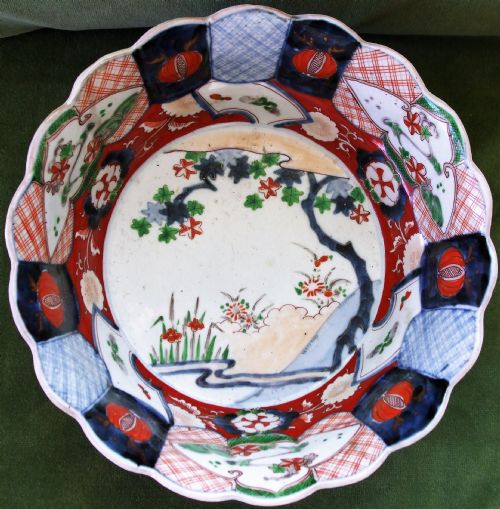
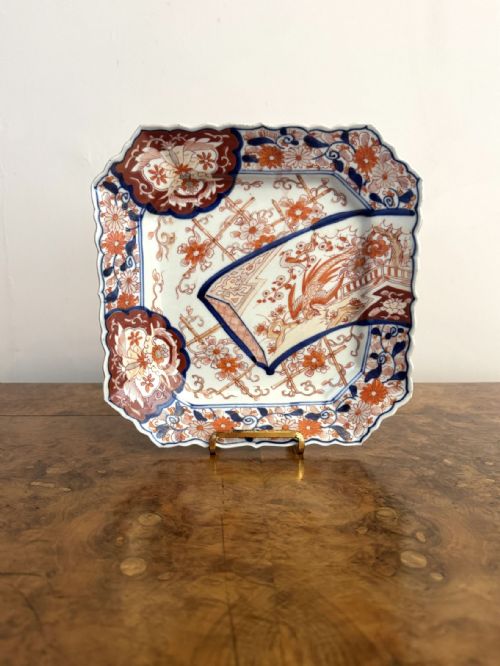
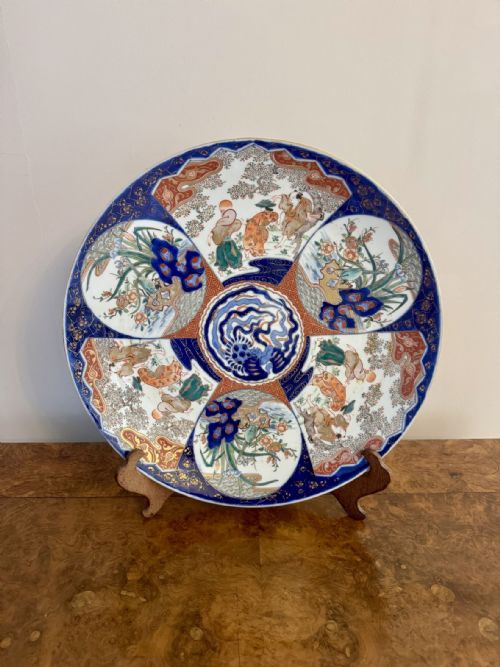
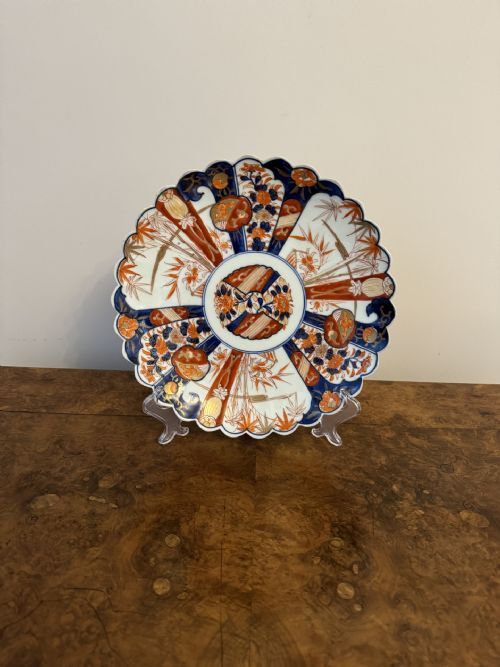
The objects seen on this page span the nineteenth and early twentieth centuries, including pieces from the 1880s through to the 1920s. Common forms include circular chargers, scalloped edge plates, and wide bowls.
Most examples originate from traditional centres of production such as Imari, Kutani, and Arita. They bring bold palettes and intricate hand-painted motifs into contemporary interiors.
How They Were Made
Potters shaped these pieces from fine porcelain and earthenware, often working on a large scale to form heavy display plates and bowls. Cobalt underglaze provided the deep blue foundation for many classic designs.
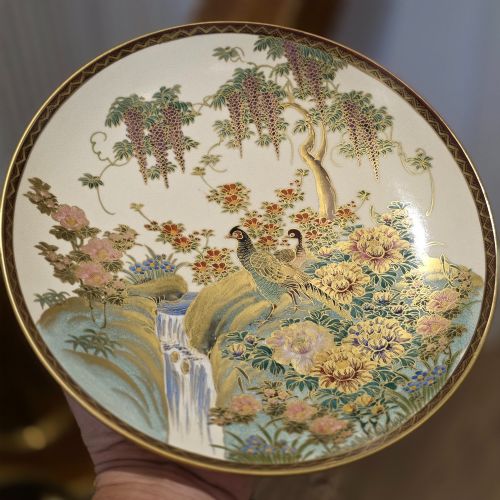
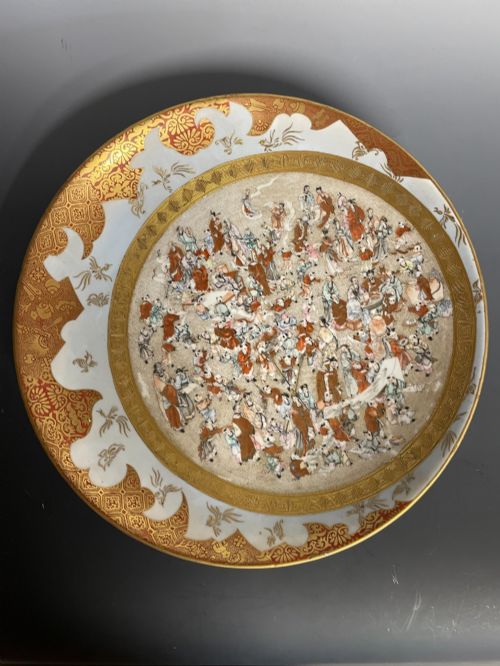
Enamel, gold leaf, and gilding were applied over the glaze to build up complex pictorial surfaces. Artisans painted floral patterns, exotic birds, and figurative scenes by hand.
Firing techniques in regional kilns fixed the cobalt alongside rich red and gold pigments. Scalloped edges and square shapes required careful hand-modelling before the glaze vitrified.
Listings span the nineteenth and early twentieth centuries, featuring materials such as porcelain, enamel, gold leaf, and cobalt underglaze.
What Varies in Quality
Quality rests upon the precision of the hand-painting and the depth of the palette. Strong brushwork in cobalt underglaze combined with generous gilding sets the superior pieces apart.
The crispness of moulded details, such as scalloped rims or unusual square profiles, indicates the skill of the original workshop. Finer chargers maintain balance across large surface areas without crowding the decorative motifs.
Koshida
The Meiji Porcelain Charger Glossary
- Imari
- A style of Japanese porcelain decorated in underglaze blue, iron red, and gold. This palette dominates the chargers and plates found on this page.
- Meiji Period
- The era of Japanese history lasting from 1868 to 1912. Pieces from this time combine traditional techniques with new decorative ambitions.
- Kutani
- A style of Japanese coloured porcelain known for pictorial designs. It appears across several dishes and chargers in the collection.
- Arita
- The Japanese town where porcelain production first took root. Arita kilns produced many of the blue and white chargers seen here.
- Moriage
- A type of raised enamel decoration applied to Japanese ceramics. It creates a textured surface that stands proud of the porcelain body.
Meiji Porcelain Charger: Frequently Asked Questions
What is a meiji porcelain charger used for?
These large ceramic pieces were created for decorative display rather than functional dining use. Makers designed them to be shown on walls, cabinets, or specialised stands.
Collectors today continue to display them as focal points in interiors, utilising their size and rich palettes to draw the eye.
How do I identify a meiji period piece?
Meiji period items date from between 1868 and 1912, aligning with the reign of Emperor Meiji. Look for characteristic Imari or Kutani palettes alongside hand-painted floral and avian motifs.
Many examples feature cobalt underglaze combined with iron red and gilt highlights typical of this transitional era in Japanese ceramics.
What is the difference between Imari and Kutani?
Imari porcelain traditionally relies on a distinct palette of underglaze blue, iron red, and gold leaf. The designs often feature dense geometric and floral patterns.
Kutani ware typically showcases a different pictorial approach with bold enamel colours. Both styles are represented among the decorative chargers on this page.
How should I display a large charger safely?
Large chargers require sturdy wall mountings or dedicated display stands designed to take the weight of heavy porcelain. Ensure the rim is securely supported without placing undue pressure on the glaze.
Keep pieces away from direct sunlight and areas of heavy foot traffic to protect the hand-painted enamel and gold leaf.