

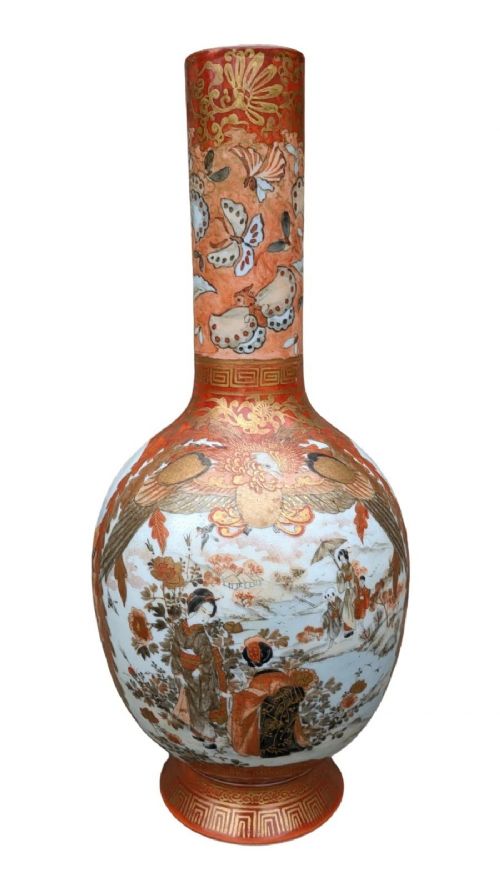
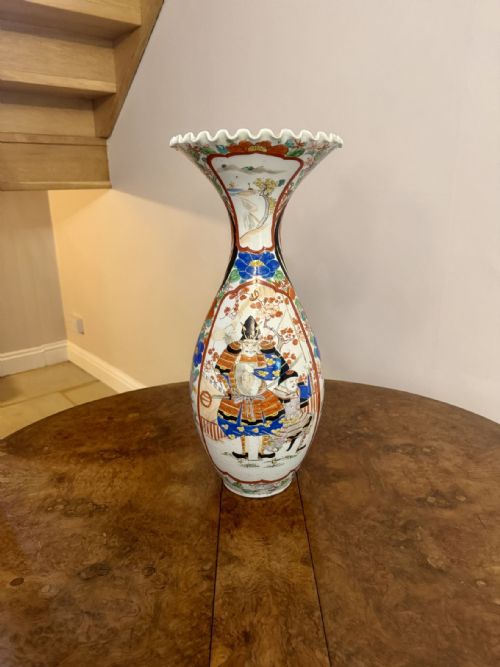
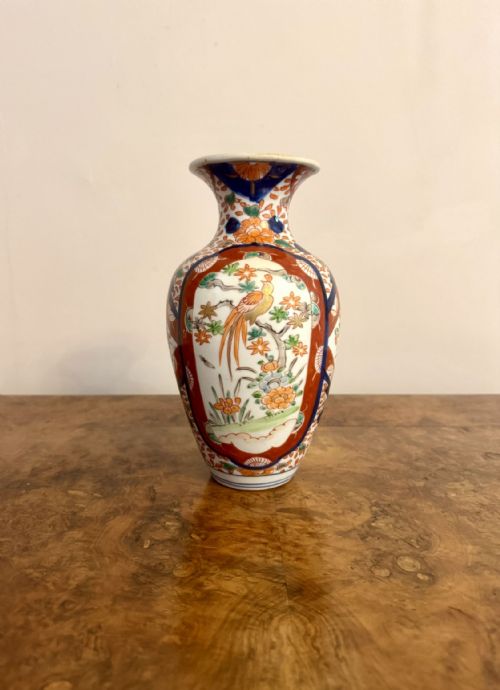
Meiji Period Porcelain Vase
These meiji period porcelain vase pieces bring remarkable Japanese artistry into your home, offering centuries of decorative tradition.
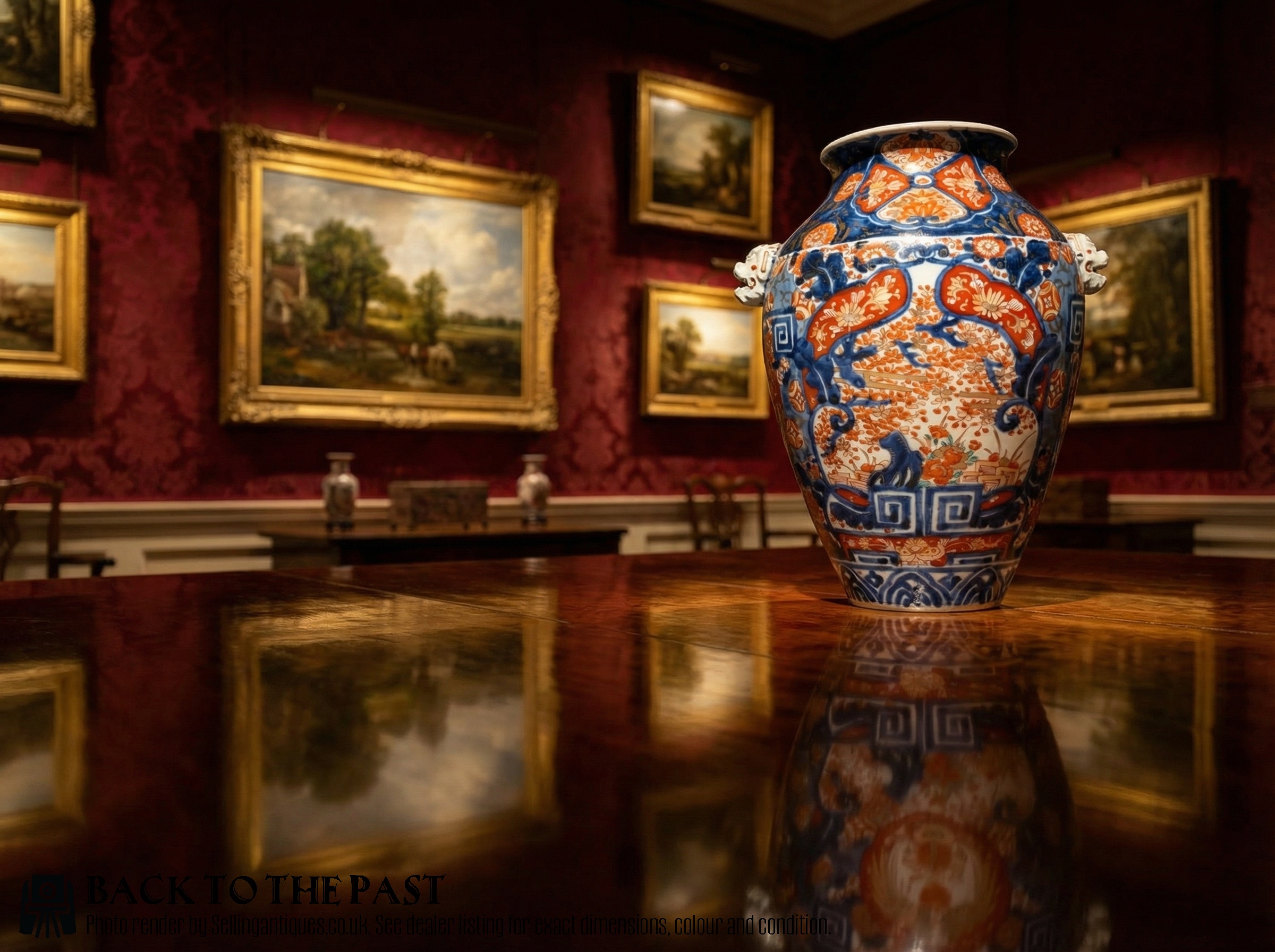
What They Are
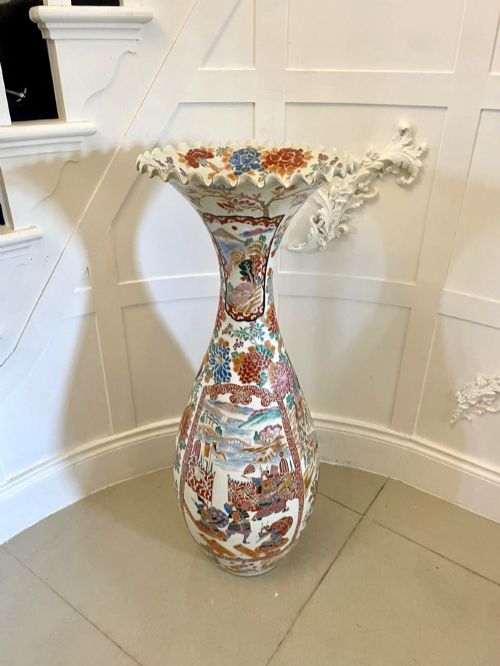
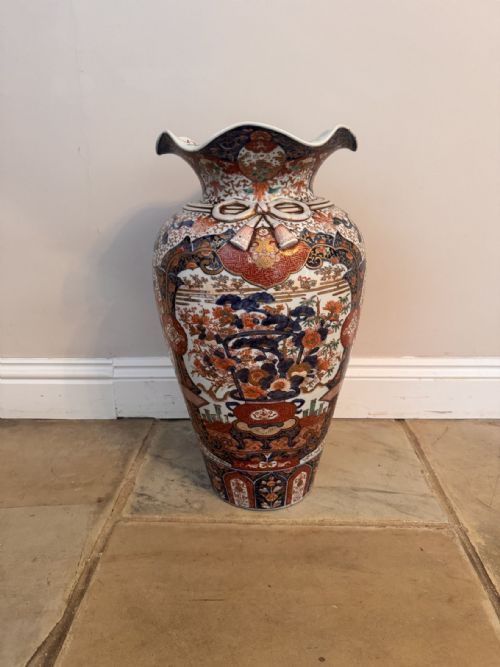
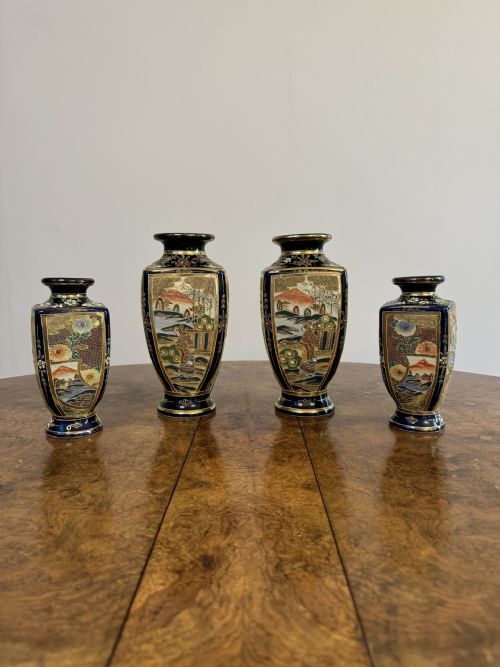
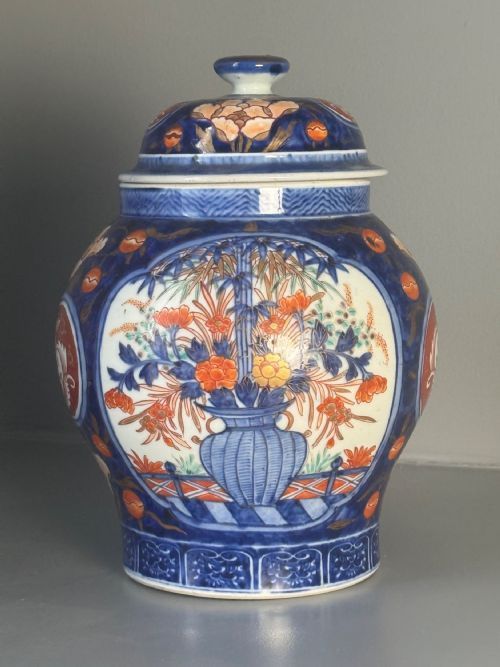
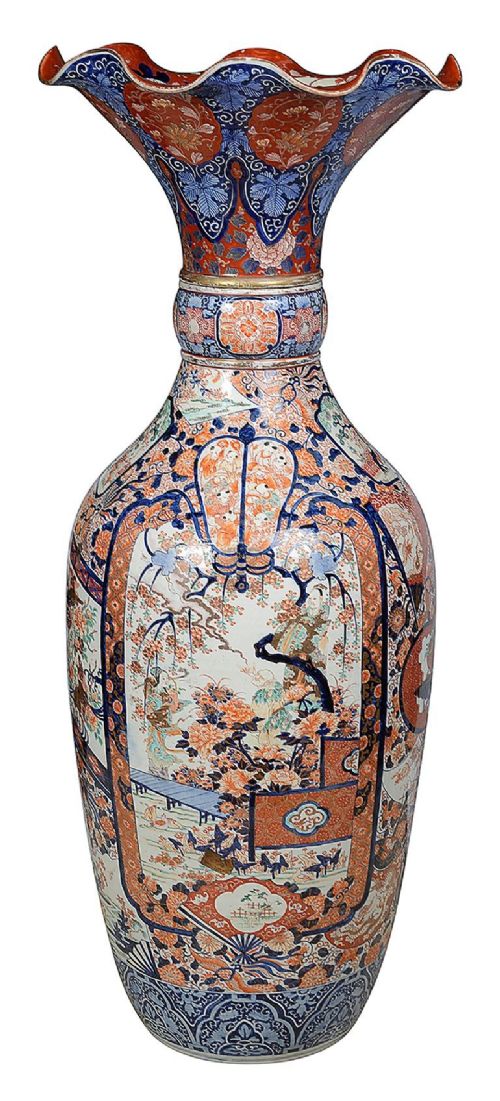
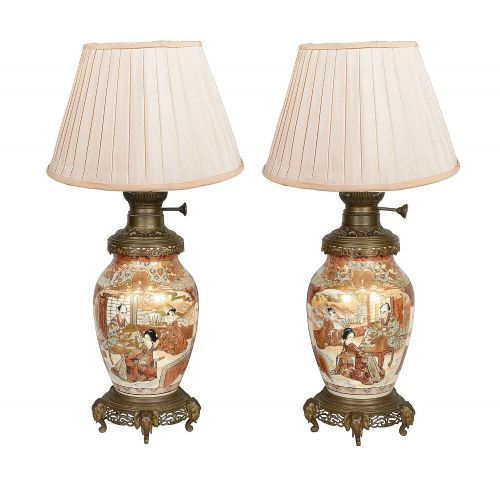
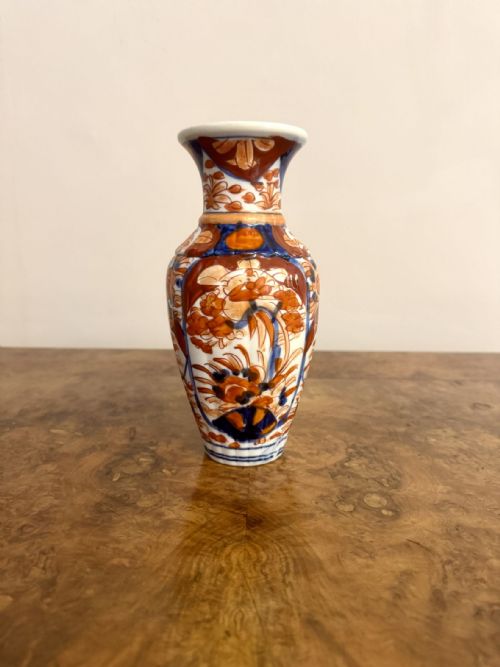
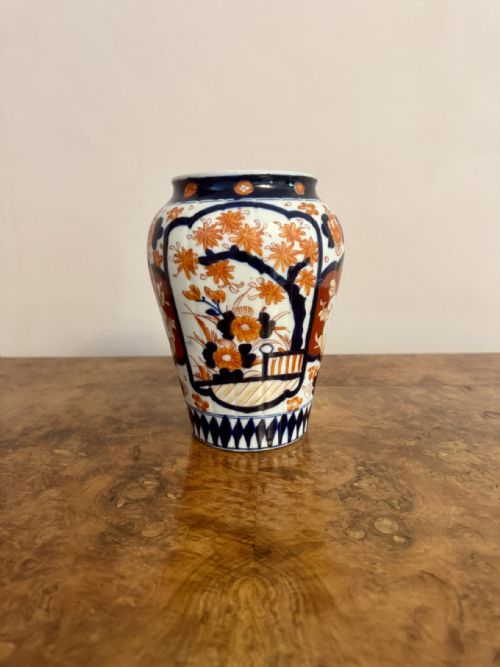
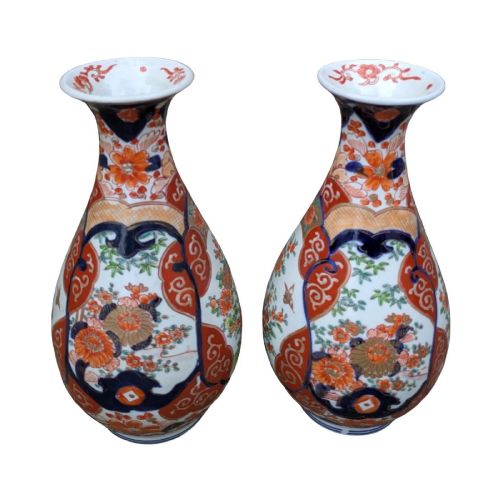
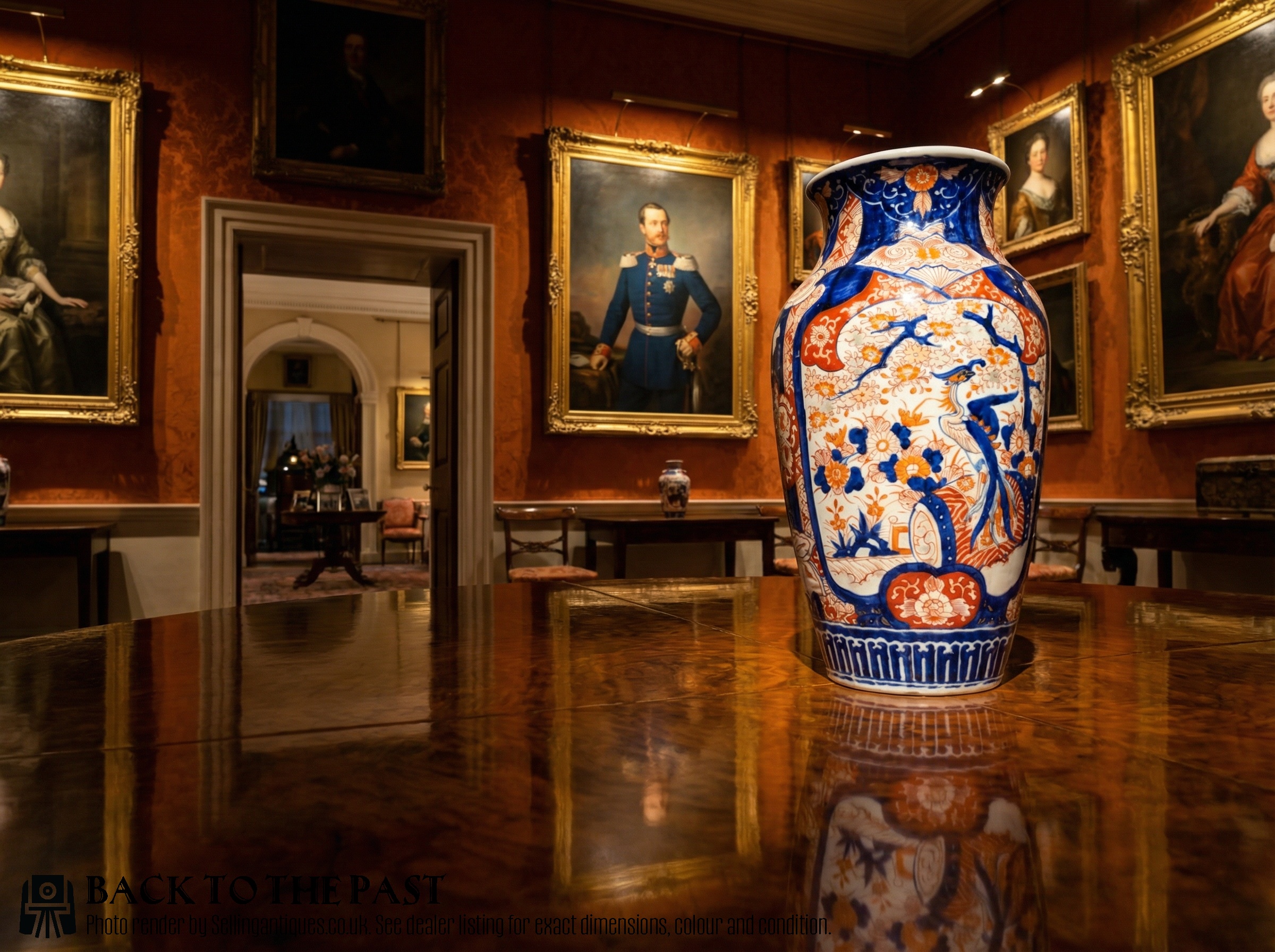
A meiji period porcelain vase brings the distinct ceramic artistry of late nineteenth and early twentieth century Japan into a domestic interior. These vessels span grand floor-standing shapes and lidded urns down to delicate bottle forms and brush pots.
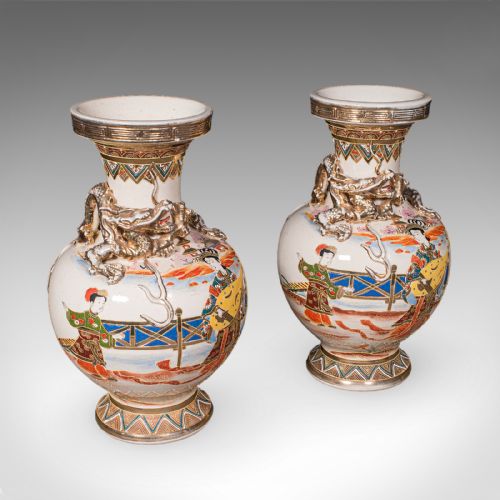
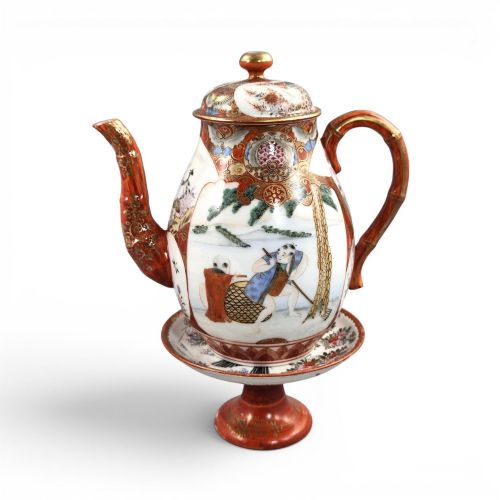
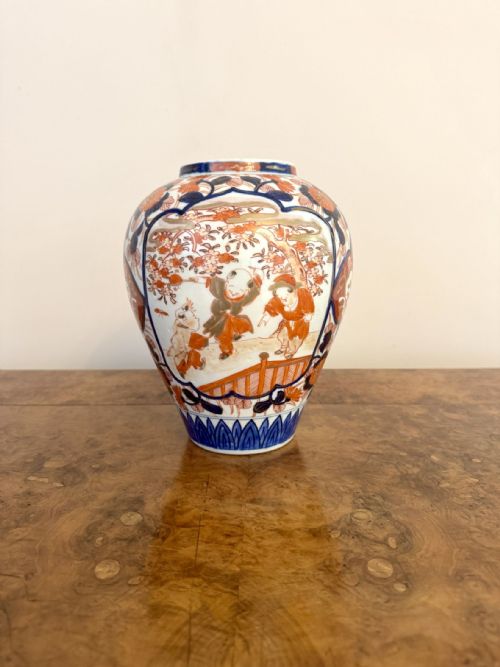
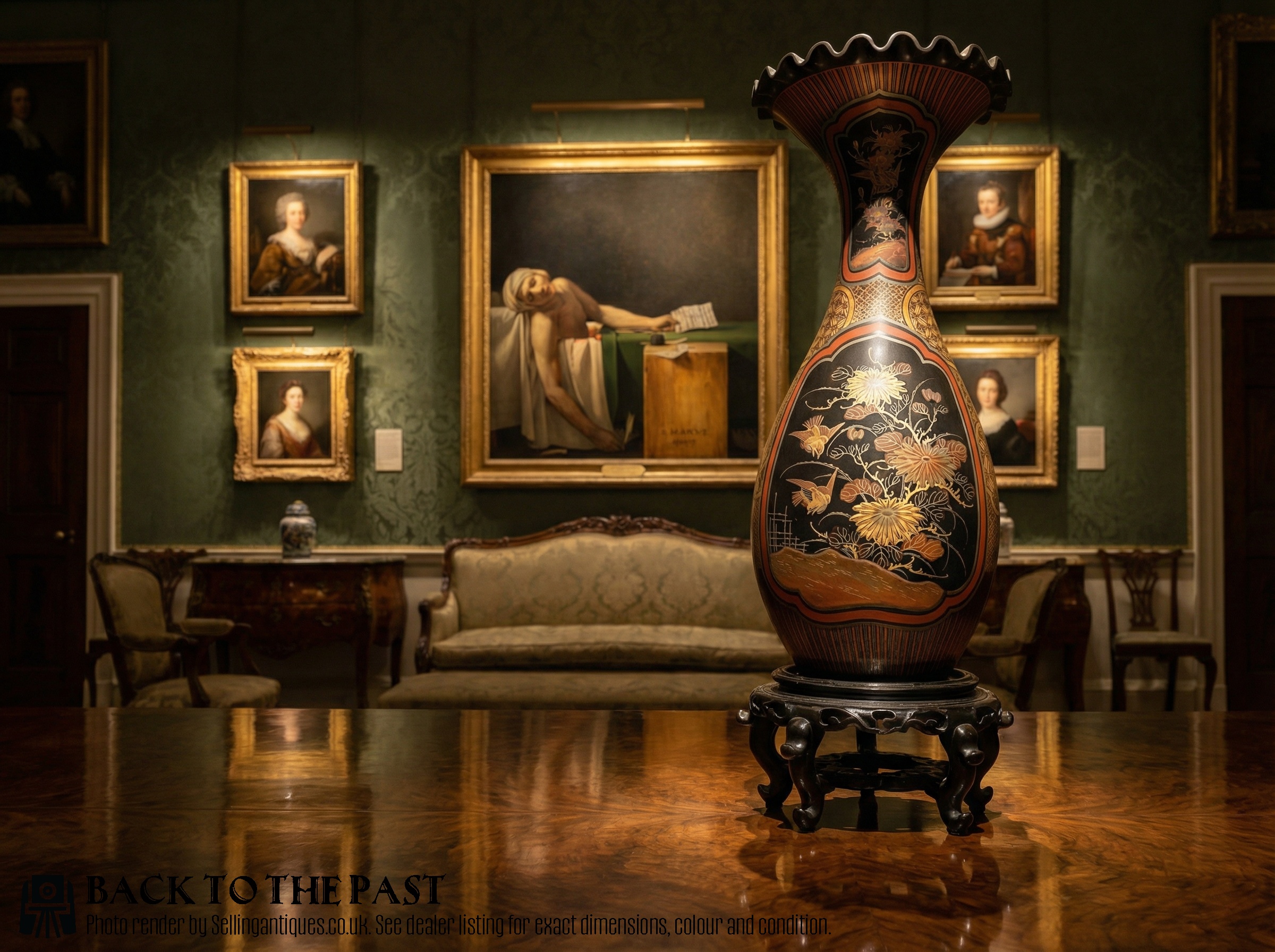
The most common examples encountered on this page belong to the Japanese Imari and Kutani traditions, alongside Kakiemon styles and specialised lacquer-finished bodies. Collectors often find pieces decorated with classic motifs such as dragons, phoenixes, quails, and lakeside scenes.
Dating across the nineteenth century and into the Edwardian era, these works reflect both traditional domestic use and the expanding export market of the period. Each piece demonstrates the specific kiln methods and decorative vocabularies of historic Japanese pottery centres.
How They Were Made
Makers utilised refined porcelain clay shaped on the wheel or in moulds, then fired at high temperatures to achieve a dense, durable body. Surface enrichment involved heavy enamel pigments and detailed glaze applications.
Many examples incorporate gold leaf highlights, alongside specialised treatments such as lacquer layered over black paint. Lidded vessels and figural works demanded advanced modelling skills from the potters before final glazing and firing.
Retail Price Guide 2026
Typical UK retail prices for meiji period porcelain vase, calculated from the Sellingantiques database of over a million retail prices indexed since 2003. This retail price guide relies exclusively on Sellingantiques data; no external sources or auction records are used, so the figures do not describe the wider market.
Keep an eye out for lurking Foo Dogs and delicate quails hiding amongst the intricate enamel brushwork.
What Varies in Quality
The distinction between standard commercial output and superior craftsmanship rests upon the precision of the hand-painted enamel and the ambition of the form. Large-scale pieces and complex lidded urns demand exceptional control during both the forming and firing stages.
Refinement in the palette, particularly the careful placement of gold leaf and intricate pictorial scenes such as birds or mythological beasts, separates ordinary production from works by noted houses and skilled artisans.
The Meiji Period Porcelain Vase Glossary
- Imari
- A traditional Japanese decorative style featuring rich underglaze blue and iron red, often enhanced with gold leaf. This palette became immensely popular across Europe during the nineteenth century.
- Kutani
- A style of Japanese porcelain known for its bold pictorial decoration, frequently incorporating vibrant enamel colours and intricate natural scenes. Kutani wares often depict birds, figures, or landscapes.
- Kakiemon
- An asymmetric Japanese ceramic style utilising a refined, milky white porcelain body decorated with delicate, understated enamel motifs. It represents one of the earliest export traditions from Japan.
- Hirado
- A fine grade of Japanese porcelain historically produced for presentation or export, celebrated for its smooth white glaze and subtle sculptural detail. These wares display exceptional technical refinement.
- Arita
- The historic centre of Japanese porcelain production where local clays and high-temperature kilns established the foundation for Imari and other export styles. Arita pottery set the technical standard for the region.
Frequently Asked Questions
How were these vases used?
These vessels served primarily as decorative centerpieces in traditional Japanese interiors and later as prominent display objects in Western drawing rooms. Larger lidded jars and floor-standing pieces were designed to occupy corners or halls.
Smaller bottle forms and brush pots held scholar's tools or single floral arrangements. Their decorative schemes were intended to be admired up close for their detailed narrative and natural scenes.
Where should I display my vase?
Position your vessel away from direct sunlight to preserve the vibrancy of the hand-painted enamel colours and gold leaf highlights. Ensure the display surface is stable and capable of supporting the weight of larger floor or table pieces.
Keep them out of high-traffic areas where accidental knocks might occur. A dedicated cabinet or a secure low table allows the intricate patterns to be viewed properly.
How do I identify a period piece?
Examine the base and glaze characteristics for signs of nineteenth-century manufacturing techniques, such as kiln marks and subtle irregularities in the porcelain body. Compare the decorative palette, whether Imari, Kutani, or Kakiemon, against known historical conventions.
Check for the characteristic weight and texture associated with historic export wares. Familiarity with the specific motifs used during this era helps distinguish authentic period pieces from later reproductions.