


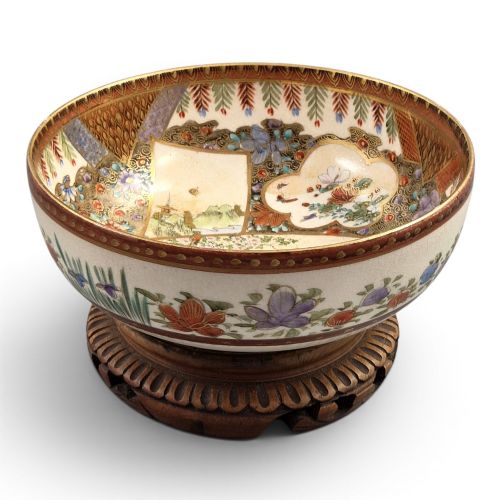


Meiji Period Enamel Dish
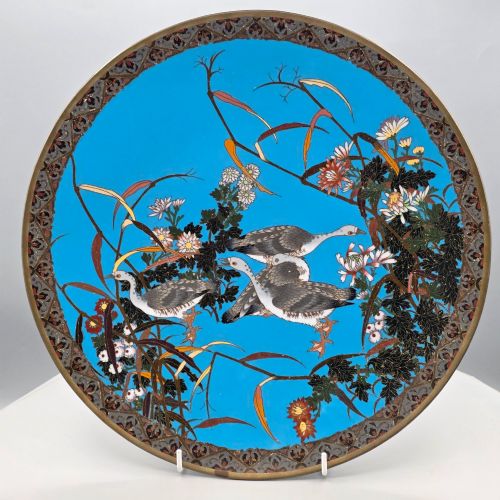
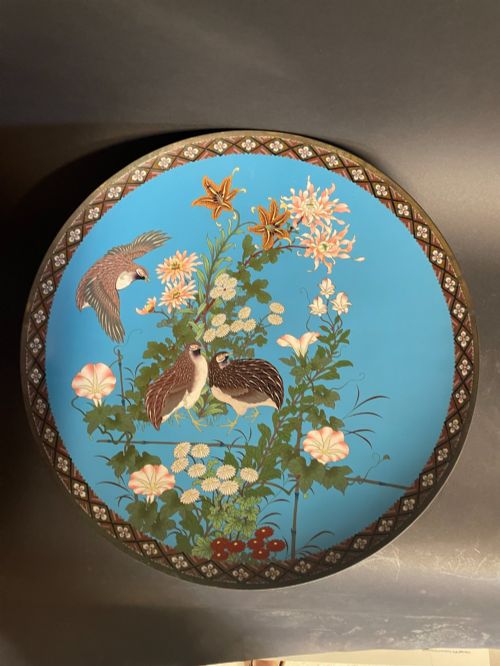
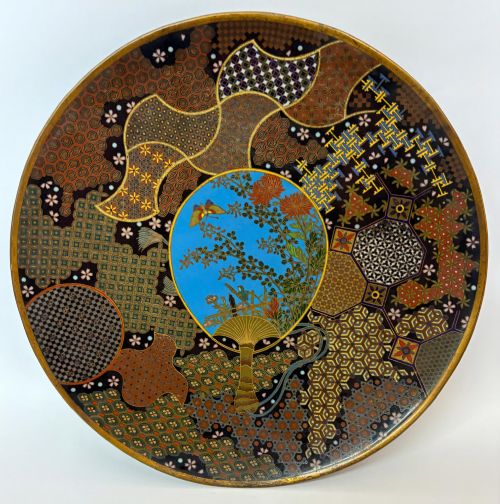
When you seek a meiji period enamel dish, you are looking at decorative chargers, bowls, and plates from late nineteenth-century Japan.
Meiji Period Enamel Dish
Most examples found in collections date from the 1870s to the 1900s, utilising traditional motifs such as birds, dragons, flowers, and landscapes. The form ranges from small plates to large decorative chargers measuring over thirty centimetres across.
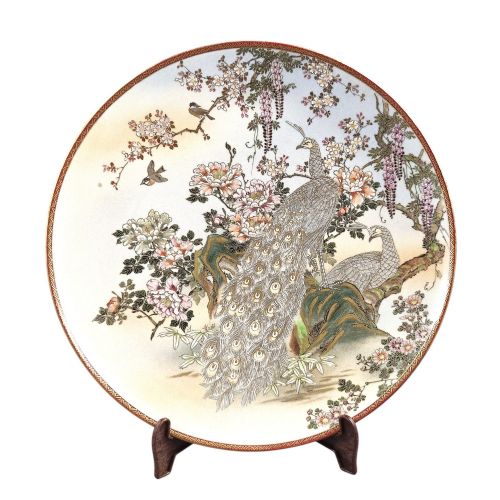
Alongside metal-based cloisonne works, the selection includes porcelain and earthenware bodies decorated with coloured enamels, such as Satsuma and Kutani wares. These variations reflect the diverse output of Japanese kilns and workshops during the Meiji era.
Materials and technique
Cloisonne enamel pieces are built on metal bases such as copper or brass, where fine metal wires form cells known as cloisons. These compartments are filled with coloured enamel paste and fired multiple times before being polished to a smooth finish.
Porcelain and earthenware versions utilise ceramic bodies painted with coloured enamels and sometimes accented with gold leaf. Techniques like Totai Shippo apply cloisonne enamel directly onto porcelain surfaces, combining ceramic and metalworking traditions.
Materials recorded across the inventory include copper, brass, porcelain, earthenware, and gold leaf alongside traditional enamel.
What separates the fine examples
The precision of the wirework in cloisonne pieces dictates much of the visual distinction, where finer lines and denser patterns require greater technical skill from the artisan. The complexity and detail of the pictorial subject, from landscapes to mythical creatures, also elevate the piece.
Signatures from notable makers or workshops indicate higher studio standards, while the richness and uniformity of the fired enamel colours contribute to overall visual harmony. The absence of surface flaws and the careful finishing of the metal rims show superior workshop execution.
Kozan·Meizan·Shuzan for Yasuda·Kinkozan
The Meiji Period Enamel Dish Glossary
- Cloisonne
- A technique where metal wires are soldered to a base to create compartments for enamel paste. This method allows for detailed pictorial designs.
- Charger
- A large decorative plate intended for display rather than dining. These pieces often feature the most elaborate artwork in a collection.
- Totai Shippo
- Cloisonne enamel applied over a porcelain body rather than metal. This technique creates a textured surface resembling tree bark.
- Satsuma ware
- A type of Japanese earthenware featuring a crackled ivory glaze decorated with coloured enamels and gilt. It often depicts figures, flora, and fauna.
- Kutani ware
- Japanese porcelain known for bold colour palettes, particularly iron red and green. These items range from chargers to miniature bowls.
Meiji Period Enamel Dish: Frequently Asked Questions
How were these dishes used?
These pieces were primarily created for display in domestic settings or for export to Western markets during the Meiji period. Large chargers were mounted on stands or hung on walls to showcase Japanese craftsmanship.
Smaller plates and trays served as decorative receptacles for small items or were appreciated purely for their pictorial and symbolic artwork.
How do I identify the Meiji period?
The Meiji period spans from 1868 to 1912, a time when Japanese decorative arts flourished and opened to international trade. Pieces from this era often bear specific stylistic traits, such as naturalistic motifs combined with high technical precision.
Signed works and distinct regional output from places like Nagoya help narrow down the date of manufacture to specific decades within the late nineteenth century.
What motifs appear on these pieces?
Common subjects include native flora and fauna such as chrysanthemums, wisteria, birds, fish, and dragons. Mythical figures and landscapes involving Mount Fuji also frequent the designs.
Many of these motifs carry traditional auspicious meanings, reflecting good fortune, longevity, or seasonal changes in Japanese culture.
How should I care for enamel dishes?
Display these items away from direct sunlight to prevent any fading of the delicate enamel colours over time. Dust them gently with a soft, dry cloth without applying harsh cleaning agents.
Handle chargers and plates carefully by their edges, supporting the base properly when moving them between locations.