


Blue Japanese Enamel Plate
A blue japanese enamel plate brings intricate metalwork and rich cobalt tones into a room through historic artistry.
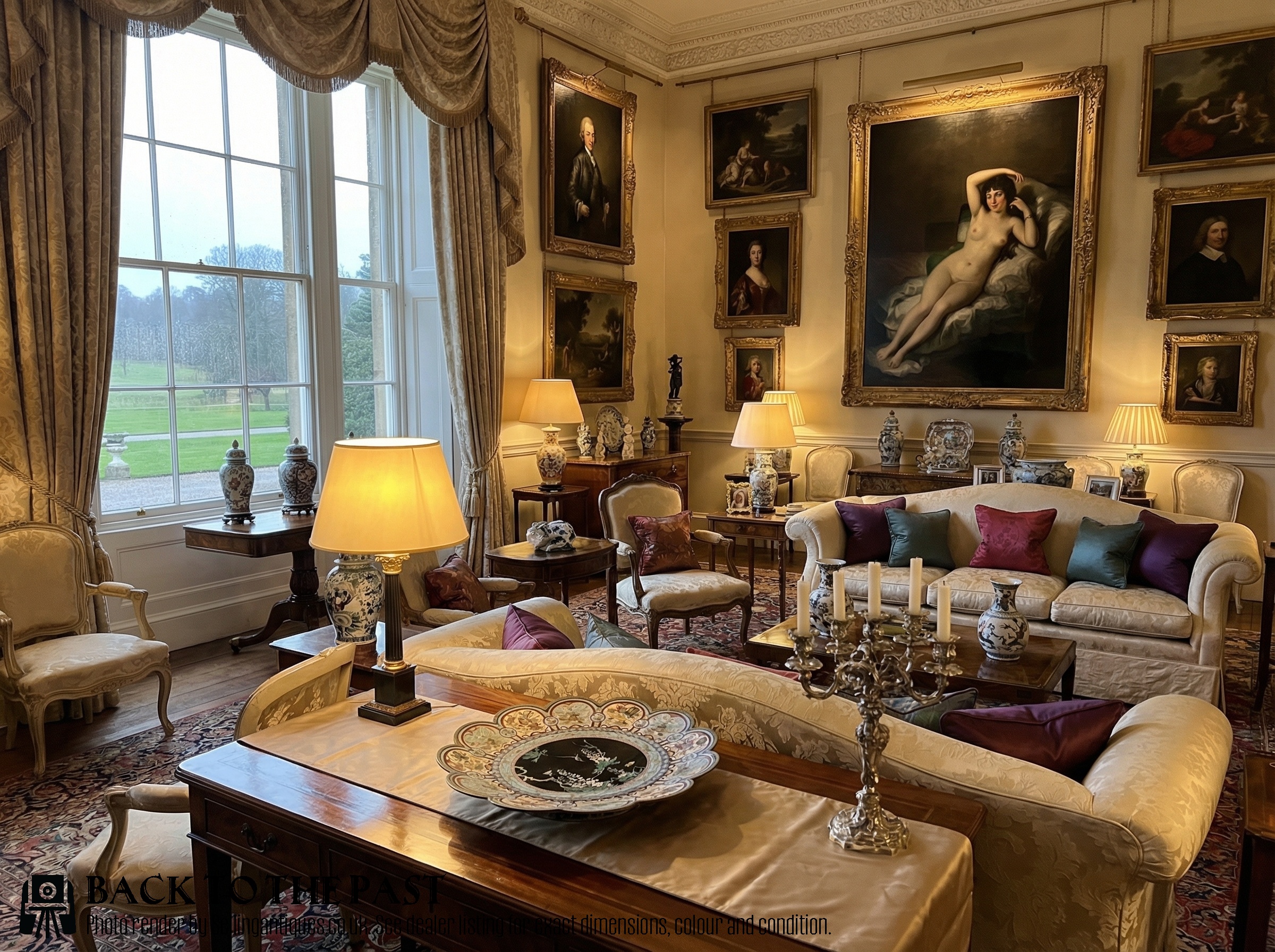
Blue Japanese Enamel Plate
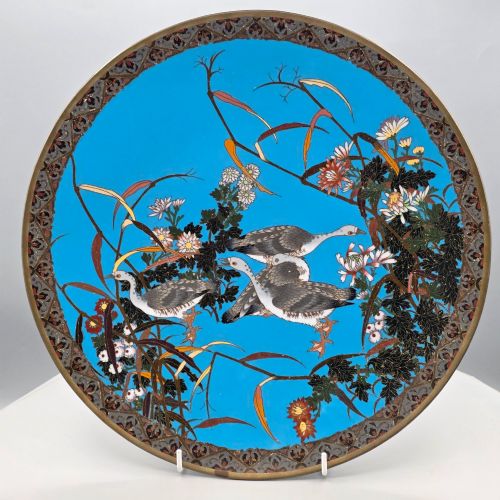
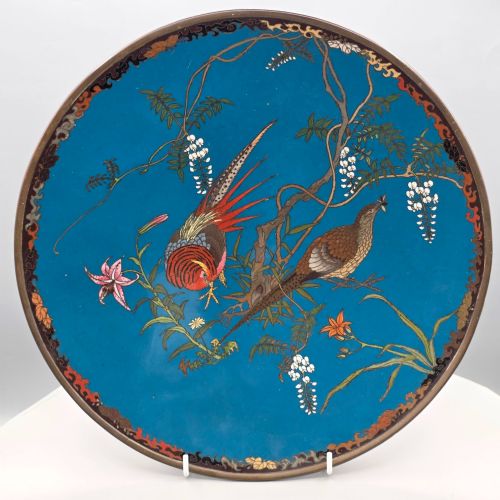
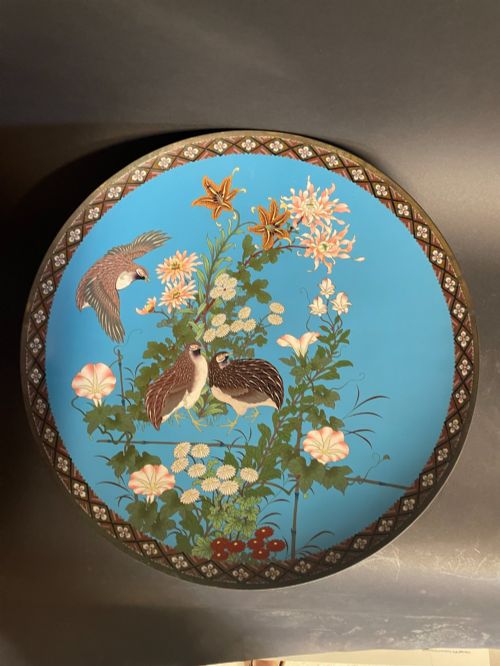
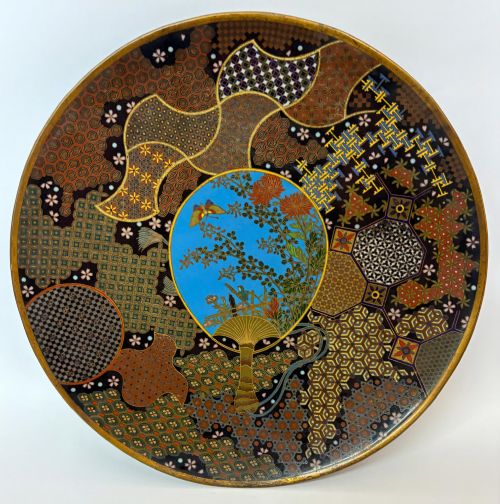
When you search for a blue japanese enamel plate, you encounter decorative chargers, trays, and dishes originating primarily from the Edo and Meiji periods. These pieces serve as visual focal points, displaying detailed motifs such as koi, dragons, birds, and botanical subjects.
The version you most frequently meet on this page is the cloisonne enamel charger, often measuring medium to large in scale. Such items reflect the decorative ambitions of nineteenth-century Japanese metalwork, spanning from the eighteen-fifties through the nineteen-hundreds.
The category also encompasses Imari porcelain bowls and plates alongside metal-based cloisonne wares. Together, these formats demonstrate the varied decorative output associated with historic Japanese export and domestic markets.
Materials and construction methods
Makers formed the structural body of these vessels using copper, brass, or bronze bases, shaping them into plates, chargers, and shallow bowls. Porcelain also appears among the listings as an alternative base material for decorated Imari wares.
Workers applied thin brass or silver wire to outline distinct pictorial cells across the metal surface. These wire compartments were then filled with coloured enamel pastes before firing and polishing.
Listings span periods from eighteen-fifty to nineteen-hundred, combining copper, brass, and porcelain bases with intricate wirework.
Factors influencing execution and grade
The precision and fineness of the wirework define the tier of craftsmanship in these pieces. Finer metal lines allow for more complex pictorial narration, such as detailed plumage on birds or scales on dragons.
The depth and uniformity of the enamel colour fields separate standard production from superior examples. Smooth polishing across the wire grids indicates higher workshop competence during the manufacturing process.
Kinkozan
The Blue Japanese Enamel Plate Glossary
- Cloisonne enamel
- A metalworking technique where fine wire creates compartments on a vessel surface to hold coloured glass paste. These cells are fired and polished to create a smooth decorative plane.
- Charger
- A large ornamental plate intended for display rather than dining use. These substantial vessels often form the centrepiece of a decorative arrangement.
- Meiji Period
- The historical era spanning from eighteen sixty-eight to nineteen twelve in Japan. This period saw a significant expansion in the export of decorative metalwork and ceramics.
- Edo Period
- The period in Japanese history lasting from sixteen hundred and three to eighteen sixty-eight. Pieces from the late phase of this era appear frequently among surviving metalwork.
- Imari
- A style of Japanese porcelain featuring distinctive cobalt blue and iron red decoration. These items were produced for both domestic use and international export.
Blue Japanese Enamel Plate: Frequently Asked Questions
What is a blue japanese enamel plate?
A blue japanese enamel plate is a decorative metal vessel created using wire-work and coloured vitreous pastes, typically originating from the nineteenth century. These objects function primarily as wall hangings or table displays.
They incorporate traditional imagery such as dragons, koi, and floral motifs rendered in rich cobalt and sapphire hues.
How were these plates used historically?
These vessels served principally as decorative chargers and presentation pieces within interiors rather than functional tableware. Their substantial scale made them suitable for prominent display on walls or furniture.
Export markets in the West particularly favoured these large chargers for Victorian and Edwardian decorative displays.
How do I date a cloisonne plate?
Dating relies on stylistic markers, materials, and structural characteristics recorded in the piece. Items from the mid-nineteenth century often belong to the late Edo period, while later examples align with the Meiji era.
Signatures, where present, can also indicate particular workshops or makers active during these specific decades.
How do I care for antique enamel?
Maintenance involves gentle dusting with a dry, soft cloth to prevent particulate accumulation on the polished surface. Moisture and chemical cleaners should be avoided to protect the historic metal and glass composition.
Placement away from direct sunlight helps preserve the stability of the coloured enamel over time.