


Japanese Floral Enamel Plate
A Japanese floral enamel plate brings tactile Meiji period artistry to a wall or table through intricate metalwork and vibrant glazing.
Japanese Floral Enamel Plate
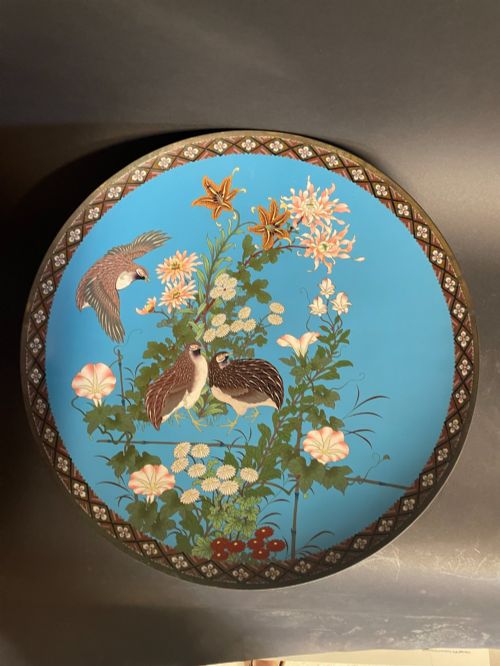
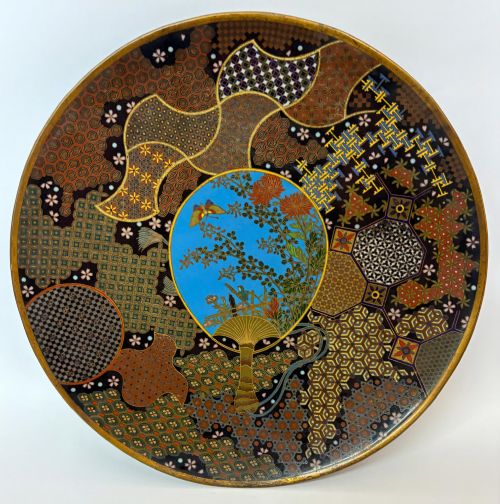
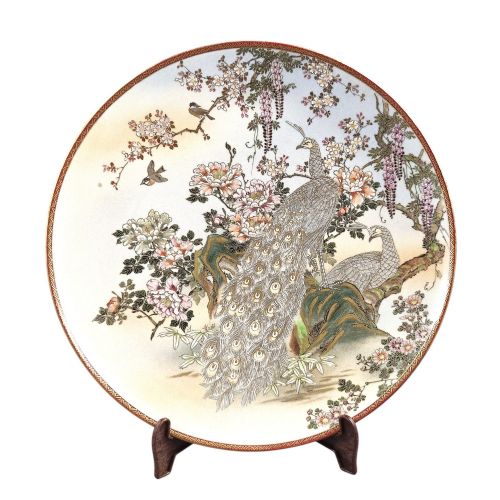
A Japanese floral enamel plate typically takes the form of a large decorative charger, tray, or shallow bowl originating from the Meiji period between 1870 and 1900. These substantial vessels display botanical and animal motifs, including chrysanthemums, peonies, wisteria, birds, and frogs rendered across circular and octagonal surfaces.
The objects on this page bridge multiple classifications of decorative ceramics and metalware, appearing variously as plates, dishes, chargers, and trays. Most examples date from the late nineteenth century, reflecting the peak of Japanese export craft during the Meiji era.
Materials and construction methods
Makers constructed these pieces using copper, brass, or bronze foundations, alongside earthenware and porcelain bodies for ceramic forms such as Satsuma and Kutani wares. Craftsmen applied delicate metal wires to outline intricate motifs before filling the cellular compartments with coloured enamel pastes.
Finished surfaces frequently incorporate gold leaf and gold gilt accents to highlight fine details within the landscape and floral designs. Firing and polishing completed the process, producing smooth decorative vessels designed for display rather than dining.
Some quiet Meiji chargers hide tiny frogs lurking beneath elaborate chrysanthemum blooms, rewarding close inspection with a sudden flash of character.
Distinctions in quality and execution
Superior examples demonstrate exceptional precision in wirework and enamel density, showing minimal pitting across large expanses of decoration. The complexity of the subject matter, such as multi-layered floral scenes combined with fauna, distinguishes standard production from more ambitious workshop output.
Signatures by recognised makers add significant distinction to individual pieces, reflecting the prestige of specific Meiji period studios like Nagoya workshops or named artists. The structural integrity of the metal base and the preservation of original gilding also influence the overall standing of each charger.
Kinkozan·Shozo
The Japanese Floral Enamel Plate Glossary
- Cloisonne
- Enamelling technique where thin metal wires are soldered to a metal base to form cells, which are then filled with paste and fired. This method creates the intricate outlined patterns seen across many Meiji period plates.
- Charger
- A large ornamental decorative plate intended for display on a wall or sideboard rather than for serving food. These substantial vessels often showcase the most elaborate artistry of a workshop.
- Meiji Period
- The era of Japanese history lasting from 1868 to 1912, characterised by extensive international export of fine metalwork and ceramics. Pieces from this time frequently feature naturalistic flora and fauna.
- Moriage
- A Japanese ceramic technique using slip to build up raised decorative patterns and textures above the glaze surface. This method creates a tangible, three-dimensional effect on plates and bowls.
- Satsuma
- Earthenware pottery originating from Satsuma Province, typically featuring a finely crackled ivory glaze decorated with enamels and gilt. These wares often depict traditional Japanese landscapes and botanical scenes.
Japanese Floral Enamel Plate: Frequently Asked Questions
How should I display a large decorative charger safely?
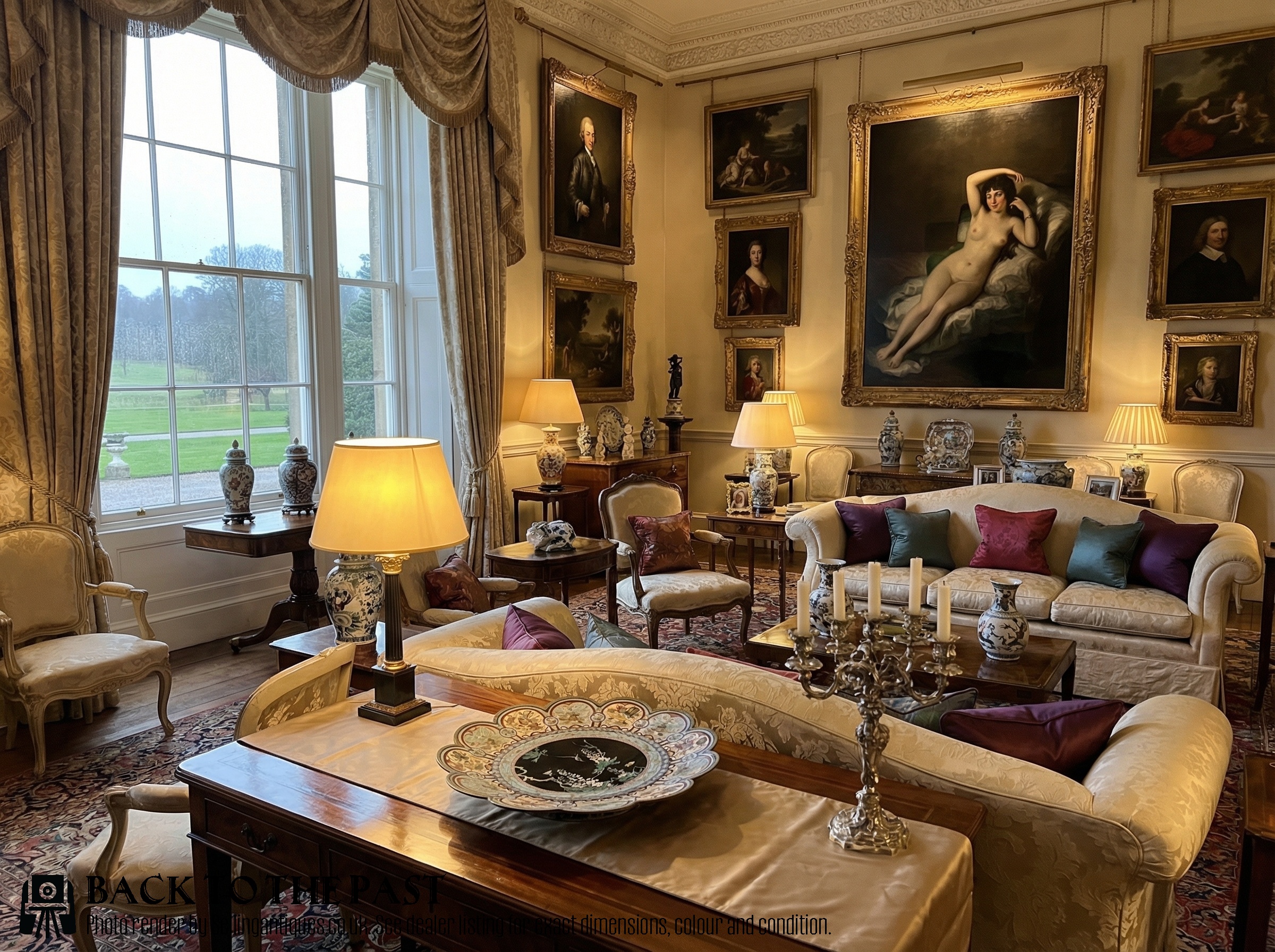
Large chargers require sturdy wall mountings designed specifically for heavy metal or ceramic plates to distribute the weight evenly. Alternatively, heavy-duty display stands support the base securely on a flat surface.
Keep these pieces away from direct sunlight and areas of high moisture to protect the delicate enamel and gold leaf detailing over time.
Were these plates used for serving food originally?
These pieces served primarily as decorative art objects rather than functional tableware. Their intricate wirework and gilt surfaces were intended for visual appreciation on display.
Exposing them to moisture, acids, or cutlery would risk damaging the fragile enamel and metal structures.
How do I distinguish Meiji period pieces from later items?
Meiji period items typically exhibit the dense, meticulous craftsmanship associated with late nineteenth-century export production. The weight of the metal base and the specific style of wirework offer clear indicators of this era.
Examining the underside and the ageing of the metal provides further context regarding the age of the piece.
What is the difference between cloisonne and Satsuma wares?
Cloisonne relies on metal wires and coloured glass pastes fused to a copper or brass foundation. It presents a smooth, vitreous surface defined by metallic outlines.
Satsuma ware uses an earthenware body with a crackled glaze and hand-painted pigments, sometimes featuring raised moriage decoration.