




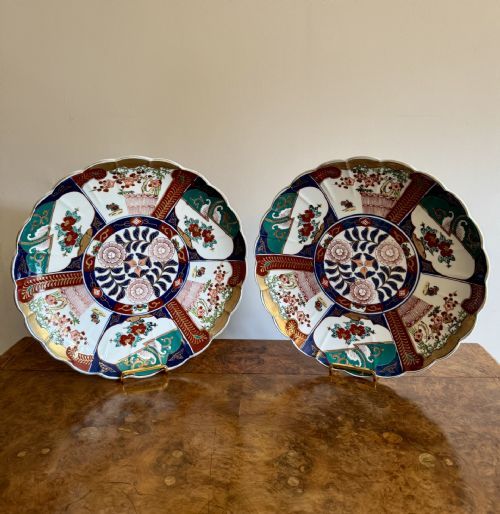

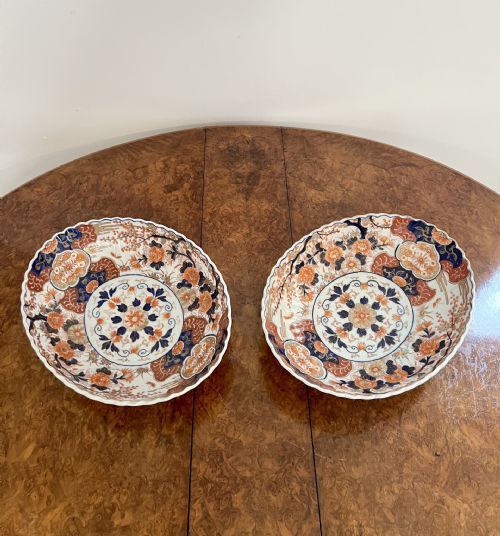

Large Oriental Charger Dish
These large oriental charger dish selections bring imposing scale and intricate hand-painted detail to any room.

Large Oriental Charger Dish
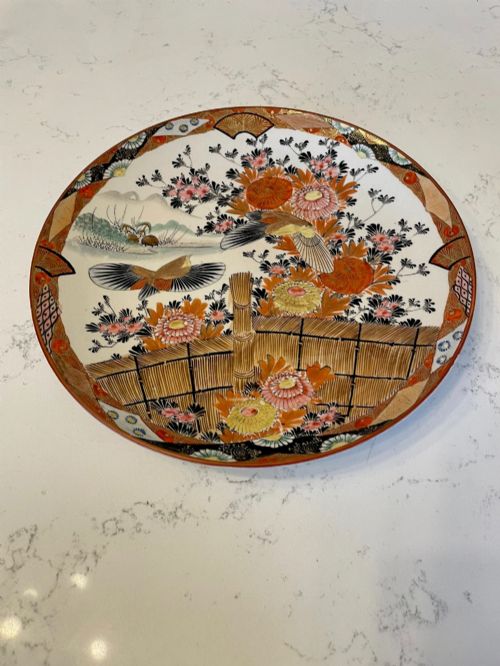
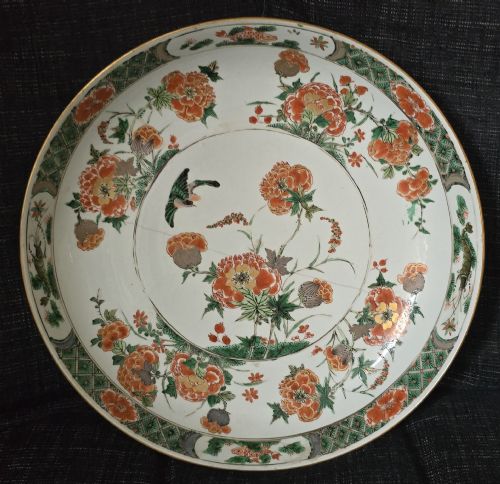
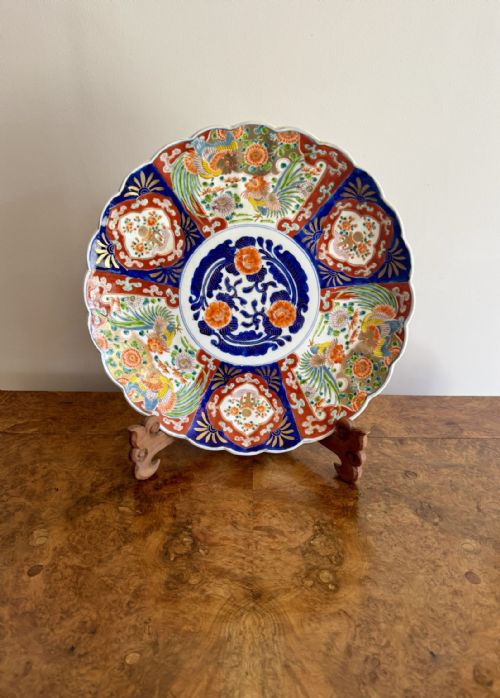
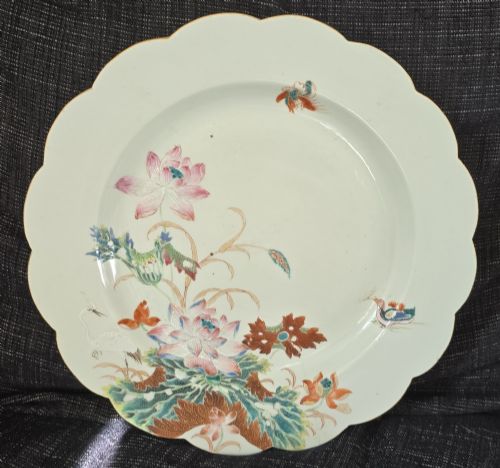
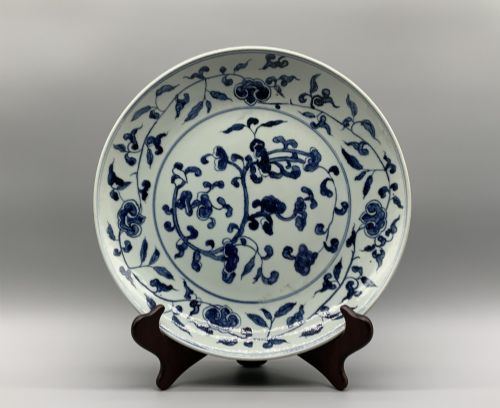
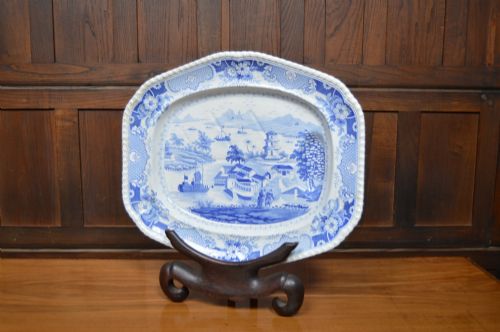
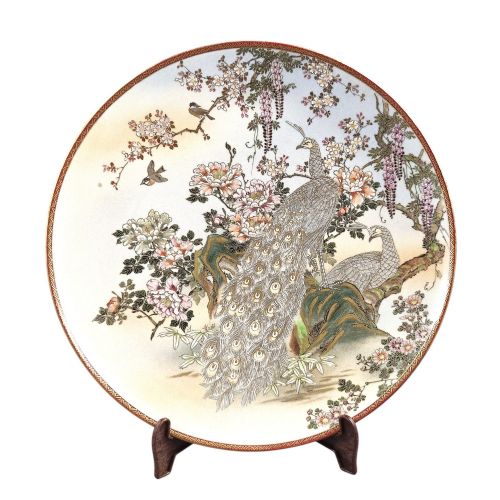
A large oriental charger dish serves as a substantial centrepiece, traditionally produced for display rather than dining. When searching this phrase, collectors encounter grand decorative platters spanning Japanese Imari, Chinese blue and white porcelain, and cloisonné enamel.
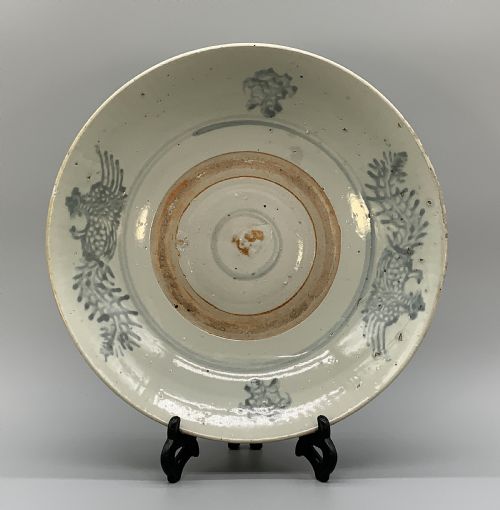
The material record on this page leans heavily towards Japanese Imari porcelain from the Meiji period and late nineteenth century, alongside earlier Chinese blue and white pieces originating in the seventeenth century. Forms range from circular plates with scalloped edges to massive bronze or copper vessels bearing vibrant enamel decoration.
These items were originally commissioned for export or high-status domestic interiors, designed to dominate a wall or sideboard through sheer physical presence. The selection unites diverse Asian ceramic and metalwork traditions under the common denominator of expansive scale and pictorial ambition.
How they were made
Potters and metalsmiths utilised demanding techniques, working porcelain clay with cobalt glaze, or forming copper and brass bases for intricate cloisonné enamel designs. Artisans built up metallic wire cells on metal plates before fusing coloured enamel pastes within them through successive firings.
Porcelain examples received underglaze blue painting or overglaze polychrome enrichment using gold leaf and dense enamel pigments. The firing process required precise temperature control to achieve the characteristic depth in cobalt glazes and the rich saturation of Imari palettes.
Some enamelled birds peering out from these dishes appear to maintain a permanent stare, as if mildly offended by the viewer's proximity.
What varies in quality
Quality rests primarily on the crispness of the hand-painted or enamelled motifs and the ambition of the composition. Pieces depicting complex figural scenes, such as the Seven Lucky Gods or court life, demand superior draughtsmanship compared to standard repeating floral borders.
The density and purity of the glaze also separate ordinary production from exceptional work. Finer items exhibit precise control over cobalt blue tones, brilliant gold leaf application, and meticulous wirework in cloisonné examples without surface pitting or distortion.
The Large Oriental Charger Dish Glossary
- Charger
- A large decorative plate or platter intended for display on a wall, cabinet, or table centrepiece rather than daily service.
- Imari
- A traditional Japanese style of porcelain featuring underglaze blue and overglaze iron red, complemented by gold leaf and additional enamel colours.
- Cloisonné
- A metalwork technique where fine wires form raised barriers on a copper or brass body, creating compartments filled with coloured enamel.
- Meiji Period
- The era in Japanese history spanning from 1868 to 1912, noted for a flourishing of decorative arts destined for Western export.
- Moriage
- A decorative ceramic technique involving the application of raised slip dots or lines to create a textured, three-dimensional surface pattern.
- Swatow Ware
- A category of Chinese export ceramics produced during the late Ming dynasty, typically characterised by robust bodies and bold, spontaneous painted designs.
Large Oriental Charger Dish: Frequently Asked Questions
How were large oriental charger dishes used?
These large vessels were primarily created for display on buffets, tables, or walls to demonstrate wealth and taste. They served as monumental decorative statements in grand interiors rather than functional tableware.
Over time, collectors adapted them for specialised wall mountings or dedicated display stands to safely support their substantial weight and diameter.
How do I date a Japanese Imari charger?
Dating relies on observing the weight of the porcelain, the specific shade of the cobalt blue, and the vibrancy of the iron red and gold enamels. Late nineteenth-century pieces often display brighter, more uniform palettes compared to earlier wares.
Examining the foot ring and any kiln marks provides further clues regarding whether the piece belongs to the Edo period or the later Meiji era.
What is the difference between porcelain and cloisonne chargers?
Porcelain chargers are ceramic items shaped from clay, fired, and decorated with glazes and enamel paints. They depend entirely on brushwork and kiln reactions for their visual impact.
Cloisonné chargers utilise a metal core of copper or brass, decorated with soldered wire partitions and glass paste enamels. This method produces a tactile, metallic surface texture entirely distinct from ceramic glaze.
How should I display a heavy charger safely?
Displaying a large dish requires a sturdy, weight-tested wall bracket or a deep, stable plate stand designed for heavy ceramics. Ensuring the mounting securely grips the rim prevents accidental slips.
Placement should avoid areas of direct sunlight or heavy foot traffic vibrations that might destabilise the dish over extended periods.