



Japanese Floral Enamel Dish
A japanese floral enamel dish brings intricate metalwork and traditional botany into domestic spaces through vibrant natural motifs.
Japanese Floral Enamel Dish
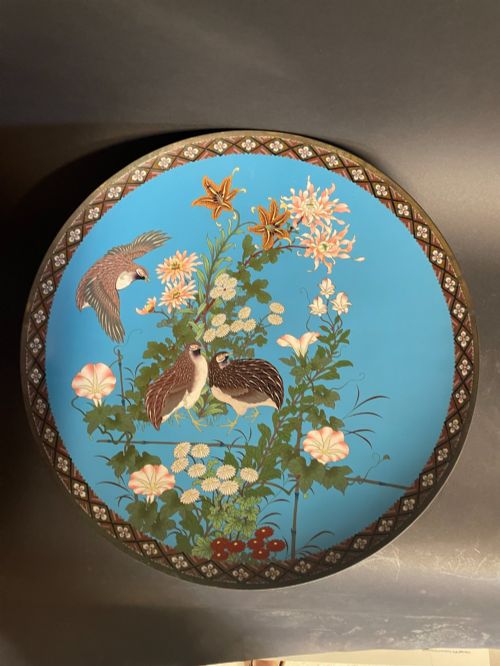
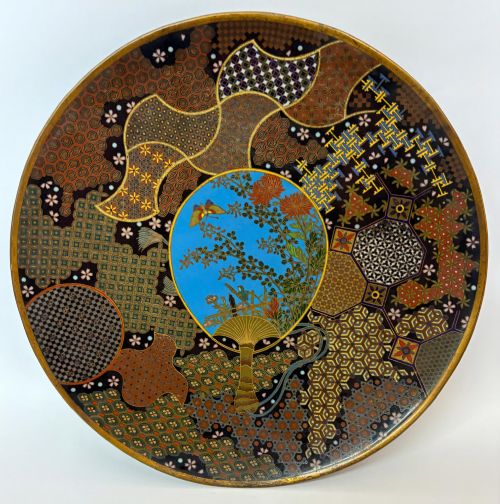
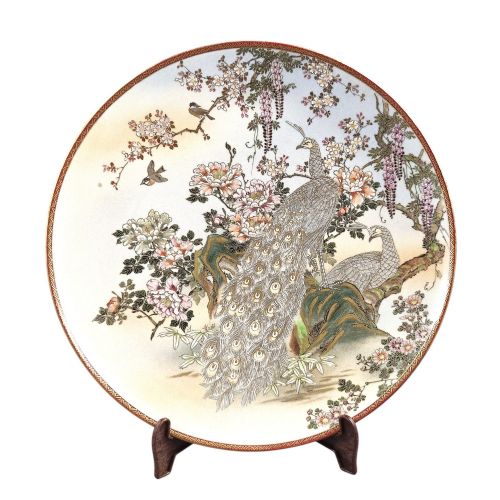
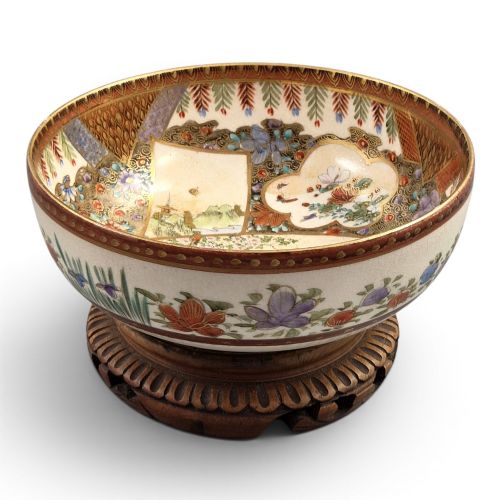
A japanese floral enamel dish encompasses chargers, shallow bowls, and decorative trays shaped from ceramic and metal bases. These items emerge predominantly from the Meiji period, alongside select pieces from the Edo period and the early twentieth century.
Makers render flora such as chrysanthemums, irises, peonies, and wisteria across the surfaces of plates and bowls. Buyers frequently encounter cloisonne enamel and porcelain constructions bearing elaborate botanical scenes.
Materials and Techniques
Craftspeople shape vessels from copper, brass, and porcelain, applying enamel and gold leaf to construct detailed pictorial fields. Artisans utilise cloisonne techniques by soldering metal wires to form cells that retain coloured pastes before firing.
Production involves precise thermal control to vitrify the enamel layers across plates and chargers. Workshops combine hand-painted ceramic pigments with metallic glazes to achieve multifaceted surface textures.
Markers of Excellence
Quality rests in the precision of the wirework and the depth of the enamel fields within botanical scenes. Superior examples display balanced compositions of birds, insects, and flowers without irregularities in the glassy surface.
The clarity of the firing and the complexity of the polychrome palette distinguish standard production from masterworks. Signed pieces and those retaining intricate multi-tiered decorative schemes command particular attention.
Kozan·Kinkozan·Shozo
The Japanese Floral Enamel Dish Glossary
- Cloisonne enamel
- A metalworking technique where thin flat wires are soldered to a body to create compartments for enamel paste. These compartments are subsequently filled and fired to produce patterned surfaces.
- Satsuma
- A type of Japanese earthenware featuring an ivory-colored, crackle-glazed surface decorated with polychrome enamels and gilt. Artisans frequently apply moriage relief details over this base.
- Imari
- A style of Japanese porcelain decorated in underglaze blue and overglaze red, gold, and green. This ware originated in the Edo period and remained popular through later centuries.
- Charger
- A large ornamental plate utilised for display rather than dining. These substantial pieces often feature focal floral or avian motifs across the central well.
- Millefleur
- A decorative pattern densely covering a surface with myriad small painted flowers. Translating to a thousand flowers, the motif requires meticulous miniature brushwork.
Japanese Floral Enamel Dish: Frequently Asked Questions
What periods do these pieces date from?
The inventory spans the Edo and Meiji periods, extending into the early twentieth century.
Most surviving examples concentrate in the late nineteenth century during the height of decorative enamel production.
How were these dishes used originally?
Dishes and chargers served primarily as decorative objects for display within traditional interiors.
Larger chargers sat on stands or tables to showcase pictorial mastery of birds and flora.
What materials make up the construction?
Construction relies on copper, brass, porcelain, and earthenware bases.
Artisans applied enamel, gold leaf, and ceramic pigments to build up the coloured decorative schemes.
How do I identify signature marks?
Signatures appear as painted or incised characters on the base of porcelain and enamel pieces.
These marks typically name the studio or the individual artist responsible for the creation.