


Oriental Cloisonne Enamel Plate
An oriental cloisonne enamel plate brings intricate metalwork and vibrant glass colours into a room, offering a tangible link to nineteenth-century craft traditions.
Oriental Cloisonne Enamel Plate
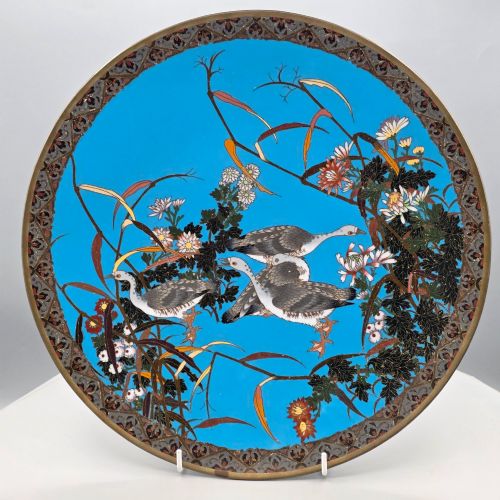
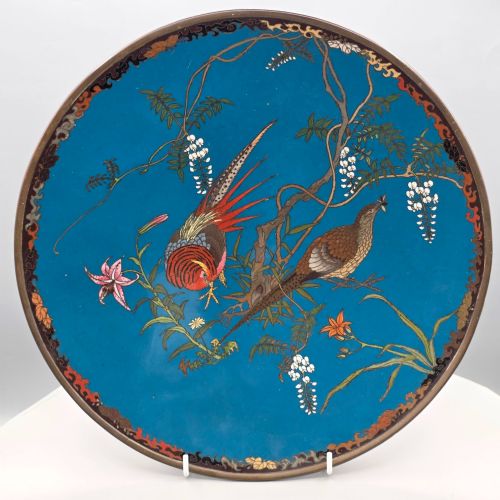
When you search for an oriental cloisonne enamel plate, you encounter a variety of forms including large chargers, trays, plaques, and decorative dishes. These objects originate predominantly from nineteenth-century Japanese periods such as Meiji and Edo, alongside Chinese examples.
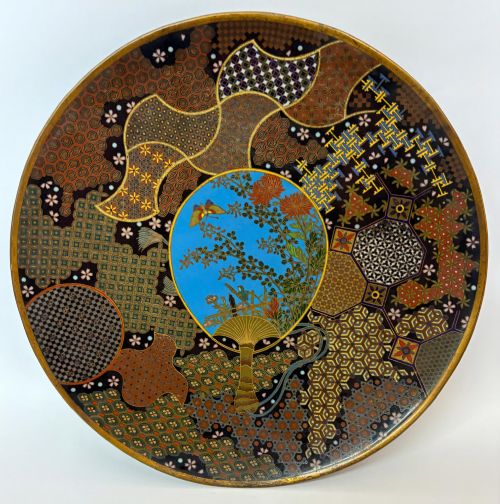
The version most commonly met on this page is the Japanese charger or plate, frequently depicting natural subjects like birds, dragons, and flowers. Makers applied meticulous detail to plates that functioned as ornamental display pieces rather than tableware.
Materials and Techniques
Artisans formed the base of each piece using copper, brass, or bronze, shaping them into plates, trays, and chargers. Upon this metal foundation, they soldered thin strips of brass wire or wire cloisons to outline complex pictorial designs.
The compartments formed by the wire were filled with enamel paste and fired in a kiln to vitrify the glass colours. Craftsmen then ground and polished the surface smooth to unite the metal outlines and the hardened enamel.
The listings span the eighteenth, nineteenth, and early twentieth centuries, featuring materials such as copper, brass, and porcelain.
Distinctions in Quality
Quality rests in the precision and fineness of the wirework, where thinner lines and denser patterns demand greater technical mastery. The complexity of the pictorial subject, from simple foliage to intricate dragons and samurai figures, dictates the skill level of the maker.
The uniformity of the polished enamel surface and the subtlety of the colour gradations further separate standard decorative work from master-level output. Signed pieces often reflect the heightened reputation of specific workshops and individual makers.
Kinkozan
The Oriental Cloisonne Enamel Plate Glossary
- Cloisonne Enamel
- A metalwork technique where fine wire creates raised partitions on a base plate to hold coloured glass paste before firing. This method produces intricate linear designs across decorative surfaces.
- Charger
- A large ornamental plate intended for display on a wall or stand rather than for serving food. These substantial vessels often showcase the most ambitious pictorial compositions.
- Meiji Period
- A Japanese historical era spanning from 1868 to 1912 noted for a surge in refined decorative arts exported globally. Objects from this time frequently exhibit exceptional technical precision.
- Totai Shippo
- A specialised Japanese technique involving translucent enamel applied over a ceramic or porcelain body rather than solid metal. This creates distinctive visual effects by allowing light to pass through the vessel wall.
- Ho-o Bird
- A mythical Chinese and Japanese phoenix often depicted in oriental art as a symbol of virtue and grace. It appears frequently among the floral and avian motifs on decorative plates.
Oriental Cloisonne Enamel Plate: Frequently Asked Questions
How were oriental cloisonne plates displayed?
These decorative plates and chargers were primarily intended for interior display rather than utility. Owners placed them on specialised stands or hung them on walls to showcase the intricate enamel work.
Their substantial size and vivid pictorial subjects made them striking focal points within nineteenth-century rooms. The robust metal and enamel construction ensured they remained stable in display positions.
What subjects appear on these plates?
The surface designs draw heavily from natural and mythological themes. Common motifs include birds such as phoenixes and herons, alongside dragons, samurai figures, and seasonal flora like chrysanthemums.
Pictorial scenes frequently incorporate landscape elements like Mount Fuji or expressive animals such as leaping koi and swimming shrimp. These subjects reflect traditional eastern iconography popular during the Edo and Meiji periods.
How do I identify Meiji period pieces?
Meiji period plates generally date between 1868 and 1912, a time when Japanese metalwork achieved remarkable technical refinement. You will often notice exceptionally fine wirework and complex, densely populated pictorial compositions.
These pieces frequently utilise copper bases paired with vibrant, glossy enamel palettes. Some examples bear workshop signatures on the reverse or base, helping to anchor their production era.
What is Totai Shippo?
Totai Shippo refers to a distinct variation where craftsmen applied cloisonne enamel techniques over a porcelain or ceramic body instead of metal. This created a lighter plate structure while retaining the familiar wire-outlined patterns.
The underlying ceramic body sometimes permitted translucent effects that altered how light interacted with the coloured enamels. Such pieces represent an uncommon alternative to standard copper-base chargers.