



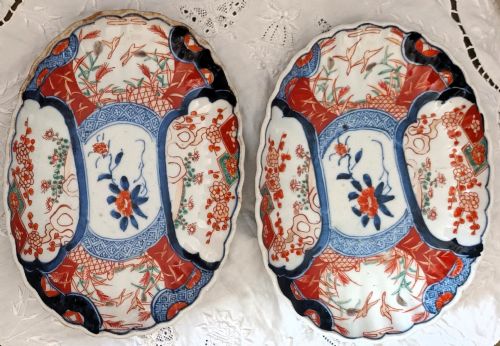
Meiji Period Arita Porcelain
Meiji period arita porcelain brings traditional Japanese kiln craft into the home through hand painted chargers, bowls, and vases.
Meiji Period Arita Porcelain
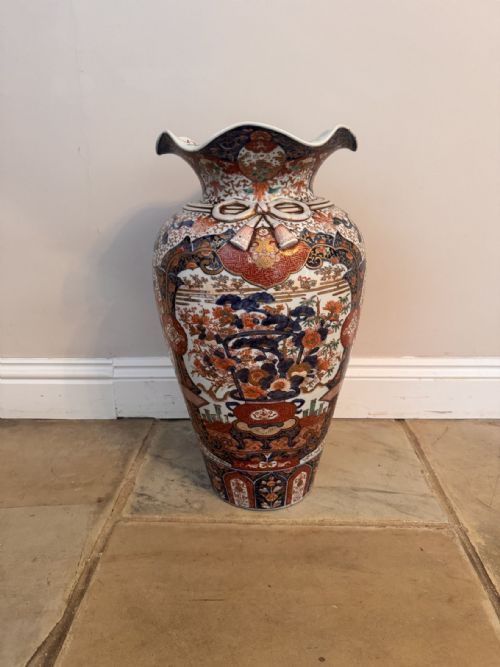
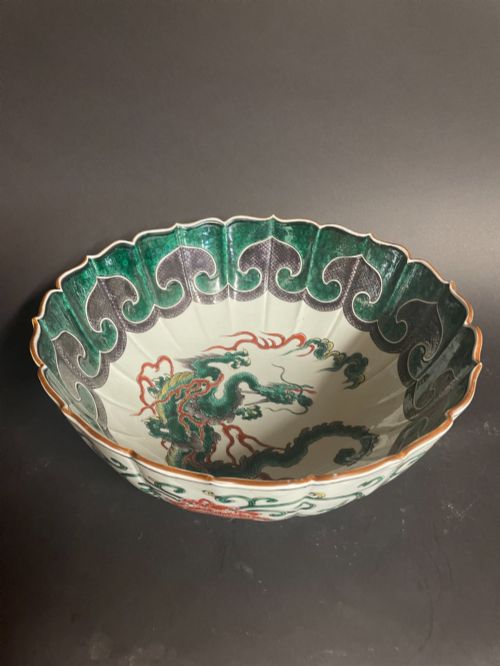
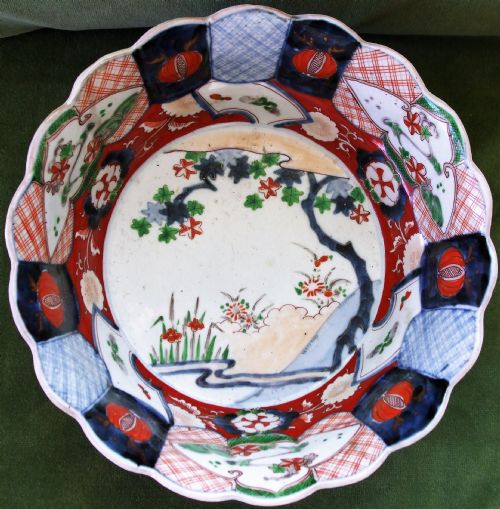
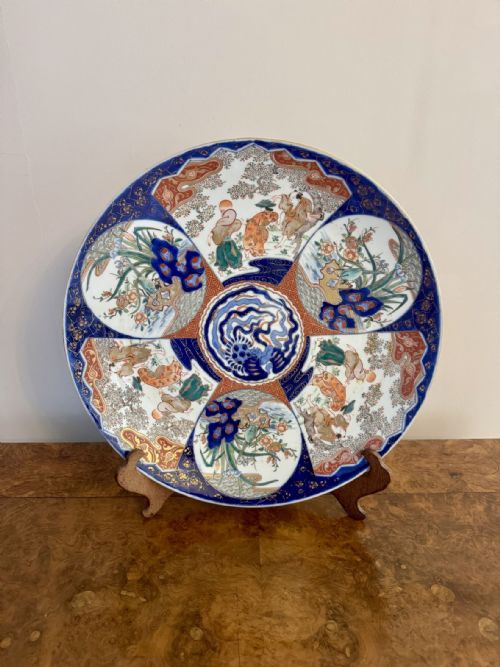
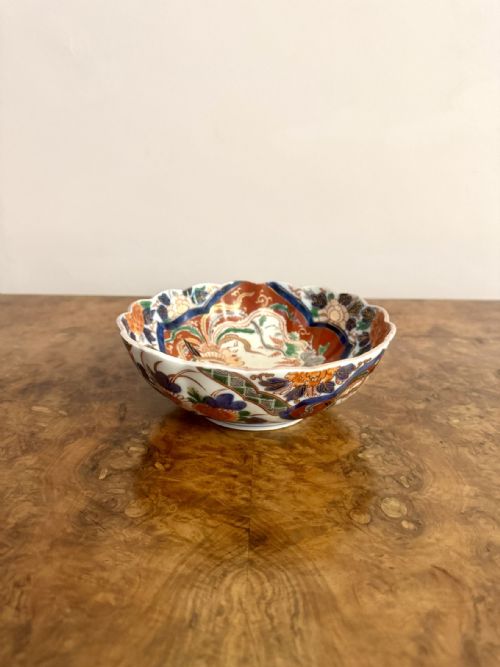
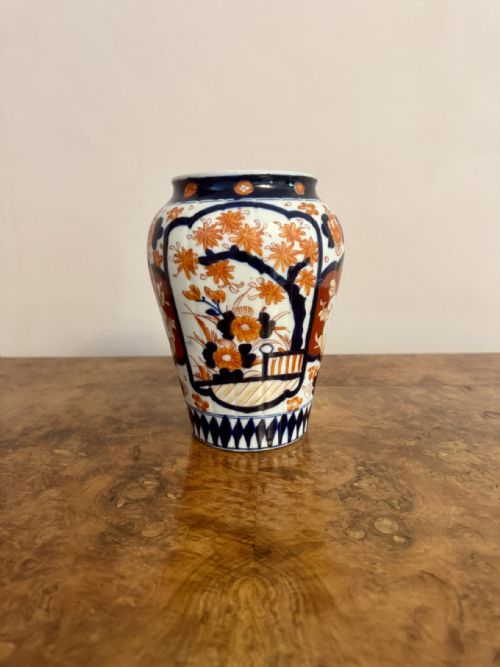
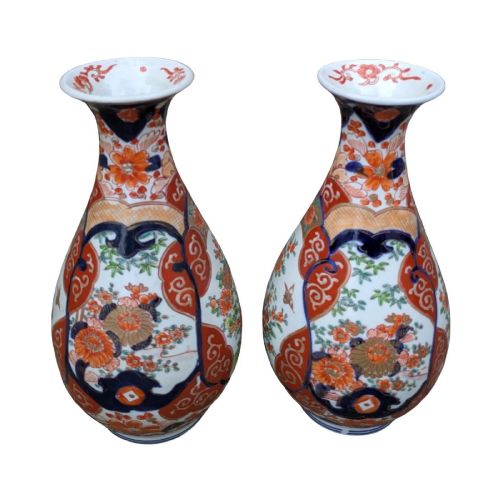
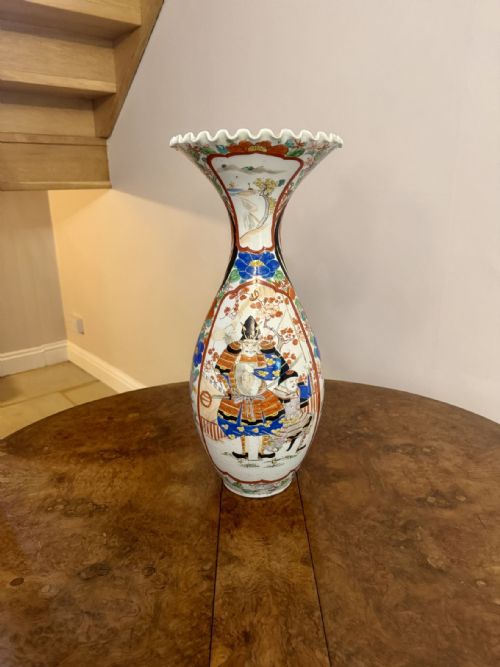
Meiji period arita porcelain encompasses decorative plates, bowls, chargers, and vases produced in Japan during the late nineteenth and early twentieth centuries. These items reflect the output of Arita kilns working in the Japanese Imari and export traditions during the Meiji era and Victorian periods.
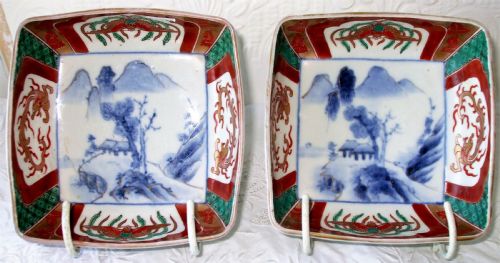
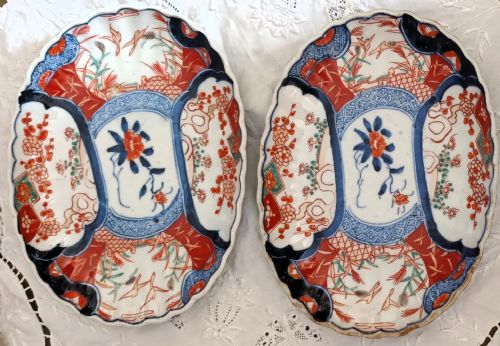
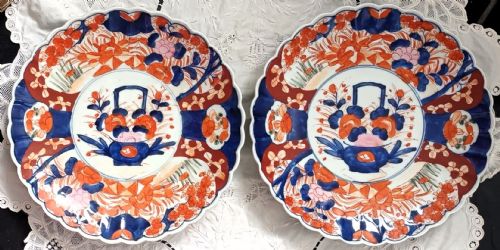
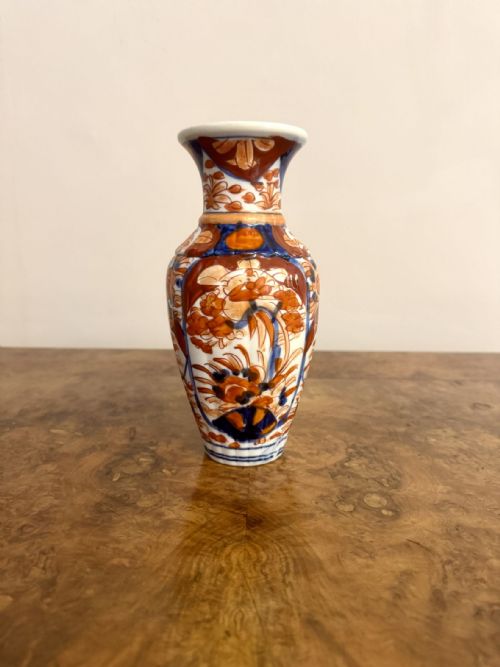
Buyers encounter substantial floor standing vases, covered ginger jars, censers, and large scalloped edge wall chargers alongside pairs of decorative dishes. Many pieces date from the 1880s through 1910, showing deep roots in earlier Edo aesthetics adapted for international markets.
Materials and Technique
Makers formed these pieces from ceramic paste and porcelain, shaping them into plates, hexagonal bowls, and large vases. Artisans applied glaze and enamel glaze to the clay body before firing.
Decoration relied on hand painted cobalt blue and iron red pigments, frequently augmented with gold leaf, gilt, and gold gilt highlights. Potters created distinct outlines and floral or bird motifs by hand across chargers and censers.
Exotic birds peer out from hand painted branches across nineteenth century plates, watching every visitor who passes.
Craft and Execution
Quality separates through the precision of the hand painted brushwork and the complexity of the floral or bird designs applied to the porcelain surface. Superior examples demonstrate confident handling of enamel glaze and gold leaf highlights.
The ambition of the form also distinguishes the range, moving from standard plates to unusual shaped vessels, large floor standing vases, and matched garnitures. Heavier throwings and more intricate scalloped or hexagonal edges indicate finer workshop standards.
Hichozan Shinpo
The Meiji Period Arita Porcelain Glossary
- Arita
- The Japanese town and surrounding region famous for centuries of porcelain production. Kilns here supplied domestic and international markets with high fired wares.
- Imari
- A style of Japanese porcelain decorated in underglaze blue, iron red, and gold. The name derives from the port from which these ceramics were shipped.
- Charger
- A large decorative plate intended for display rather than dining. These substantial pieces often hang on walls or sit centrally on furniture.
- Censer
- A vessel designed for burning incense. These covered containers frequently feature pierced ceramic lids and traditional decorative handles.
- Garniture
- A set of three or more matching vases or vessels designed to be displayed together on a mantelpiece or sideboard.
Meiji Period Arita Porcelain: Frequently Asked Questions
How were these porcelain pieces used?
Most of these items served as decorative display pieces within the home rather than for daily dining. Large chargers hung on walls or sat on tables, while vases and garnitures adorned mantelpieces.
Covered jars and censers held incense or dry goods, functioning as both ornamental and practical vessels during the late nineteenth century.
What defines the Meiji period style?
The Meiji period style combines traditional Japanese ceramic techniques with the demands of Western export markets during the late nineteenth and early twentieth centuries. Artisans drew upon earlier Edo design principles while increasing scale and decorative complexity.
Expect rich palettes of underglaze blue, iron red, and gold leaf depicting floral and bird motifs across bowls, plates, and vases.
How do I display a large charger?
Large chargers sit well on sturdy tables or pedestals using specialist stands that support their substantial weight and circular form. Alternatively, wall mounting brackets designed for heavy ceramics allow these plates to serve as focal points.
Keep them away from direct foot traffic and unstable surfaces given their porcelain construction.
How do I care for antique porcelain?
Care for these pieces involves gentle dusting with a soft, dry cloth to prevent the accumulation of particles on glazed and gilded surfaces. Avoid using water or cleaning solutions, particularly on areas with exposed gold leaf or enamel glaze.
Display the ceramics away from areas subject to sudden temperature shifts or vibrations to protect the historic body.