



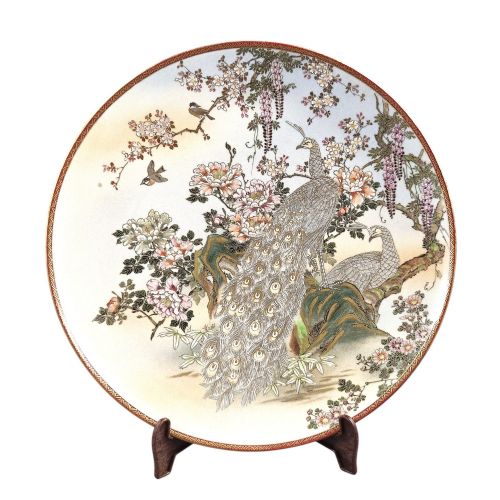
Meiji Decorative Plate
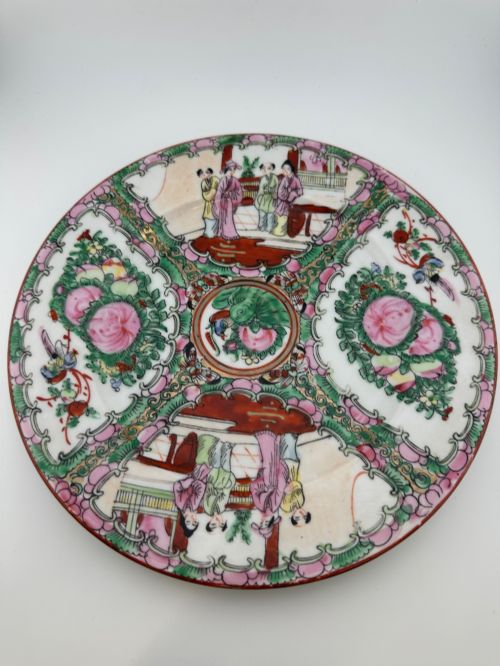
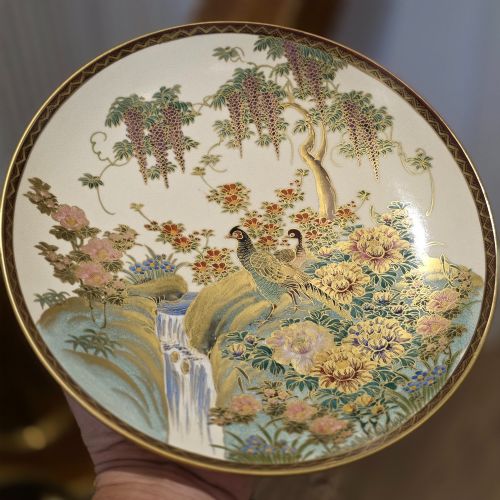
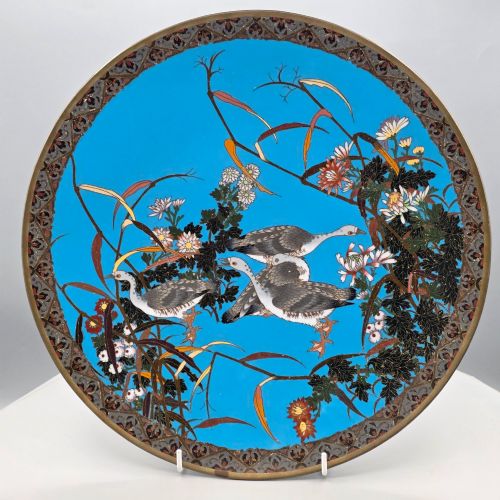
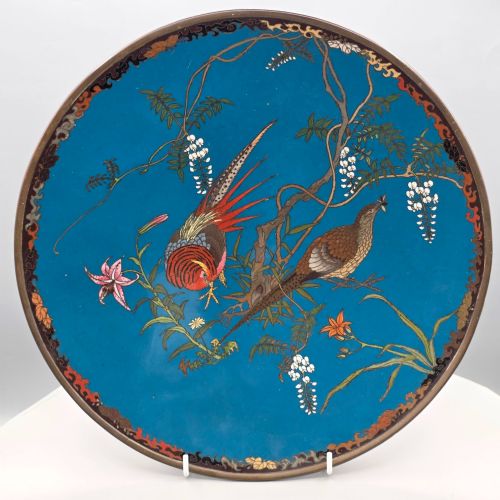
These meiji decorative plate examples bring hand-painted porcelain, cloisonne enamel and Kutani ceramic artistry straight into a room.
Meiji Decorative Plate
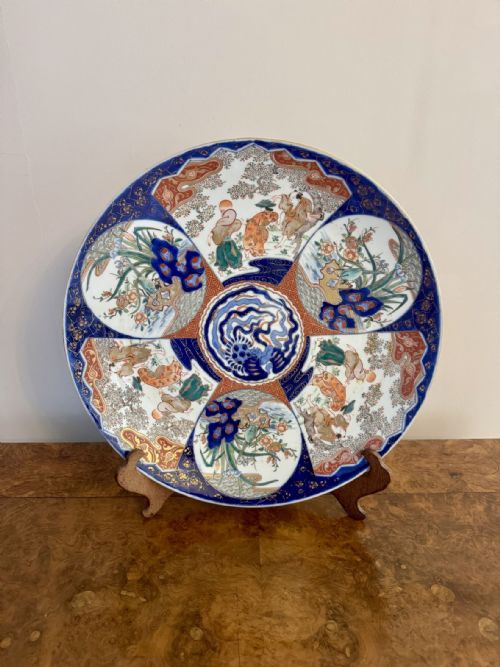
When a buyer searches for a meiji decorative plate, they encounter large chargers, shallow dishes and display trays originating from Japan during the late nineteenth and early twentieth centuries. These items served primarily for visual display rather than dining, showcasing intricate traditional motifs such as birds, flowers, dragons and landscapes.
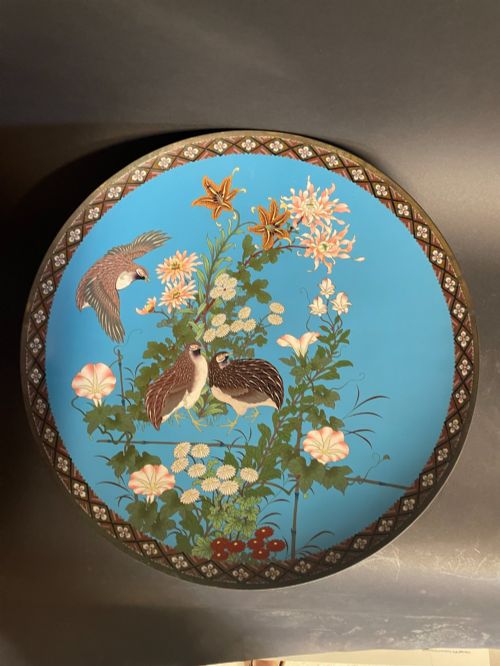
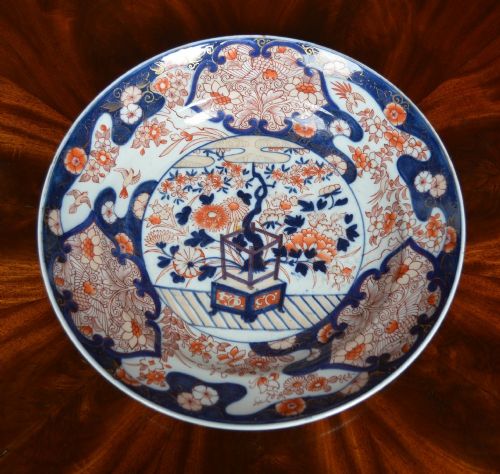
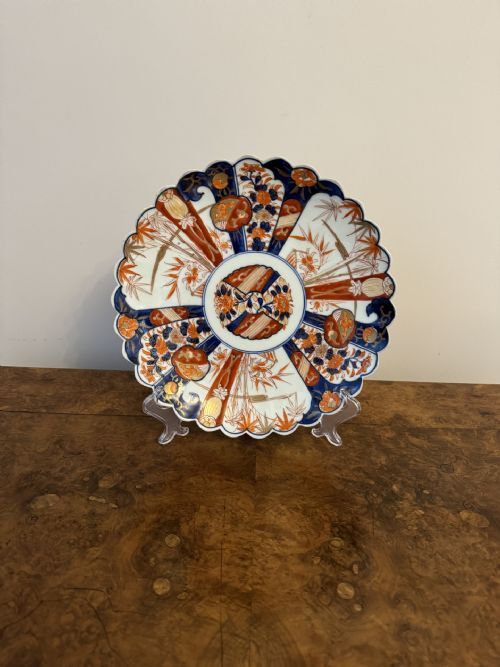
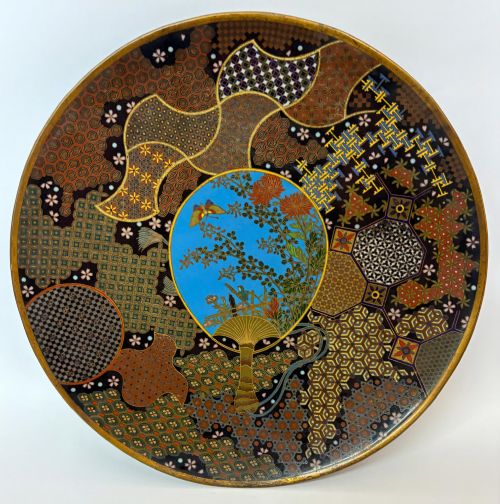
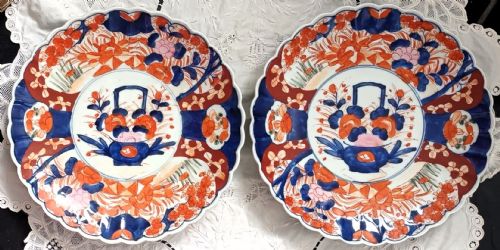
The version most commonly met on this page is the Japanese Imari porcelain plate or charger, often featuring scalloped edges and characteristic blue and red pigments. Alongside these, buyers regularly find cloisonne enamel dishes worked on copper or brass bases depicting natural scenes with geese, koi and phoenixes.
Objects from this span encompass periods from the eighteen sixties through to the nineteen twenties, overlapping with the Taisho era in later examples. They range from small square trays to massive chargers exceeding thirty centimetres in diameter, reflecting diverse regional production centres including Satsuma and Kutani.
Materials and construction
Potters and artisans utilised high-fired porcelain and ceramic bodies for plates and dishes, applying hand-painted glazes, cobalt blue, and enamel pigments. Many works incorporate detailed hand painting with additional decorative elements like moriage relief work and gold leaf accents.
Cloisonne enamel pieces relied upon thin metal wires soldered to copper or brass foundations to form cellular compartments. These partitions were subsequently filled with coloured enamel pastes and fired multiple times before being ground down and polished to a smooth finish.
Among the birds and flowers depicted on these plates, a leaping koi and a solitary frog occasionally steal the show.
The spectrum of quality
Execution of detail separates ordinary productionware from exceptional studio output, particularly in the precision of hand-painted brushwork and the complexity of enamel cellular wirework. Masterpieces display highly intricate subjects such as flora, fauna, and mythological creatures rendered with remarkable anatomical and botanical accuracy.
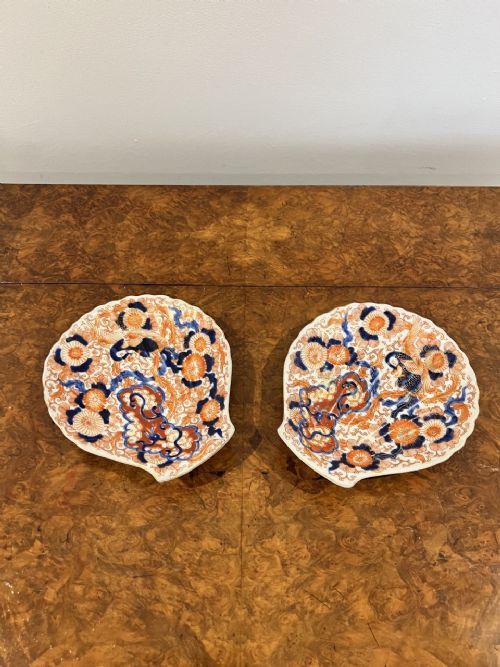
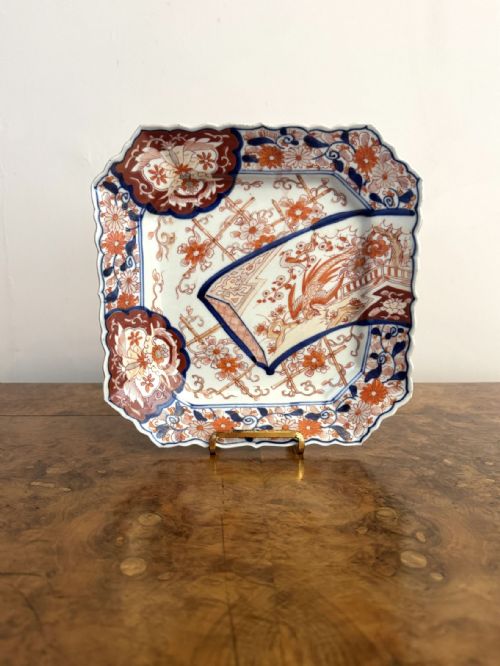
The physical scale and structural integrity of the piece also influence distinction, with exceptionally large chargers and unusual shapes such as square trays or shell designs demanding greater technical mastery from the kiln or workshop. Preservation of the original glaze, minimal surface wear, and the presence of artist signatures elevate certain examples significantly above standard commercial output.
Koshida
The Meiji Decorative Plate Glossary
- Imari
- A style of Japanese porcelain featuring a distinctive palette of underglaze blue, iron red, and gilt highlights. These wares were widely produced for export during the period.
- Cloisonne
- A decorative metalwork technique where fine wires create cells on a copper or brass base to hold coloured enamel paste. The surface is fired and polished flat.
- Charger
- A large decorative plate intended for display on a sideboard or wall rather than for serving food at a table. They frequently measure over thirty centimetres across.
- Moriage
- A ceramic decoration technique using piped clay slip to build up raised patterns and textures on the surface of pottery before glazing and firing.
Meiji Decorative Plate: Frequently Asked Questions
What is a meiji decorative plate used for?
These items were made primarily for ornamental display in domestic interiors rather than everyday dining use. Owners traditionally placed large chargers on walls, stands or sideboards to exhibit fine craftsmanship.
Today, collectors use them to add historical colour and focal points to room settings. Their robust forms suit placement on sturdy furniture surfaces or specialised wall mountings.
How do I identify a Meiji period piece?
Meiji period items date from eighteen sixty-eight to nineteen twelve, aligning with the reign of the Emperor Meiji. Listings often point to this era through traditional Japanese motifs, hand-painted signatures, and specific export styles like Imari and Satsuma.
Examining the underside and the handling of the glaze helps reveal the age. Late nineteenth-century pieces frequently show characteristic wear patterns and construction traits typical of Japanese export workshops.
What is the difference between Imari and Kutani?
Imari porcelain is instantly recognised by its strong palette of cobalt blue and iron red, often enhanced with gold leaf. The patterns tend to be dense and symmetrical, featuring floral and geometric designs.
Kutani wares, by contrast, focus heavily on pictorial scenes rendered in vibrant overglaze enamels. They often highlight specific natural subjects like birds and landscapes with distinct colour schemes.
How should I care for antique enamel and porcelain?
Dusting these objects gently with a soft, dry cloth keeps the surface free from grime without risking the delicate glazes. Avoid using chemical cleaners, water immersions, or abrasive cloths that can damage old enamels and exposed metal wires.
Position plates and chargers away from direct sunlight and areas prone to sharp temperature fluctuations. Secure heavy chargers firmly on stable display stands to prevent accidental slips.