





Medallion Pattern Carpet
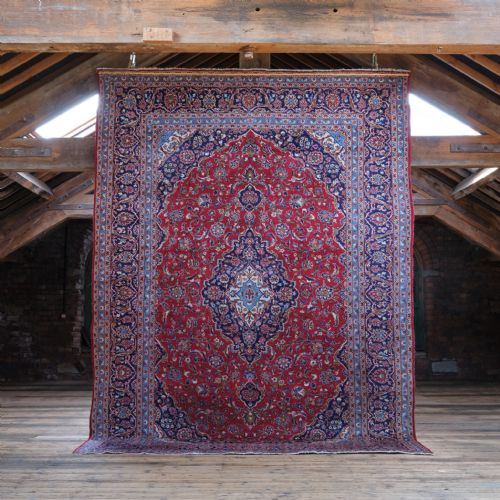
A medallion pattern carpet anchors a room with a central ornamental motif rooted in centuries of weaving tradition.
Medallion Pattern Carpet
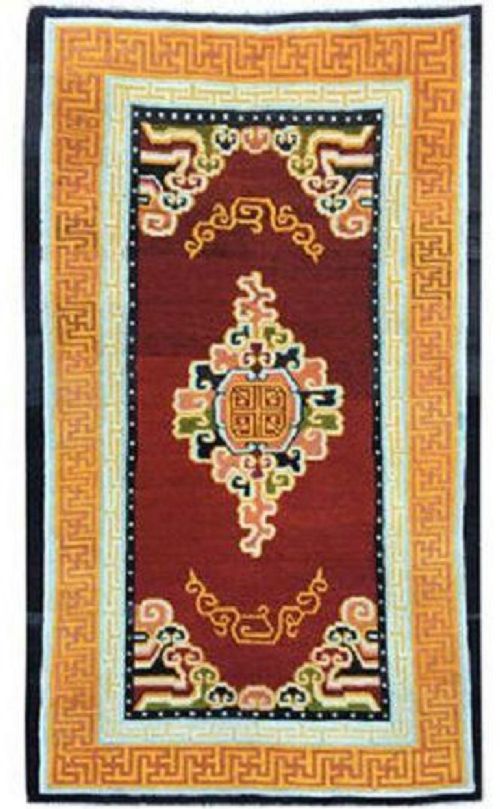
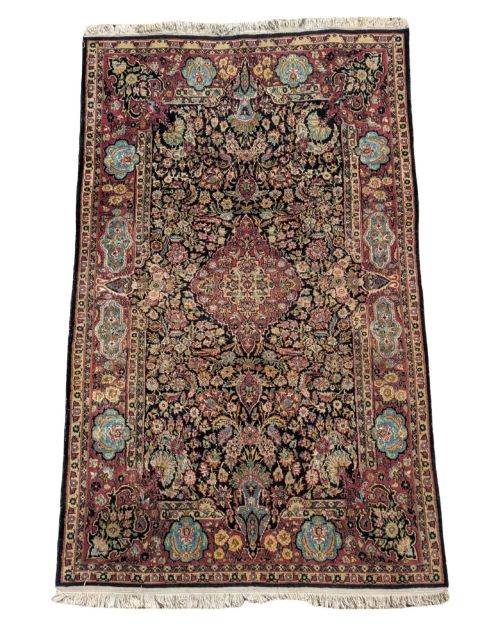
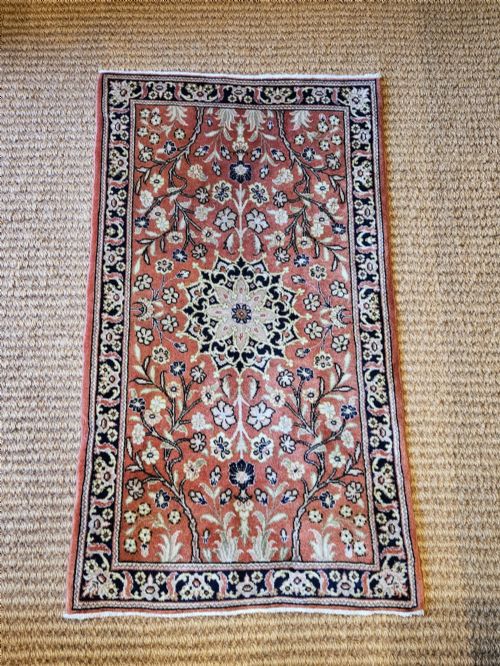
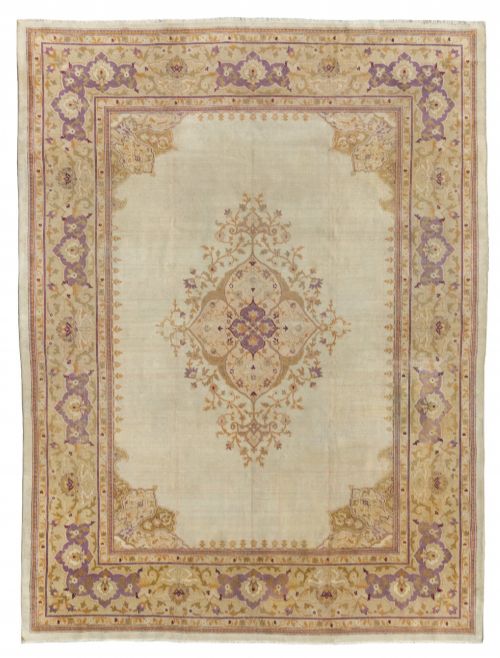
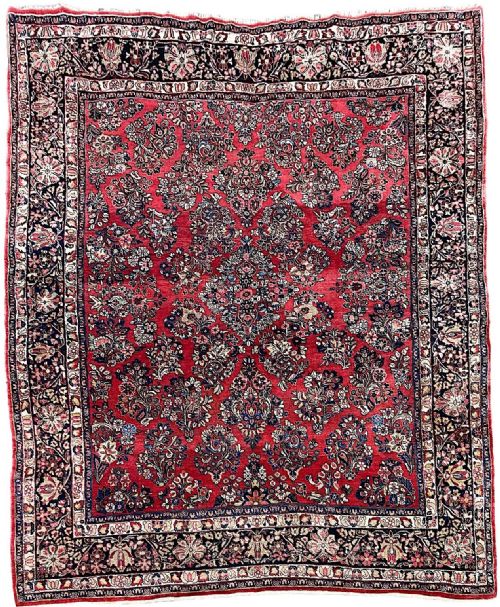
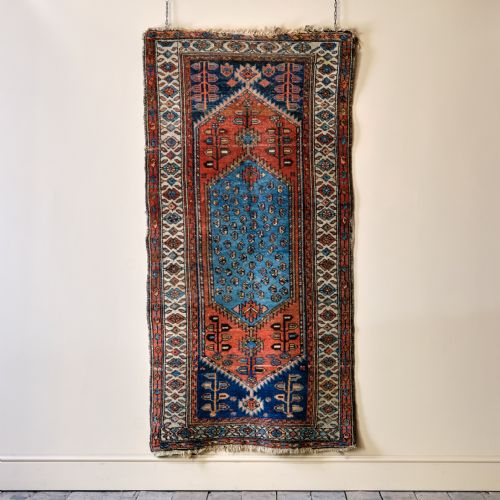
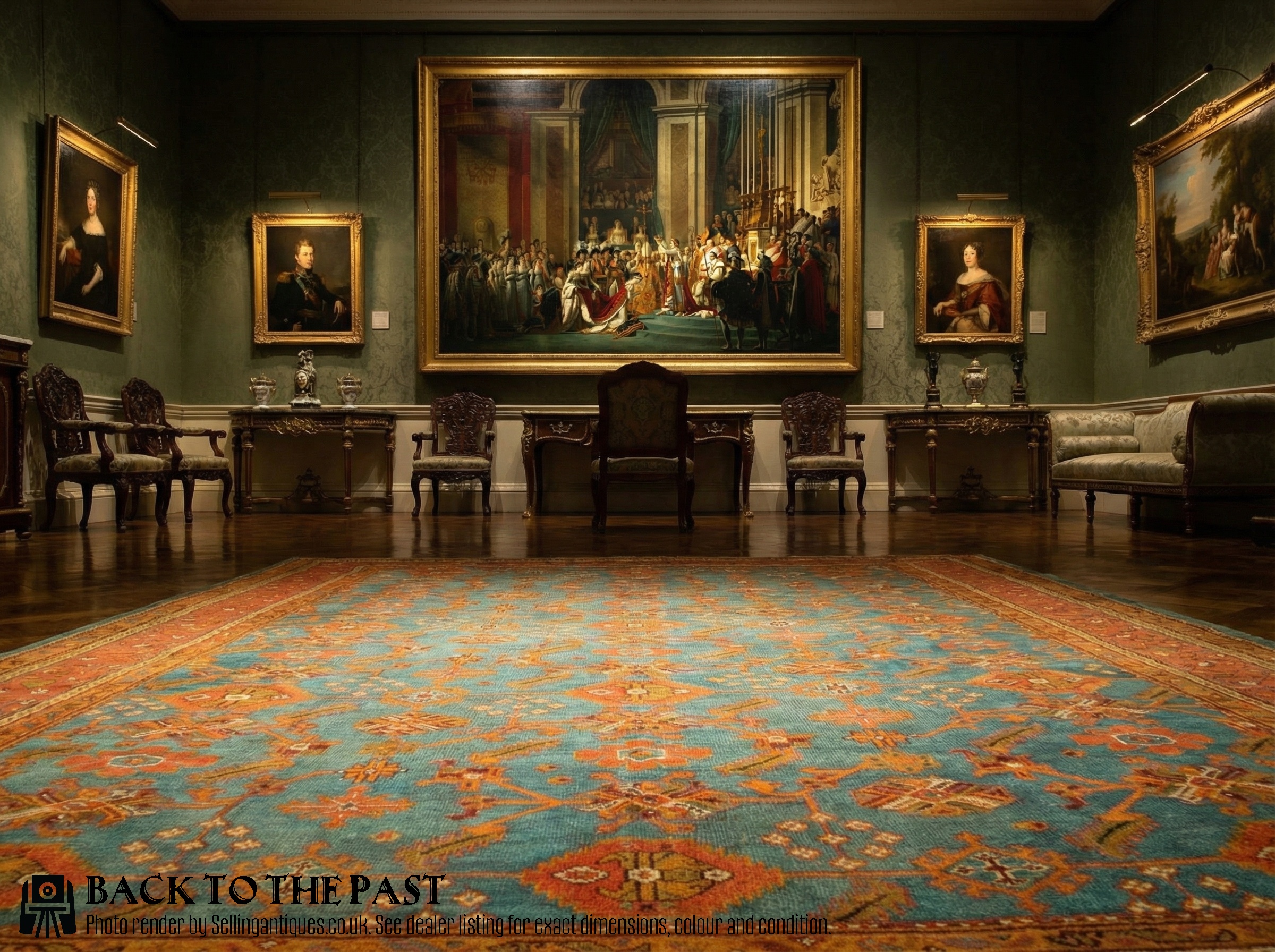
A medallion pattern carpet centres its design around a prominent central motif, drawing the eye across intricate field patterns and border details. These pieces emerge from traditional weaving centres across Persia, Turkey, India, and the Caucasus, spanning periods from the nineteenth century through the mid twentieth century. Buyers seeking this phrase encounter hand-knotted room-size carpets, runners, and smaller hearth rugs displaying classical regional layouts.
The selections on this page encompass antique and vintage examples such as Heriz, Kashan, Oushak, and Kazak rugs. Formats range from large palace-size floor coverings to compact area rugs and elongated runners suitable for hallways. Each piece demonstrates the distinct tribal or city workshop traditions of its origin, marked by characteristic colour palettes and geometric or floral motifs.
Materials and construction
Makers constructed these carpets predominantly using natural wool foundations and pile, often utilising cotton for warps and wefts to ensure structural stability. Finer city pieces occasionally incorporate silk highlights or mercerised cotton to add luminosity to specific details within the design. Artisans knotted the pile by hand onto the vertical looms, employing asymmetrical or symmetrical knots depending on the regional workshop.
Dyers utilised natural and early synthetic dyes to achieve deep indigo blues, madder reds, and earthy tones that age gracefully over decades. The density of the knotting and the quality of the wool determine the weight and drape of each rug, reflecting the technical proficiency of the weavers.
Several rugs weave unexpected animals and human figures directly into traditional regional medallion and border layouts.
What separates the grades
Quality in these carpets rests upon the precision of the knotting and the balance of the central medallion design relative to the field and borders. Finer examples exhibit high knot density, allowing intricate curvilinear or geometric lines to remain sharp and well-defined. Material selection also dictates longevity, with superior wool grades providing resilience against foot traffic while retaining a soft handle.
Artistic execution sets exceptional pieces apart from standard regional output, visible in the harmony of the colour palette and the individuality of the tribal motifs. Uneven wear or poorly executed repairs alter the visual integrity of a carpet, whereas even patina across a sound foundation signals balanced ageing.
The Medallion Pattern Carpet Glossary
- Medallion
- The central ornamental motif found in the middle of the carpet field. It typically takes a geometric, floral, or lobed shape.
- Warp
- The vertical threads stretched lengthwise on the loom before weaving begins. The fringe of the carpet is usually formed by the exposed ends of these threads.
- Weft
- The horizontal threads passed alternately over and under the warp threads to hold the knots in place. They run across the width of the carpet.
- Knot density
- The number of knots per unit of area, which indicates the fineness of the weave and the complexity of the pattern that can be achieved.
- Runner
- A long, narrow carpet format designed specifically for hallways, corridors, or staircases.
Medallion Pattern Carpet: Frequently Asked Questions
How do I clean a wool carpet?
Regular gentle vacuuming without a beater bar removes loose dirt from the pile.
Professional specialist cleaning is recommended for deeper maintenance to protect the natural fibres and dyes.
Where should I place a runner?
Runners suit narrow spaces such as hallways, entryways, and corridors where a long format fits well.
They also work effectively alongside beds or in narrow kitchen galley spaces.
How can I tell a tribal rug from a city rug?
Tribal rugs typically display bolder geometric motifs, asymmetrical designs, and an earthy colour palette woven by nomadic groups.
City rugs often feature precise floral curves, balanced medallions, and finer knot densities produced in established urban workshops.
Are these carpets suitable for heavy foot traffic?
Wool and cotton construction provides natural durability for everyday use in domestic settings.
Placing a quality rug underlay beneath the carpet helps absorb impact and prevents slipping.