





Mechanical Chiming Clock
A mechanical chiming clock brings architectural presence and resonant acoustic character to a room, driven by brass gear trains rather than electronic quartz.
Identifying your mechanical chiming clock
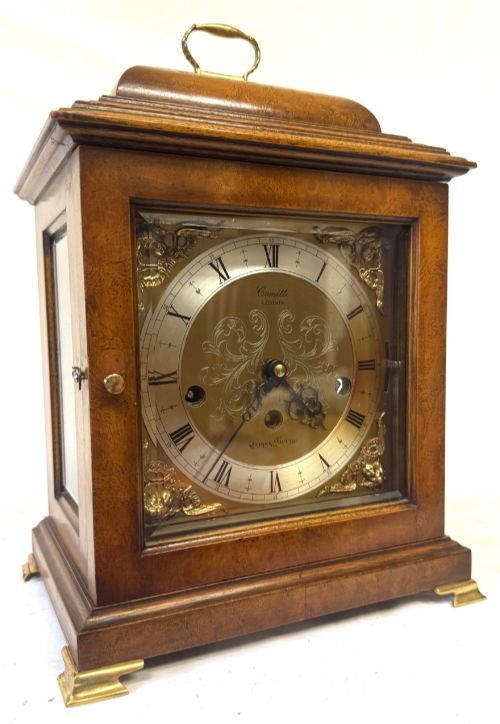
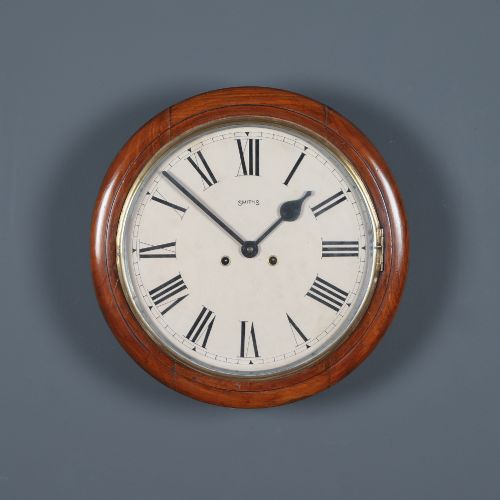
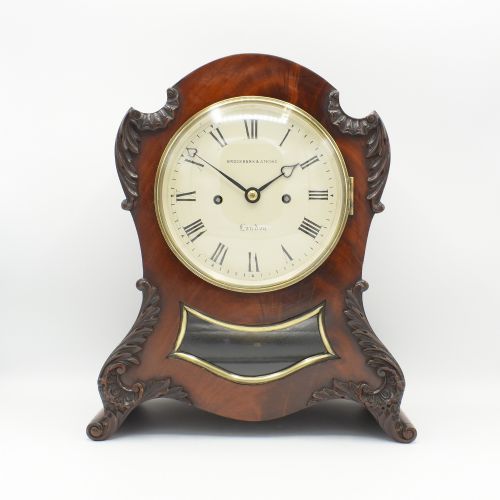
A mechanical chiming clock combines timekeeping with acoustic signals that mark the hours and quarters, drawing collectors to both visual style and mechanical execution. When you search for a mechanical chiming clock, you encounter forms that span mantel, bracket, and floor clocks from the Victorian era up to the 1930 period.
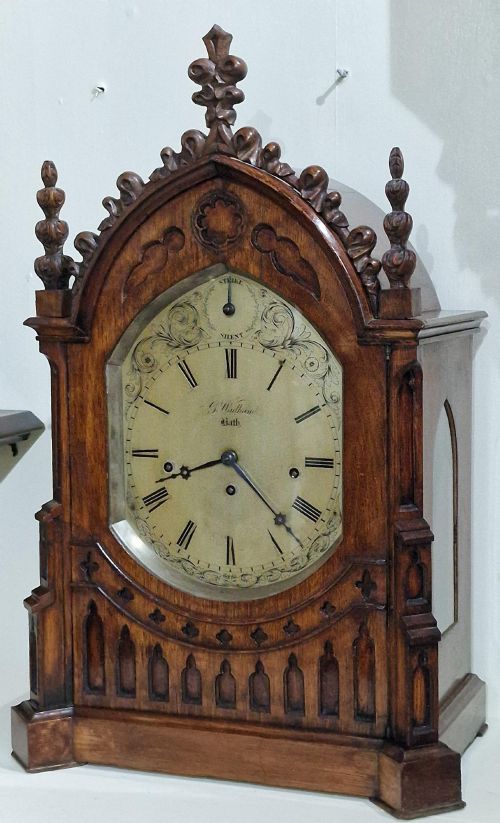
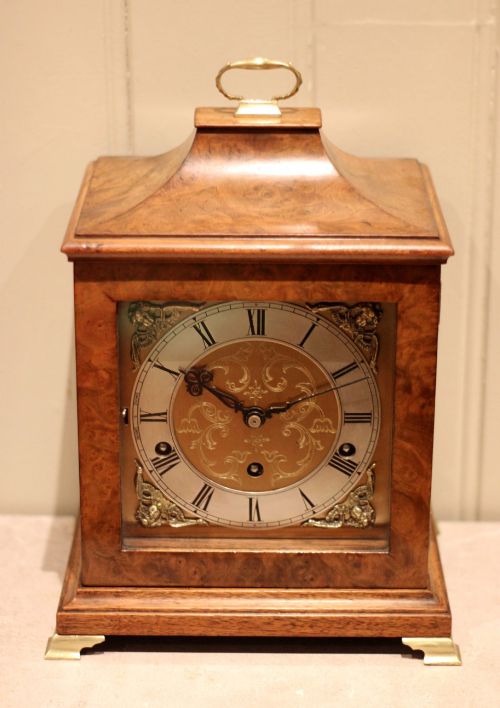
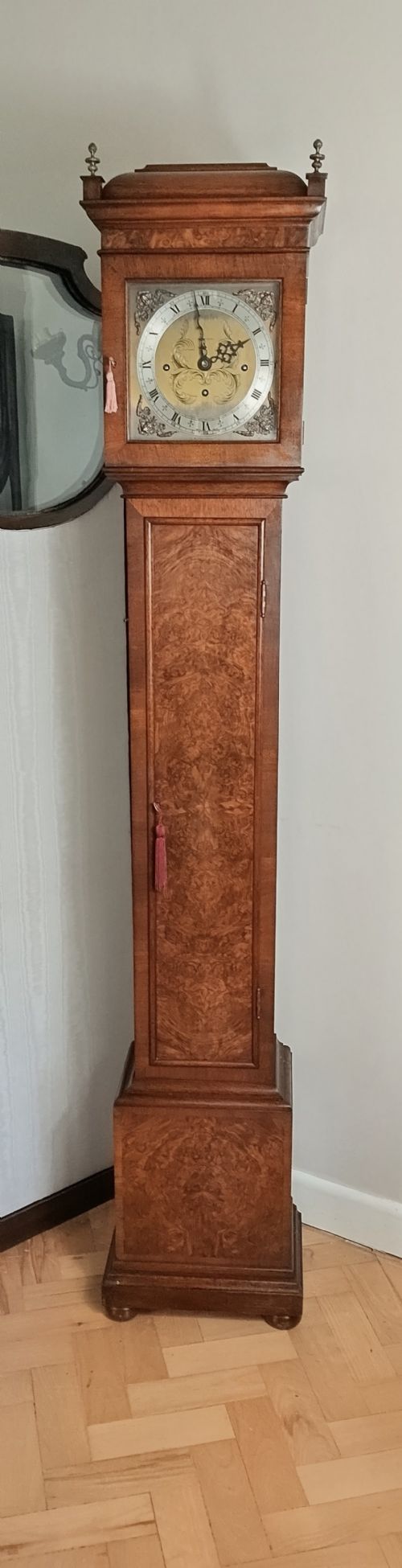
The pieces on offer showcase notable variety in their design vocabulary, moving from traditional Queen Anne style and Gothic Revival to geometric Art Deco expressions. These encompass tabletop bracket clocks with triple fusee movements alongside tall floor standing grandmother longcases housed in quarter veneered walnut.
Materials range from rich timber cases in oak and walnut to striking combinations of glass, mirrored glass, and chrome. The resulting selection provides options suited to both period interiors and modernist spaces without losing the traditional winding function.
Construction and materials
Makers housed these intricate gear trains within substantial wooden or glass enclosures, utilising brass for dials, bezels, and internal movements. Oak and walnut serve as primary cabinet timbers, often enhanced by decorative quarter veneering to create striking surface patterns.
Art Deco examples incorporate contemporary elements such as chrome accents and curved glass panels alongside mirrored glass. Traditional bracket and floor clocks rely on robust timber construction to support heavy mechanical movements and acoustic chime rods or bells.
Retail Price Guide 2026
Typical UK retail prices for mechanical chiming clock, calculated from the Sellingantiques database of over a million retail prices indexed since 2003. This retail price guide relies exclusively on Sellingantiques data; no external sources or auction records are used, so the figures do not describe the wider market.
Listings span the Victorian era, 1920, and 1930, featuring materials from traditional oak and walnut to chrome and mirrored glass.
Assessing craftsmanship and execution
The distinction between standard examples and exceptional pieces rests upon the complexity of the movement and the precision of the case joinery. Triple fusee systems driving multiple bells represent a higher tier of mechanical ambition compared to simpler chime configurations.
Material selection and decorative treatment also dictate standing, where carefully matched quarter veneers on walnut cases demonstrate superior cabinetmaking skill. The integration of modern materials like chrome within Art Deco designs shows distinct artistic confidence when balanced against traditional brass components.
George Wadham·Perivale
The Mechanical Chiming Clock Glossary
- Fusee
- A conical pulley used in better quality clocks to maintain an even pull on the movement as the mainspring unwinds. This mechanism ensures more accurate timekeeping throughout the duration of the power reserve.
- Grandmother clock
- A slender floor standing clock that resembles a traditional longcase but on a smaller scale. These pieces typically feature chiming movements housed in compact walnut or oak cases.
- Bracket clock
- A portable table or shelf clock historically designed to sit upon a wall bracket. Many examples feature substantial brass carrying handles and elaborate top pediments.
- Quarter veneered
- A cabinetmaking technique where four matching slices of wood veneer are arranged symmetrically to create a diamond or patterned grain effect. This finish frequently appears on walnut clock cases from the 1930 period.
- Westminster chime
- A four-note melody played on bells or gongs by the clock mechanism to mark the quarters of the hour. It remains one of the most familiar acoustic signatures in domestic timepieces.
Frequently Asked Questions
What is a triple fusee clock?
A triple fusee movement powers three separate trains within the clock: one for timekeeping, one for the hours, and one for the chimes. This configuration represents a more complex level of mechanical engineering.
Such systems typically operate on bells rather than simple metal rods, producing a distinct acoustic quality.
How do I wind a mechanical chiming clock?
Winding involves inserting a specialised key into specific arbors on the clock dial to tension the internal springs or weights. Care must be taken not to overwind the movement.
Different arbors control the timekeeping, the hour strike, and the quarter chimes independently.
What is the difference between a mantel clock and a bracket clock?
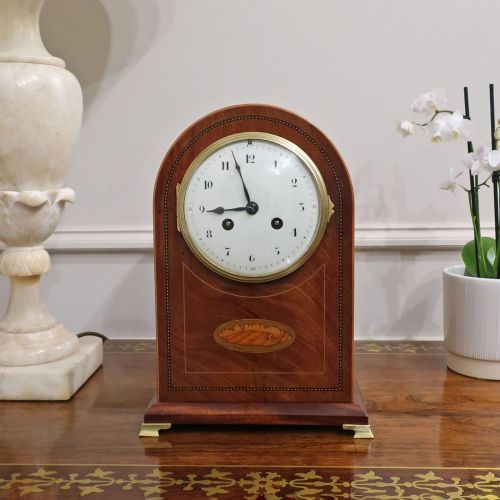
Bracket clocks originated as portable pieces designed to sit on wall brackets, often featuring substantial brass furniture and arched wooden cases. Mantel clocks generally sit directly on a fireplace shelf.
Over time, the terms became somewhat interchangeable for medium-sized tabletop timepieces.
How can I identify an Art Deco chiming clock?
Art Deco pieces display geometric forms, stepped cases, and stylised Arabic numerals on the dial. Materials often include chrome plating, mirrored glass, and exotic veneers.
These designs emerged during the 1920 and 1930 periods, contrasting sharply with earlier Victorian revival styles.