



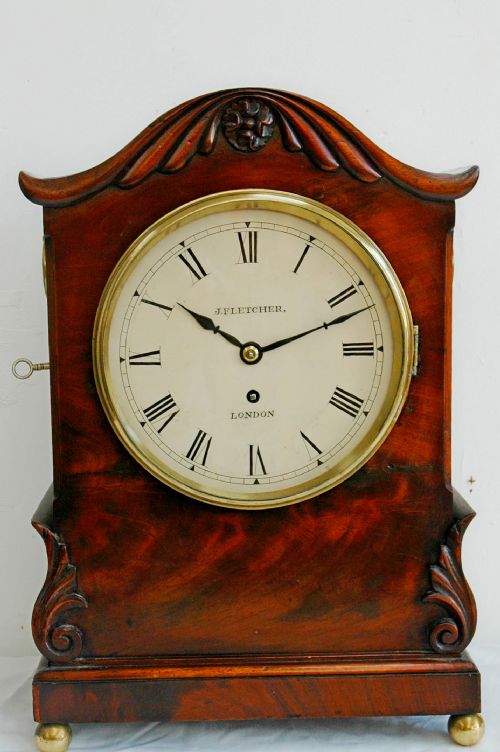
Wooden Mantle Clock
These wooden mantle clocks combine traditional cabinetry with precision horology, offering a functional centrepiece that anchors any room.
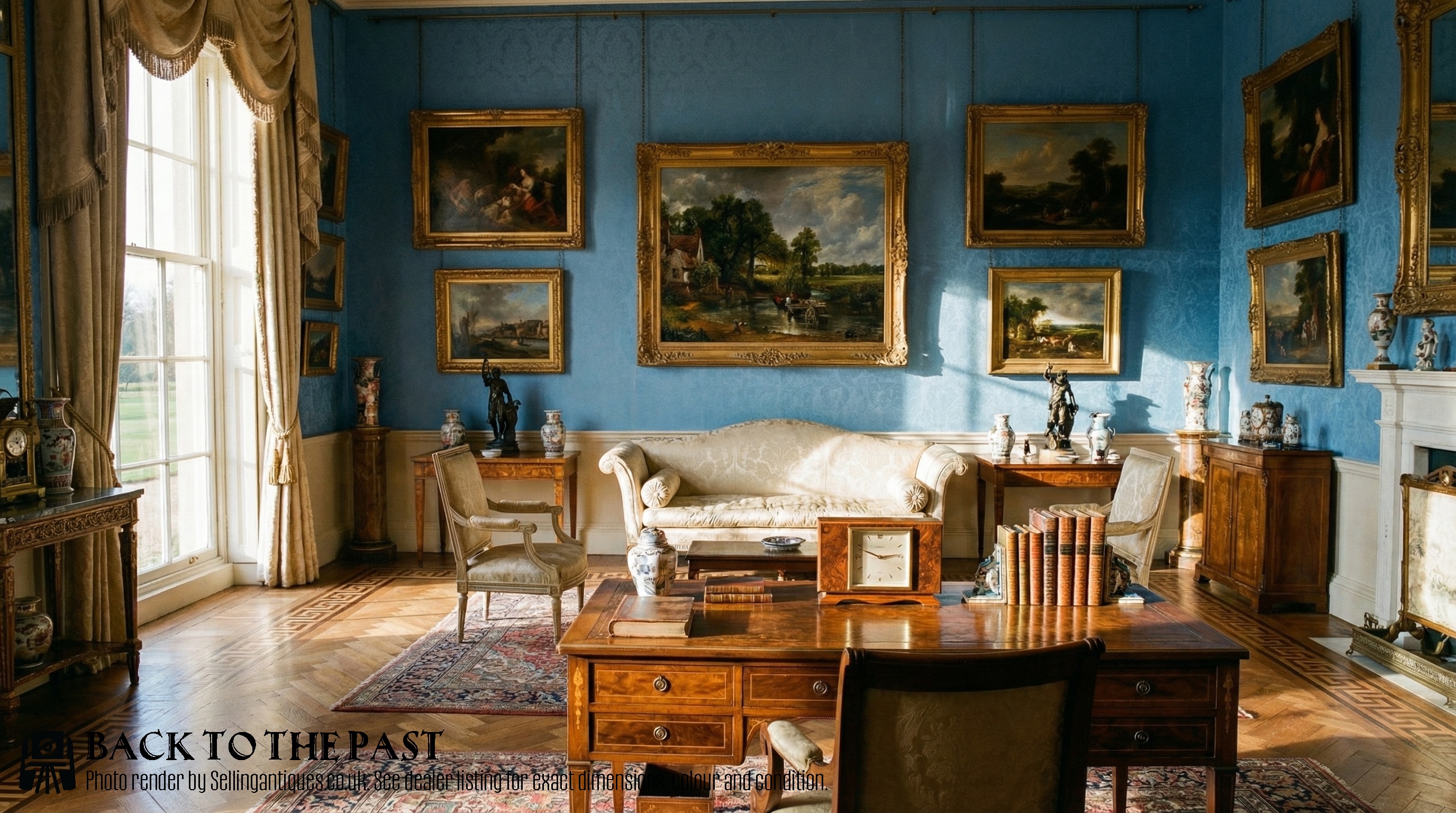
What They Are
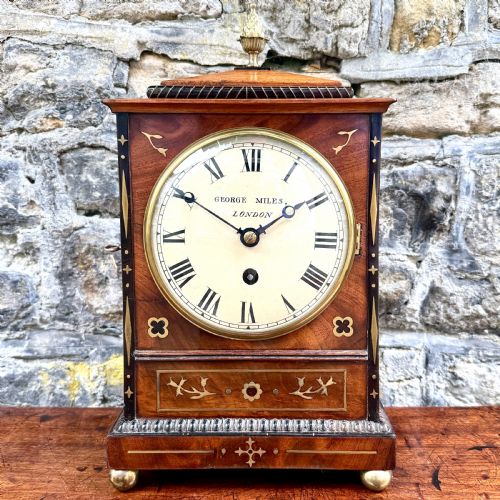
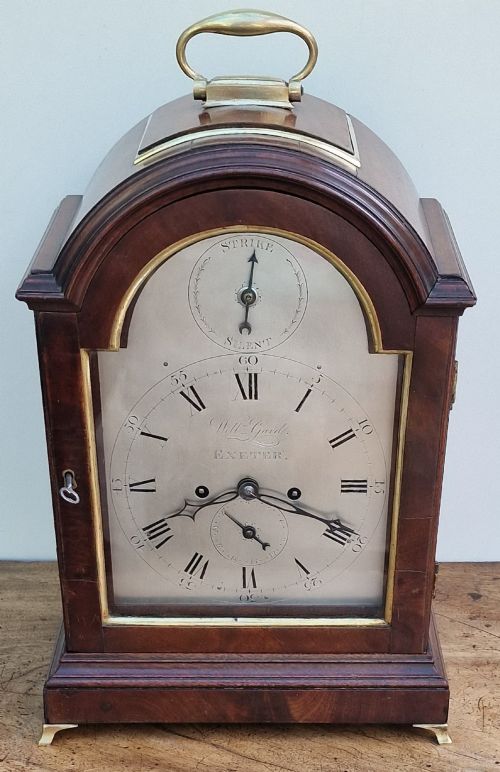
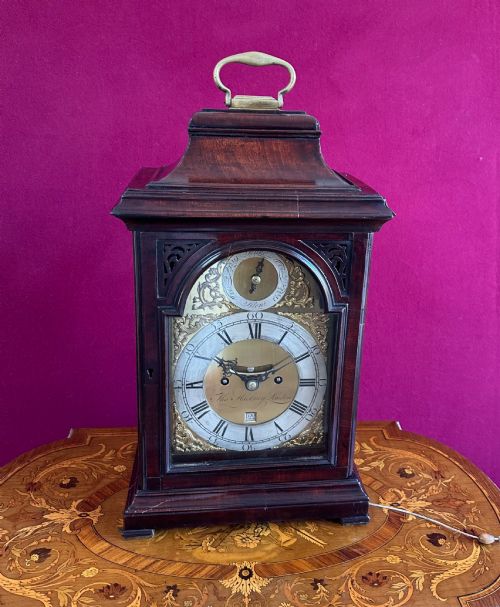
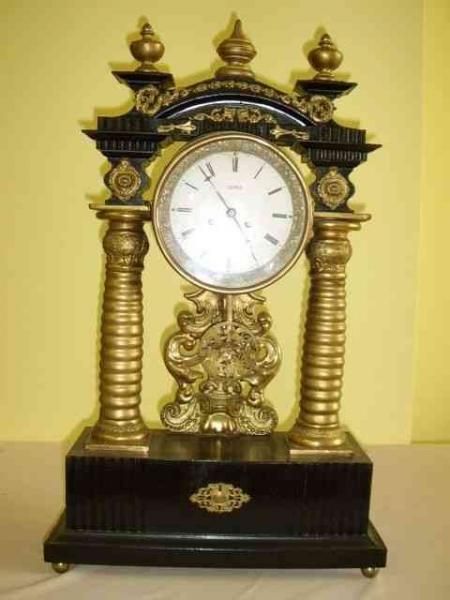
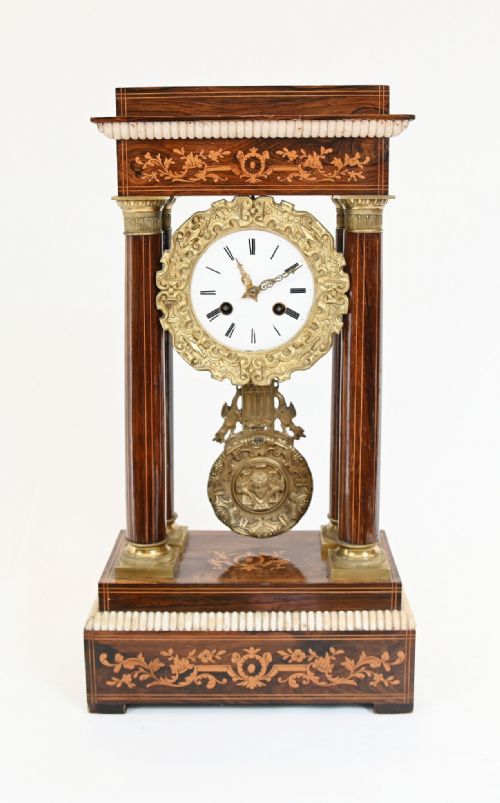
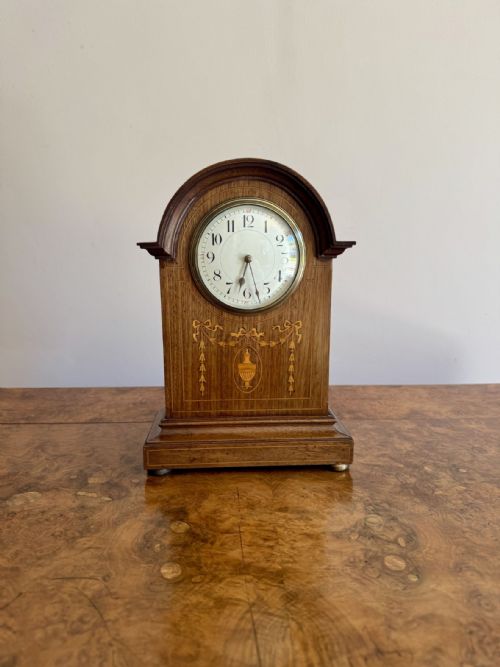
A wooden mantle clock is a desk or mantel clock housed in a timber case, designed to sit steadily on a shelf or tabletop. When searching for a wooden mantle clock, buyers encounter pieces ranging from mid-nineteenth-century bracket clocks to twentieth-century chime designs.
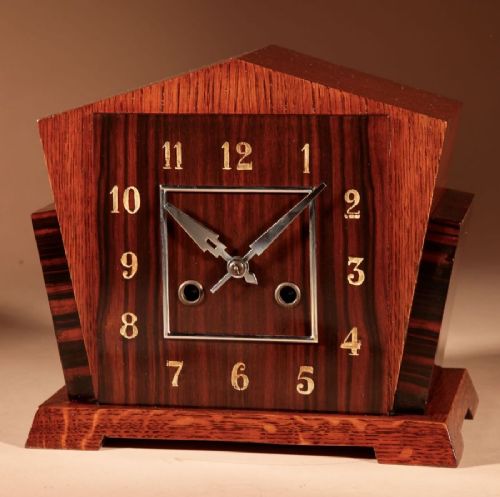
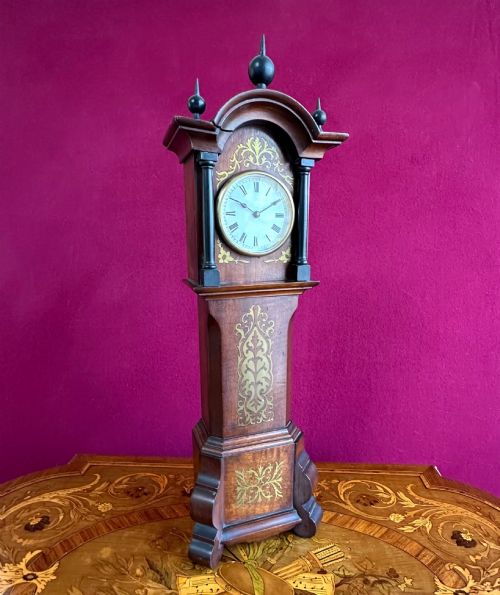
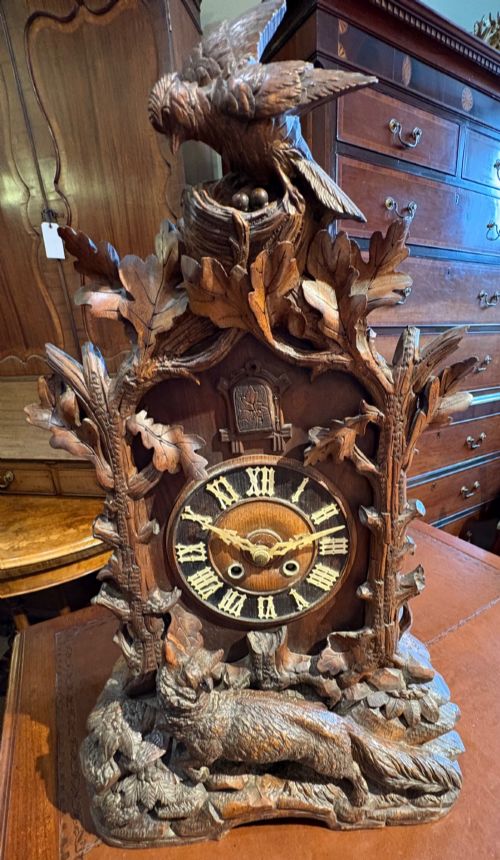
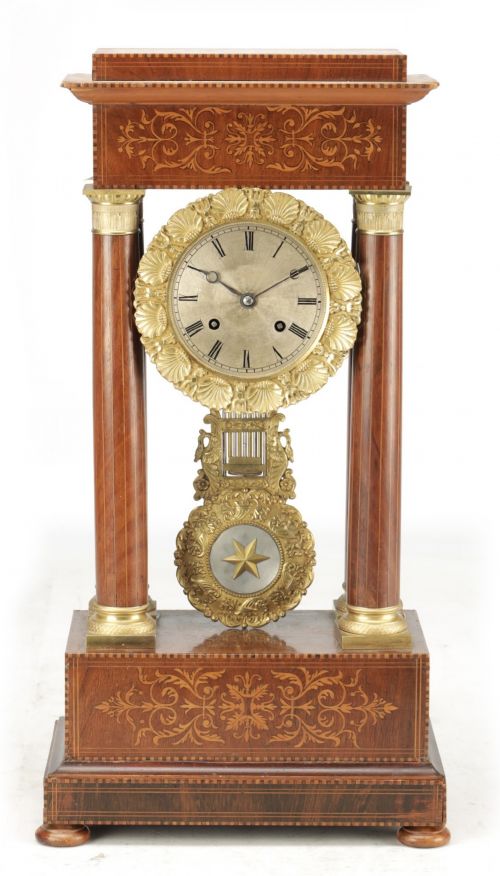
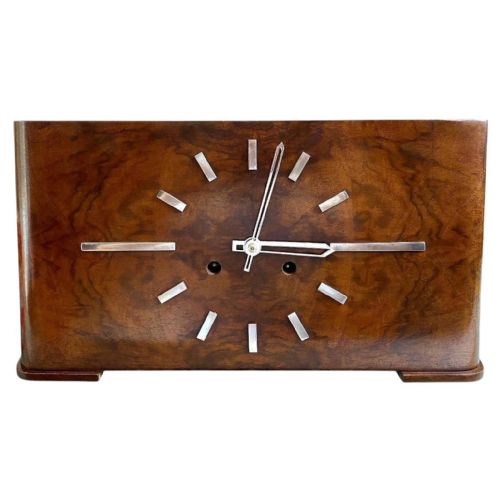
The selections span distinct historical eras, notably the Victorian period and the Art Deco style of the nineteen-twenties. These pieces take the form of mantel clocks and bracket clocks, utilising traditional cabinet shapes.
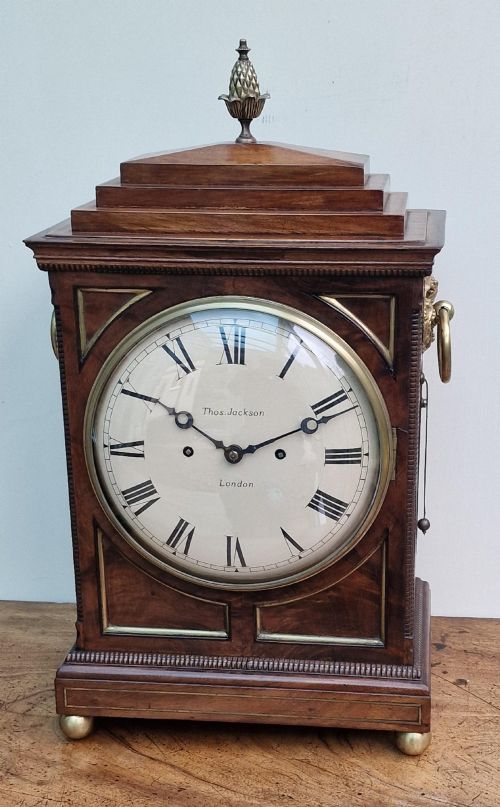
The most likely versions encountered on this page include mahogany fusee bracket clocks from eighteen-fifty, alongside burr walnut desk and mantel clocks and Westminster chime clocks from nineteen-twenty.
How They Were Made
Cabinetmakers constructed the housing using hardwoods such as mahogany, walnut, oak, and burr walnut, selecting the timber for its grain and colour. These wooden cases were polished and shaped to suit the prevailing aesthetic of their respective eras.
Glazed panels and brass bezels protect the dial, while chrome accents appear on later twentieth-century examples. The internal movements require precise metalworking to drive the timekeeping and chiming mechanisms housed within the wooden bodies.
Some of these clocks have chimed the hours through entire generations of family arguments over who forgot to wind them.
What Varies in Quality
The calibre of the cabinetwork dictates much of the standing of a clock, distinguishing standard production models from bespoke maker pieces. Selection of premium timbers like burr walnut and figured mahogany elevates the visual depth of the case.
The reputation of the maker and the complexity of the internal movement set the finest pieces apart. Signed dials and specialised mechanisms, such as fusee movements or Westminster chimes, denote superior manufacturing standards.
Webster Cornhill London·Perivale·Elliott of London
The Wooden Mantle Clock Glossary
- Bracket clock
- A portable clock originally designed to sit on a wall bracket or a table. These pieces often feature substantial wooden cases and high-grade mechanical movements.
- Fusee
- A conical pulley connected to the mainspring by a chain or cord, designed to equalize the torque of the mainspring as it unwinds. This mechanism ensures consistent timekeeping accuracy.
- Mantle clock
- A clock designed to stand on the mantelpiece above a fireplace. They are produced in a variety of timber enclosures to match domestic interiors.
- Westminster chime
- A melodic quarter-hour chime sequence associated with clock movements. This acoustic feature is frequently found in twentieth-century examples.
Frequently Asked Questions
What is a wooden mantle clock?
A wooden mantle clock is a timepiece enclosed in a timber case, built to stand flat on a mantelpiece, shelf, or desk. They combine domestic cabinetry with mechanical clockwork.
These clocks serve as both functional timekeepers and decorative objects, utilising woods such as mahogany, walnut, and oak.
How do I tell Victorian and Art Deco clocks apart?
Victorian clocks, dating around eighteen-fifty, typically feature traditional timber cases like mahogany bracket designs with classical proportions. They reflect the ornate sensibilities of the nineteenth century.
Art Deco clocks from nineteen-twenty display the streamlined geometric forms and materials characteristic of the twentieth-century modernist movement.
Where should I place a mantel clock?
These clocks sit securely on any flat horizontal surface, such as a mantelpiece, sideboard, or desk. Their stable wooden bases support placement throughout the home.
Ensure the surface is level to keep the pendulum or balance wheel operating correctly.
What materials are used in these clocks?
The exterior cases are constructed from timbers including mahogany, walnut, oak, and burr walnut. Glazed panels, brass bezels, and chrome details complete the construction.
Internal components rely on durable metals configured into complex gear trains and chime systems.