



Vintage Walnut Timepiece
A vintage walnut timepiece brings warmth and dependable mechanical charm to any room through rich grain and classic craftsmanship.
Vintage Walnut Timepiece
A vintage walnut timepiece unites rich timber with reliable mechanics, offering functional elegance for domestic interiors. These objects appear primarily as mantel clocks and wall clocks spanning the Victorian, Edwardian, and Art Deco eras.
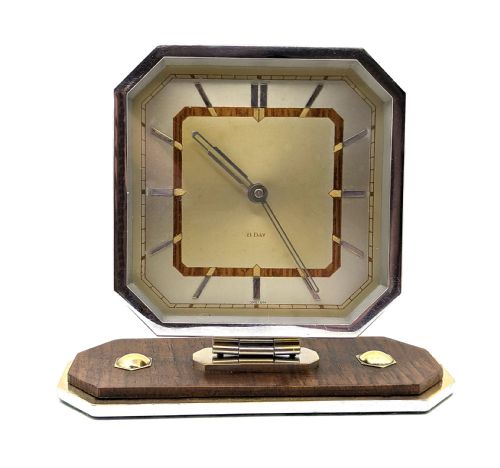
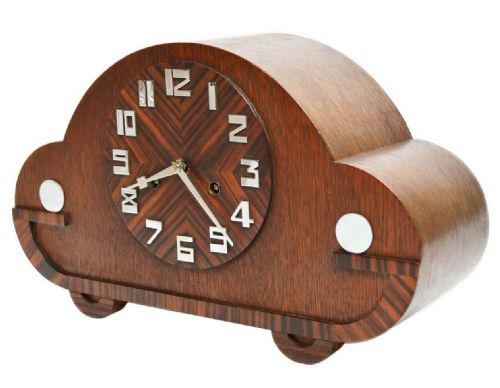
The most common examples on this page are Art Deco mantel clocks and wall clocks dating from around 1930. These pieces frequently employ striking geometric wooden cases and contrasting two-tone finishes.
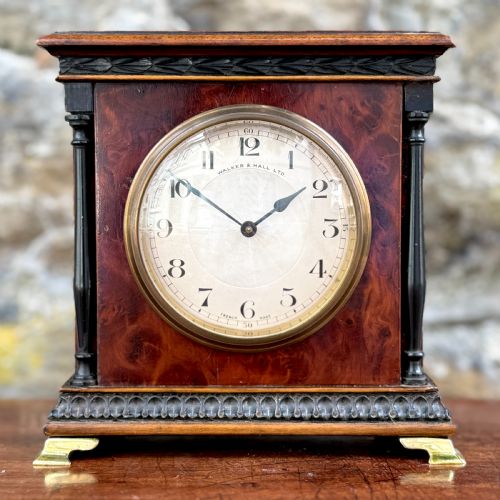
Makers such as Walker and Hall, Vedette, Mauthe, Bravingtons Ltd, Elliott of London, and Payne of Tunbridge Wells represent the diverse British and continental workshops producing these items.
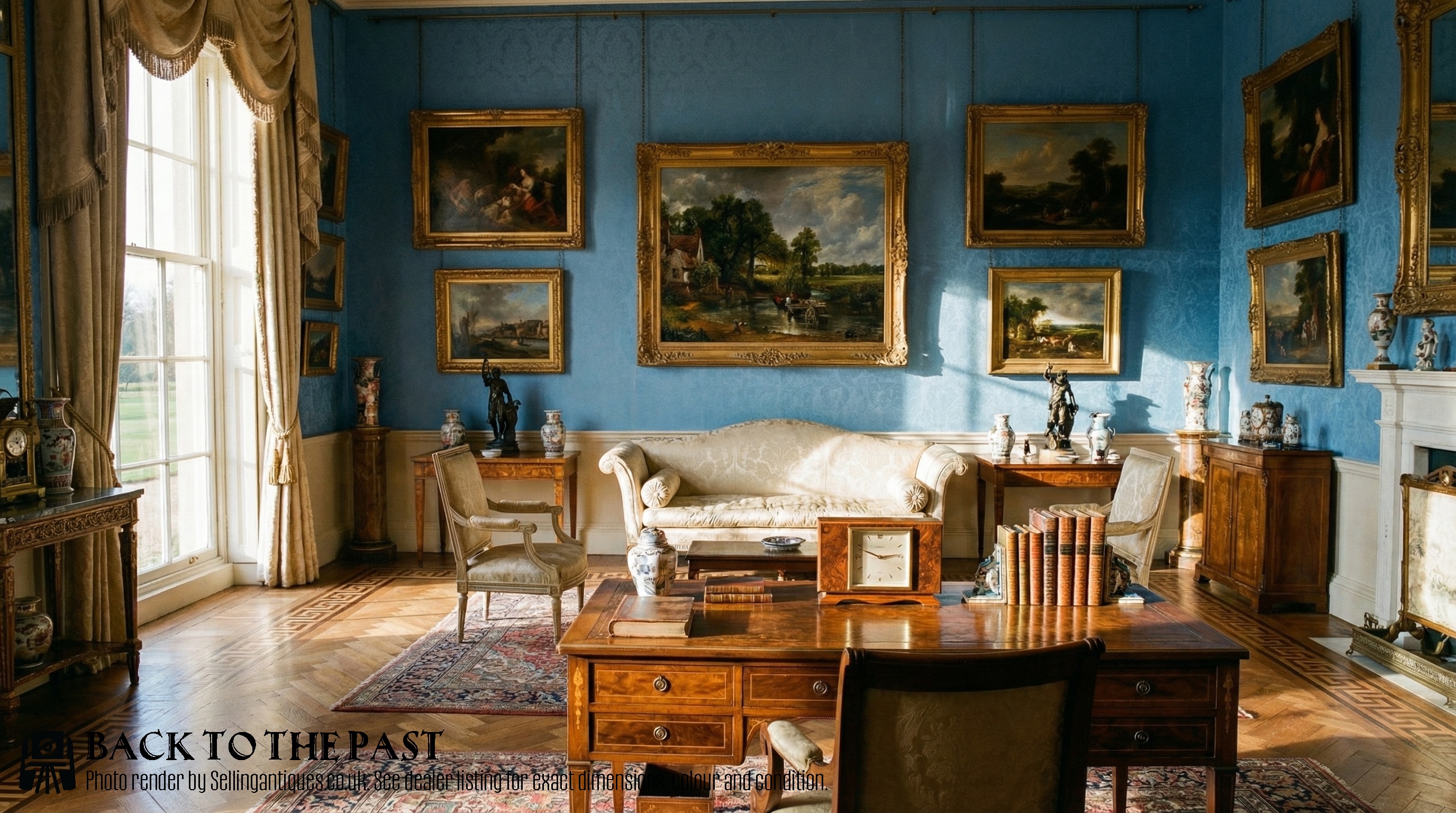
Materials and construction methods
Cases utilise walnut and burr walnut veneers, sometimes paired with ebonised wood or mahogany for visual depth. The natural figure of the timber determines the surface pattern across the front of each clock.
Interior mechanisms rely on brass and metal components to drive eight-day movements, pendulum systems, or carillon chimes. Glass covers protect the dial faces, whilst chrome details appear on later mid-century examples.
Vintage Walnut Timepiece Retail Price Guide 2026
Typical asking prices for vintage walnut timepiece among the pieces listed under this phrase on Sellingantiques today, from the lower quarter to the upper quarter. They describe what is for sale here now, not the wider market.
Listings feature walnut, mahogany, and ebonised wood across Victorian, Edwardian, and Art Deco periods.
Judging the quality of a walnut clock
Quality rests in the grain selection and the precision of the cabinetwork. Heavily figured burr walnut surfaces and clean geometric lines elevate a piece beyond standard production models.
The sophistication of the internal movement dictates mechanical worth. Fully serviced movements by established makers command attention for their reliability and engineering standard.
Walker and Hall·Vedette·Mauthe·Bravingtons Ltd of London·Elliott of London·Payne of Tunbridge Wells
The Vintage Walnut Timepiece Glossary
- Burr walnut
- A prized timber harvested from tree growths, yielding intricate swirling patterns across the clock case. This decorative veneer defines high-end cabinetmaking.
- Mantel clock
- A portable timepiece designed to sit on a fireplace mantelpiece or shelf. These domestic objects display decorative wooden cases suited to room decor.
- Vienna regulator
- A precision wall-mounted timepiece driven by a weight and pendulum system. Originating in Austria, these clocks prioritize exceptional timekeeping accuracy.
- Carillon
- A set of bells tuned to play musical melodies on the hour. This mechanism adds acoustic charm to wall-hung clocks.
- Dial
- The visible face of the clock displaying numerals and markings. The craftsmanship of the dial signposts the age and origin of the piece.
Vintage Walnut Timepiece: Frequently Asked Questions
How do I wind an eight day clock?
Insert the winding key into the designated holes on the dial face and turn gently until resistance is met.
Avoid over-winding the spring, as this can damage the internal mechanism and affect timekeeping.
Where should I place a mantel clock?
Select a stable, level surface away from direct sunlight, moisture, and draughts to protect the wooden case and internal metalwork.
A mantelpiece or sturdy sideboard provides an ideal environment for displaying the timber grain.
How do I identify an Art Deco clock?
Look for symmetrical geometric shapes, stepped wooden cases, and contrasting two-tone timber or chrome details.
These design traits typically place the manufacture around the 1930s.
Are pendulum clocks difficult to keep accurate?
Pendulum clocks require a plumb surface and occasional regulation using the small adjustment nut on the pendulum rod.
Ensuring the clock sits upright on the wall or shelf keeps the beat even.