


London Maker Clock
A london maker clock carries the weight of centuries of English horology, offering precise mechanical artistry and timeless interior presence.
London Maker Clock
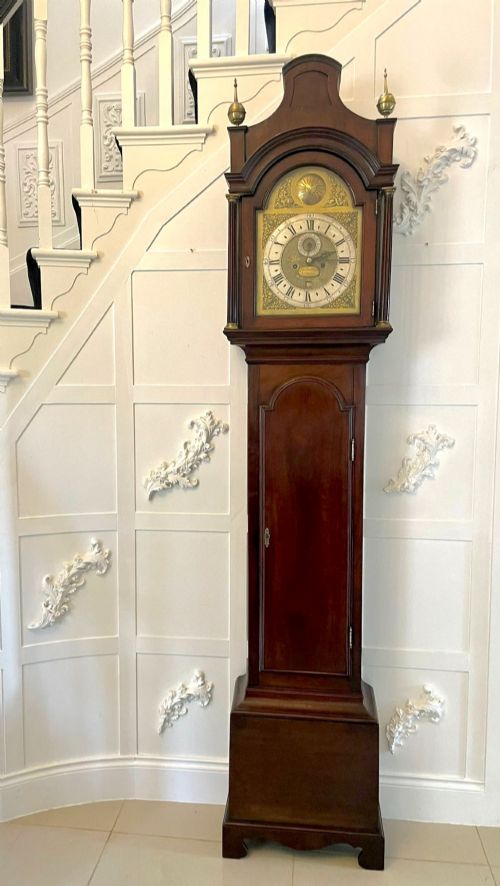
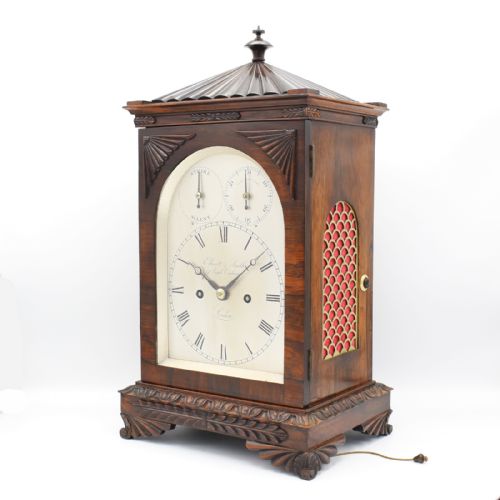
A london maker clock encompasses diverse forms ranging from towering longcases to compact mantel and wall pieces created by metropolitan craftsmen. These horological items emerge across periods including the Georgian, Regency, and Victorian eras.
The most typical examples found here are mahogany or ebonised wood bracket clocks and tall longcase pieces bearing the signatures of celebrated capital makers. Each item reflects the specific domestic or institutional requirements of its era of production, from drawing rooms to railway platforms.
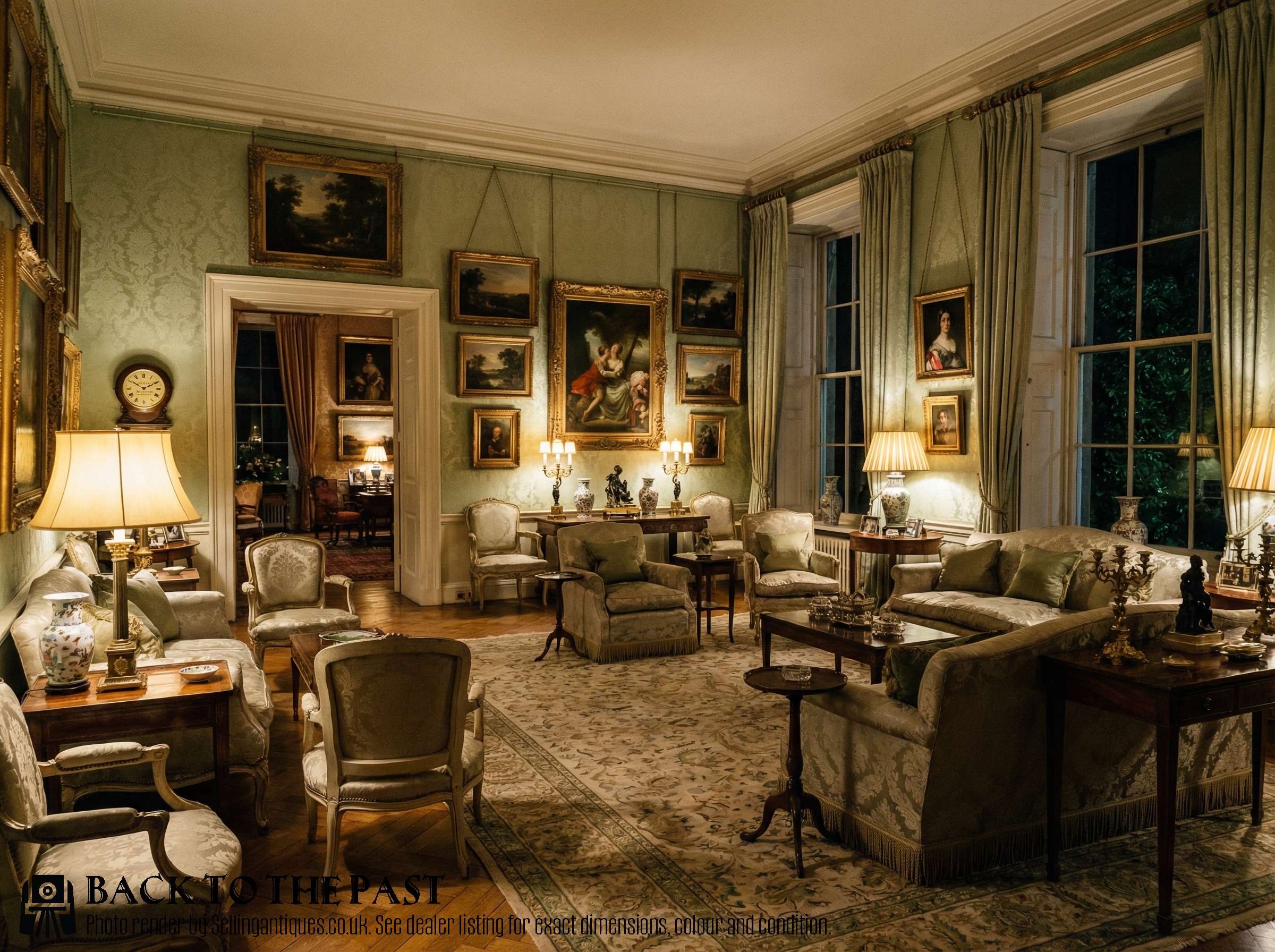
Evaluating craftsmanship
Quality rests in the precision of the signed dial, the complexity of the striking train, and the refinement of the timber case. Finer examples display meticulous engraving on brass backplates and sophisticated architectural detailing.
Proportion and the retention of original components separate superior items from standard production. A master horologist achieved greater harmony between case design and mechanical reliability.
London Maker Clock Retail Price Guide 2026
Typical asking prices for london maker clock among the pieces listed under this phrase on Sellingantiques today, from the lower quarter to the upper quarter. They describe what is for sale here now, not the wider market.
Listings span multiple centuries, uniting 18th-century longcases with Victorian wall clocks in mahogany, rosewood, and ebonised timber.
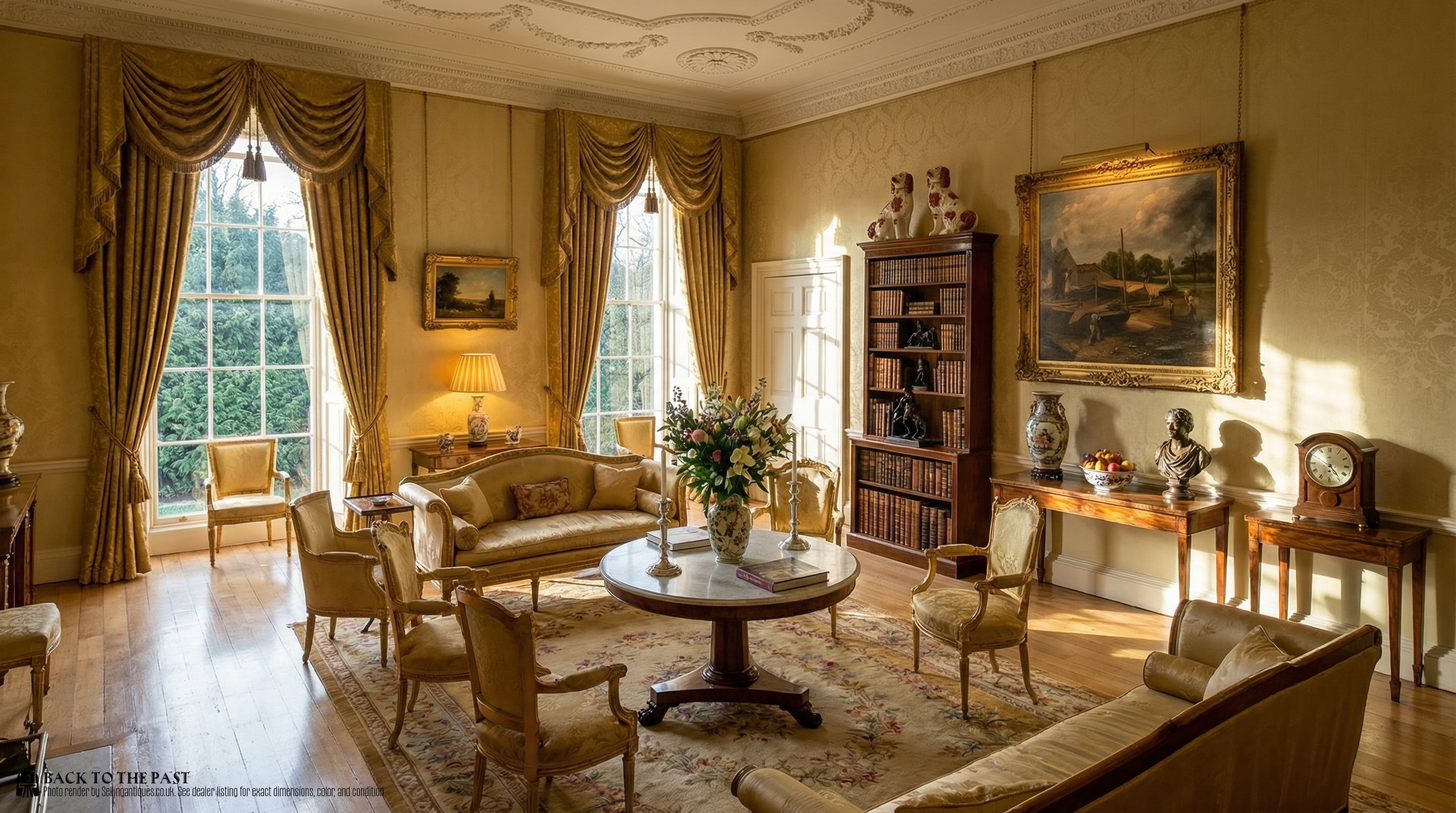
Charles Shuckburgh·Ellicott and Smith·Desbois and Wheeler·Webster Cornhill London·John Walker·William Tomlinson·Frodsham and Baker·Berguer of the Strand·Anthony Marsh·James Smith·J.W. Benson·Edward Hannam·J. Beckett·James Maitland·Barraud and Lunds·Payne and Co·Maple and Co·John Rowe
The London Maker Clock Glossary
- Fusee
- A conical pulley used on clock movements to maintain an even pull on the mainspring as it unwinds. This mechanism improves timekeeping consistency throughout the power reserve.
- Bracket clock
- A portable spring-driven clock originally designed to sit on a bracket or shelf. These pieces frequently feature intricate wooden cases and carrying handles.
- Longcase clock
- A tall pendulum clock enclosed in a wooden case that rests on the floor. They are commonly known as grandfather clocks.
- Silvered metal
- A brass or copper dial surface treated with a silver compound to create a bright, readable ground for engraved numerals.
- Lancet-top
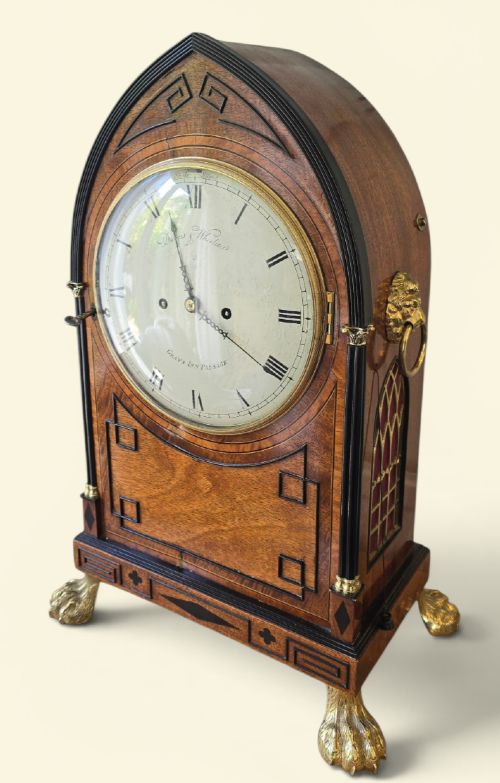
- A style of clock case featuring a pointed, arched top resembling a lancet window. This architectural silhouette is particularly common in Regency bracket clocks.
London Maker Clock: Frequently Asked Questions
How do I wind a fusee clock?
Use the appropriate key on the winding square located on the dial, turning it gently clockwise until resistance is felt. Care should be taken not to overwind the mainspring.
Ensure the pendulum, if present, is at rest or properly engaged before setting the time. Regular maintenance by a professional conservator keeps the gear train functioning correctly.
Where were bracket clocks placed?
These spring-driven items originally rested on dedicated wall brackets to allow sound to travel effectively through the room. Later examples sat freely on mantelpieces or table tops.
Their portable nature allowed owners to move them between rooms as needed, unlike heavy floor-standing longcase pieces.
How do I identify a Georgian clock?
Examine the timber choice, dial execution, and overall proportions of the case. Georgian pieces frequently utilise rich mahogany and understated brass ornamentation.
Signatures inscribed on the dial or backplate often connect the movement to recorded London workshops of the eighteenth century.
What is a railway clock?
A robust timepiece designed for transit stations and operational offices to ensure strict schedule adherence. These items prioritize high-contrast dials and durable outer cases.
Makers such as John Walker supplied these utilitarian pieces for transport networks during the nineteenth and twentieth centuries.