

Marquetry Wooden Cabinet
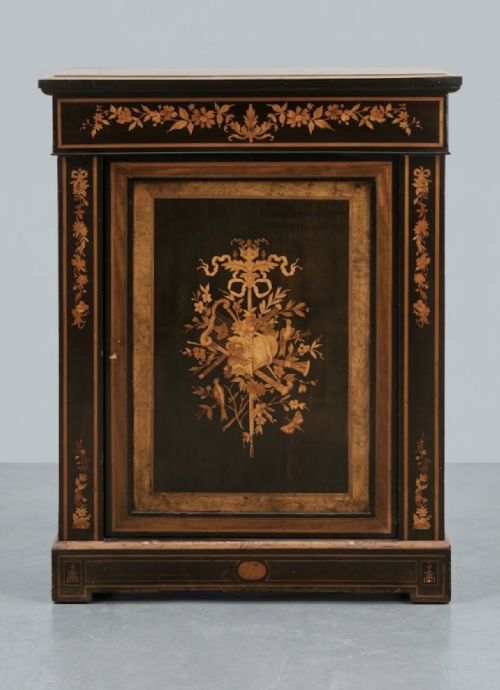
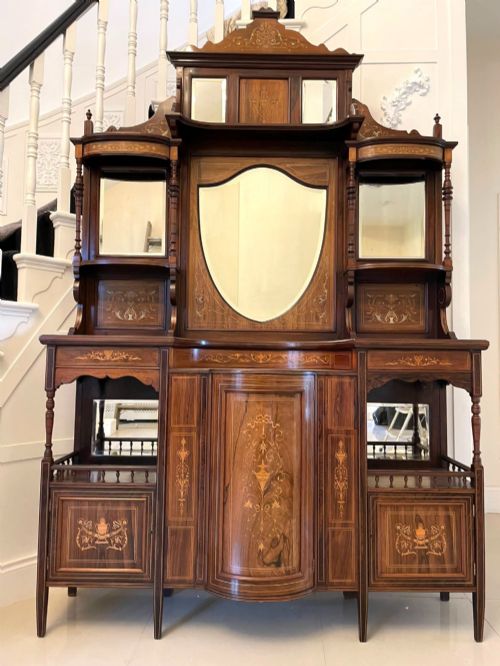
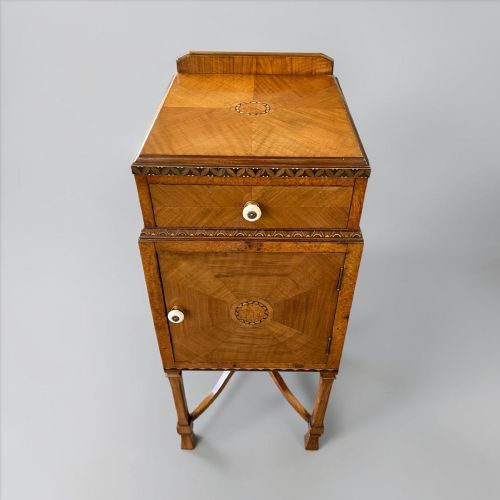
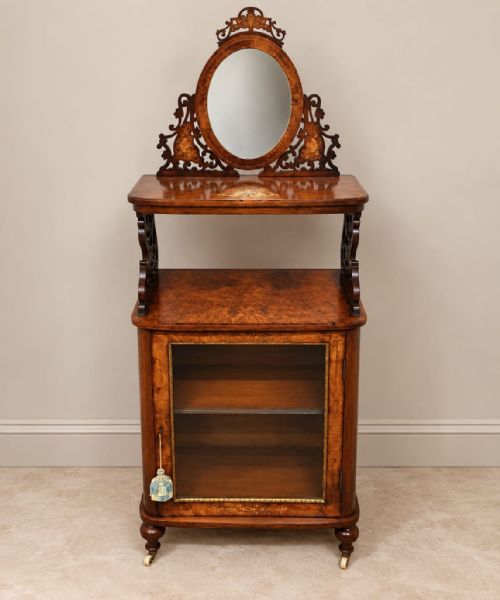
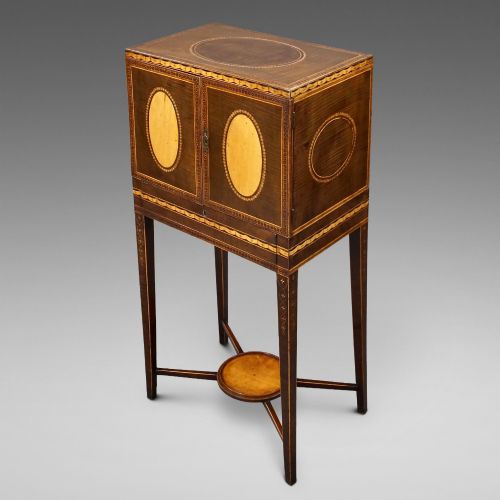
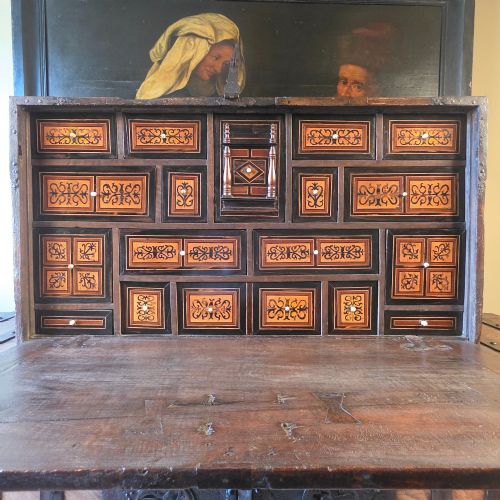
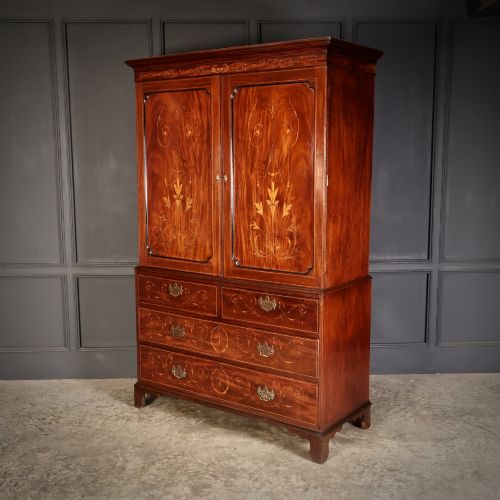
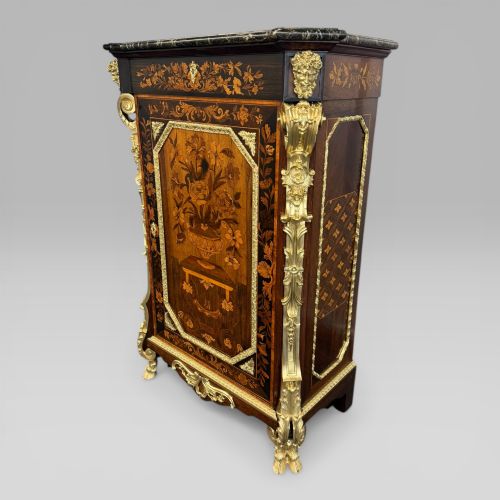
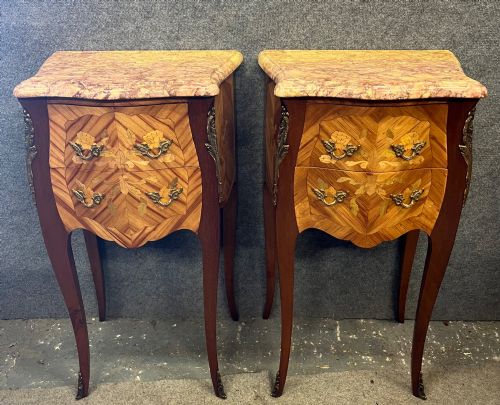
A marquetry wooden cabinet brings patterned veneers and rich timber tones into a room, offering both display space and concealed storage.
Marquetry Wooden Cabinet
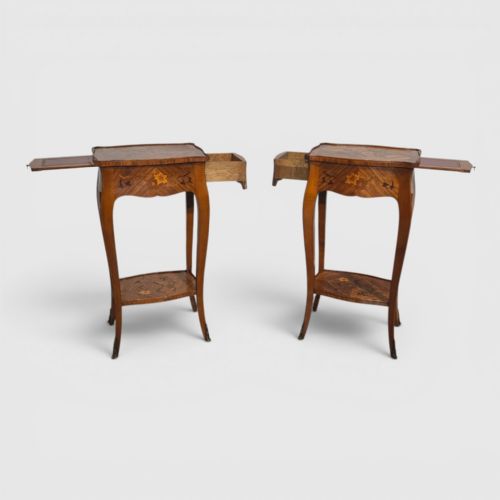
When searching for a marquetry wooden cabinet, buyers encounter a diverse selection spanning multiple centuries, from seventeenth-century provincial pieces to refined Georgian and Victorian examples. These storage items range from compact bedside chests and lamp tables to large sideboards, credenzas, and display cabinets.
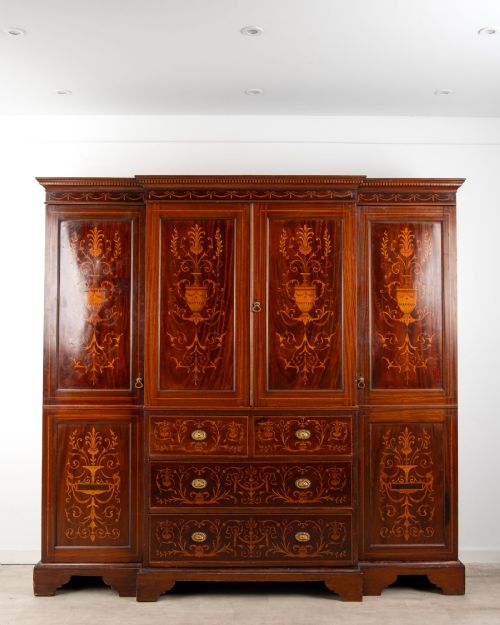
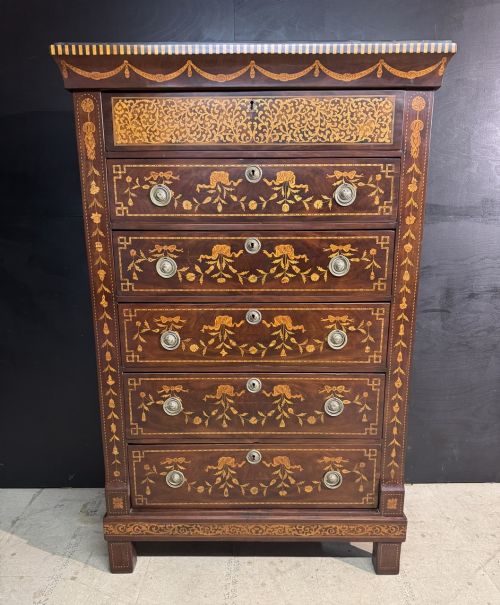
The nineteenth century dominates the current selection, particularly Victorian burr walnut side cabinets and satinwood display pieces, alongside Edwardian mahogany wardrobes and twentieth-century French lamp tables. Regional variations appear too, including eighteenth-century Dutch tall chests and North Italian commodes showcasing elaborate floral and figurative veneer work.
Forms vary according to period function, incorporating glass doors for vitrines, marble tops for commodes, and fitted interiors for stationery boxes, linen presses, and tantalus sets. Buyers select these items to anchor a room with period character while serving practical storage needs.
How they were made
Cabinet makers utilised solid secondary timbers like mahogany, walnut, and ebonised wood as a structural base, applying fine veneers of kingwood, harewood, amboyna, and satinwood to visible surfaces. Artisans cut thin slices of contrasting woods and assembled them into pictorial or geometric panels before gluing them onto the carcase.
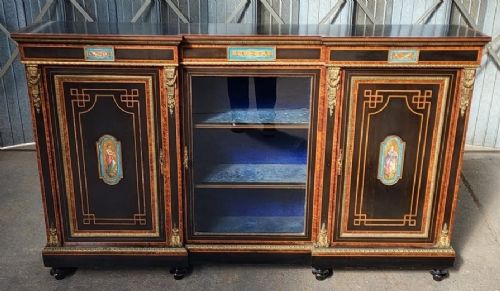
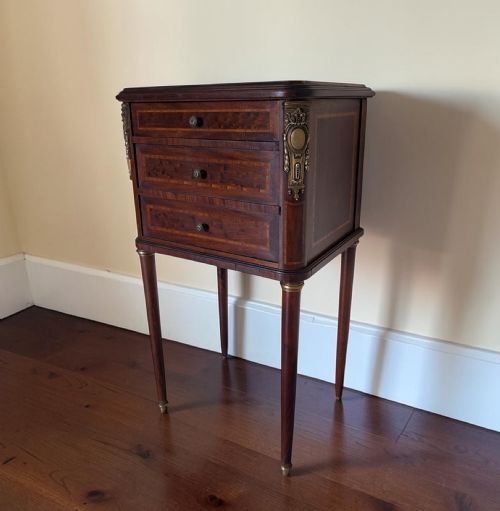
Metal mounts in ormolu and cast brass frequently accentuate corners, key escutcheons, and glazed door frames, particularly on French Louis XV and Victorian revival pieces. Glass panels, crystal decanters, and marble slab tops complete the construction of finer display cabinets and commodes.
Listings feature marquetry wooden cabinets spanning from the seventeenth century through to the art deco era of the 1930s.
What varies in quality
The refinement of the veneer work largely determines the standing of a piece, separating simple geometric bandings from elaborate, finely shaded floral marquetry pictures. The choice of underlying timber also plays a role, with burr walnut, rosewood, and kingwood commanding greater skill in handling than plain secondary woods.
Structural integrity and the retention of original mounts, glass, and hardware distinguish superior examples from heavily restored or altered items. The crispness of the carving, the seamless fit of the doors, and the depth of the hand-applied polish reflect the original workshop standards.
Edward Holmes Baldock·Blake·Galle
The Marquetry Wooden Cabinet Glossary
- Marquetry
- Decorative veneer work formed by fitting together small pieces of wood, shell, or ivory to create pictorial designs on a wooden surface. This technique requires immense precision to ensure tight joints between contrasting timbers.
- Ormolu
- Gilded bronze ornamentation applied to furniture mounts, feet, and handles during the eighteenth and nineteenth centuries. The finish provides a bright metallic contrast against dark woods like ebonised mahogany or rosewood.
- Credenza
- A low dining room or parlour cabinet featuring doors, often with curved glass side sections and elaborate marquetry panels. Victorian iterations frequently incorporate marble tops and intricate satinwood inlay.
- Compactum
- A large fitted wardrobe combining hanging space, shelves, and drawers within a single unified structure. Edwardian examples often showcase inlaid mahogany panels and mirrored doors.
- Tantalus
- A locking wooden frame holding decanters to prevent unauthorized access to the contents while displaying the crystal. These are frequently mounted in inlaid mahogany or satinwood cases alongside games compartments.
Marquetry Wooden Cabinet: Frequently Asked Questions
How do I date a marquetry wooden cabinet?
Dating relies on examining the construction methods, secondary timbers, and characteristic decorative motifs of the period. For instance, seventeenth and eighteenth-century pieces often display hand-cut dovetails and native woods, whereas Victorian examples frequently utilise machine-sawn elements combined with exotic veneer species like amboyna and burr walnut.
Hardware, hinges, and locking mechanisms also offer reliable clues to the era of manufacture. Original key escutcheons and hand-beaten brass or cast ormolu mounts align with the prevailing stylistic movements recorded in the cabinet's design.
Where should I place a side cabinet?
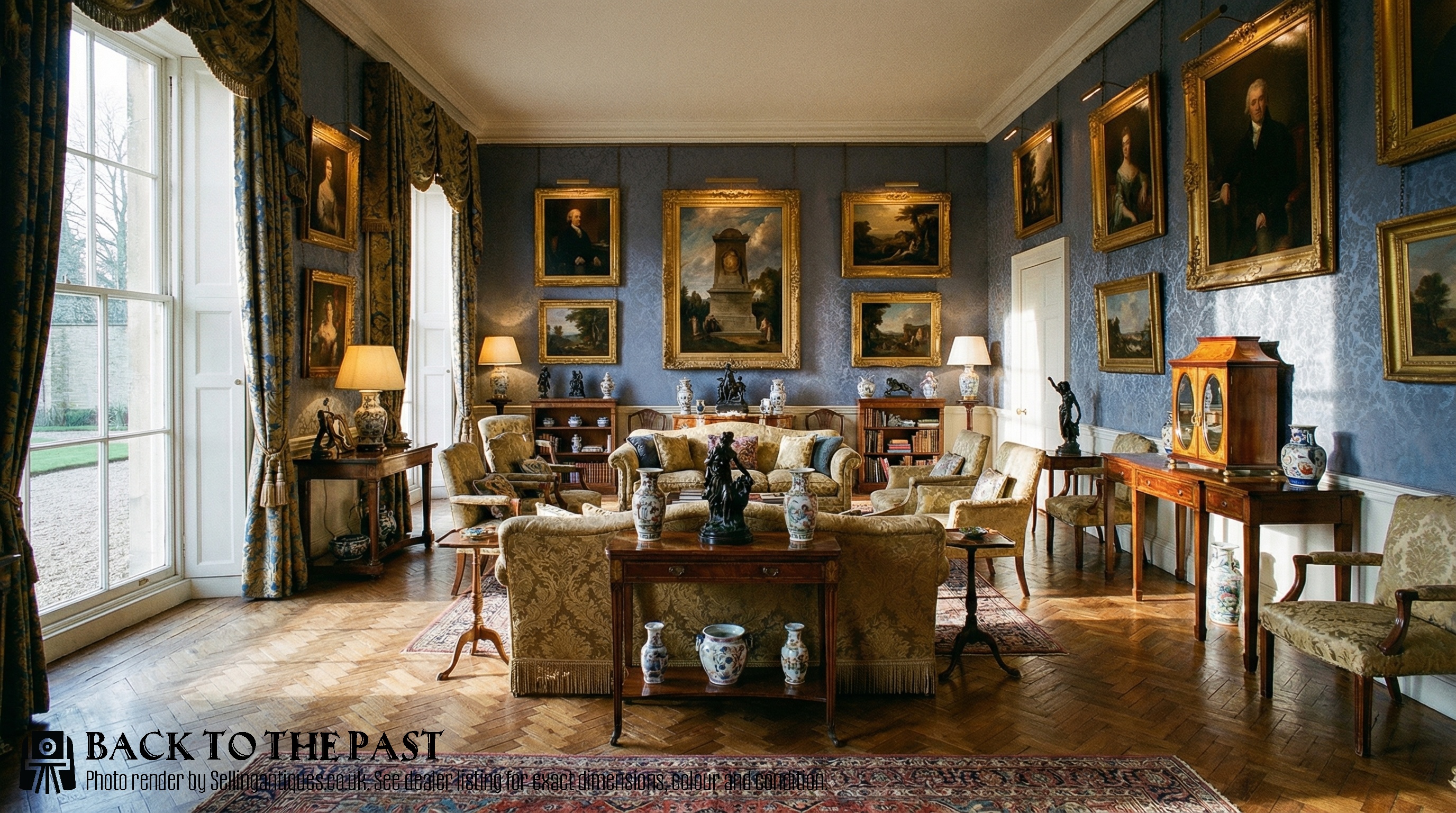
A side cabinet suits entrance halls, living rooms, and dining spaces where surface display and enclosed storage are both required. Low credenzas and pier cabinets work well beneath windows or artwork, providing a stable platform for lamps and decorative objects.
Taller pieces like corner cupboards and tallboys utilise empty wall junctions and awkward alcoves efficiently. Keeping such timber furniture away from direct heat sources and strong sunlight preserves the delicate marquetry veneers.
What is the difference between inlay and marquetry?
Inlay involves chiselling a recess into a solid piece of wood and inserting a contrasting material to flush the surface. This method is common in linear stringing and simple geometric banding on Georgian and Edwardian furniture.
Marquetry covers the entire surface with a composed picture or pattern assembled from various veneer sheets before application. This mosaic technique is prevalent on Dutch tallboys, French commodes, and Victorian credenzas.
How do I care for antique wood veneer?
Maintenance requires dusting with a soft, dry cloth and avoiding silicone-based sprays or excessive moisture. Maintaining a stable indoor humidity prevents the underlying timber from expanding and causing the delicate veneer panels to lift.
Occasional application of appropriate microcrystalline wax nourishes the polish and protects the wood grain. Professional conservation is recommended if any sections of veneer begin to loosen or separate from the carcase.