


Marquetry Inlaid Tea Table
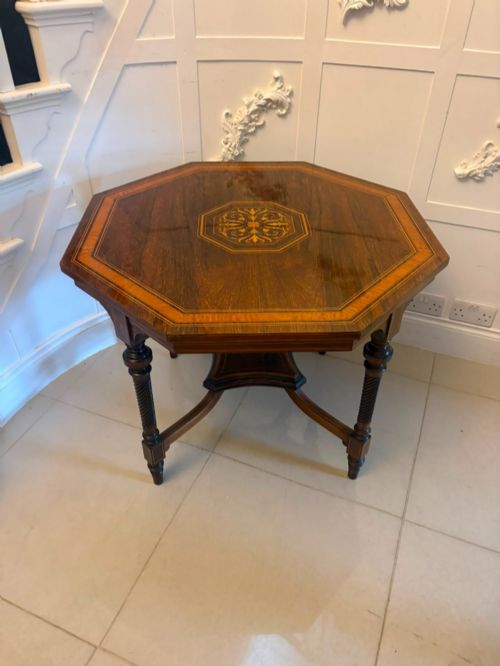
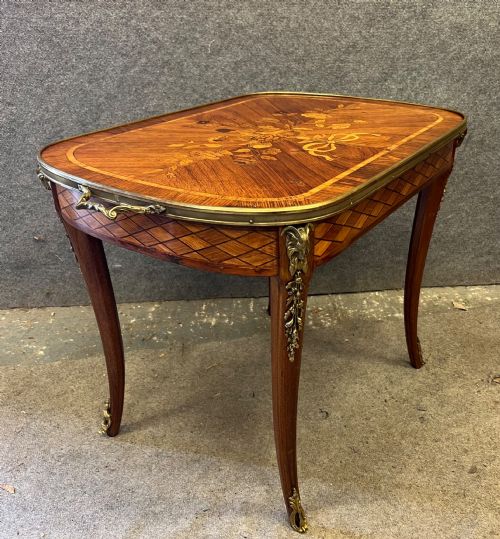
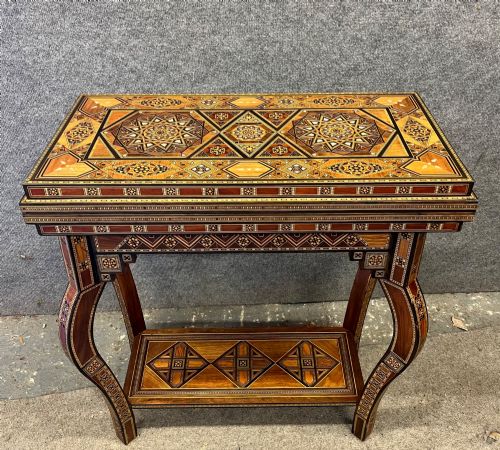
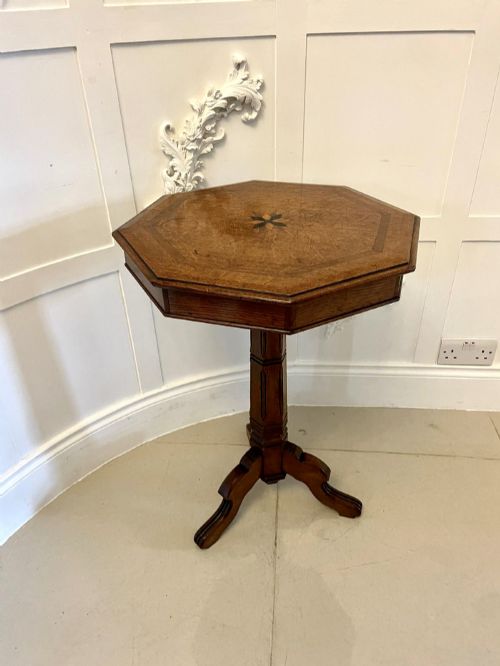
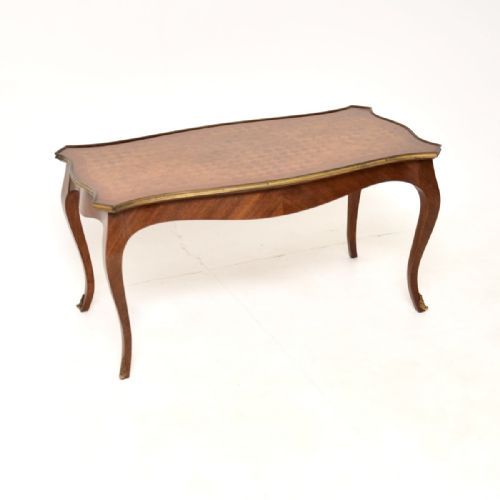
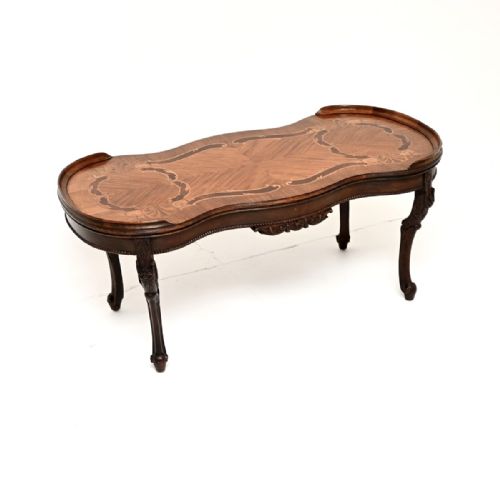
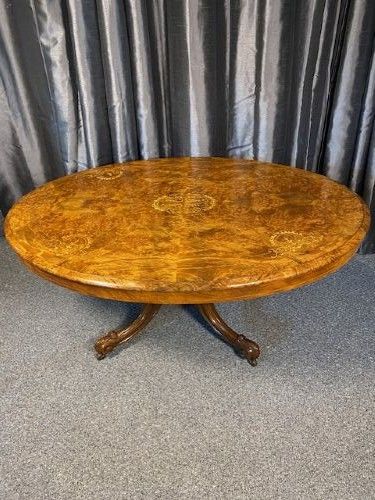
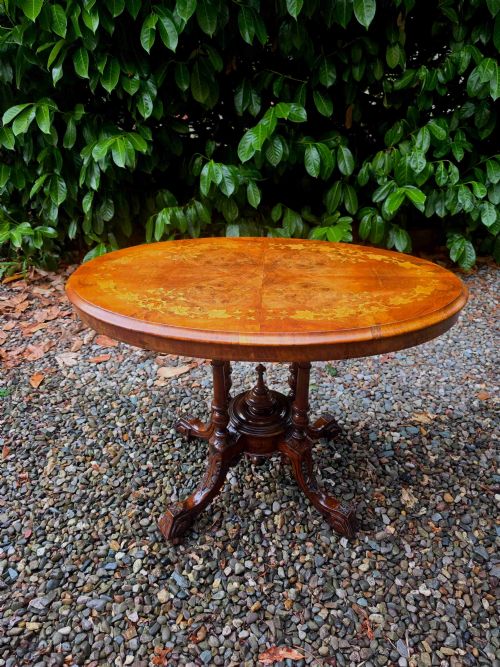
A marquetry inlaid tea table brings intricate floral and geometric wood patterns into a room, serving as both a functional surface and a decorative centrepiece.
Marquetry Inlaid Tea Table
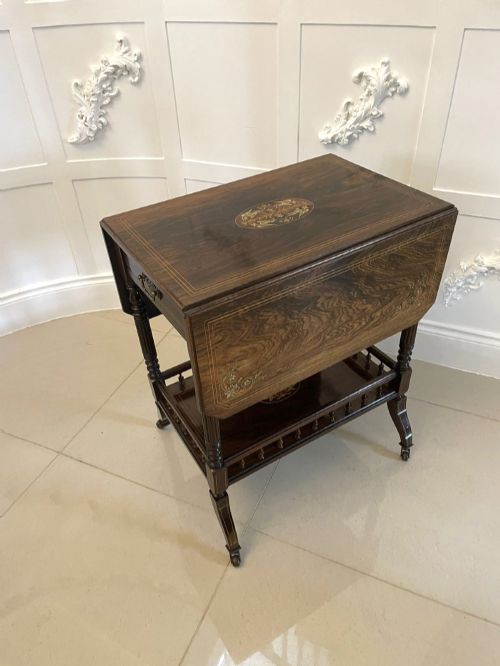
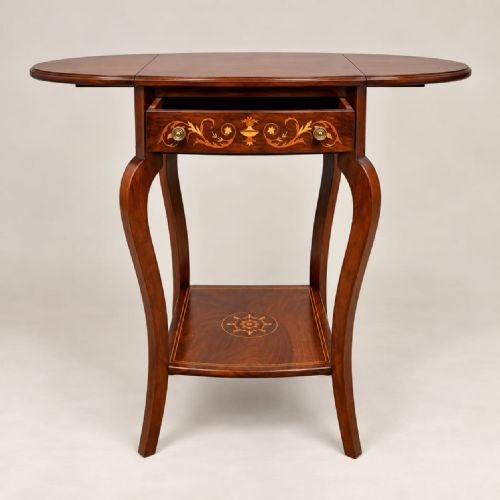
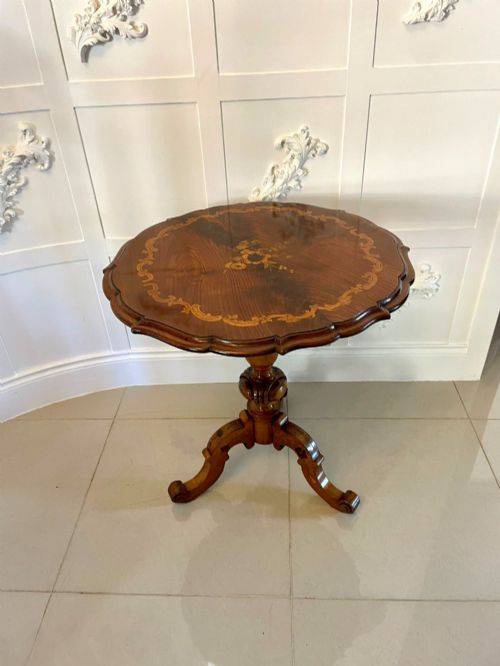
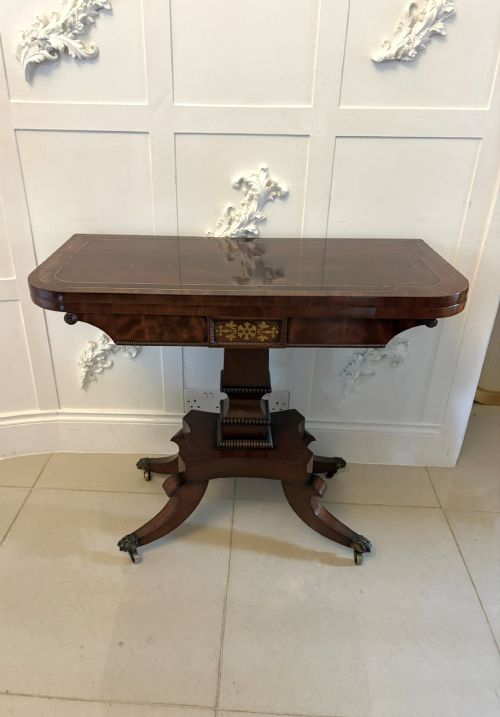
A marquetry inlaid tea table combines functional domestic utility with elaborate wood craftsmanship across several historical periods. When searching for a marquetry inlaid tea table, buyers encounter formats ranging from fold-over console and card tables to Pembroke and occasional tables originating primarily from the eighteenth, nineteenth and early twentieth centuries.
The selection on this page demonstrates diverse regional influences, spanning British styles such as George III and Regency alongside French Louis XV Revival, Dutch pieces, and Anglo-Indian Hoshiarpur work. Woods like rosewood, mahogany, walnut and satinwood provide the primary structures for these decorative surfaces.
How they were made
Cabinet makers utilised solid timbers such as mahogany and walnut for structural stability, applying fine veneers of rosewood, satinwood, kingwood and burr walnut over the core. Boxwood, brass and mother-of-pearl frequently complement the primary woods to accentuate the detailed pictorial motifs.
Marquetry and parquetry techniques involved painstakingly cutting thin slices of contrasting coloured wood and assembling them into intricate floral or geometric patterns before pressing them into the table top. This decorative veneer layer was then polished and finished to highlight the natural grain and colour variations of each timber species.
Materials appearing across these tables include brass, mahogany, walnut, rosewood, satinwood, boxwood, and mother-of-pearl.
What varies in quality
The standard of a marquetry inlaid tea table rests heavily upon the precision of the veneer work and the complexity of the botanical or geometric designs. Superior examples display seamless integration of contrasting woods without noticeable gaps or thick filler lines around the individual pieces.
Underlying construction methods and timber selection further distinguish standard production from exceptional craftsmanship. Heavier use of figured timbers like burr walnut and satinwood, alongside refined carving on the legs and aprons, marks the upper tier of these tables.
George Bullock
The Marquetry Inlaid Tea Table Glossary
- Marquetry
- A decorative technique where pieces of veneer are fitted together to form pictorial or geometric patterns on a wooden surface.
- Pembroke table
- A small occasional table featuring two hinged drop leaves on opposing sides.
- Satinwood
- A durable hardwood with a lustrous, yellow-gold sheen used extensively for fine cabinetmaking and inlay work.
- Ormolu
- Gilt bronze ornamentation applied to furniture mounts and decorative edges during the eighteenth and nineteenth centuries.
- Parquetry
- Geometric wood inlay work arranged in regular patterns such as cubes or chequers rather than pictorial designs.
Marquetry Inlaid Tea Table: Frequently Asked Questions
What is a marquetry inlaid tea table?
A marquetry inlaid tea table is a domestic surface decorated with intricate wood veneers arranged in pictorial or geometric designs. These tables were traditionally used for serving afternoon tea or as general display furniture in period drawing rooms.
Today, they function well as lamp tables, central decorative items or occasional surfaces in living spaces. Their detailed tops allow them to stand alone visually even when not in active use.
How do I identify a George III tea table?
George III pieces typically exhibit classical proportions, mahogany or satinwood primary timbers, and restrained inlay patterns consistent with eighteenth-century design standards. Structural details like tapered legs or fold-over tops help confirm the era.
Examining the interior framework and secondary woods provides further clues regarding the manufacturing date and regional origin of the piece.
Where should I place a tea table at home?
These tables suit placement in hallways, as lamp tables beside seating, or as central accent pieces in a drawing room. Their decorative tops deserve visibility, making open floor spaces or walls away from direct, harsh sunlight ideal.
Because many examples feature drop leaves or fold-over tops, consider whether you want the surface displayed closed as a console or opened fully.
How do I care for antique wood inlay?
Maintain antique wood inlay by keeping tables away from direct heat sources and sudden temperature fluctuations that can cause veneer to lift. Dust gently with a dry, soft cloth and avoid chemical polishes.
Occasional application of appropriate wax preserves the sheen of the timber without damaging the delicate contrasting woods embedded in the surface.