

Vintage Mahogany Accent Table
A vintage mahogany accent table brings dependable timber and compact proportion into a room, serving as a practical perch for lamps and books.
Vintage Mahogany Accent Table
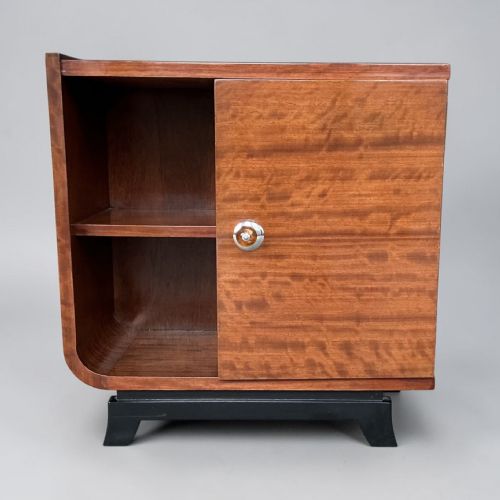
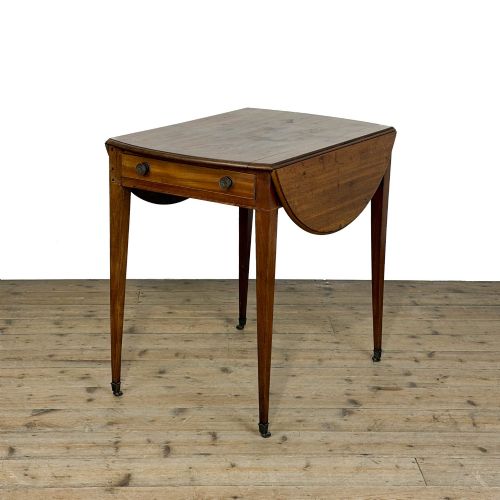
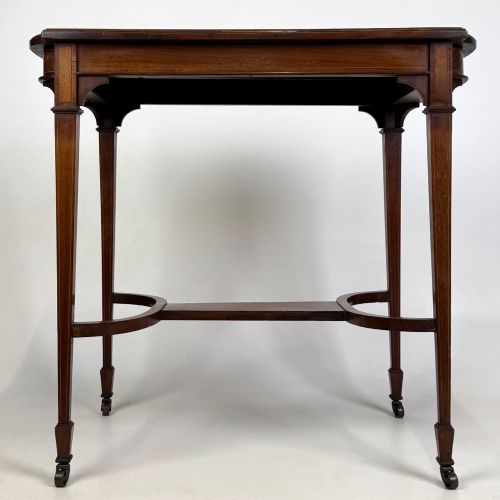
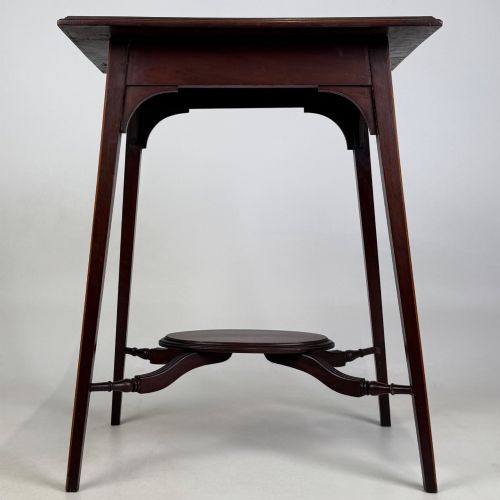
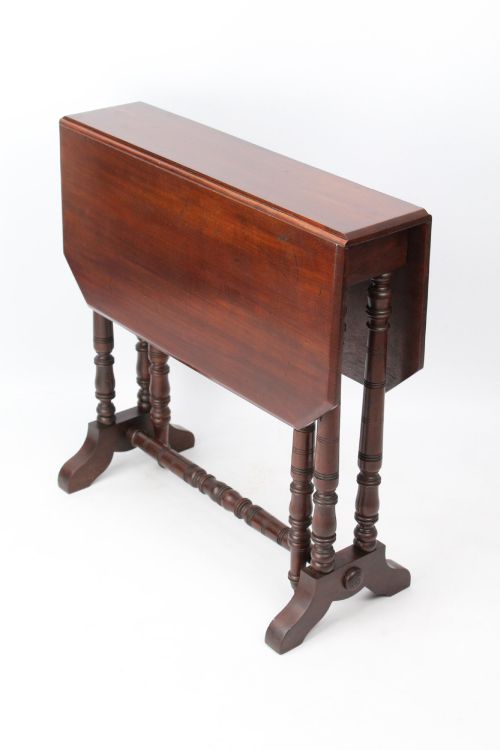
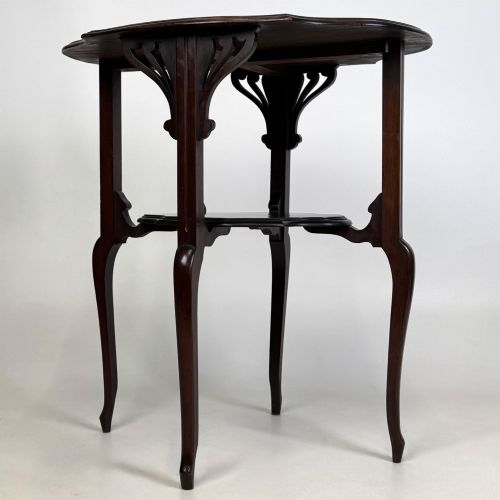
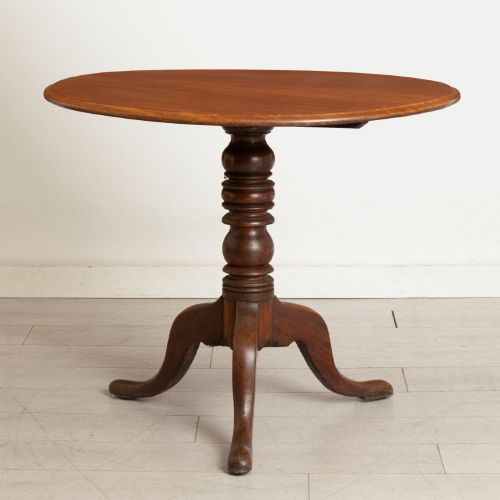
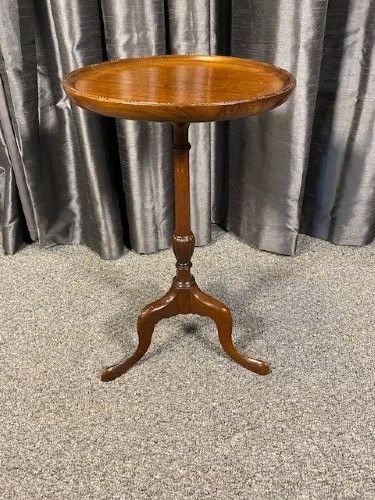
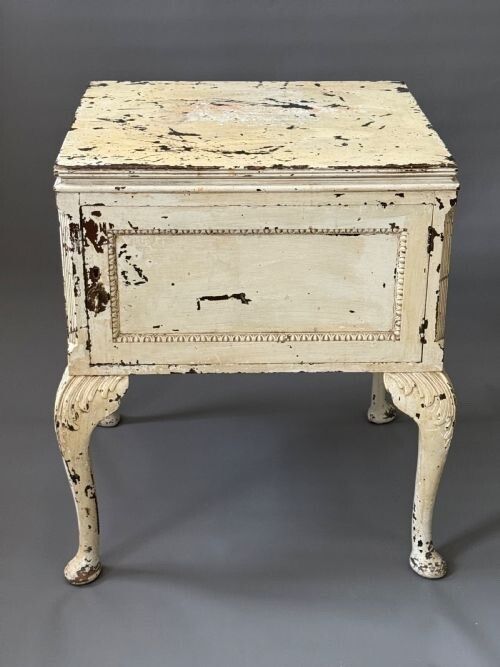
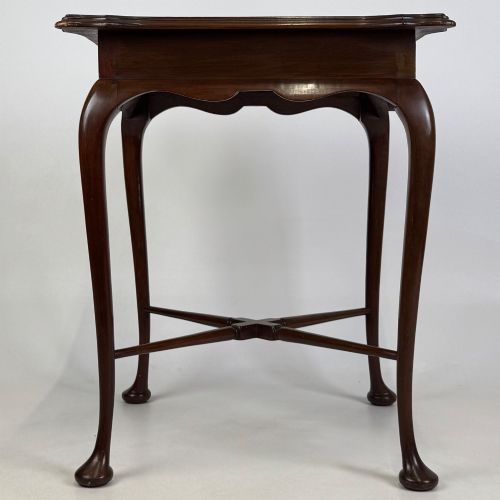
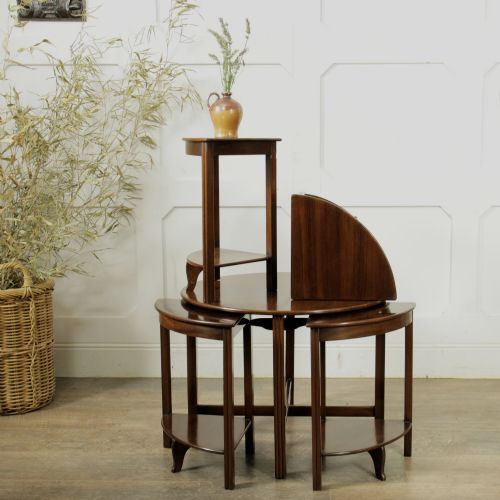
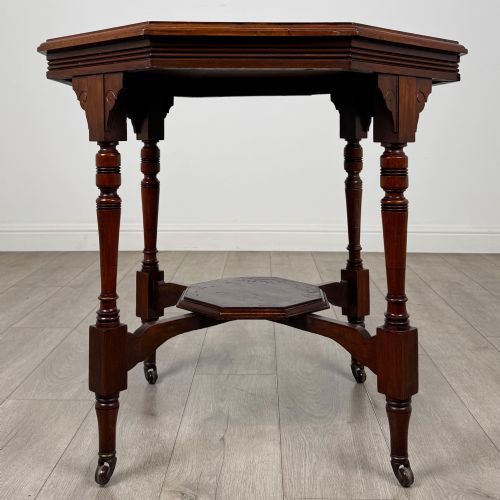
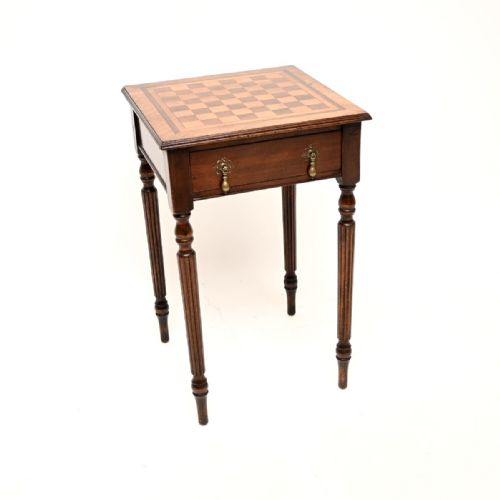
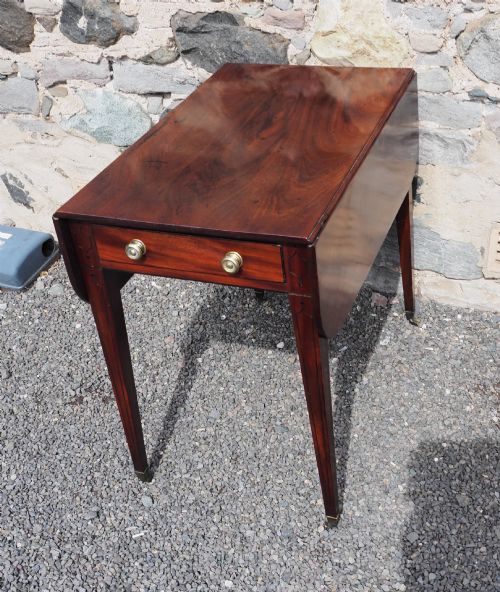
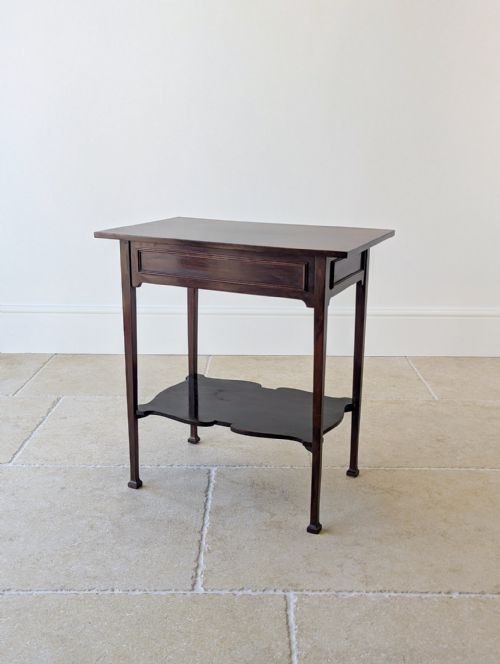
A vintage mahogany accent table encompasses smaller auxiliary furnishings designed for utility in reception rooms and chambers. When searching for a vintage mahogany accent table, buyers frequently encounter Edwardian designs alongside pieces originating from the nineteenth century and the Georgian period. These items span forms such as Pembroke tables, wine tables, lamp tables, and occasional tables.
The material palette recorded in the listings centres primarily upon mahogany, often paired with satinwood, brass, marble, walnut, and ebonised wood. Stylistic influences draw heavily upon Georgian, Chippendale, and Victorian French designs, alongside Edwardian interpretations of earlier precedents. Such versatility ensures these tables fit readily into modern and traditional interiors alike.
Craftsmanship and Proportion
Quality in these tables is revealed through the selection of timber figures, where finely grained mahogany and precise contrasting inlay denote superior workshop output. The crispness of carved details upon cabriole legs, tripod bases, and edges separates standard production items from finer cabinet work.
Structural integrity depends upon tight joinery in the frame, drawer linings, and drop-flap mechanisms on Pembroke tables. Finer pieces demonstrate careful attention to proportion, balanced brass hardware, and well-executed polish that respects the timber's natural depth.
Several tables include clever fitted interiors designed for chess pieces, stationery, or sewing gear.
Druce and Co London·Shapland and Petter
The Vintage Mahogany Accent Table Glossary
- Pembroke table
- A small drop-leaf table with hinged flaps on either side, designed in the eighteenth century and widely produced through the Victorian and Edwardian eras.
- Tripod table
- A small occasional table supported by a central pillar resting on three spreading legs, often fitted with a tilt-top mechanism.
- Satinwood
- A pale, hard timber used extensively for contrasting stringing and marquetry inlay on mahogany furniture during the Georgian and Edwardian periods.
- Cuban mahogany
- A dense, heavy variety of the timber prized for its dark colour and rich figure, frequently found on eighteenth-century and early nineteenth-century pieces.
- Ormolu
- Gilded bronze applied as mounts, feet, and decorative enrichment on nineteenth-century tables influenced by French design.
Vintage Mahogany Accent Table: Frequently Asked Questions
Where should I place an accent table?
These compact pieces suit positions beside sofas, between armchairs, or in narrow hallways where surface space is required without cluttering the room.
Their modest footprints also allow them to function effectively as bedside stands or lamp supports in smaller spaces.
How do I care for mahogany surfaces?
Maintain the finish by dusting regularly with a soft, dry cloth and avoiding placement in direct sunlight or near heat sources.
Applying traditional beeswax periodically helps nourish the timber and preserve the depth of the grain.
What is a Pembroke table used for?
Originally designed for breakfasting or writing in private chambers, the drop leaves allowed the table to expand or contract according to space.
In modern rooms, the folding flaps make them adaptable for positioning against walls or beside seating.
How do I distinguish Edwardian from Georgian pieces?
Edwardian examples, dating around 1900 to 1910, often feature lighter construction, delicate satinwood inlay, and machine-assisted production techniques.
Georgian pieces display heavier timber stock, hand-cut joinery, and simpler structural lines characteristic of eighteenth-century cabinet making.