
Marquetry Glazed Bookcase
A marquetry glazed bookcase brings together detailed wood inlay and glass fronting, offering a practical vessel for displaying and protecting books.

Marquetry Glazed Bookcase
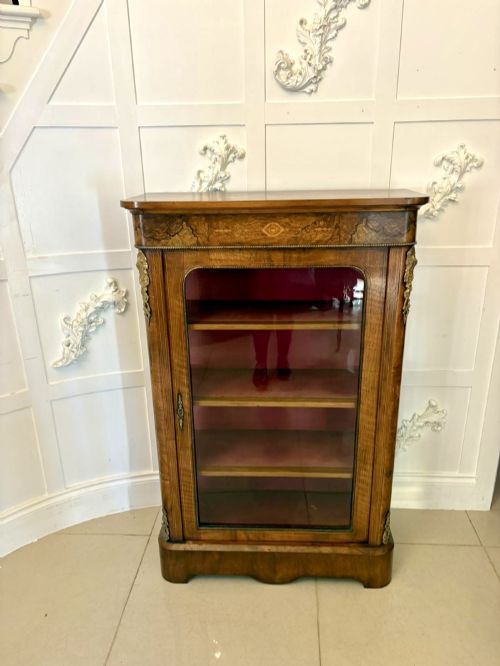
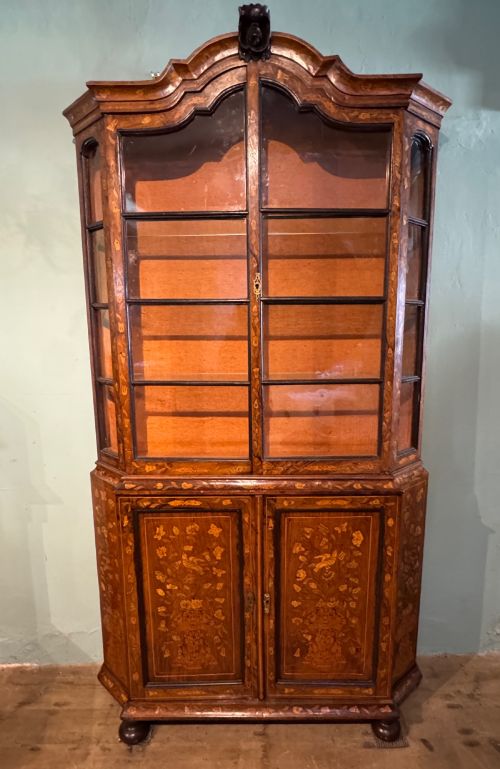
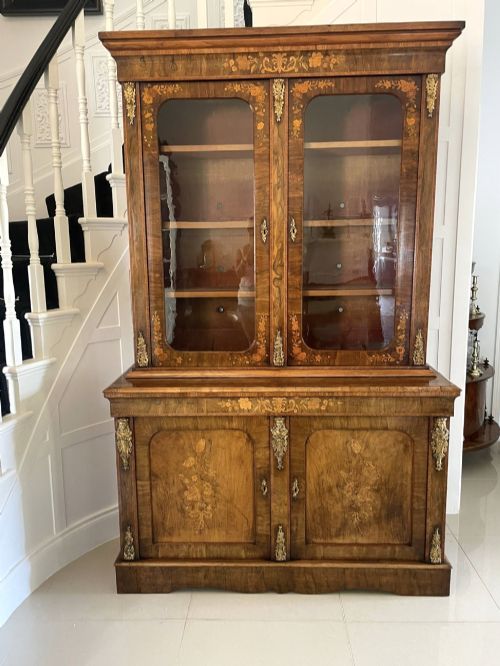
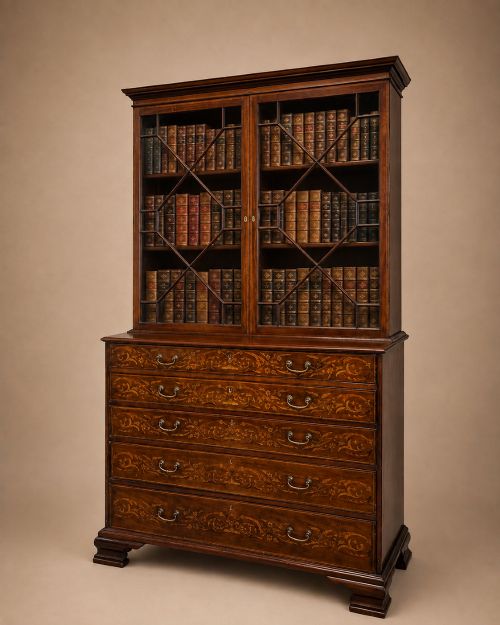
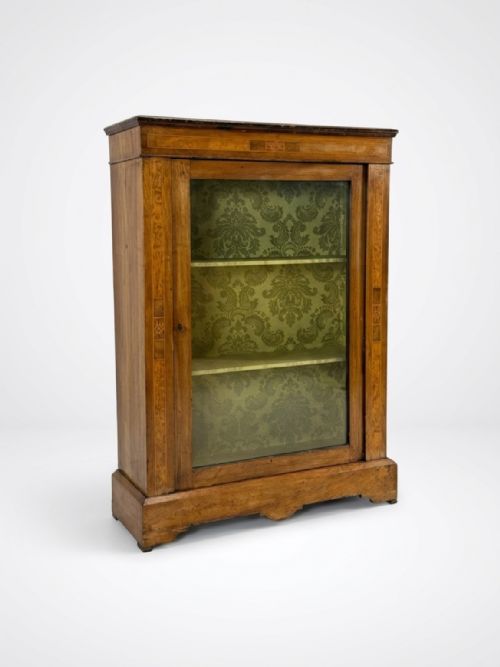
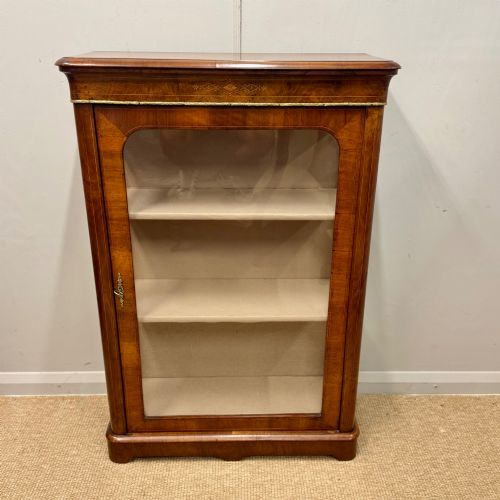
A marquetry glazed bookcase combines a timber frame with glass doors to hold volumes while showcasing fine floral or geometric surface patterns. These pieces span periods from the eighteenth century through to the Edwardian era, with Victorian examples appearing frequently.
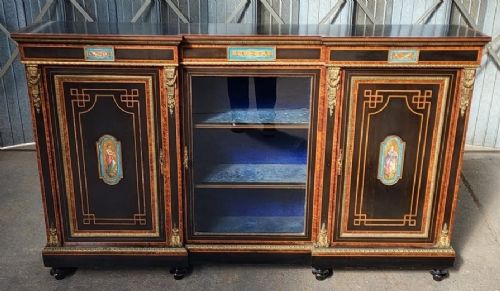
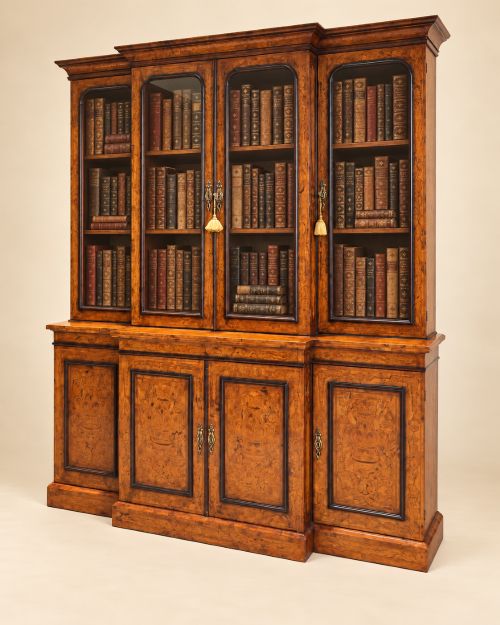
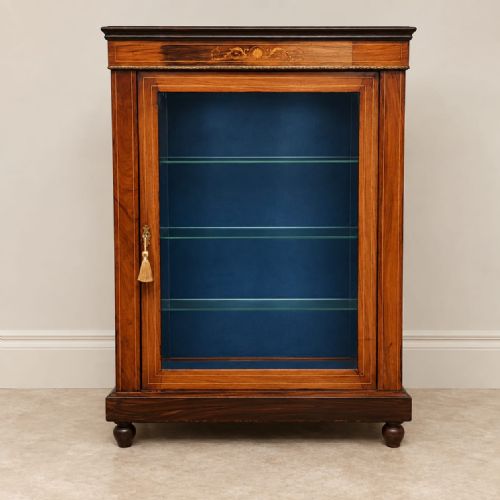
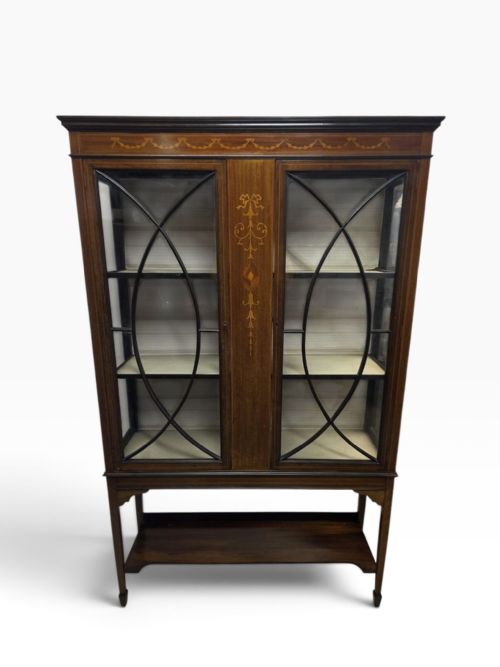
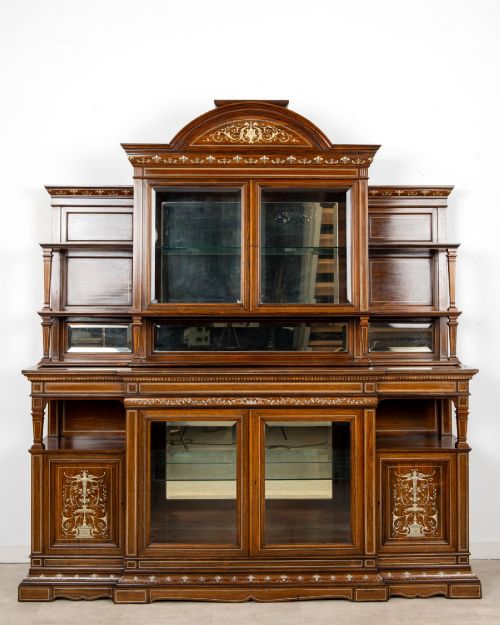
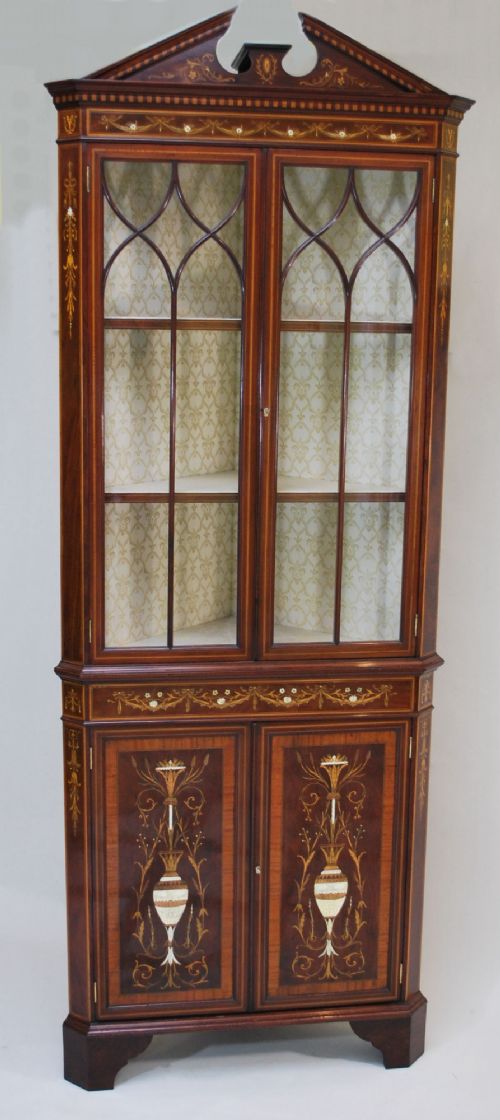
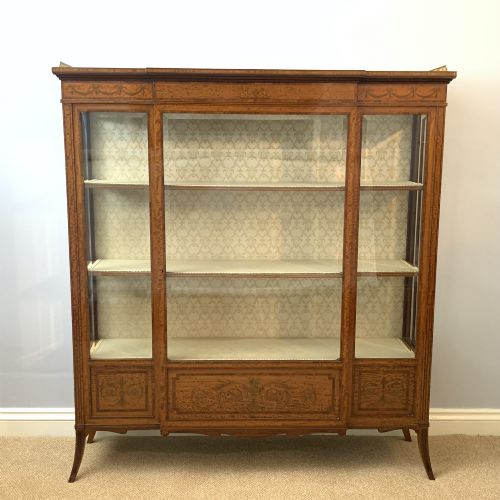
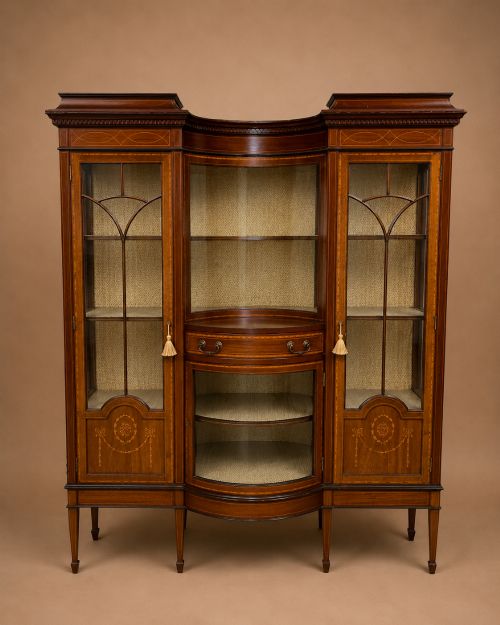
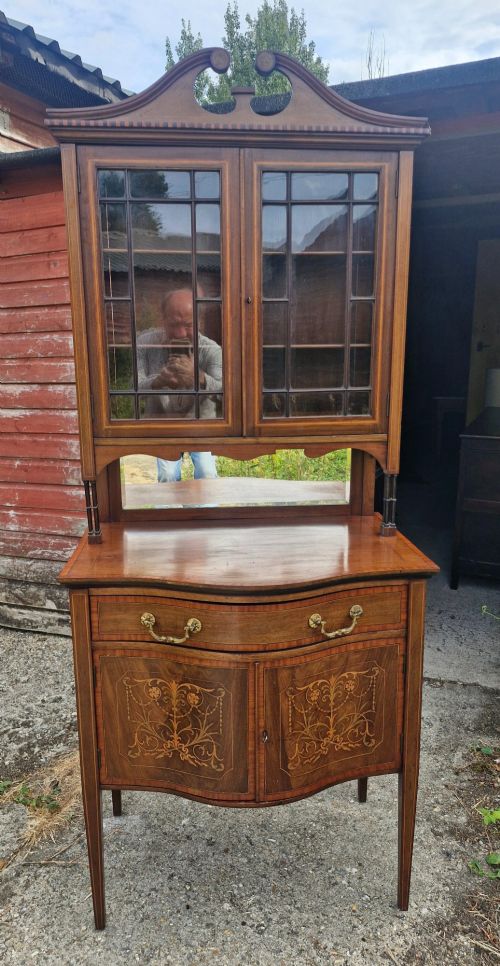
Form variations range from single-door pier cabinets and corner units to large breakfront bookcases and two-part display cabinets. Alongside standard bookcases, listings encompass sideboards, credenzas, and vitrines featuring glazed sections.
How They Were Made
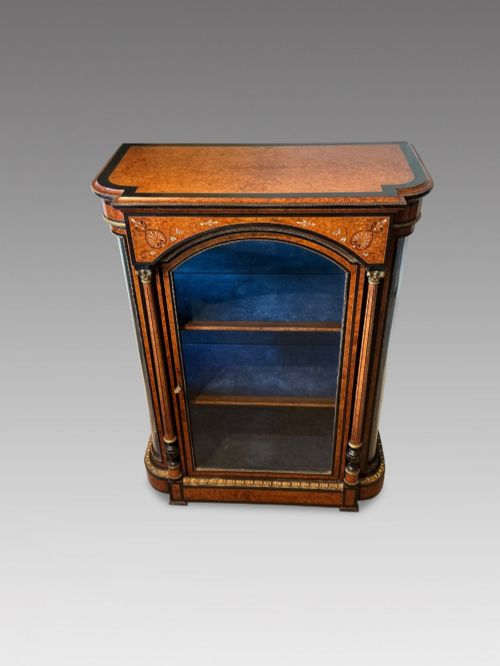
Cabinet makers utilised foundational hardwoods such as mahogany, walnut, satinwood, and rosewood, often applying burr walnut or birds-eye maple veneers to primary surfaces. Decorative marquetry involved cutting contrasting woods, brass, and other materials to form intricate inlays.
Mounts in ormolu and handles in brass frequently accented the timber frames. Glass panels were fitted into wooden doors to enclose the shelving securely.
Marquetry Glazed Bookcase Retail Price Guide 2026
Typical asking prices for marquetry glazed bookcase among the pieces listed under this phrase on Sellingantiques today, from the lower quarter to the upper quarter. They describe what is for sale here now, not the wider market.
Listings feature woods including mahogany, walnut, satinwood, burr walnut, rosewood, and birds-eye maple.
What Varies in Quality
The sophistication of the marquetry work separates standard examples from exceptional ones, with multi-wood floral and pictorial inlays requiring high skill. The choice of timber veneer, such as burr walnut or figured satinwood, also influences the standing of the piece.
Metal mounts in ormolu and fine brass detailing indicate superior craftsmanship. Structural integration, including the crispness of the cabinet moulding and the clarity of the glass, marks the upper tier of production.
Collinson and Lock·Edwards and Roberts·Lamb of Manchester·August Ungethüm·Maple and Co.
The Marquetry Glazed Bookcase Glossary
- Marquetry
- Decorative veneer work forming pictures or patterns by using thin pieces of wood and other materials. It covers the flat surfaces of cabinets and bookcases.
- Ormolu
- Gilt bronze mounts applied to furniture for decoration. This technique adds metallic contrast to the timber frame.
- Pier cabinet
- A low cabinet designed to stand against a wall between windows. These narrow units often feature glass doors.
- Vitrine
- A glass-fronted cabinet designed for displaying objects. These pieces highlight contents from multiple angles.
- Breakfront
- A piece of furniture where the central section projects forward from the sides. This configuration adds architectural depth to large bookcases.
Marquetry Glazed Bookcase: Frequently Asked Questions
How were these bookcases used historically?
Owners stored valuable volumes and displayed decorative objects behind the glass doors to protect them from dust and soot. They served as both functional storage and formal parlour furniture.
In grand rooms, these cabinets displayed collections of leather-bound books alongside ceramics and small curiosities.
Where should I place a glazed bookcase?
Position the piece away from direct sunlight and heat sources to protect delicate wood veneers and marquetry inlays. Stable indoor environments prevent the timber from warping.
Allow sufficient clearance for doors to open fully without striking adjacent walls or furniture.
How do I distinguish Victorian from Edwardian pieces?
Victorian examples often employ darker timbers like burr walnut and rosewood with heavier proportions and ornate ormolu mounts. Marquetry from this period frequently uses dense floral motifs.
Edwardian pieces lean towards lighter woods such as satinwood and mahogany with Sheraton Revival influences, presenting brighter tones and cleaner lines.
Can I adjust the shelves inside?
Many examples feature adjustable shelving to accommodate books of varying heights. Supporting brackets allow shelves to be repositioned within the cabinet interior.
Earlier formats sometimes utilise fixed wooden ledges, limiting shelf height adjustments.