






Maritime Oil Artwork
Maritime oil artwork brings the movement of water and the detail of historic shipping directly onto the wall through brushed pigment.
Maritime Oil Artwork
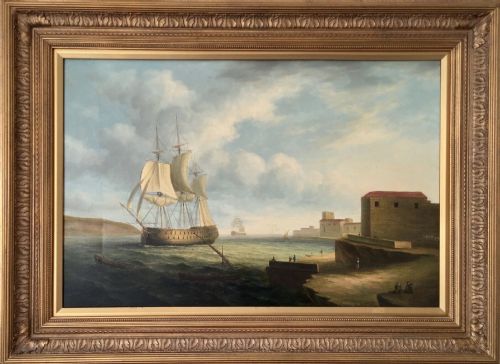
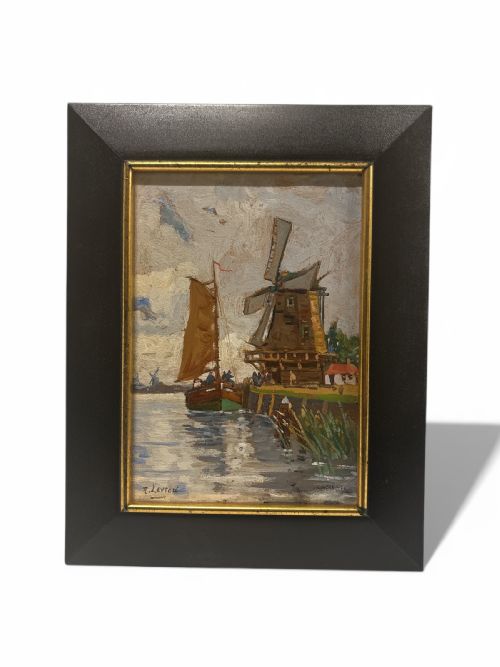
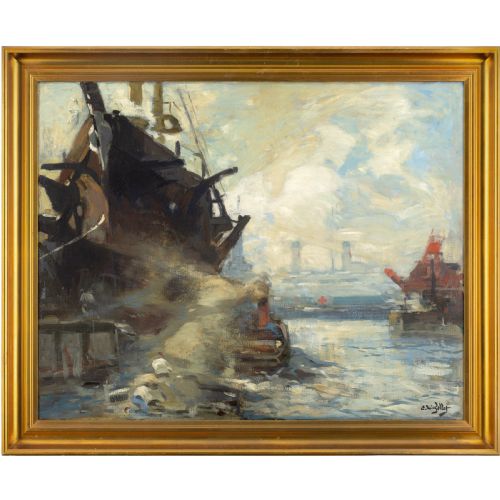
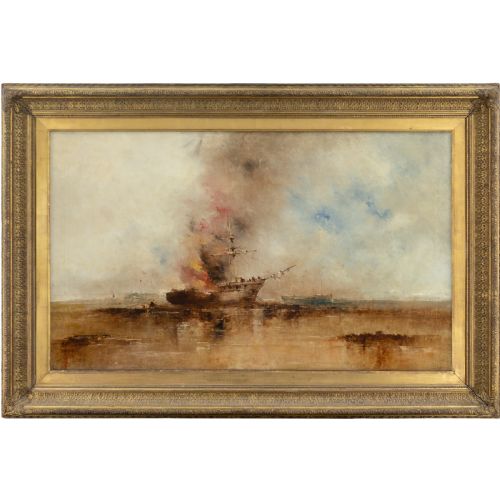
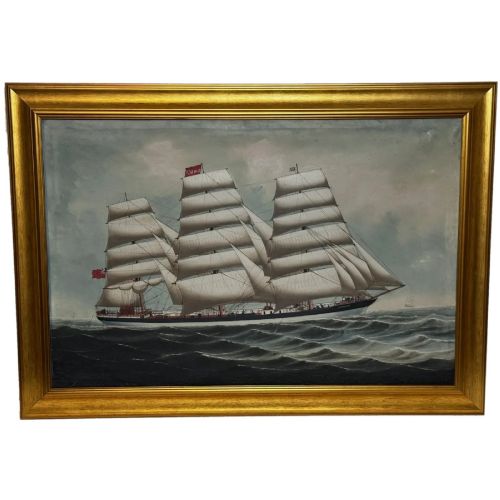
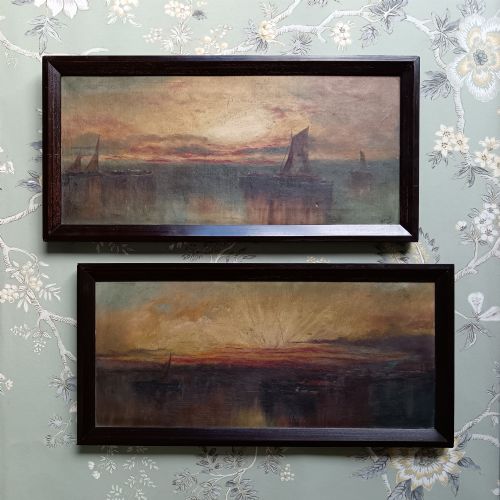
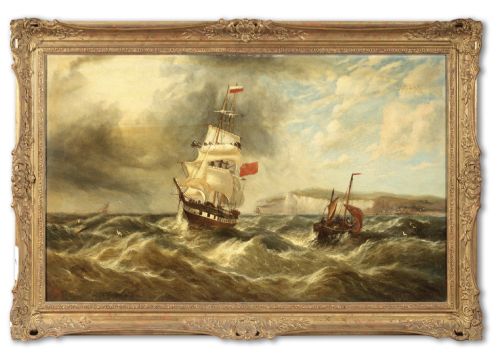
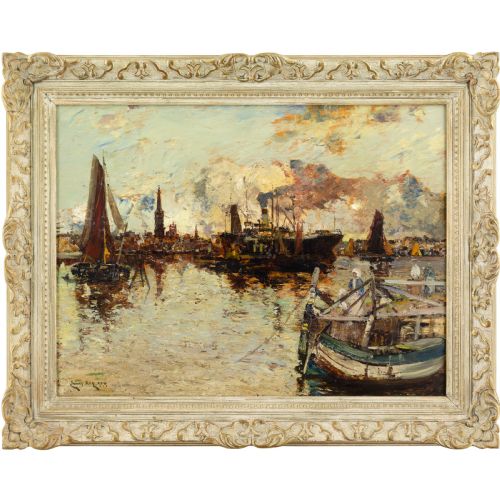
When searching for maritime oil artwork, collectors encounter painted scenes of harbours, coastal seascapes, and historical ships upon canvas, board, and panel. These pieces capture naval battles, merchant vessels, and quiet river craft across centuries of maritime trade and coastal life.
The most common examples on this page date from the nineteenth and twentieth centuries, spanning Victorian marine studies through to mid-century British landscapes. Formats range from traditional rectangular canvases to oval sea views and panoramic river scenes.
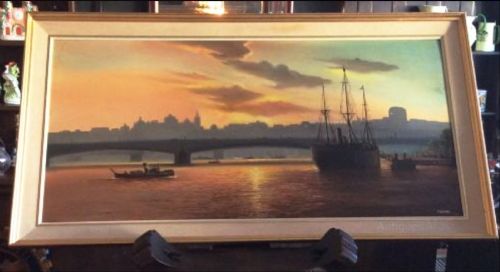
Subjects stretch from the River Thames and Venetian canals to distant Mediterranean ports and turbulent North Sea gales. Works appear either unsigned from various regional schools or attributed to named painters of the period.
Materials and construction methods
Artists built these maritime scenes using oil paint applied to woven canvas stretched over wooden frames, or directly onto wooden panels and heavy boards. Gilt wood and gesso frames frequently enclose the compositions, adding structural support and decorative framing.
Brushwork varies from smooth, blended glazes representing calm water and distant skies to thick impasto strokes that build up the churning surface of stormy waves. Support grounds typically consist of primed canvas or prepared timber panels sealed against moisture.
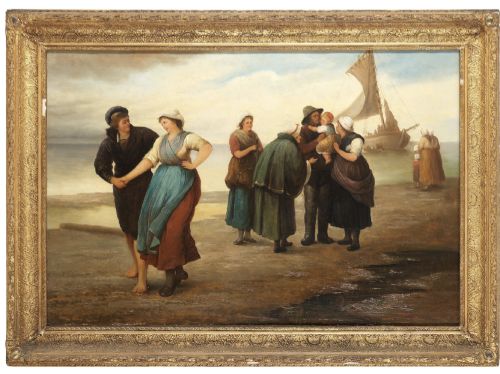
The inventory records coastal landscapes, harbour views, and historical ship portraits framed in gilt wood.
Distinctions in quality and execution
Quality in these paintings rests on the artist's command of atmospheric perspective, rigging accuracy, and the fluid movement of water. Superior works render the weight of three-masted schooners and the play of light on coastal spray with distinct conviction.
The handling of secondary details, such as distant harbour architecture or figures on deck, separates skilled observations from formulaic studio output. Original framing and well-preserved paint surfaces without extensive retouching also elevate a piece.
James Hardy·Kenneth Cozens·Eugène-Louis Gillot·William McAlpine·Reginald Arthur Borstel·James Kay·William Broome·Bernard Gribble·Bonaventura Peeters·Peter Brannan·Francis Moltino·Paul Bret·Bernard Benedict Hemy·Thomas Creswick·Willem Bos·Donald McIntyre·John Wilson Carmichael
The Maritime Oil Artwork Glossary
- Impasto
- Paint applied thickly to a canvas or board, standing out in relief from the plane. This technique adds tactile texture to crashing waves and billowing sail canvas.
- Giltwood
- Wood carved and covered with a thin layer of gold leaf or metal gilt. It provides traditional ornate framing for historical canvases.
- Panel
- A rigid wooden substrate used instead of woven fabric to support oil paint. Panels offer a stable surface that prevents the cracking sometimes seen on older stretched canvas.
- Seascape
- A painting depicting the sea, coastal views, or marine vessels in motion. These works focus primarily on maritime conditions rather than land-based topography.
- Provenance
- The documented history of ownership surrounding a work of art. Clear records establish authenticity and trace the journey of the painting.
Maritime Oil Artwork: Frequently Asked Questions
How do I date an old maritime painting?
Dating relies on examining the stretcher frames, canvas type, and the clothing or ship riggings depicted in the scene. Costume details and vessel designs often provide a narrow window of construction.
Signatures, framing styles, and exhibition labels on the reverse offer further chronological clues. Comparative study with known works by regional schools helps confirm the era.
What is the difference between canvas and panel paintings?
Canvas consists of woven fabric stretched over a wooden frame, providing a flexible surface that reacts to environmental changes. Panels use solid wood, offering a rigid support that resists punctures.
Panels were frequently favoured for smaller marine studies and outdoor sketching due to their durability. Both methods require stable indoor humidity to prevent paint separation.
How should I clean a vintage oil painting?
Surface dust should be removed gently with a soft, dry artist brush without applying pressure to the paint layer. Avoid using water, household cleaners, or damp cloths on exposed pigment.
Professional conservators should handle discoloured varnish removal or deeper grime accumulation. Chemical cleaning without expertise can strip original glazes from the canvas.
Where were most of these coastal scenes painted?
Artists painted these scenes along active commercial waterways, naval ports, and rugged coastlines across Britain and Europe. Popular locations include the River Thames, Venetian canals, and northern European harbours.
Many painters worked directly from life on location, while others composed studio pieces from preliminary sketches. Coastal communities and busy docklands provided a constant source of subject matter.