


Marble Column Pedestal
A marble column pedestal elevates sculpture, plants and lamps with classical poise.
Marble Column Pedestal
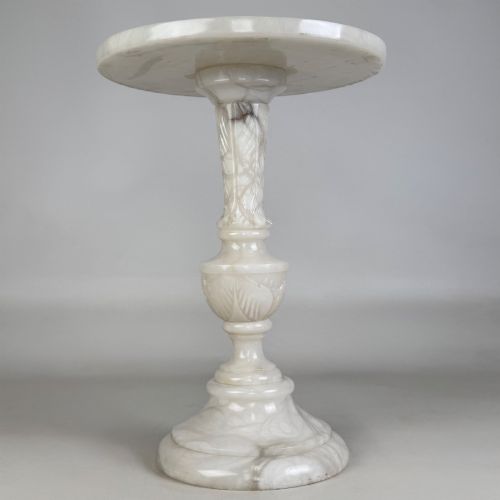
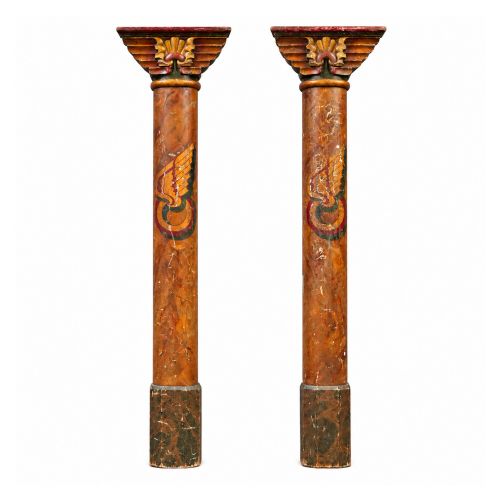
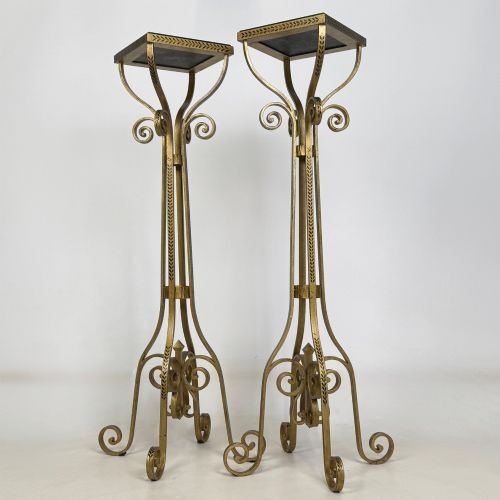
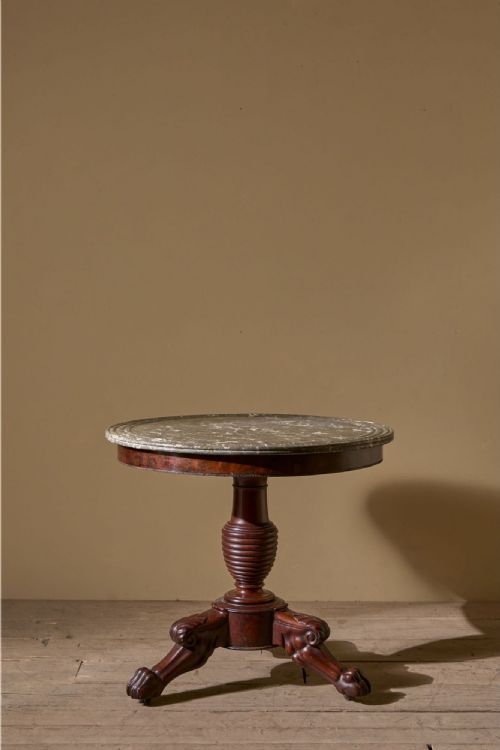
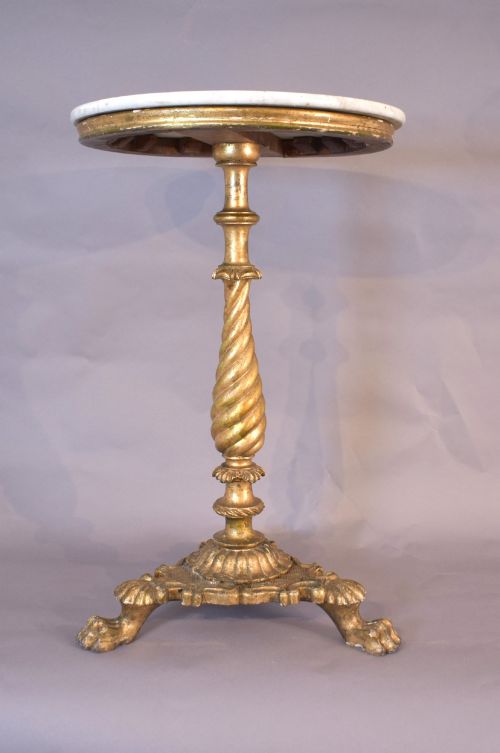
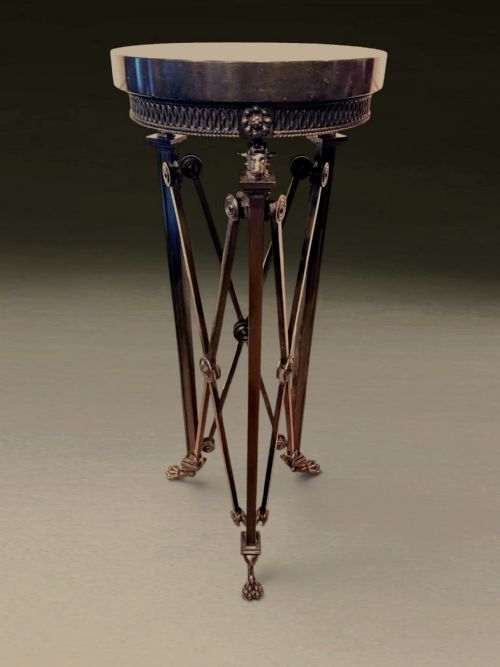
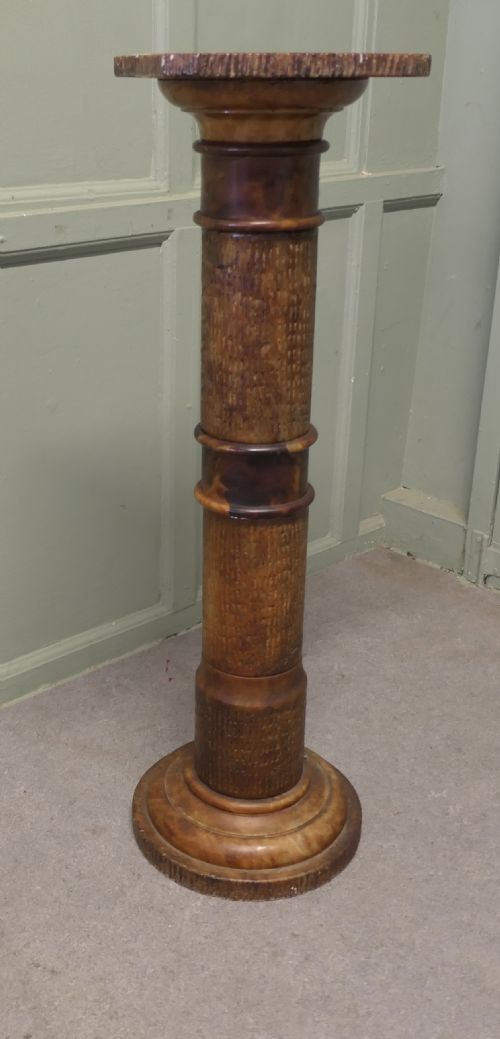
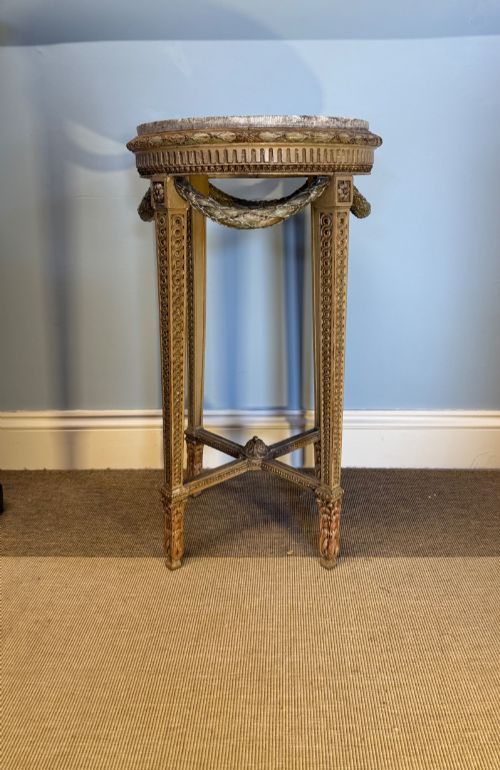
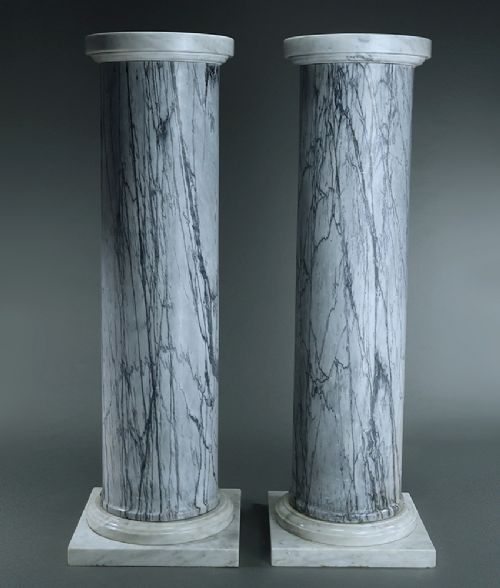
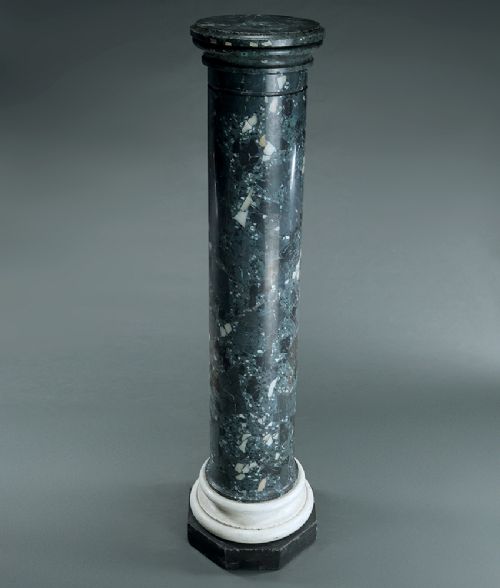
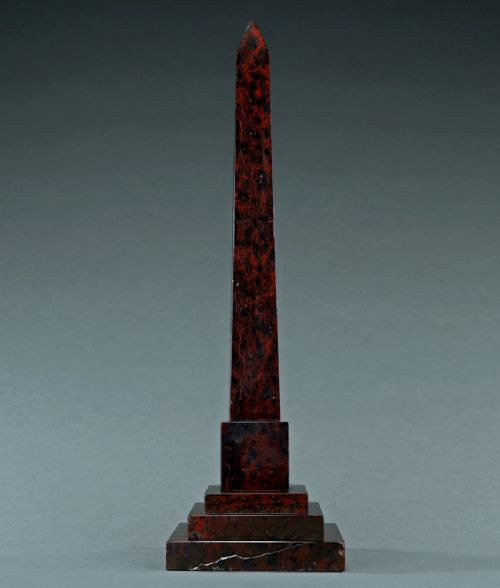
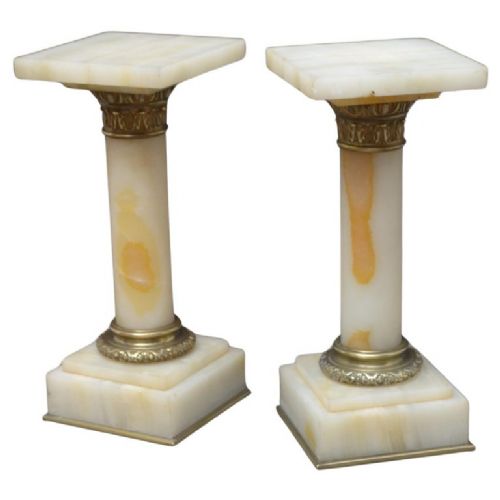
A marble column pedestal provides an architectural display platform rooted in classical design traditions. The pieces appearing here span the nineteenth century through the Art Deco era, appearing as singular monoliths, paired colonnades, and plant stands with stone tops.
Makers shaped these supports to serve varied domestic roles, ranging from grand statutory mounts to compact guéridon tables and jardinière stands. French and English examples dominate the selection, often taking inspiration from Neoclassical and Louis XVI revival styles.
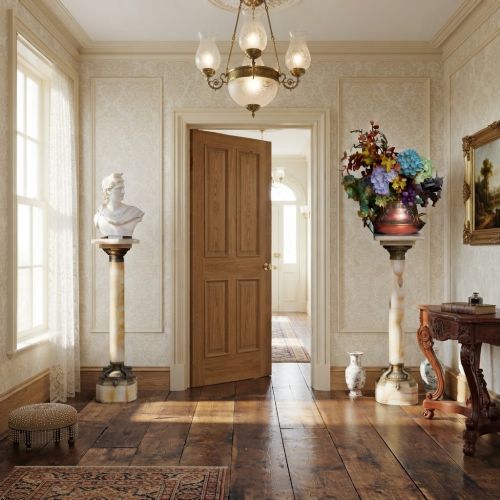
Buyers choose these supports to introduce height, texture, and structural dignity into interiors. Whether supporting a bronze bust or a floral arrangement, the form remains functional yet intensely decorative.
How They Were Made
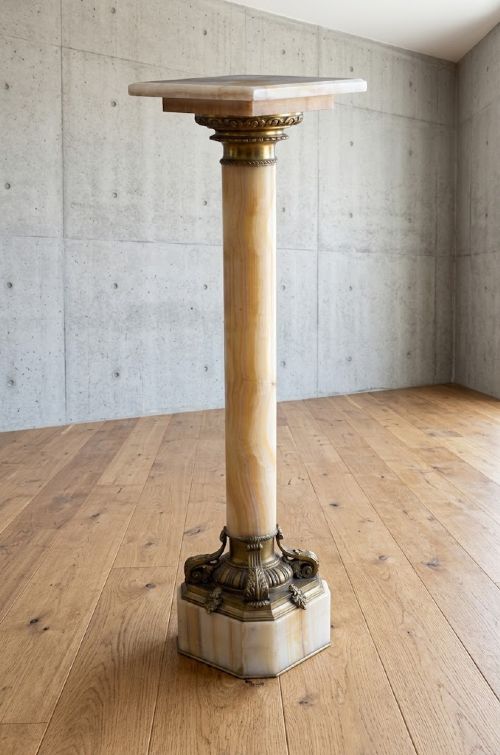
Craftsmen utilised solid stone varieties including Carrara, Bardiglio, onyx, and Verde Antico alongside clever faux finishes like painted plaster and scagliola. These mineral surfaces were frequently paired with cast brass, ormolu collars, and gilt bronze mounts to accent capitals and bases.
Carved wood elements in mahogany, walnut, and giltwood provide structural timber cores or companion tripod supports. Stonemasons turned solid marble columns on lathes or cast composite plasters to achieve smooth, fluted architectural profiles.
Some nineteenth-century makers cleverly faked expensive stone so convincingly that even Napoleon would have been fooled by the plaster.
What Varies In Quality
The distinction between ordinary and exceptional pedestals lies in the geological depth of the stone and the precision of the metalwork. Richly variegated marble with complex veining and heavy, fire-gilt ormolu mounts indicate superior workshop production.
Proportion and architectural correctness dictate visual success, where classical orders are rendered with accurate capitals and stable, weighted plinths. Hand-chiseled bronze detailing and seamless stone sections separate masterworks from utilitarian stands.
The Marble Column Pedestal Glossary
- Ormolu
- Gilded bronze mounts applied to furniture and stone columns. This decorative technique added rich metallic contrast to marble shafts during the nineteenth century.
- Guéridon
- A small decorative round table supported by a central column or pillar. These pieces often feature marble tops and gilt bronze accents.
- Neoclassical
- A revival style drawing inspiration from classical Greek and Roman architecture. It manifests in clean fluted columns and strict geometric symmetry.
- Jardiniere
- A decorative stand designed to hold indoor plants or floral arrangements. They frequently incorporate waterproof metal liners and marble display surfaces.
Marble Column Pedestal: Frequently Asked Questions
What can I put on a column pedestal?
These supports accommodate bronze busts, heavy ceramic planters, table lamps, and art glass objects safely.
The sturdy stone tops and weighted bases provide reliable stability for elevated decorative displays.
How do I identify a scagliola column?
Scagliola feels warmer to the touch than natural stone and lacks cold crystalline mineral depth.
Close inspection reveals a smooth plaster matrix hand-painted or embedded with coloured threads to mimic genuine marble veining.
Are these pedestals hollow or solid?
Many large architectural columns are hollow or built in sectional masonry to reduce weight for transport.
Smaller examples and decorative bases often utilise wooden internal cores wrapped in faux marble paint or thin stone veneers.
How do I match a pedestal to my room?
Consider the marble veining colour and metal collar finishes to complement existing antique furniture and hardware.
Neoclassical and Victorian examples suit traditional spaces, while simpler lined forms bridge into Art Deco interiors.