



Black Marble Plinth
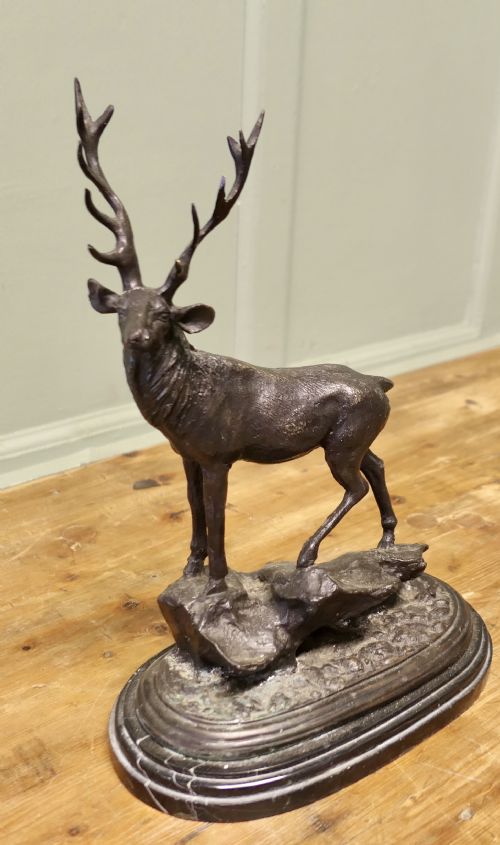
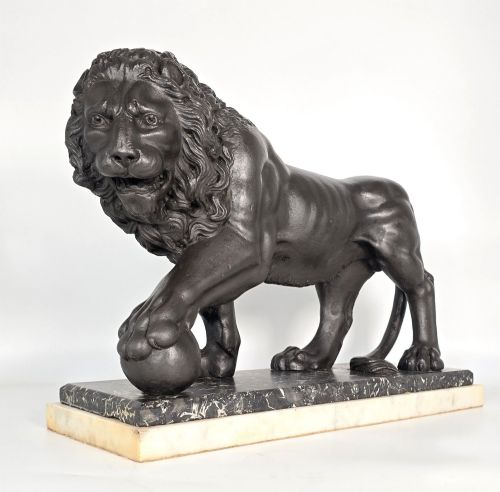
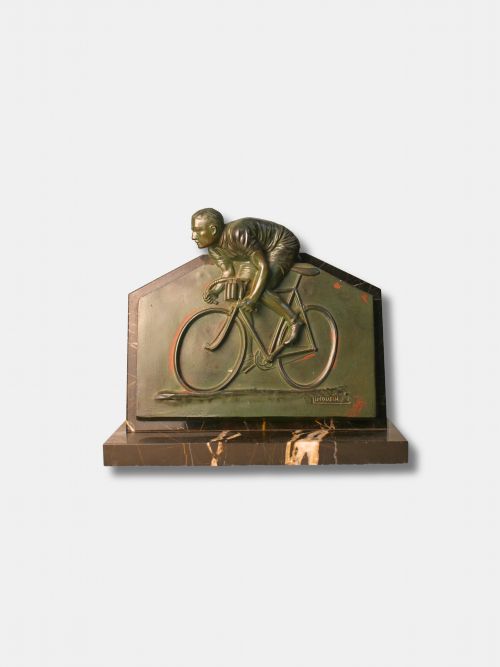
A black marble plinth provides a dark, heavy foundation that elevates figures, urns and bronzes.
Black Marble Plinth
A black marble plinth serves as a solid base or mounting block designed to display sculptures, figures, urns and decorative objects. When you search for a black marble plinth, you encounter heavy stone bases that frequently support patinated bronzes, spelter figures, marble busts and decorative urns. These mounting blocks lift small works of art into prominence and anchor them visually.
Originating largely from European workshops and Grand Tour traditions, these heavy stone mountings demonstrate how sculptors and cabinet makers utilised dark mineral to frame lighter metal and stone figures. The combination creates a stark contrast that draws the eye directly to the mounted subject.
How they were made
Stonemasons cut and polished natural stone, black marble, onyx and Ashford black marble to form precise geometrical shapes and smooth surfaces. These dense mineral blocks required expert sawing, grinding and polishing to achieve sharp corners and flat planes without chipping the brittle edges.
Makers integrated cast metals, patinated bronze, spelter, brass and plaster directly onto the stone foundations using hidden pins, screws or recessed channels. The resulting assemblies join cold, heavy stone with detailed metalwork or carved plaster subjects.
Shakespeare gazes sternly from a heavy stone block while an albatross takes flight above a crested wave nearby.
What varies in quality
The quality of a black marble plinth lies in the selection of the stone itself, distinguishing uniform dense dark marble from inferior stone with erratic veining or visible repairs. Superior examples feature crisp, sharp arrises and a deep, mirror-like polish that has survived decades of handling.
Proportion and integration also separate standard mounts from exceptional ones, particularly where the stone base complements the specific weight and subject of the mounted bronze, bust or urn. A well-proportioned plinth feels integral to the piece rather than like an afterthought addition.
Selim Bright
The Black Marble Plinth Glossary
- Black marble
- A dense, fine-grained limestone or metamorphic rock taking a high dark polish. It provides a heavy, sombre foundation for nineteenth-century bronzes and classical figures.
- Ashford black marble
- A dark limestone inlaid with microscopic fossil fragments or coloured mineral specimens, originating from Derbyshire. It produces smooth, glossy surfaces with subtle natural patterning.
- Spelter
- A zinc alloy cast into figures and statues, frequently painted or patinated to resemble bronze. It provides a lighter and less expensive alternative to true bronze sculpture.
- Grand Tour
- A period of European travel undertaken by wealthy young men to collect classical antiquities and bronzes. These souvenirs were frequently mounted on marble or stone bases upon acquisition.
- Animalier
- A nineteenth-century artistic style focusing on the realistic portrayal of animals. Figures in this style are commonly mounted upon heavy stone plinths to represent natural terrain or architectural steps.
Black Marble Plinth: Frequently Asked Questions
What is a black marble plinth used for?
A black marble plinth acts as a stable, weighted base for displaying nineteenth-century bronzes, portrait busts, decorative urns and classical figures. The heavy stone provides a dark visual anchor that lifts the subject and protects surrounding surfaces.
These mounting blocks were produced across the Victorian, Regency and Art Deco periods to complement both metal and plaster sculptures. They remain functional display pieces for tabletop or cabinet placement.
How do I identify Ashford black marble?
Ashford black marble is a dense Derbyshire limestone that takes a deep, uniform dark polish. Closer inspection often reveals minute fossil fragments or subtle inlaid mineral details.
Unlike plain black marble, this regional material exhibits unique natural variations beneath its glossy surface. It is frequently associated with nineteenth-century decorative items and urns.
Are these plinths attached to the sculptures?
Many sculptures and figures are permanently mounted to their original stone bases using hidden pins or threaded rods. The weight of the stone provides necessary balance for cantilevered wings or extended animal figures.
Some period pieces utilise matching marble or onyx bases that were selected specifically to frame the patinated bronze or spelter subject. Separation usually indicates later re-mounting.
How do I clean a marble plinth?
Maintenance requires only a soft, dry microfibre cloth to remove dust from the polished surfaces and corners. Avoid chemical cleaners, excessive moisture or abrasive polishes that can dull the historical finish of the stone.
Gentle care preserves the original surface sheen and protects any patinated edges or inlaid mineral details. Regular dusting prevents particulate buildup in the recessed areas.