
Mantel Carriage Clock
These mantel carriage clock examples bring precision engineering and polished metal cases into domestic rooms.
Mantel Carriage Clock
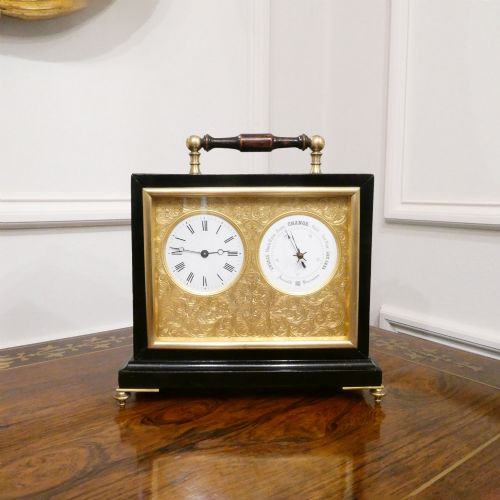
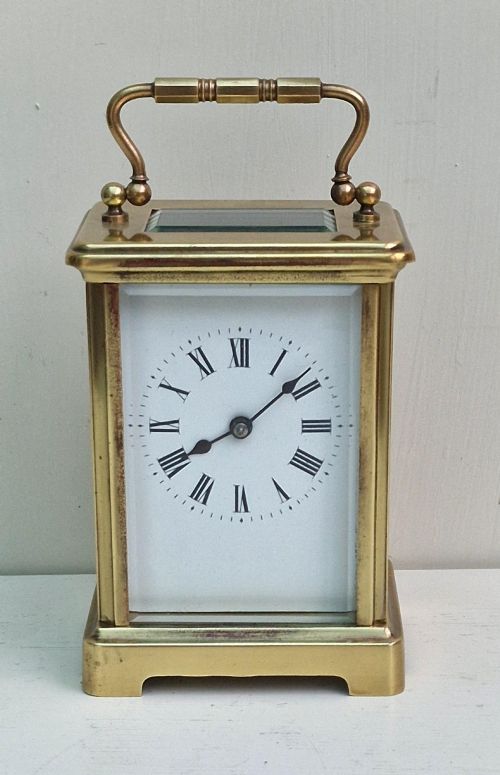
When you search for a mantel carriage clock, you are looking at portable timepieces originally built for travel by officers and nobility, which evolved into decorative objects for domestic interiors. The pieces on this page span the nineteenth century into the Edwardian period, capturing both French workshops and British makers.
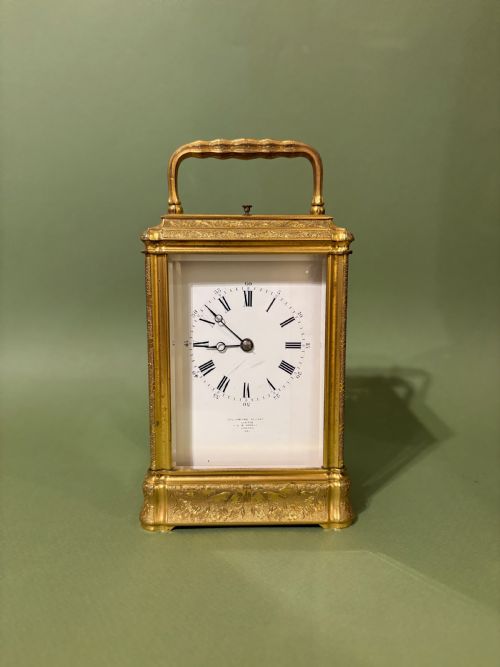
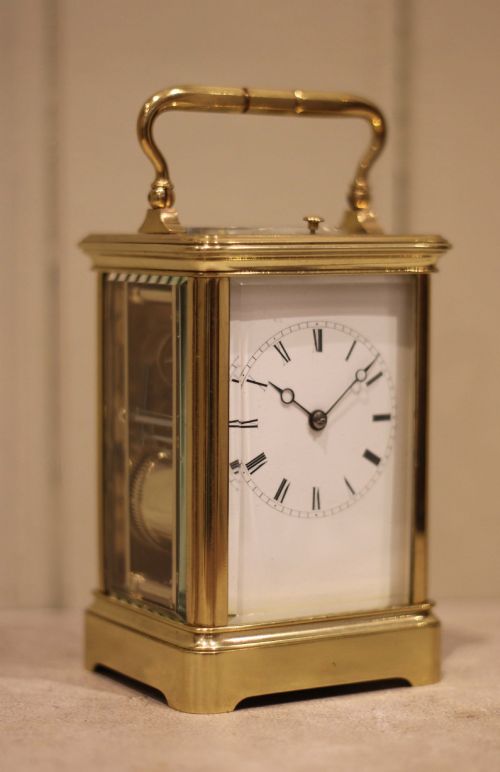
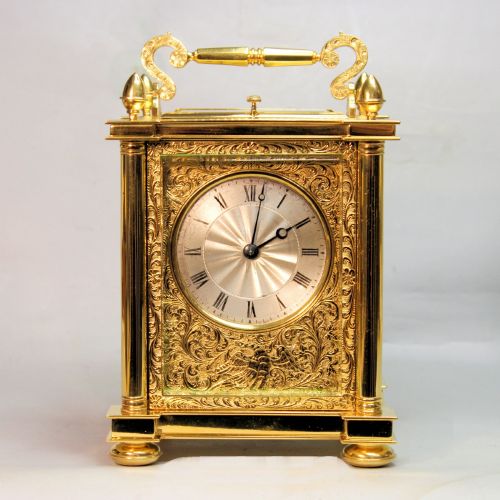
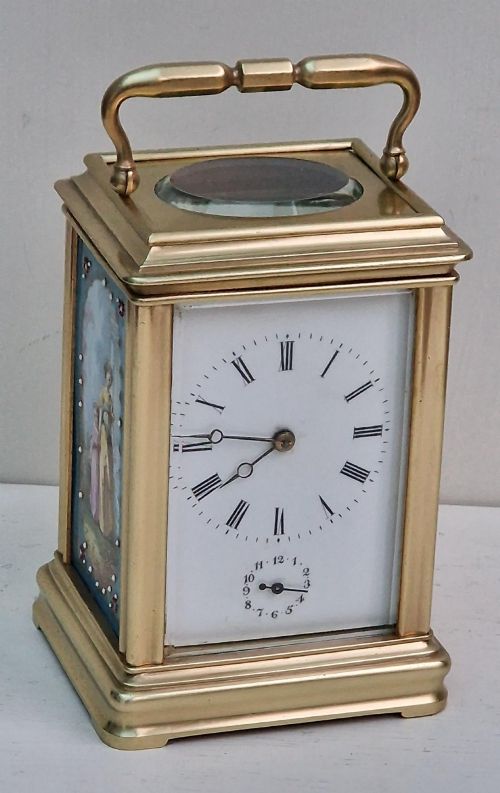
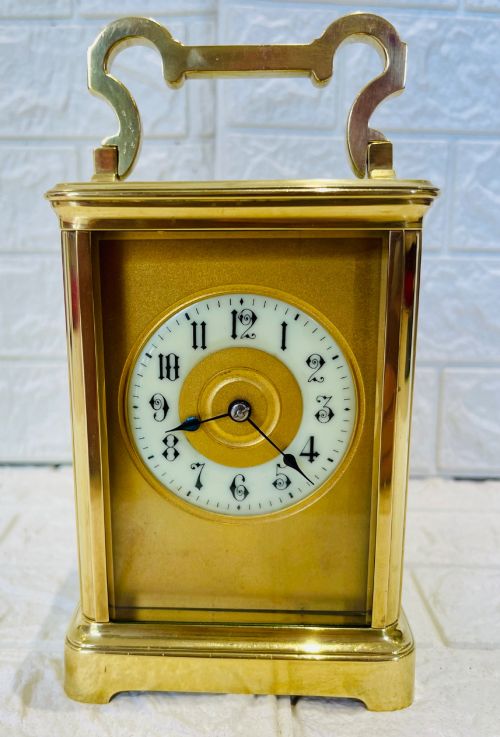
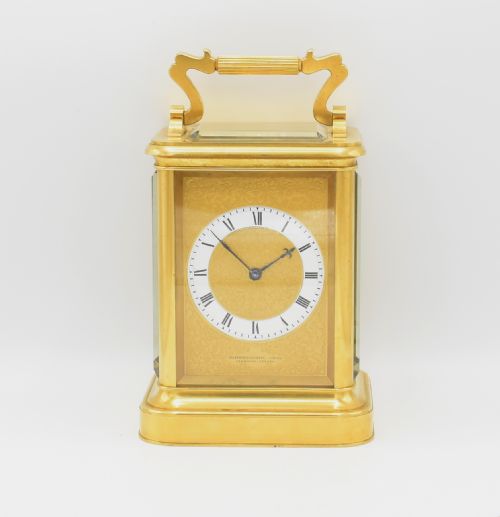
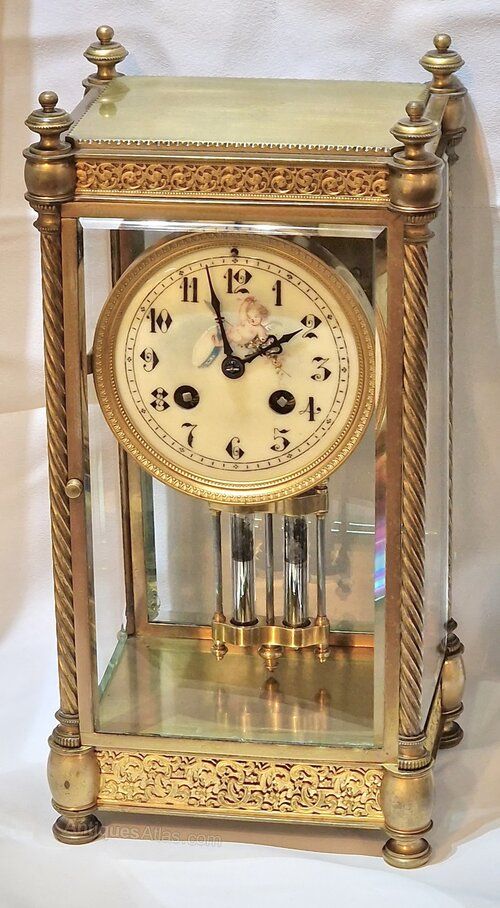
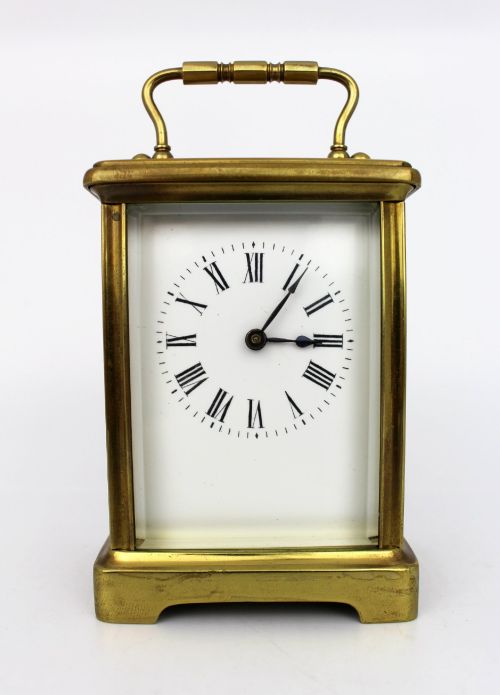
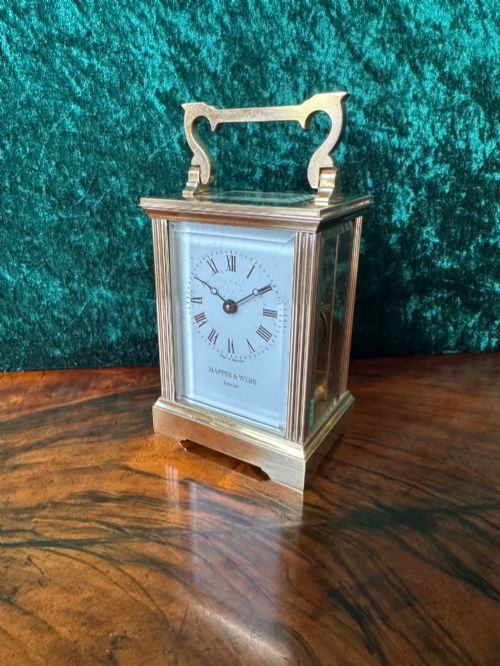
You will most frequently meet brass and gilt brass examples featuring glass panels that reveal the internal escapement and gear train. These range from simple timepieces to striking and repeating models housed in gorge, corniche, or doucine cases.
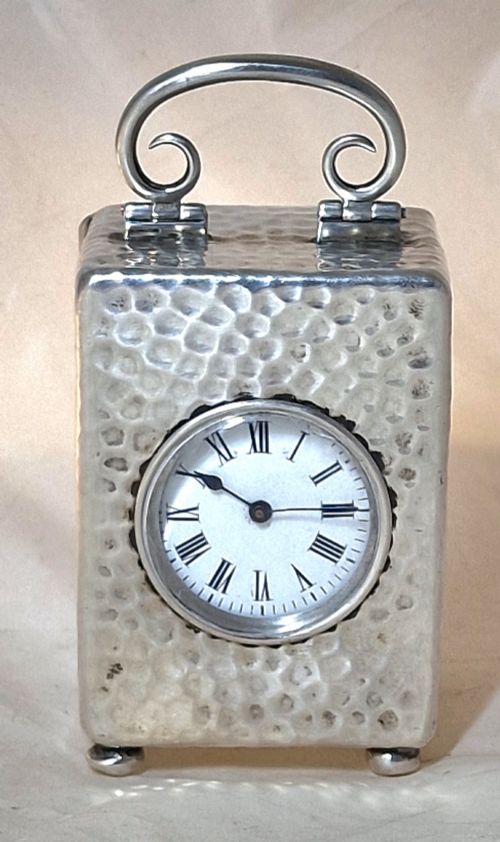
Alongside standard brass designs, variations include porcelain panels, silver hallmarked cases, leather travel cases, and miniature formats. Most specimens date from the Victorian era up to nineteen-ten, reflecting diverse aesthetic influences from French Empire to traditional styles.
How they were made
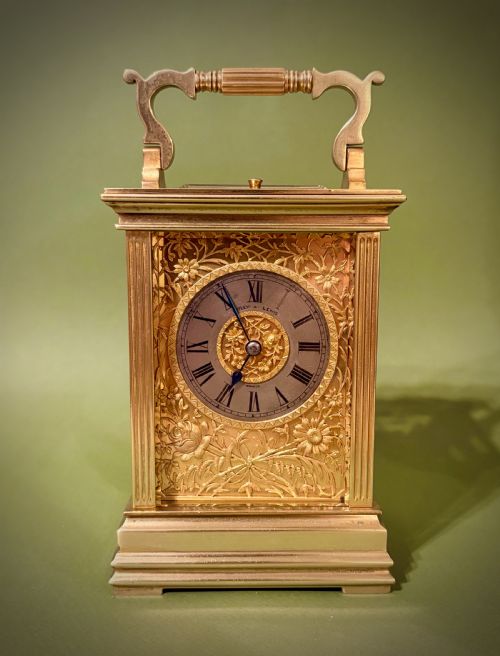
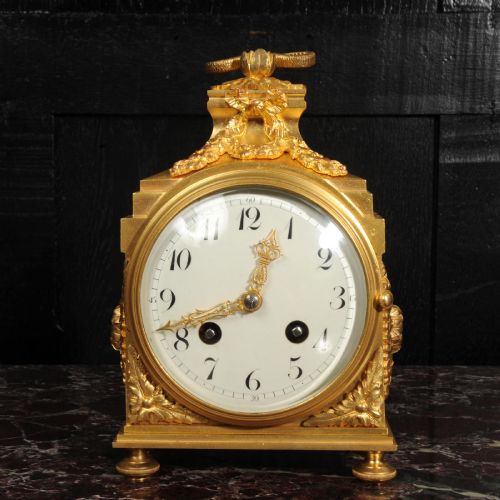
Makers constructed these clocks primarily using heavy brass, gilt bronze, and sterling silver for the structural cases, incorporating bevelled glass windows to protect the delicate movements within. Metalwork often received fine hand engraving, gilding, or polished finishes.
Dials were typically formed from white enamel with Roman numerals, sometimes accompanied by subsidiary alarm dials or enriched with painted porcelain panels and silvered metal details. Movement construction relied on brass gear trains, escapements, and steel springs housed in sturdy plates.
Listings feature movements driven by Swiss mechanisms alongside traditional French and British workshop productions.
What varies in quality
The distinction between standard examples and the finest pieces rests in the complexity of the movement and the crispness of the metal case engraving. Repeating mechanisms, quarter striking, and bell strikes elevate the mechanical ambition of a piece.
Case weight and finishing also determine the tier of the clock, where heavy cast gilt brass with deep, sharp engraving surpasses thin sheet metal. Signed backplates by known makers indicate higher workshop standards than unsigned factory movements.
HENRI JACOT·COUSENS & WHITESIDE·Goldsmiths Alliance Ltd·Mappin and Web·Georg Adam Scheid·Pickford of London·Drocourt Paris·T. Martin & Co·Planchon of the Palais Royal Paris
The Mantel Carriage Clock Glossary
- Gorge case
- A distinct rectangular brass carriage clock case with stepped mouldings at the top and base. This style originated in France during the nineteenth century.
- Repeating mechanism
- A complication operated by pressing a button on the top of the case that causes the clock to strike the last hour and quarter hour on demand. It allowed users to check the time in the dark.
- Fusee
- A conical pulley used in British clocks to maintain equal power from the mainspring as it unwinds. This mechanical addition improves timekeeping accuracy.
- Corniche case
- A traditional carriage clock case design featuring rounded or columns corners supporting a flat top. It represents one of the most common housing shapes for French movements.
- Escapement
- The mechanical linkage that controls the release of gear train power to regulate the movement of the hands. Platform escapements became standard in portable clocks of this period.
Mantel Carriage Clock: Frequently Asked Questions
Why does my clock have a travel case?
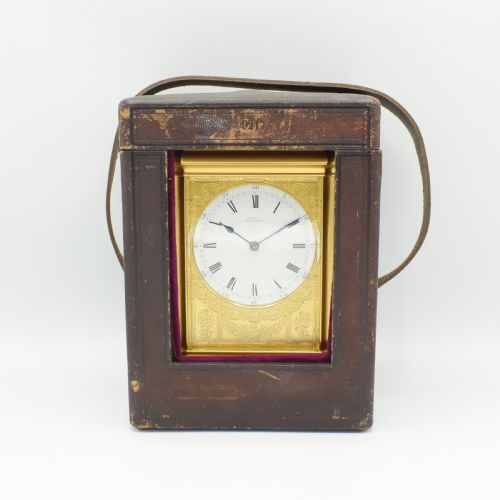
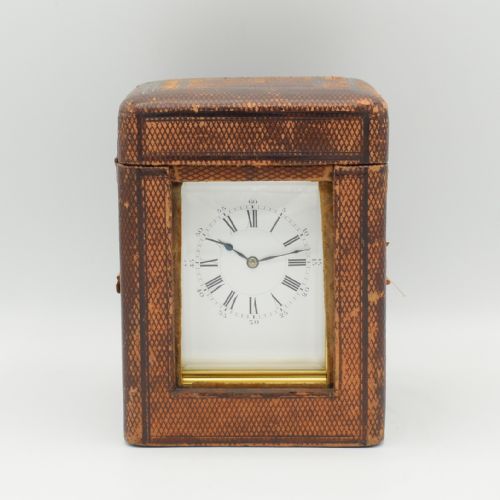
Original leather or wooden outer cases protected the portable brass clocks during journeys. Owners placed the timepiece inside for transit between residences.
These surviving outer cases often feature fitted interiors and viewing windows aligned with the clock face.
How do I tell an English clock from a French one?
English examples frequently utilise fusee movements housed in heavy substantial frames, often signed by London retailers or makers. French pieces more commonly rely on spring barrel movements with platform escapements.
Case profiles and dial signatures also provide clear indicators of manufacturing origin.
What is a platform escapement?
A self-contained escapement unit mounted on a small platform visible through the glass top of the clock. This innovation allowed portable clocks to keep time regardless of slight tilting.
It replaced earlier pendulum systems that required a strictly vertical position to operate.