

Mahogany Secretary Cabinet
A mahogany secretary cabinet combines a practical writing desk with a shelved library bookcase, offering timeless storage and workspace.
Mahogany Secretary Cabinet
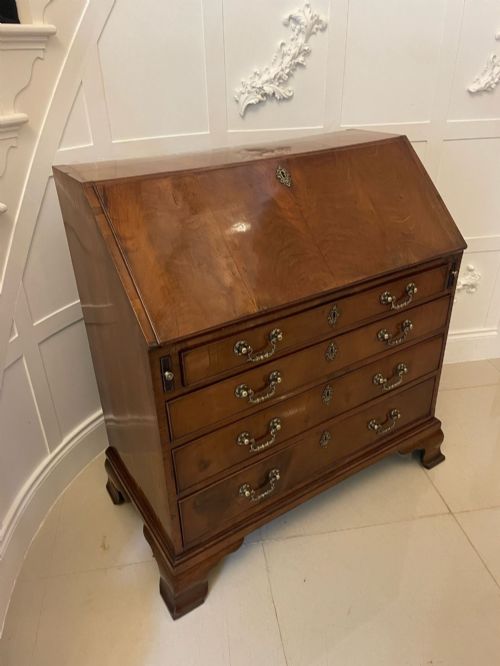
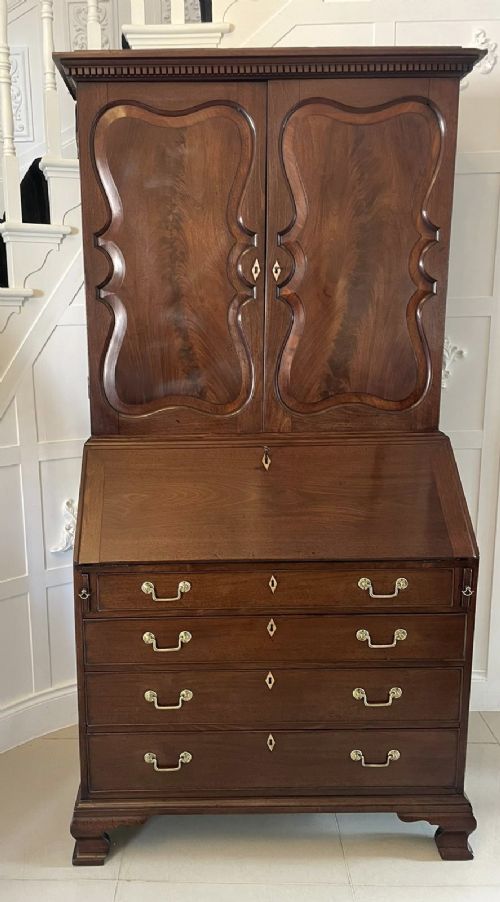
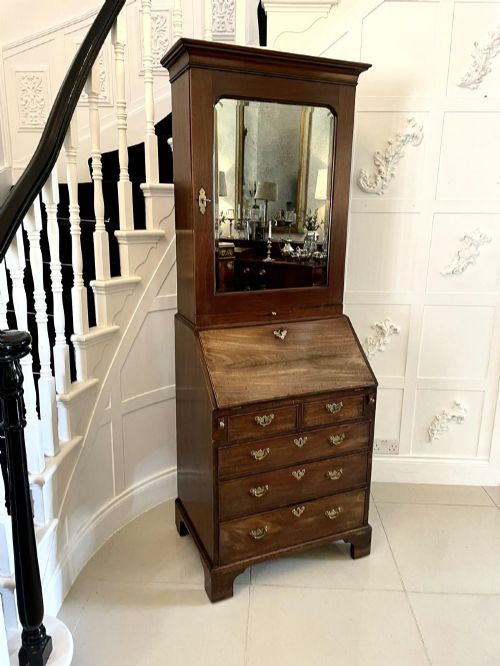
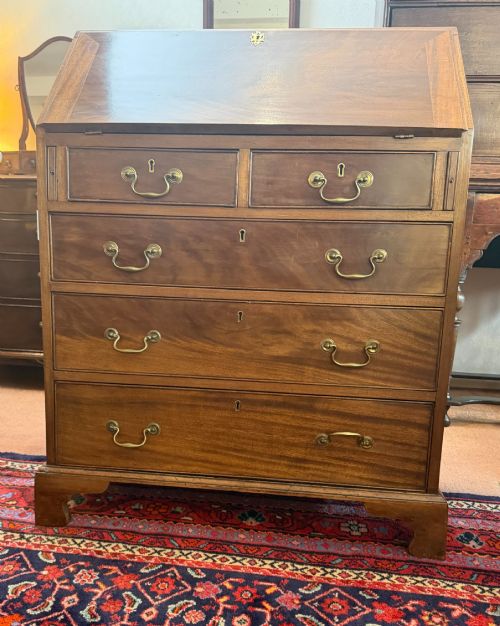
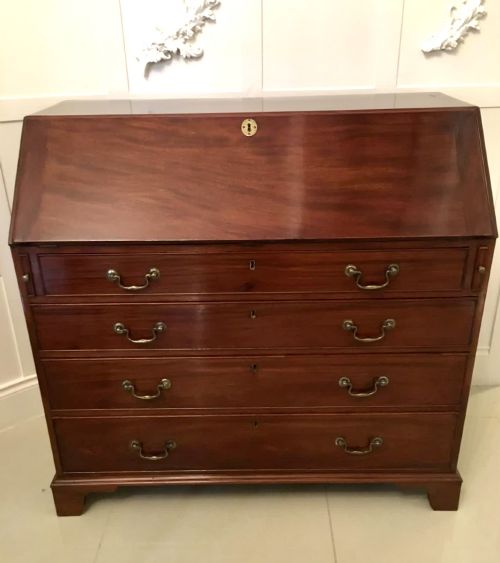
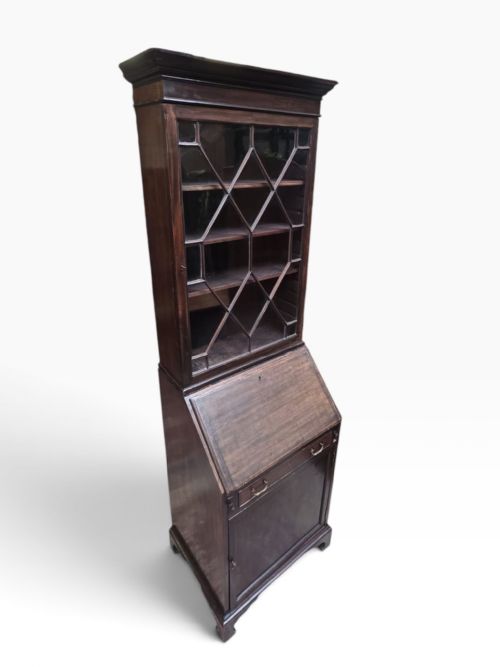
A mahogany secretary cabinet is a dual-purpose item designed for both writing and book storage, frequently appearing in forms such as bureau bookcases and secretaire cabinets. These pieces span periods from the eighteenth century through the nineteenth century, including Georgian, Regency, and William IV eras.
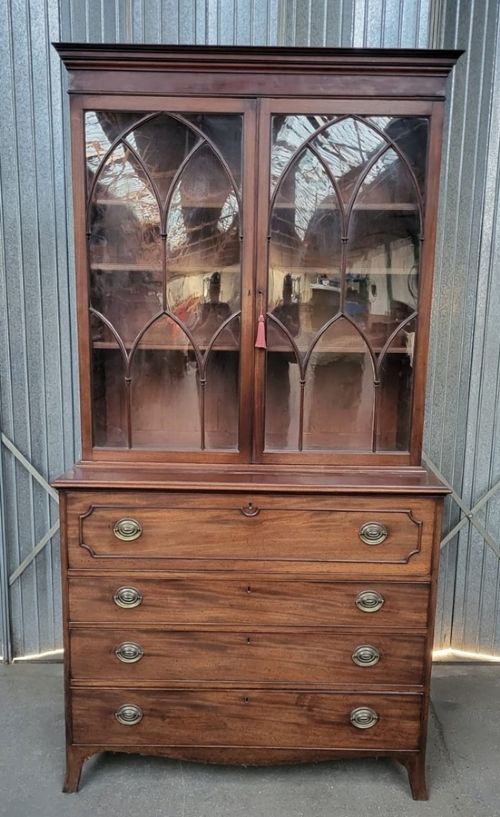
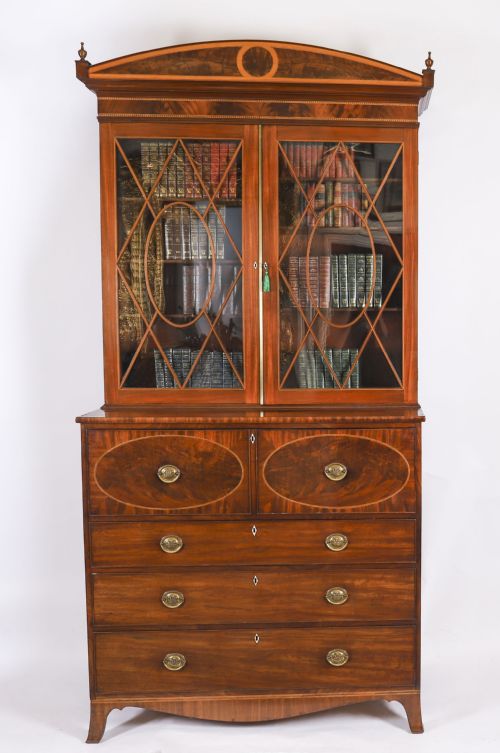
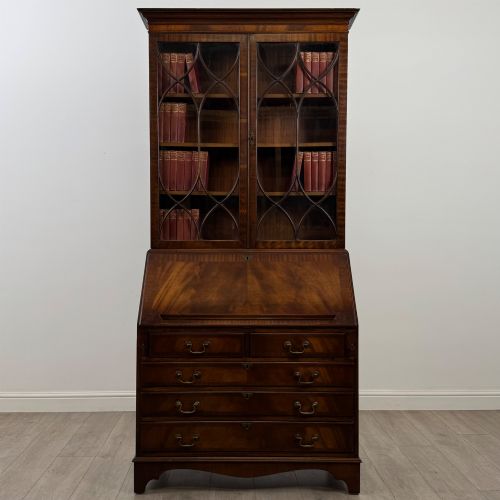
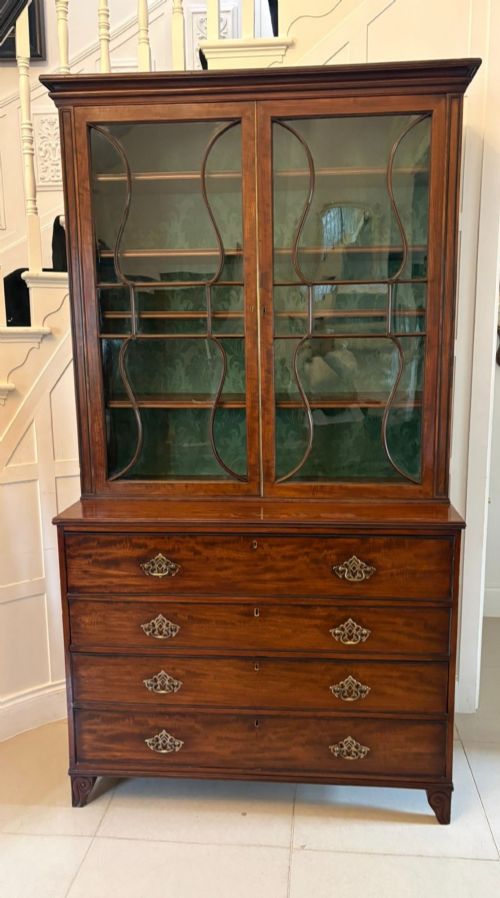
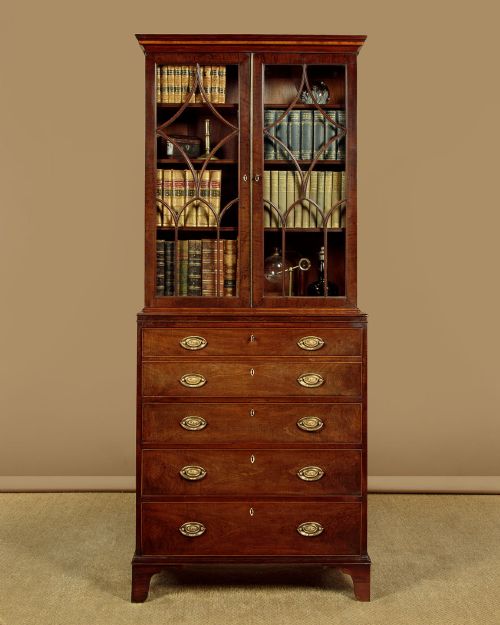
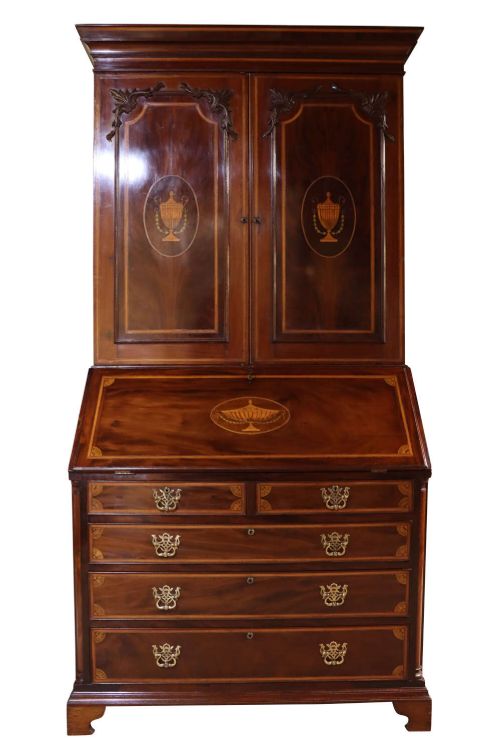
The most common formats on this page include tall bureau bookcases featuring glazed doors above fitted desk interiors, alongside smaller freestanding writing desks. Makers and workshops from Georgian and Regency times utilised practical upper shelving paired with drop-down writing surfaces.
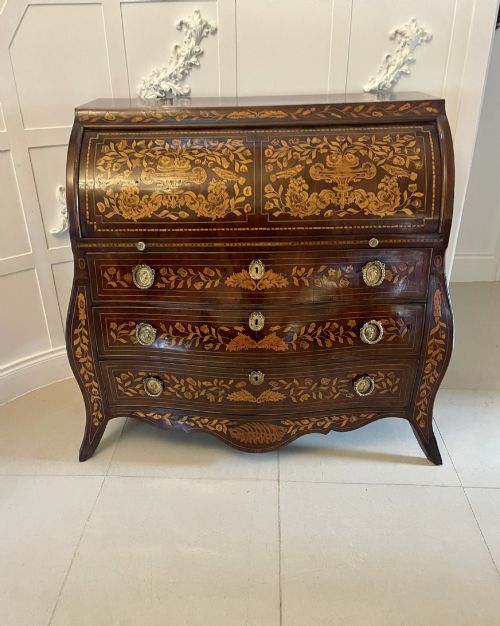
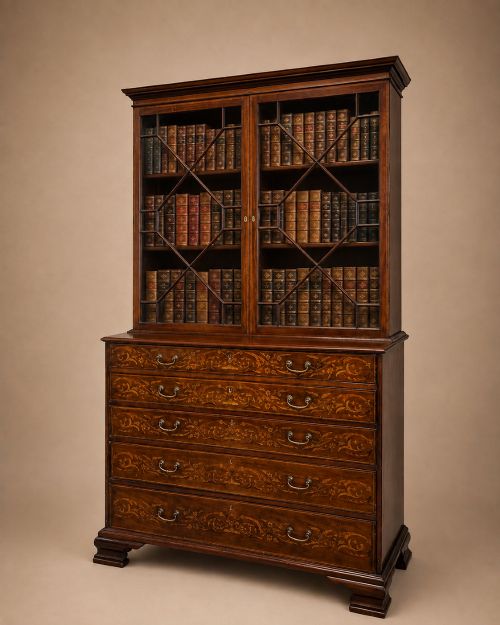
Later examples extend into the Edwardian period and the nineteen-thirties, incorporating simpler proportions while retaining the core mahogany structure. Buyers encounter varied configurations, from cylinder tambour desks to formal library bookcases with astragal glazing.
What varies in quality
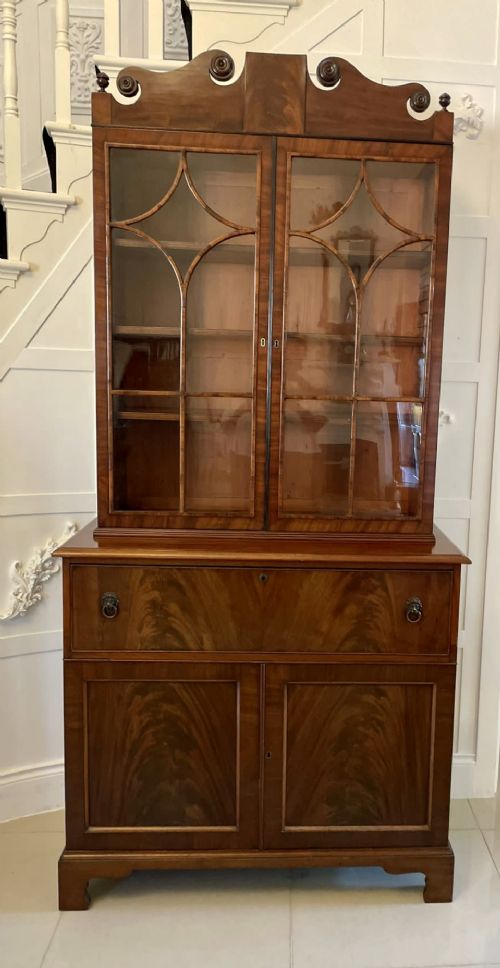
The sophistication of the timber figure dictates much of the visual appeal, with highly figured flame mahogany marking out superior cabinet work compared to plain stock. Grain matching across large expanses of drawer fronts and cabinet doors reveals the maker's care.
Internal complexity sets apart standard furniture from exceptional pieces, particularly in the layout of secret drawers, pigeonholes, and small cupboards within the fitted writing section. The precision of inlaid satinwood banding and the weight of original brass fittings further distinguish the tiers of craftsmanship.
Mahogany Secretary Cabinet Retail Price Guide 2026
Typical asking prices for mahogany secretary cabinet among the pieces listed under this phrase on Sellingantiques today, from the lower quarter to the upper quarter. They describe what is for sale here now, not the wider market.
Materials recur across the inventory in solid mahogany, flame mahogany, oak, satinwood, and brass.
George Oakley·Thomas Chippendale·Gillows·Tudor and Burrey Shrewsbury
The Mahogany Secretary Cabinet Glossary
- Secretaire
- A piece of furniture containing a drawer or compartment that folds down to form a writing desk. It conceals pigeonholes and small drawers within.
- Astragal glazing
- A method of dividing a glass door into smaller panes using narrow wooden strips called glazing bars. This technique is typical of Georgian and Regency bookcases.
- Flame mahogany
- A veneer cut from timber where the branch meets the trunk, producing a rippling, flame-like pattern. It was favoured for high-status cabinet fronts.
- Tambour
- A flexible sliding shutter made from narrow strips of wood glued to canvas, allowing a curved desk front to open smoothly.
- Marquetry
- Decorative inlay work where pieces of contrasting wood or other materials are fitted into a veneer to form geometric or floral designs.
Mahogany Secretary Cabinet: Frequently Asked Questions
How do I use a secretary cabinet?
The drop-front or drawer mechanism pulls down to create a stable writing surface, revealing internal compartments for stationery and letters.
The upper shelves store books and display items, while the lower cupboards or drawers provide general household storage.
How do I tell Georgian from Regency pieces?
Georgian pieces often display restrained classical proportions with straight bracket feet and fine astragal glazing bars.
Regency examples tend to incorporate bolder brass detailing, darker figured veneers, and influences from ancient Roman or Greek design.
Are the writing surfaces leather?
Many secretaire drawers and bureau flaps are lined with fitted leather inserts to provide a smooth surface for writing.
These inserts often feature subtle gilt tooling around the perimeter, matching the formal style of the cabinet.
Where were these cabinets placed?
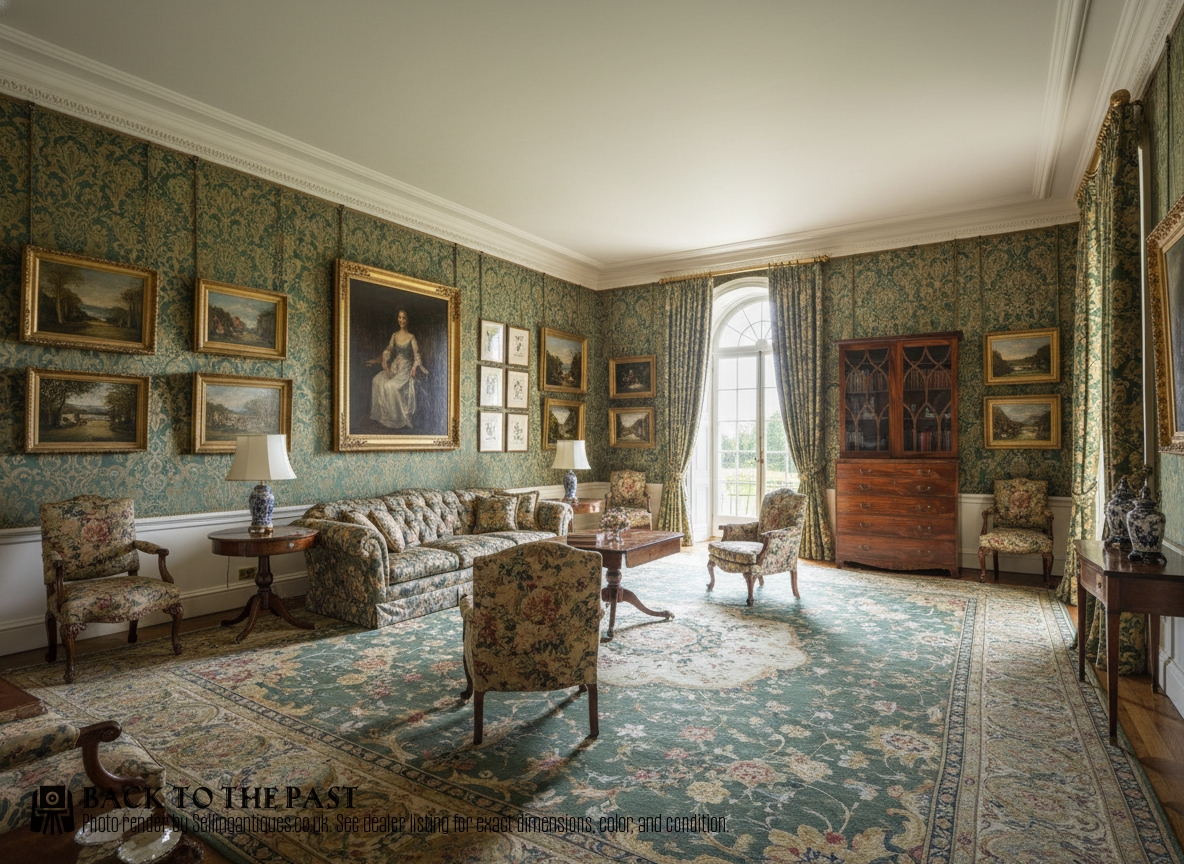
They traditionally stood in private libraries, studies, and drawing rooms where correspondence and estate management took place.
Their dual storage capacity made them central furnishings for managing household affairs and displaying valued book collections.