






Mafrash Panel Rug
A mafrash panel rug brings dense tribal geometry into a modern room, using flatweave and pile fragments from storage chests.
Mafrash Panel Rug
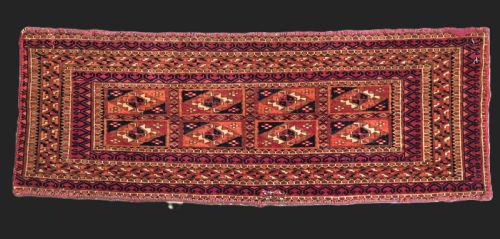
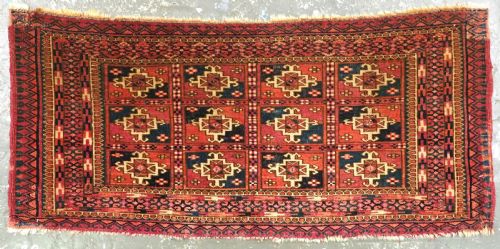
A mafrash panel rug is typically assembled from antique storage chest sides or bag faces originating from nomadic tribal groups. When you examine these pieces, you encounter fragments created by Shahsavan, Yomut, Tekke, and Ersari weavers from the eighteenth century onwards.
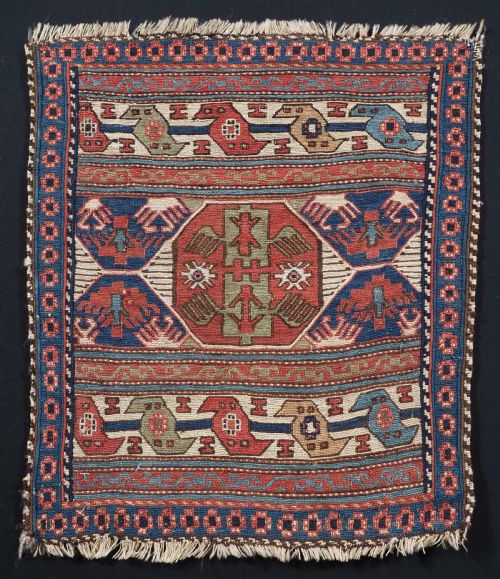
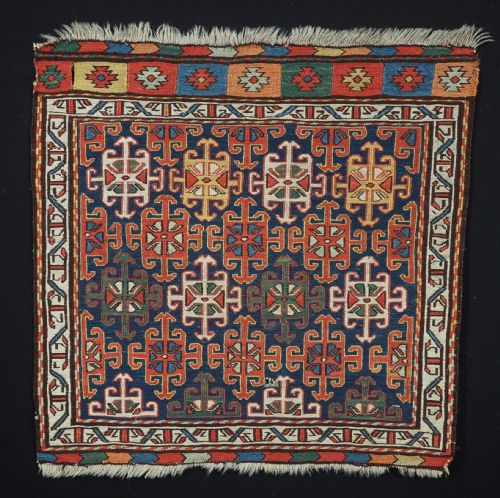
Many examples are constructed by joining individual flatweave or Soumak panels together into runners or small carpets. These textiles display distinct Caucasian and Central Asian motifs, including banded flatweave designs and bird or dragon patterns.
The most common forms on this page include repurposed torba faces, bag fronts, and individual flatweave sections stitched together. They bridge the gap between utilitarian nomadic furnishings and decorative textile art.
What varies in quality
The fineness of the wool preparation and the crispness of the dye saturation dictate the visual depth of the panel. Tightly packed hand-spun yarns hold their structural integrity better than loose or brittle fibres.
The complexity of the tribal iconography, such as well-rendered bird and dragon motifs or symmetrical 'aina gul' designs, elevates the artistic standing of the textile. Compositional balance during the assembly of separate panels also determines visual success.
Mafrash Panel Rug Retail Price Guide 2026
Typical asking prices for mafrash panel rug among the pieces listed under this phrase on Sellingantiques today, from the lower quarter to the upper quarter. They describe what is for sale here now, not the wider market.
Listings feature wool, natural dyes, and linen, spanning the eighteenth century to the early twentieth century.
The Mafrash Panel Rug Glossary
- Mafrash
- A large nomadic storage chest or bedding bag used by tribes in the Caucasus and Persia. The decorative sides of these containers are frequently repurposed into flat rugs.
- Soumak
- A brocade-like weaving technique where coloured supplementary weft threads wrap around the warp yarns. This method creates a sturdy, textured surface without a pile.
- Torba
- A small horizontal wall bag traditionally hung inside a yurt or tent for domestic storage. They often feature intricate medallions and tribal border designs.
- Flatweave
- A textile woven without knots by interlacing warp and weft threads directly. Examples include kilims and banded utility panels.
- Aina gul
- A specific tribal medallion pattern translating to mirror flower. It appears frequently in Tekke Turkmen weaving traditions.
Mafrash Panel Rug: Frequently Asked Questions
What is a mafrash panel?
A mafrash panel is an individual side or face taken from a nomadic storage chest. These panels were originally woven in techniques like Soumak or flatweave to hold bedding and household goods.
Over time, collectors and dealers have repurposed these surviving fragments by stitching them together into small rugs or displaying them as textile art.
How do I care for a tribal flatweave?
Keep your textile out of direct, harsh sunlight to protect the natural vegetable dyes from fading. Gentle vacuuming without a rotating brush roll prevents dust accumulation in the wool.
Consult a specialist in antique textiles for professional cleaning rather than attempting wet washing at home.
Where did these pieces originate?
These items come from the Caucasus and Central Asia, created by nomadic groups such as the Shahsavan, Yomut, Tekke, and Ersari. Regions like the Merv Oasis were notable centres for this tribal production.
Each group utilised distinct geometric vocabularies and structural techniques that help identify their geographic origin.
How are panels joined into rugs?
Individual bag faces or structural sides are sewn together edge-to-edge to form a cohesive rectangular format suitable for floor placement or wall hanging. Sometimes a plain flatweave field surrounds the antique fragments.
This practice preserves damaged or incomplete storage containers by giving them a new functional purpose.