




Antique Woven Kilim
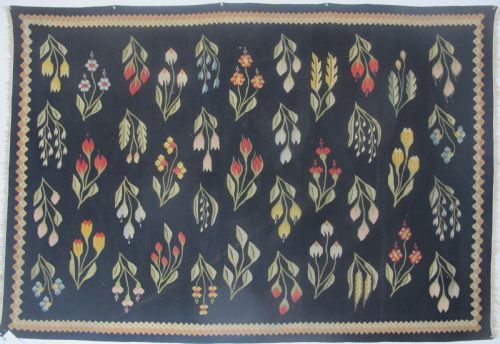
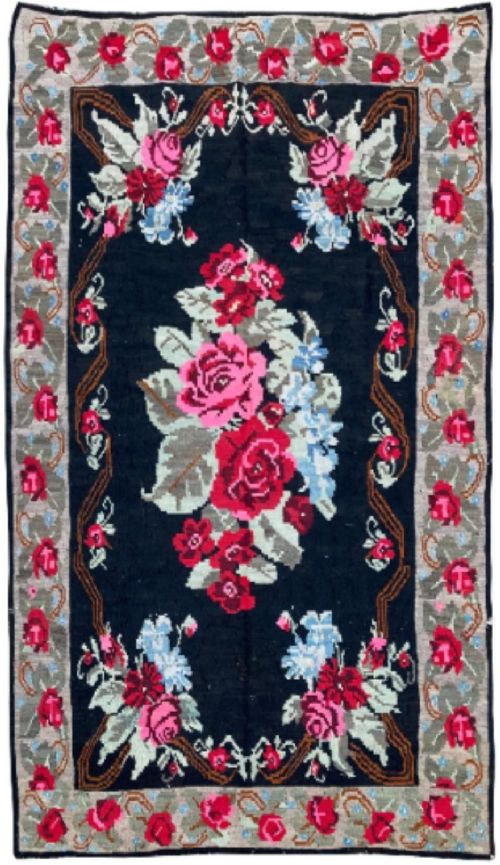
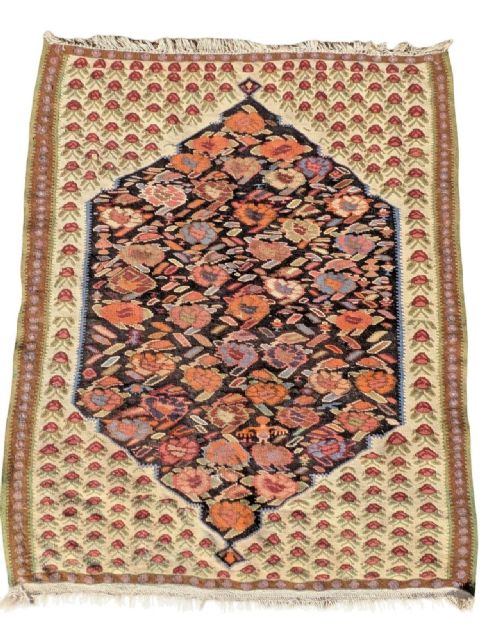
When you search for antique woven kilim, you discover flat-woven textiles created by nomadic and village weavers across Persia, Anatolia, the Caucasus, and Central Asia.
Antique Woven Kilim
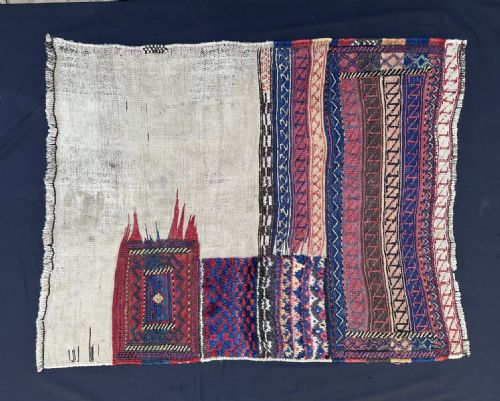
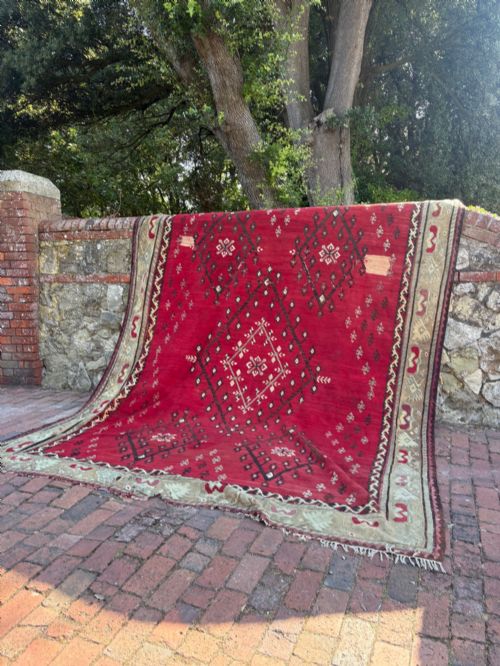
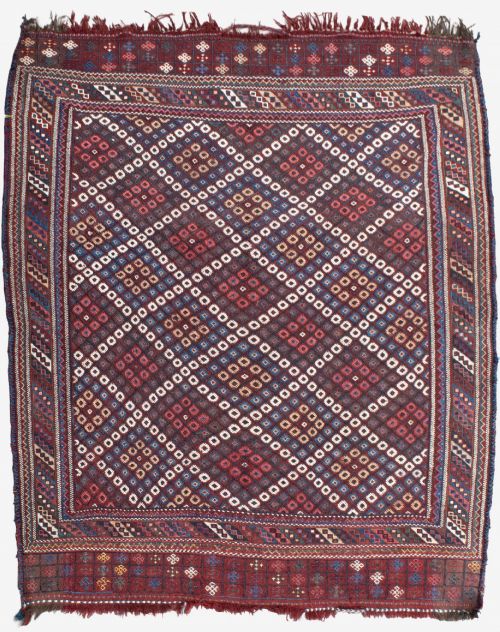
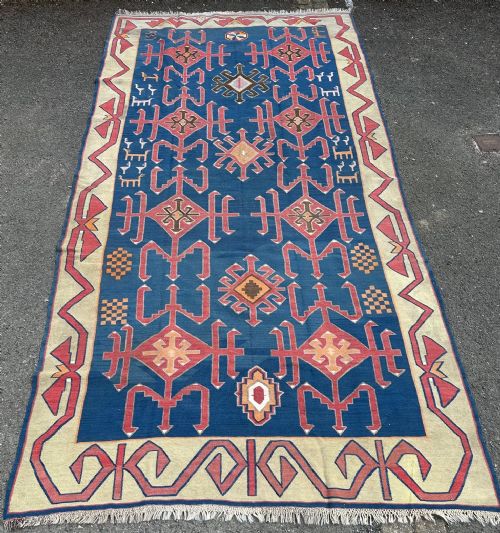
An antique woven kilim comprises flat-weave rugs, carpets, and utility textiles produced by tribal groups from the late nineteenth century through the early twentieth century. Buyers encounter regional variants such as Persian Sofreh and Tacheh, Anatolian flatweaves, and Caucasian Shirvan pieces.
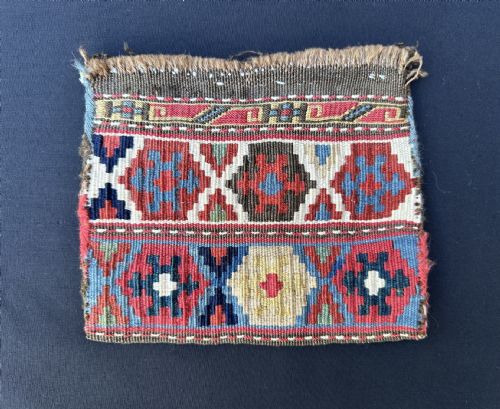
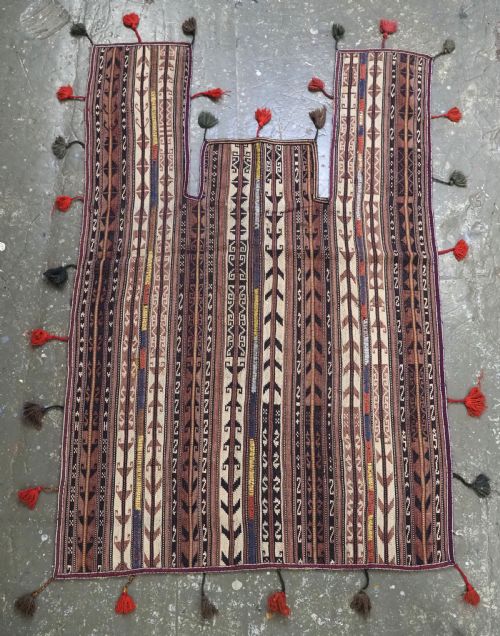
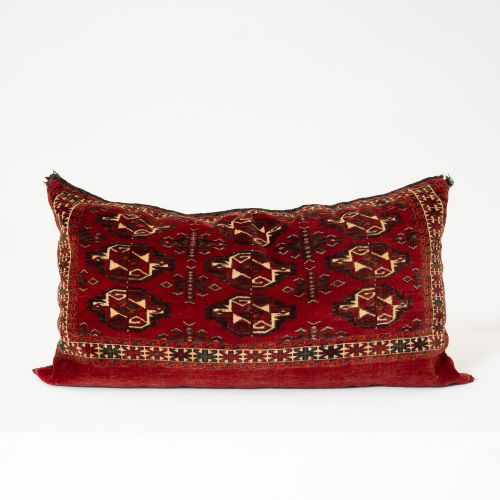
Beyond floor carpets, the selections include storage bags, horse blankets, and cushions originating from nomadic confederacies like the Qashqai, Shahsavan, and Yomut Turkmen.
These textiles served practical functions within nomadic life, acting as dining cloths, grain sacks, and horse covers before entering the decorative market.
How They Were Made
Weavers constructed these pieces using hand-spun wool and cotton, frequently incorporating goat hair for structural durability in utility bags and storage containers.
Natural dyes provide the palette for these flatweaves, yielding muted tones and bold graphic designs through slit-weave and banded techniques.
Listings feature wool, cotton, and natural dyes across pieces dated from eighteen-fifty to nineteen-forty.
What Varies in Quality
The fineness of the weave distinguishes standard utility textiles from exceptional tribal pieces, with tighter interlacing creating sharper geometric clarity.
The integrity of the natural dyes and the balance of the regional palette dictate the visual impact of an individual flatweave.
The Antique Woven Kilim Glossary
- Kilim
- A flat-woven carpet or rug produced without a pile, created by tightly interweaving warp and weft strands.
- Sofreh
- A woven spread or cloth utilised for dining, food preparation, or bread storage among Persian nomadic tribes.
- Mafrash
- A large rectangular storage bag or chest panel woven by nomadic groups for transporting household possessions.
- Tacheh
- A traditional woven carrier or grain bag created by Lori-Bakhtiari and Western Persian nomads.
- Flatweave
- A textile construction method where surface pattern derives entirely from the interlacing threads rather than knotted tufts.
Antique Woven Kilim: Frequently Asked Questions
How were kilims used daily?
Nomadic communities utilised these textiles as floor coverings, blankets, and storage containers for transporting goods across seasonal migrations.
Specific formats like Sofreh acted as designated cloths for eating and handling bread within the tent.
Where do most antique kilims originate?
The primary sources include the weaving traditions of Persia, Anatolia, the Caucasus, and Central Asia.
Tribal groups such as the Qashqai, Afshar, and Yomut Turkmen produced distinct regional patterns.
How should I care for a flatweave?
Protect the wool and cotton fibres by using a breathable underlay and limiting direct, prolonged exposure to intense sunlight.
Gentle vacuuming without a rotating brush roll helps remove embedded dust safely.
What defines tribal geometric patterns?
Weavers expressed their cultural identity and regional heritage through abstracted animal motifs, stripes, and medallions.
The technical limitations of slit-weave construction naturally produced sharp, angular designs.