
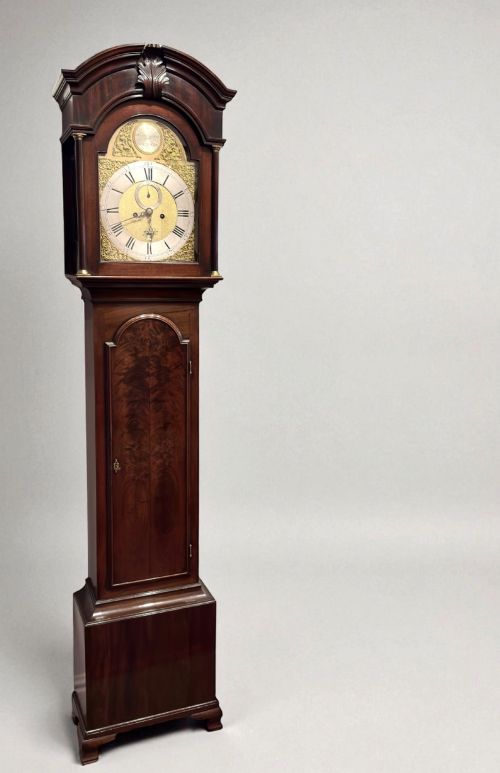
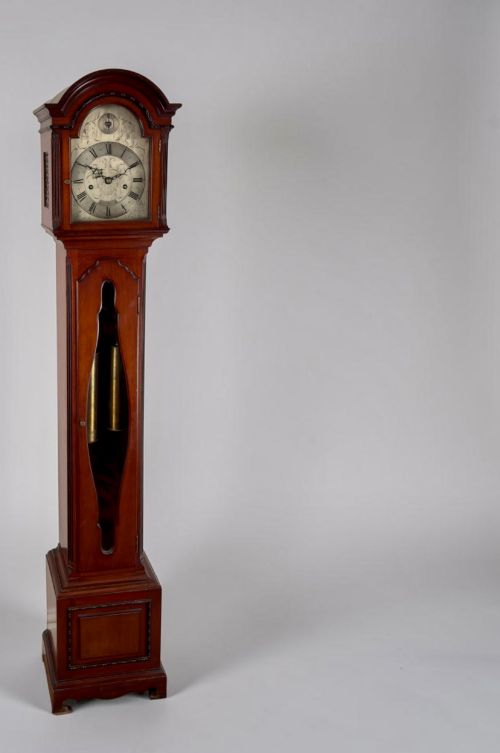
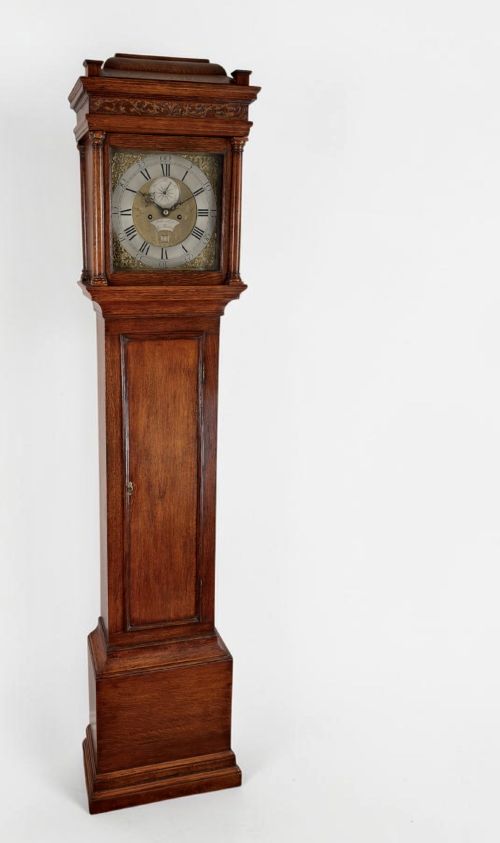
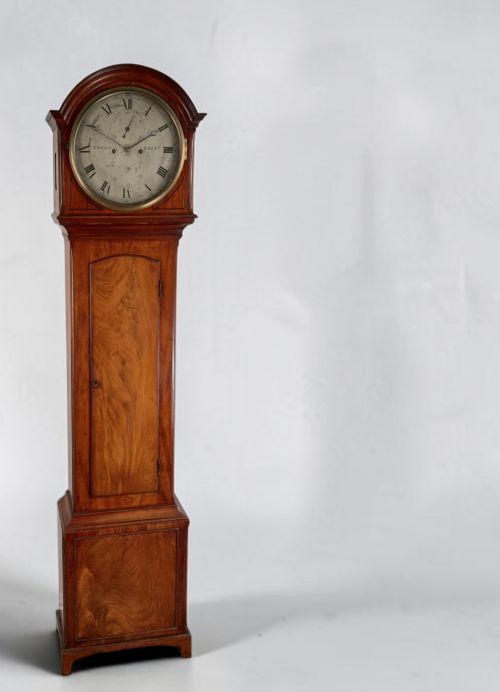


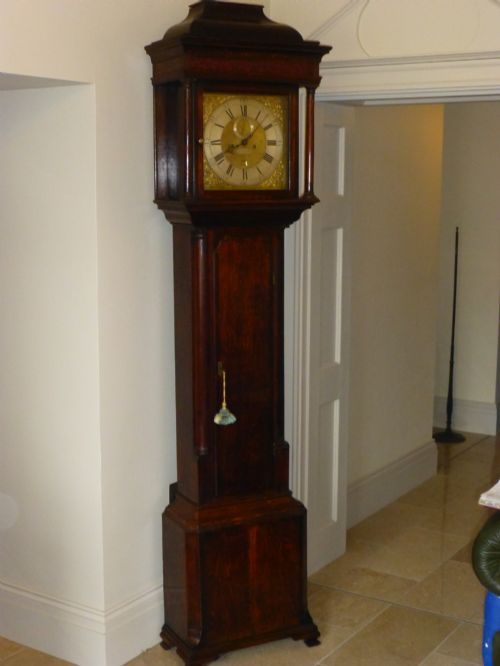
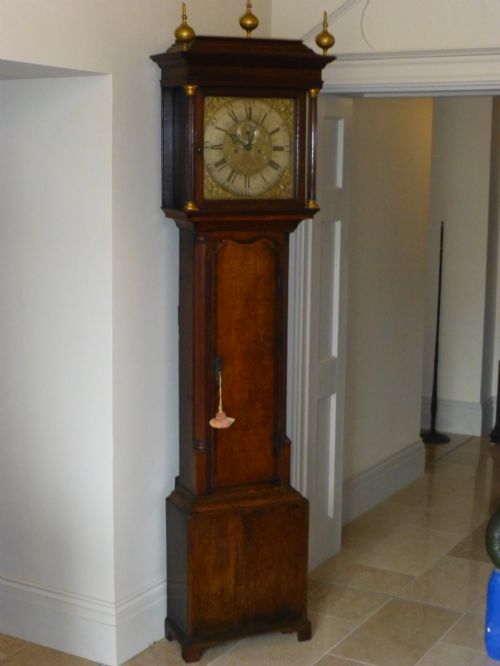
Longcase Floor Clock
A longcase floor clock stands as the architectural heartbeat of a room, measuring time through the steady sweep of a pendulum.
Longcase Floor Clock
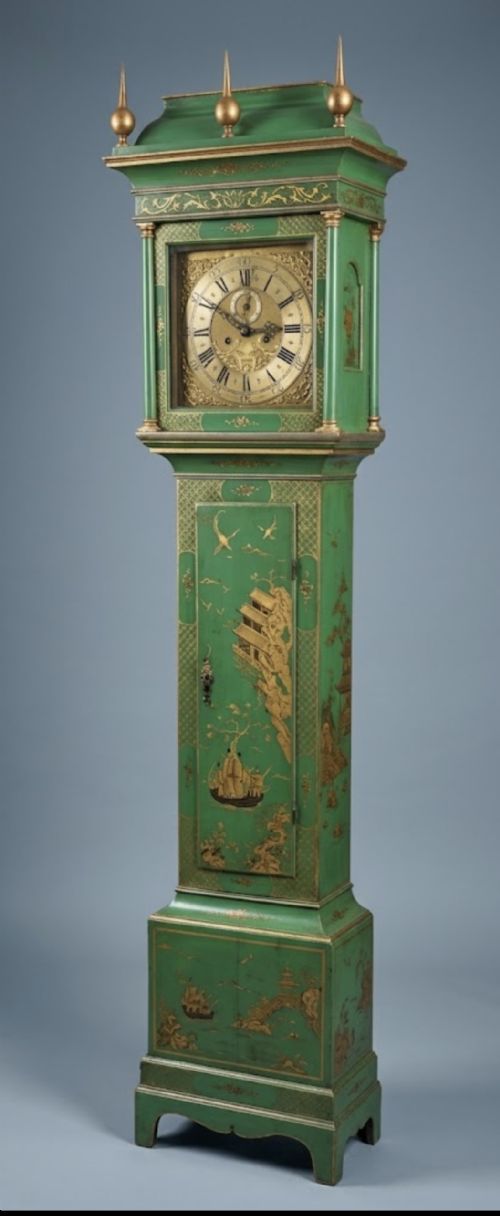
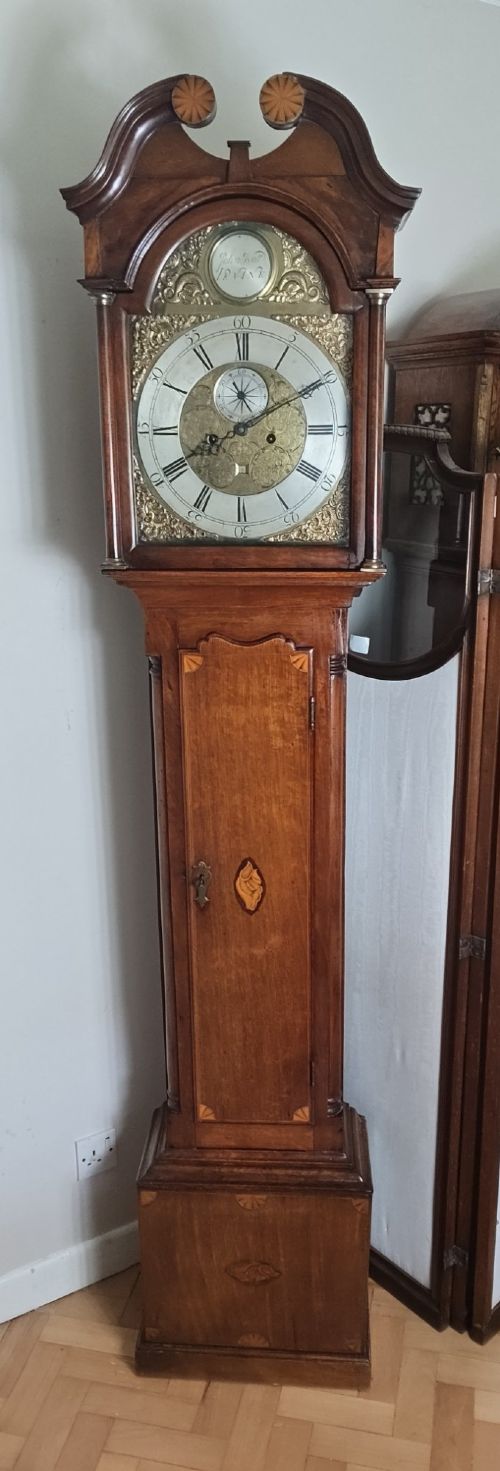
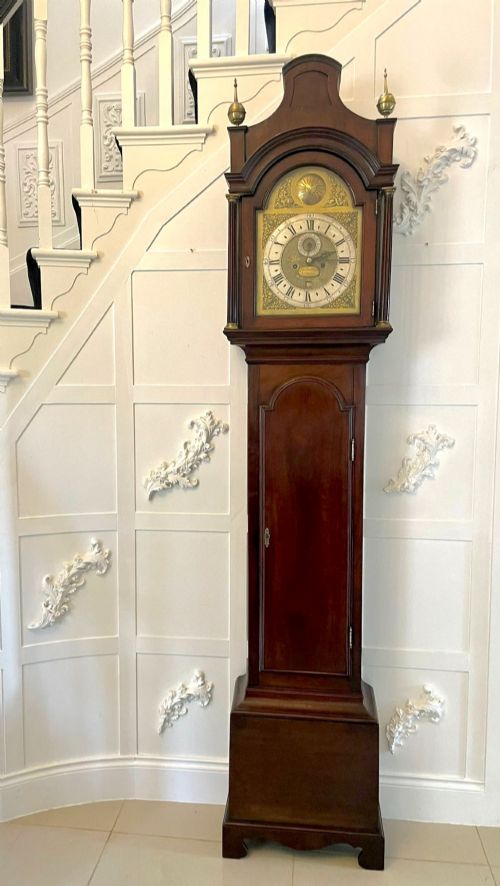
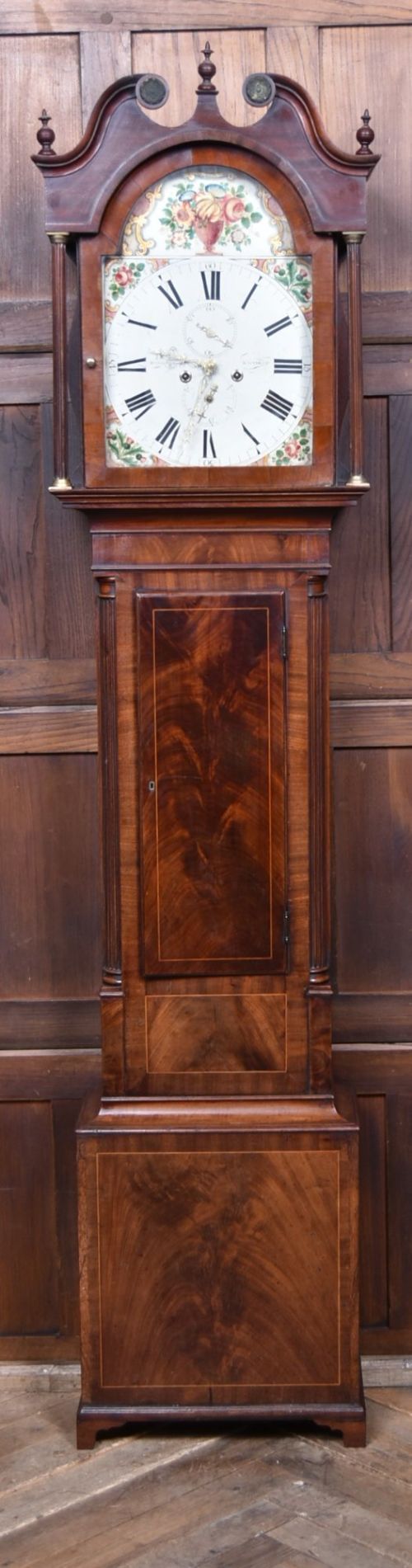
A longcase floor clock, often called a grandfather or grandmother clock, combines tall timber housing with a weight-driven movement. When exploring this phrase, buyers encounter tall vertical cabinetry designed to shelter the dial, weights and swinging pendulum.
The versions most common on this page span the Georgian and 19th-century periods, alongside Edwardian and Art Deco examples. These pieces originate from English workshops as well as Scottish towns like Aberdeen, Edinburgh and Dunfermline.
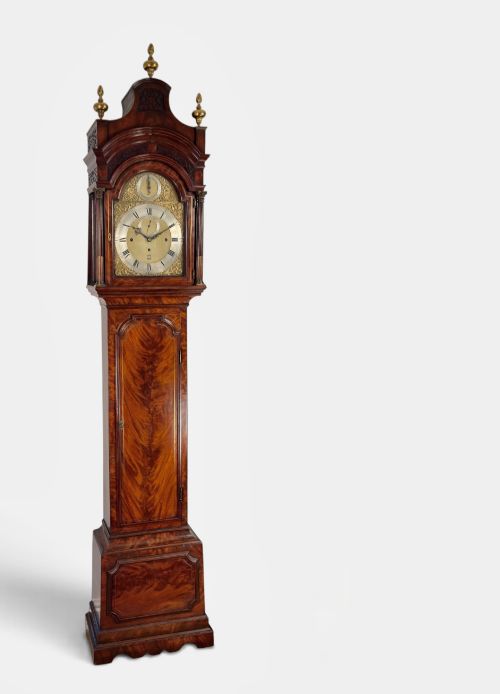
Cabinet forms vary from grand mahogany and walnut cases to more modest oak structures. Dial layouts range from traditional brass faces to painted moon dials tracking lunar phases.
Materials and Construction
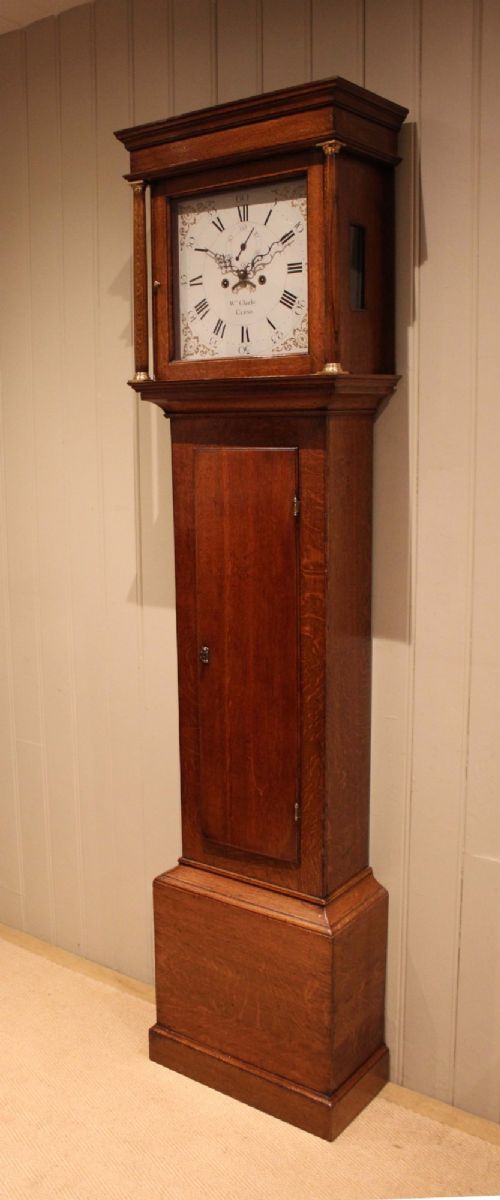
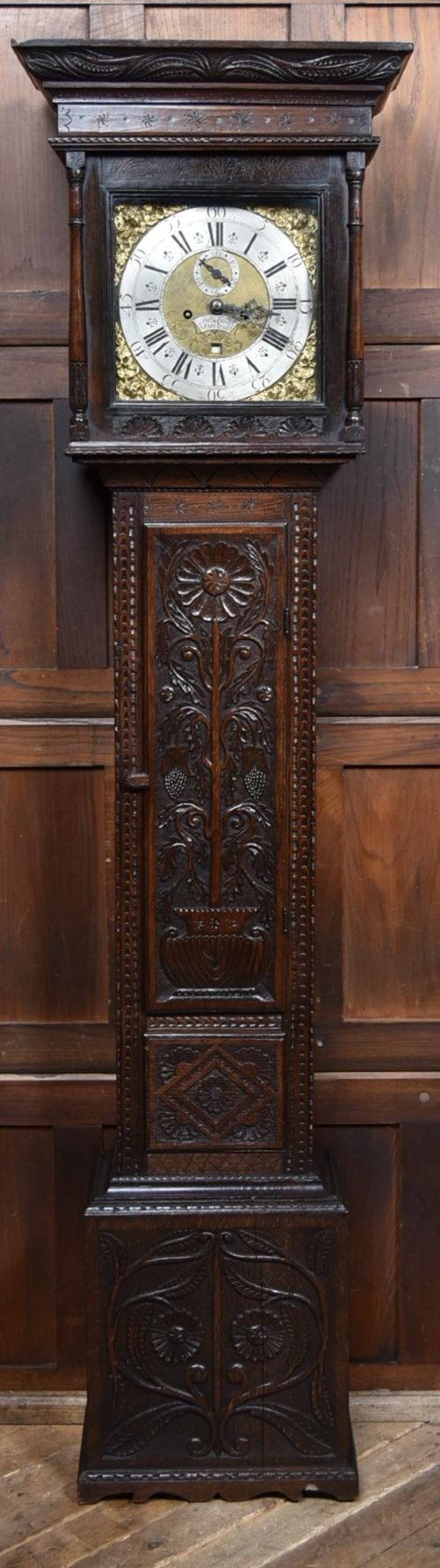
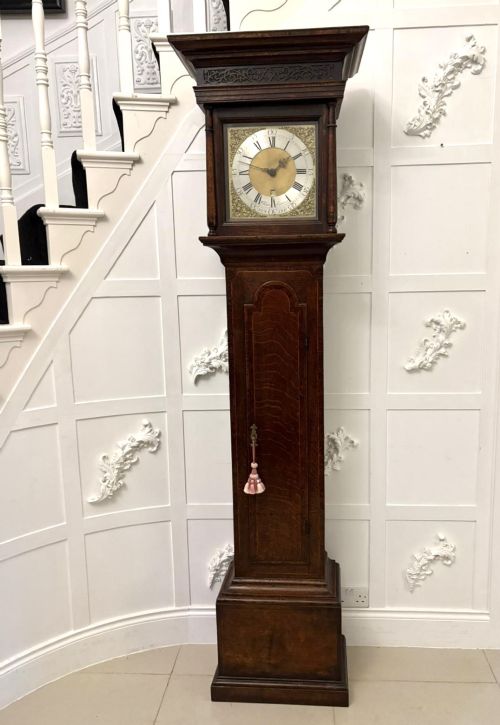
Cabinetmakers utilised sturdy timbers such as oak, mahogany, flame mahogany and walnut to build the tall protective trunks. Selected woods often display rich grain patterns, sometimes enhanced by burr oak veneers.
Movement components rely on brass and steel, whilst clock faces integrate engraved brass plates, white enamel or painted metal dials protected by glass panels. Regional makers housed these mechanical systems in well-proportioned floor cases built by local joiners.
Longcase Floor Clock Retail Price Guide 2026
Typical asking prices for longcase floor clock among the pieces listed under this phrase on Sellingantiques today, from the lower quarter to the upper quarter. They describe what is for sale here now, not the wider market.
Listings feature oak, mahogany and walnut longcase floor clocks spanning the Georgian, Victorian, Edwardian and Art Deco periods.
Factors of Distinction
Quality rests in the precision of the clock movement and the crisp execution of the cabinetwork. Finer examples feature complex eight-day movements, strike-silent mechanisms or musical quarter-striking abilities by noted makers.
Cabinet construction also dictates standing value, where choice timber figures like flame mahogany or burr oak, balanced proportions and clean architectural mouldings elevate the piece above domestic utility.
Charles Shuckburgh·Hendrie Ogg·Gordon of Aberdeen·Gillett & Johnston·Lee of Great Marlow·Green of Edinburgh·John Ellicott·Jn° Smith·Tait·James Field·Richard Corless·Smith of Chester·Robb·James Hendrie·Handley & Moore·Samuel Kellett·Winsor Bishop Norwich·James McCabe·Woolley Tenterden
The Longcase Floor Clock Glossary
- Longcase clock
- A tall pendulum clock enclosed in a wooden floor-standing case. This term covers both grandfathers and smaller grandmother variants.
- Moon dial
- A rotating disc showing the phases of the moon through an arched aperture above the main dial. It served a practical purpose for nocturnal travel before street lighting.
- Eight day
- A movement requiring winding once a week rather than daily. This mechanical refinement involved longer drops for the driving weights inside the trunk.
- Paterae
- Small circular decorative reliefs carved or applied onto furniture surfaces. They appear frequently on neoclassical furniture detailing.
- Chinoiserie
- European decorative style imitating Chinese artistic motifs. Lacquered cases often employed these painted oriental scenes.
Longcase Floor Clock: Frequently Asked Questions
What is a longcase floor clock?
A longcase floor clock is a tall, weight-driven pendulum clock housed in a protective wooden cabinet that rests directly on the floor. These pieces serve as both precise timekeepers and commanding architectural furniture.
They developed from early bracket clocks when makers realised enclosing the weights and pendulum in a tall case improved timekeeping stability and protection.
How do I wind an antique clock?
Winding involves using a specific crank key inserted into winding holes on the dial face to draw up the internal weights. Care must be taken not to over-wind the mechanism.
Most traditional eight-day movements require this maintenance once a week, ideally at the same time and day to keep the rhythm steady.
Where should I place a grandfather clock?
A grandfather clock requires a stable, dry interior wall away from direct sunlight, heating vents and heavy foot traffic that causes floor vibrations. Placement on a level surface ensures the pendulum swings evenly.
Securing the tall case to the wall via a concealed bracket in the upper trunk helps prevent accidental tipping in busy hallways.
How do I identify the period of a clock?
Dating relies on examining the cabinet style, dial construction, timber choice and the signature of the maker recorded on the face. Georgian examples often feature square brass dials or arched painted faces within substantial oak or mahogany cases.
Later Victorian and Edwardian models introduce different dial materials, narrower proportions and varied decorative veneers reflecting changing interior tastes.