

Leather Top Bureau
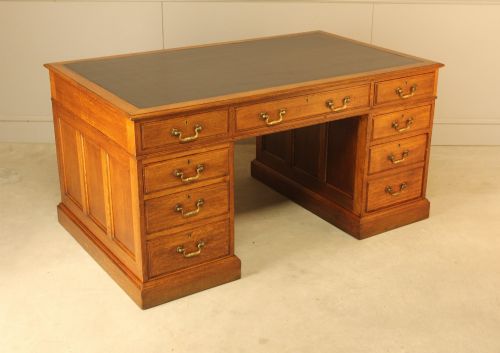
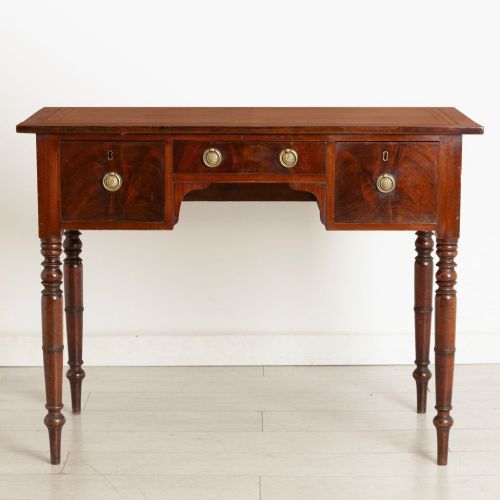
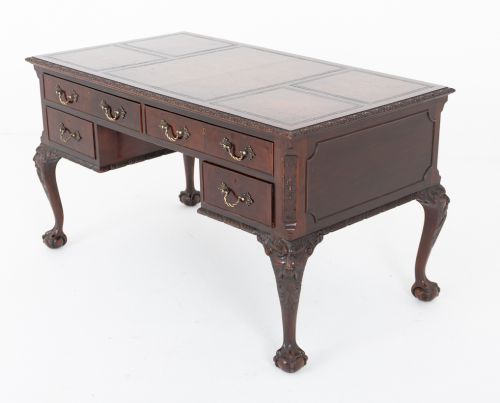
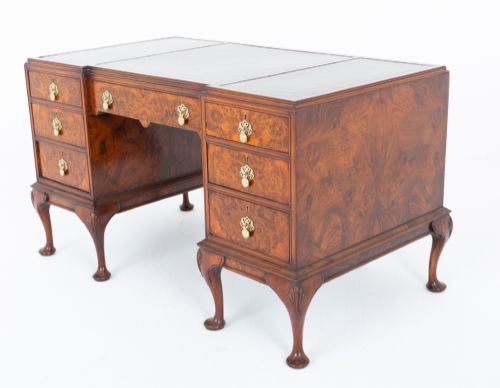
These leather top bureau pieces bring classic writing surfaces and refined storage to a room.
What a leather top bureau is
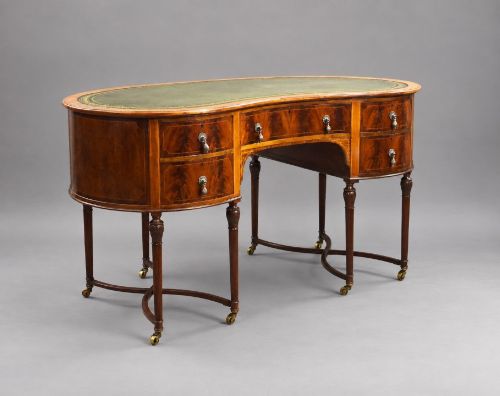
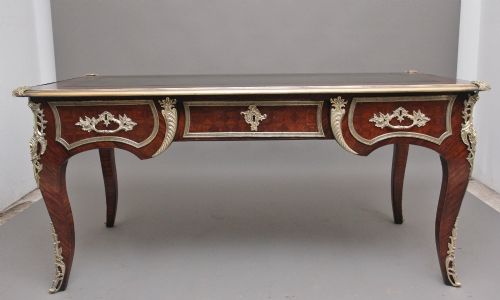
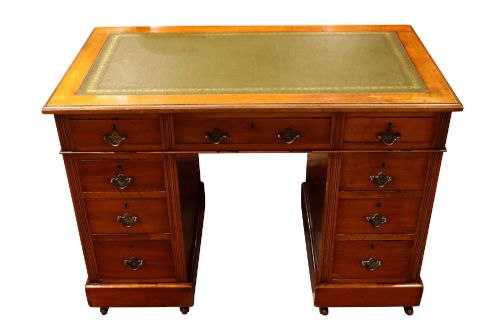
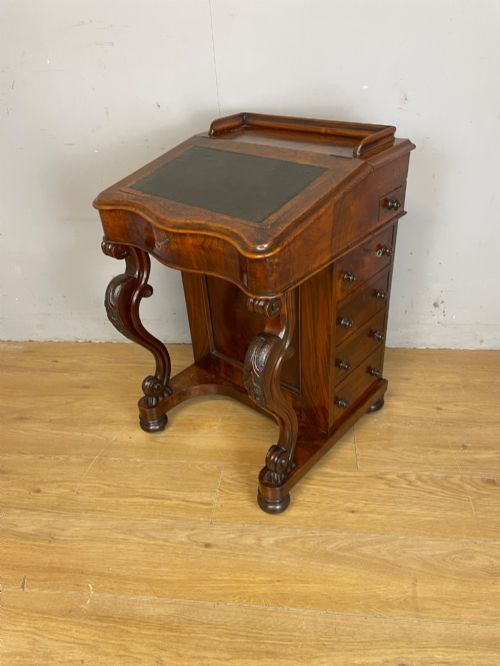
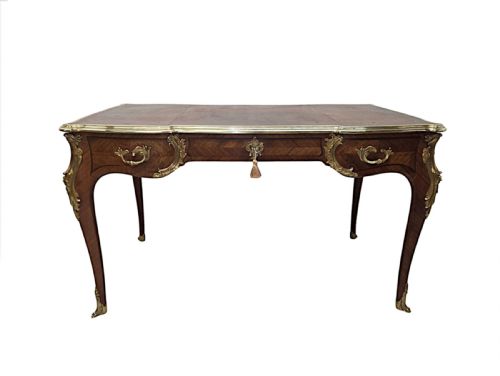
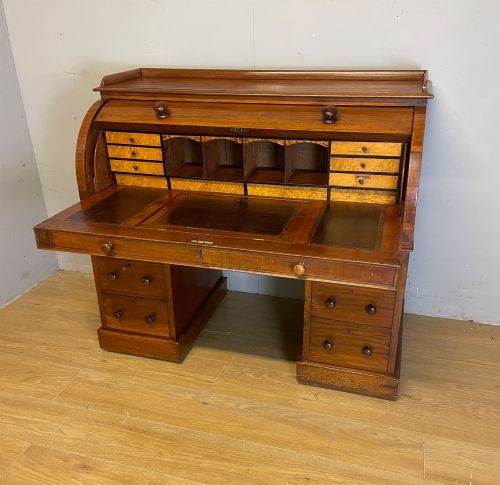
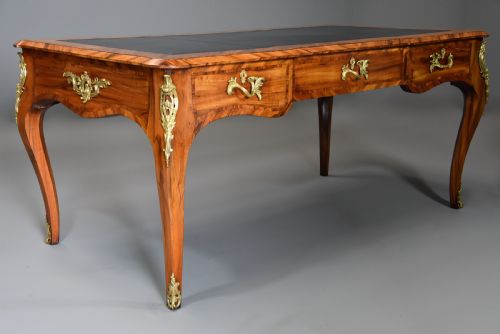
When you search for a leather top bureau, you encounter freestanding writing desks and cylinder or fall-front writing cabinets fitted with inset leather surfaces. The selection spans French bureau plat designs alongside English mahogany and walnut furniture.
Most examples originate from the nineteenth century, including pieces from the eighteen-sixties and eighteen-eighties alongside later Edwardian and nineteen-twenty creations. French Rococo revival and Chippendale styles appear frequently across the available inventory.
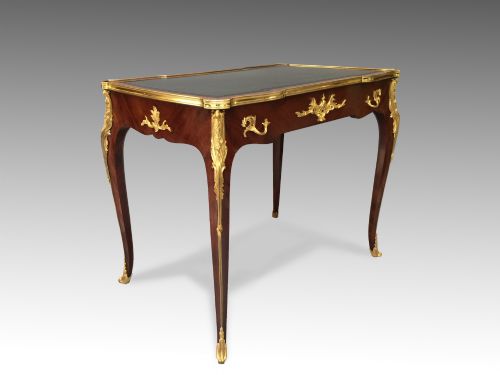
Forms range from monumental freestanding writing tables with ormolu mounts to compact ladies writing desks and marquetry pieces. The integration of leather inserts provides a durable, tactile writing plane matched to traditional cabinetwork.
How they were made
Cabinetmakers utilised timber frameworks of mahogany, walnut, rosewood, kingwood, tulipwood, and birdseye maple, often decorated with intricate marquetry and inlay work. Secondary woods provide structural stability beneath decorative veneers.
Surfaces feature hand-tooled leather writing inserts complemented by cast brass or gilt bronze ormolu mounts. Traditional joinery methods secure the drawers, legs, and writing flaps without reliance on modern adhesives.
Retail Price Guide 2026
Typical UK retail prices for leather top bureau, calculated from the Sellingantiques database of over a million retail prices indexed since 2003. This retail price guide relies exclusively on Sellingantiques data; no external sources or auction records are used, so the figures do not describe the wider market.
Listings feature mahogany, walnut, rosewood, kingwood, tulipwood, and birdseye maple alongside brass, ormolu, and gilt bronze.
What varies in quality
Quality rests in the precision of the timber veneers, the crispness of the marquetry inlay, and the weight of the bronze or ormolu mounts. Finer pieces demonstrate seamless integration between the leather writing surface and the surrounding wood border.
Structural integrity of the drawers, stability of the freestanding legs, and retention of original hardware distinguish superior cabinetwork from simpler workshop output. The depth and clarity of the hand-tooled border on the leather further separate standard utility pieces from high decorative examples.
Gillows
The Leather Top Bureau Glossary
- Bureau plat
- A freestanding writing table, typically with a rectangular leather-inset top and drawers beneath the frieze, originating in France. These tables are finished on all sides to allow placement away from walls.
- Ormolu
- Gilded bronze mounts and decorative trimmings applied to furniture, common in French revival pieces. The finish adds architectural definition and contrast to dark woods.
- Marquetry
- Decorative patterns formed by fitting together thin veneers of various coloured woods. This technique creates pictorial or geometric designs across the writing surfaces and drawer fronts.
- Fall-front
- A writing flap that hinges downward to form a desk surface, concealing internal compartments and small drawers. It allows a compact cabinet to function as a fully equipped writing station.
Frequently Asked Questions
What is a bureau plat?
A bureau plat is a flat-topped writing table featuring a leather insert and drawers within the frieze. Unlike standard wall desks, these pieces are finished on all sides.
originating largely in French cabinetmaking traditions, they serve as central room furniture rather than side pieces.
How do I care for the leather top?
The leather writing surface benefits from occasional cleaning with a damp cloth and mild soap, avoiding harsh chemical treatments. Conditioning creams help maintain flexibility and prevent the leather from drying out over time.
keeping the surface protected from direct sunlight preserves the original colour and gold tooling.
Are these desks suitable for daily work?
Many nineteenth-century writing desks provide sturdy surfaces and functional drawer space suitable for contemporary laptop use and writing. Freestanding tables offer generous knee clearance and stable platforms.
matching the desk height with an appropriate chair ensures comfortable daily use.
How do I distinguish French and English styles?
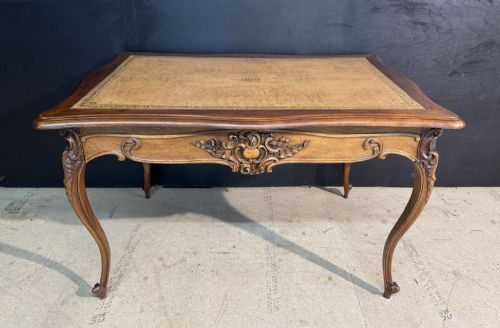
French models often feature curved cabriole legs, extensive ormolu mounts, and exotic wood marquetry following Louis styles. English versions tend to utilise solid mahogany or walnut with simpler structural lines and brass drop handles.
regional joinery techniques and decorative vocabulary clarify the workshop origin.