

Late Victorian Desk Armchair
These late victorian desk armchair pieces combine practical seating with period timber work, offering sturdy support for daily study and work.
Late Victorian Desk Armchair
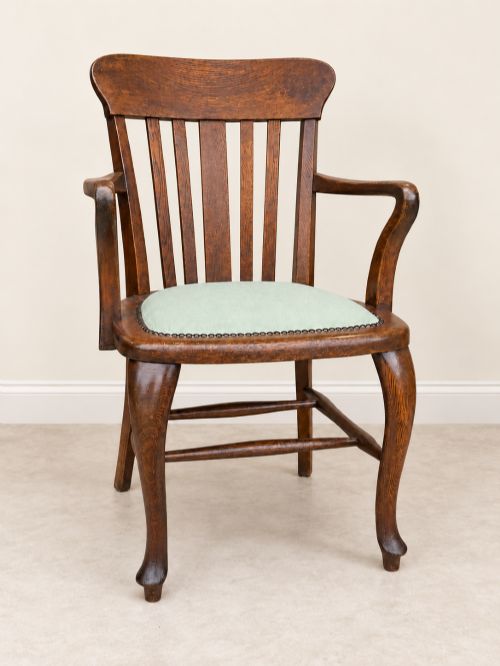
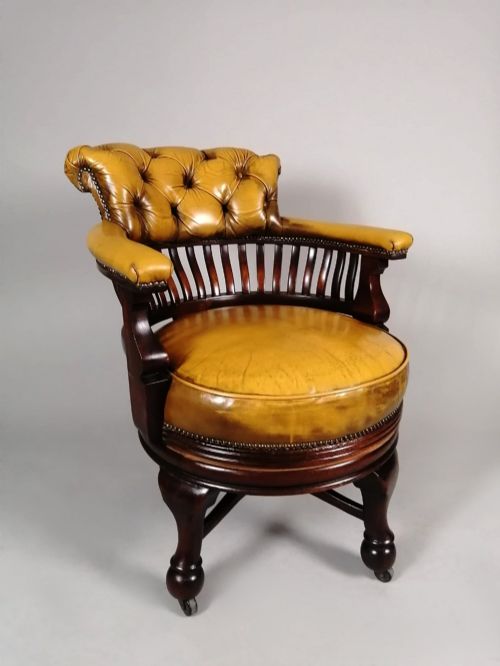
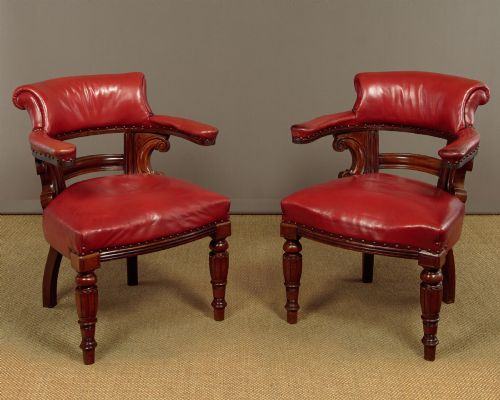
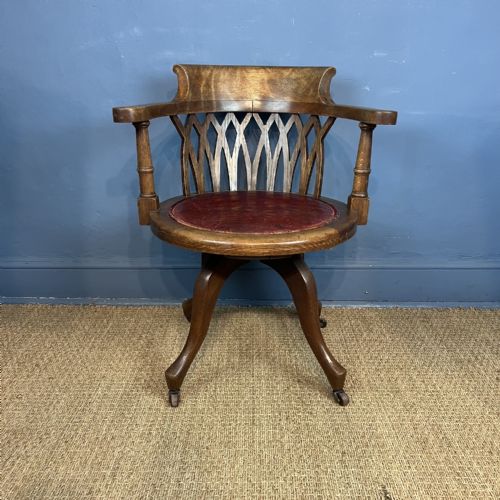
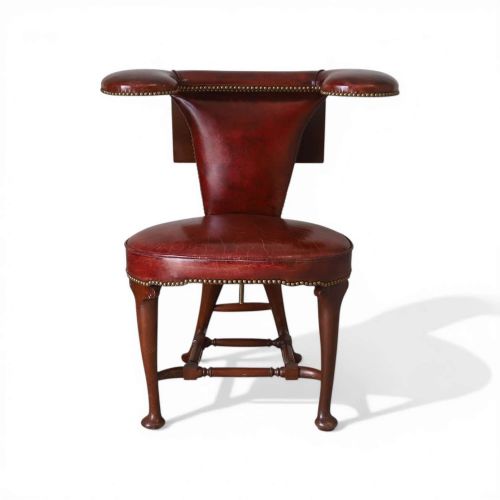
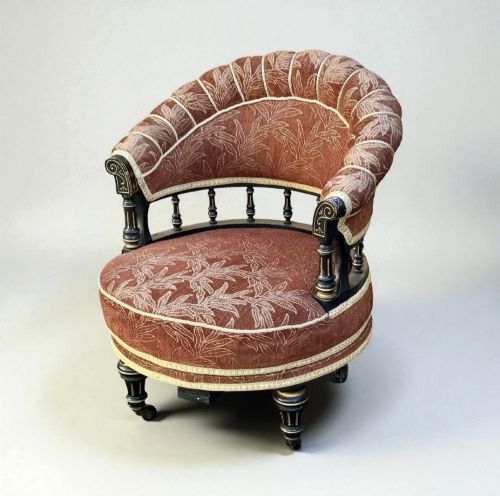
A late victorian desk armchair serves as a sturdy seat for study or office work, originating predominantly from the late nineteenth century and the Edwardian era. You will frequently encounter versions in oak, mahogany, or walnut, often featuring revolving bases or supportive bow backs.
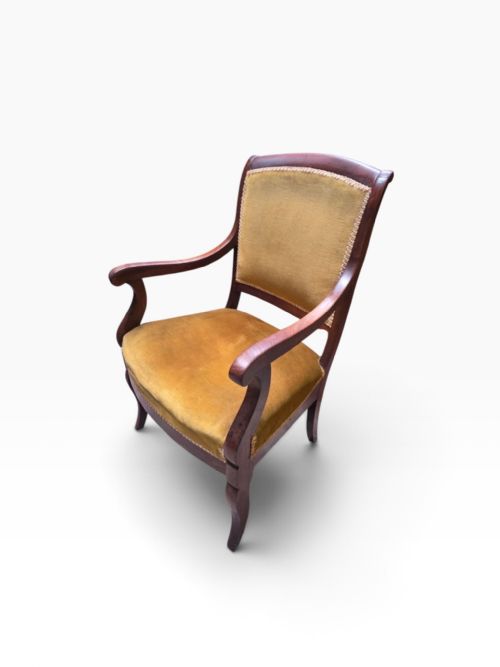
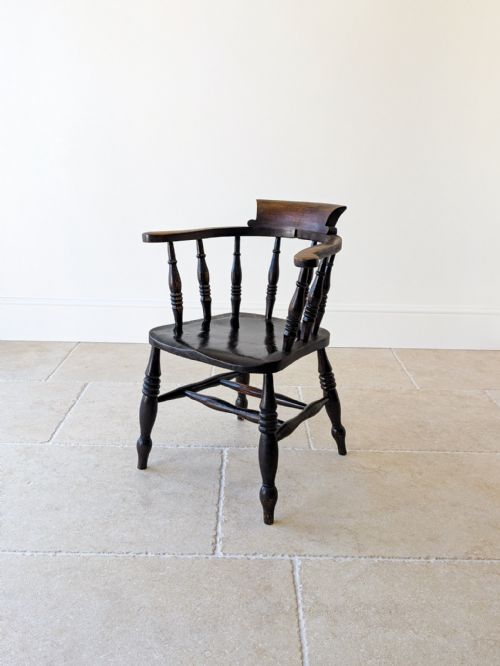
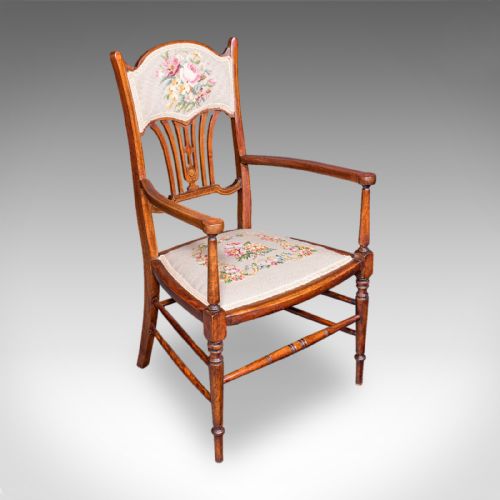
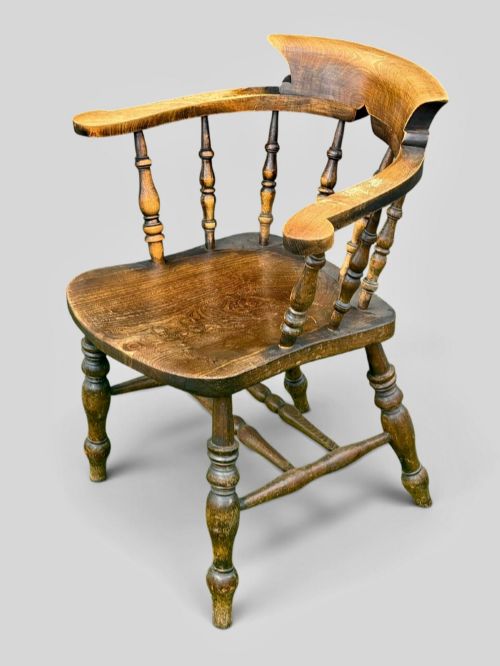
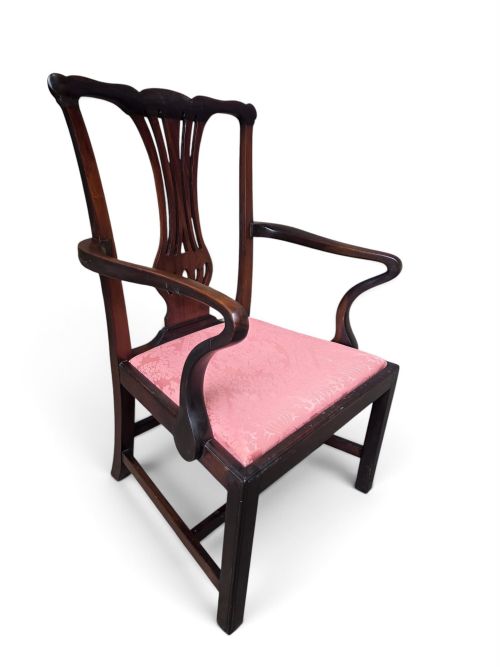
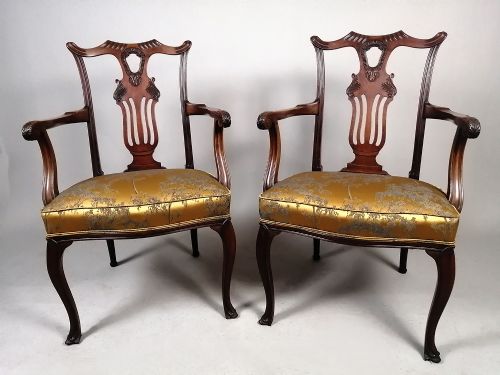
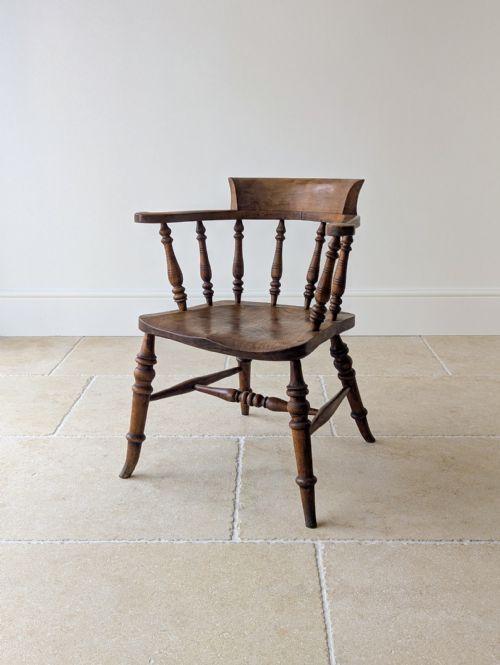
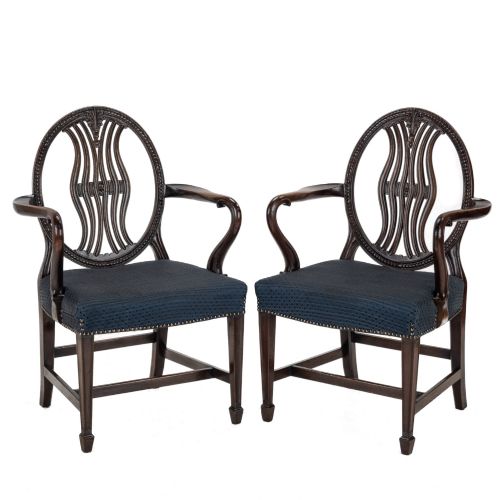
The selection ranges from simple elm and beech captain chairs to elaborate mahogany open armchairs influenced by Chippendale and Hepplewhite revival styles. Many incorporate leather upholstery or cane weaving tailored for a library, study, or morning room.
How they were made
Cabinet makers utilised solid timbers such as mahogany, oak, walnut, beech, elm, and ash, shaping them into turned legs, curved splats, and robust armrests. Brass fittings appear on revolving mechanisms and castors, while leather and fabric provide seat cushioning.
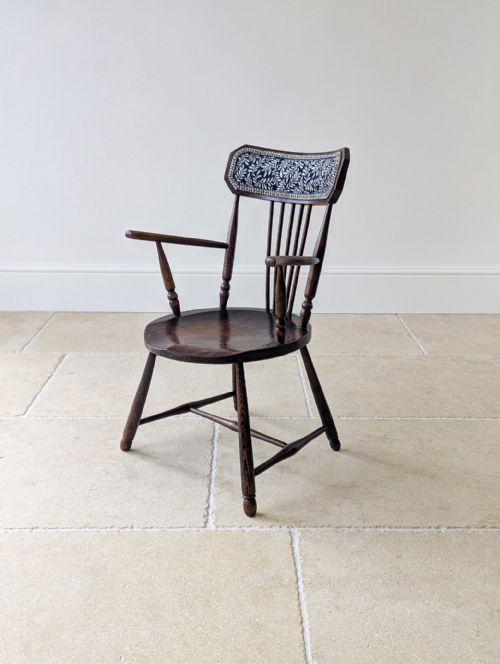
Joinery methods relied on traditional mortise and tenon construction alongside steam bending for curved Windsor backs and smokers bows. Ebonised finishes and carved detailing reflect aesthetic movement and revival preferences of the period.
Listings feature woods including mahogany, oak, walnut, elm, beech, and ash across Victorian and Edwardian periods.
What varies in quality
The distinction between standard examples and superior pieces rests on timber selection, such as figured burr elm or dense mahogany, and the crispness of hand-carved detailing. Maker stamps, integrated revolving swivel mechanisms, and well-preserved original leather upholstery elevate an item's standing.
Proportion and structural integrity define the craftsmanship, where balanced arm supports and tight joinery separate utilitarian workshop output from refined drawing room or library seating.
Collier and Plucknett·Edward William Godwin
The Late Victorian Desk Armchair Glossary
- Captain's chair
- A sturdy wooden armchair with a low curved back resting on spindles, often designed with a solid wood seat for office or library use.
- Revolving desk armchair
- A swivel chair mounted on a central pillar with legs and castors, allowing movement around a workspace.
- Smokers bow
- A low-backed Windsor-style armchair featuring a continuous curved arm rail supported by turned spindles.
- Windsor chair
- A chair constructed with a solid wooden seat into which the legs and back spindles are drilled and wedged directly.
- Aesthetic movement
- A late nineteenth-century design style focusing on visual beauty and craftsmanship over heavy Victorian ornamentation.
Late Victorian Desk Armchair: Frequently Asked Questions
How do I identify a revolving desk chair?
Look for a central vertical spindle beneath the seat connected to a wooden or cast iron base with legs on castors. This mechanism allows the upper seat portion to turn freely.
Many examples from the period combine this swivel function with upholstered leather panels and supportive wooden armrests designed for long hours at a partner desk.
Were these chairs used only in offices?
While many served in studies, libraries, and counting houses, lighter versions appeared in morning rooms and bedrooms. Aesthetic movement and revival styles were frequently placed in domestic reception spaces.
Model variations ranged from plain utilitarian elm seating to carved mahogany pieces intended to match formal partner desks.
How do I care for the leather upholstery?
Maintain leather seats by keeping them away from direct heat sources and applying specialised wax or conditioner periodically to prevent drying. Avoid harsh chemical cleaners that strip natural finishes.
Original leather often displays patination from use, which benefits from gentle cleaning rather than total restoration to preserve its character.